

Rest Insured, You’ll Have A Good Shoot.
As a freelance creator, there’s a fifty-fifty chance you have Production Insurance. Some creators, those who often operate as a “one-person-band” give or take an extra hand, do not have Production Insurance. Others, who run a full house, certainly do. Or, perhaps you only purchase your Production Insurance on a project to project basis. That last one can add up in terms of cost, but, if it works for you and you’re covered, then who are we to tell you otherwise.

So, let’s talk about why having Production Insurance is a good idea.
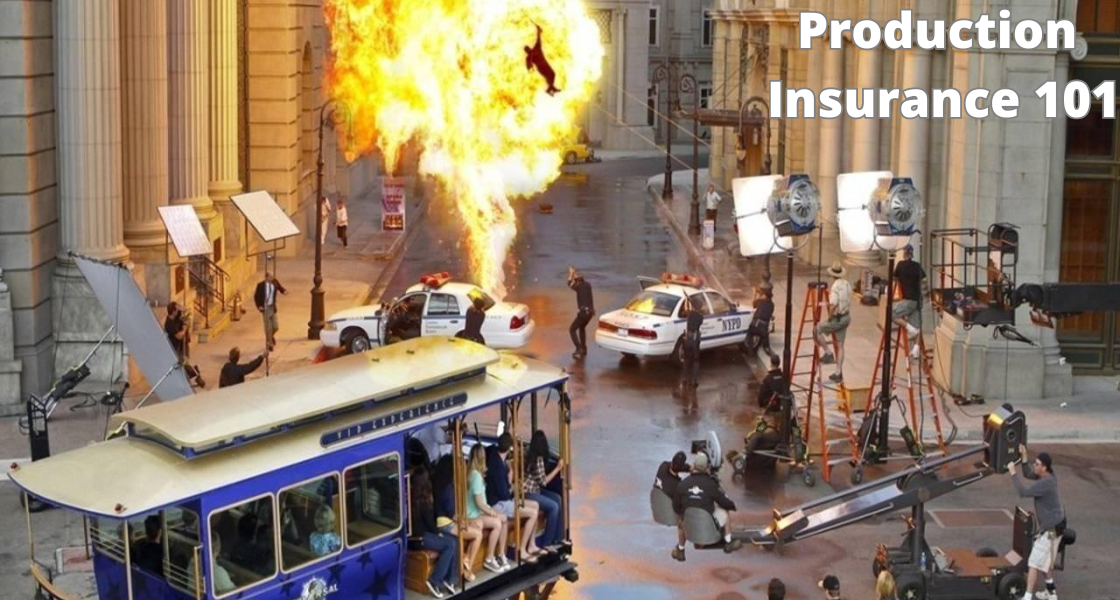
On larger projects, like say National video spots, production insurance is often considered non-negotiable, and may even be required by the brand or company you’re working with. At its core, production insurance serves as a financial safety net, protecting filmmakers, crew members, and clients from a wide range of risks and liabilities. Video production involves multiple elements; from equipment and props to locations themselves, and, if you have Workers Compensation, it can even corver your team, all potentially working in varying locations throughout the shoot.
The varying complexity of video shoots inherently leaves room for countless things to go awry, making insurance essential for peace of mind. One of the most obvious reasons for having production insurance is the protection of valuable assets. Cameras, lighting setups, audio equipment, and even costumes can cost a fortune. Damage or loss of this equipment can lead to significant financial setbacks and project delays. Insurance policies often cover such losses, allowing for quick replacements and minimizing downtime. This can be a lifesaver, especially for freelancers or smaller production companies operating on tight budgets. Legal liabilities are another important concern.
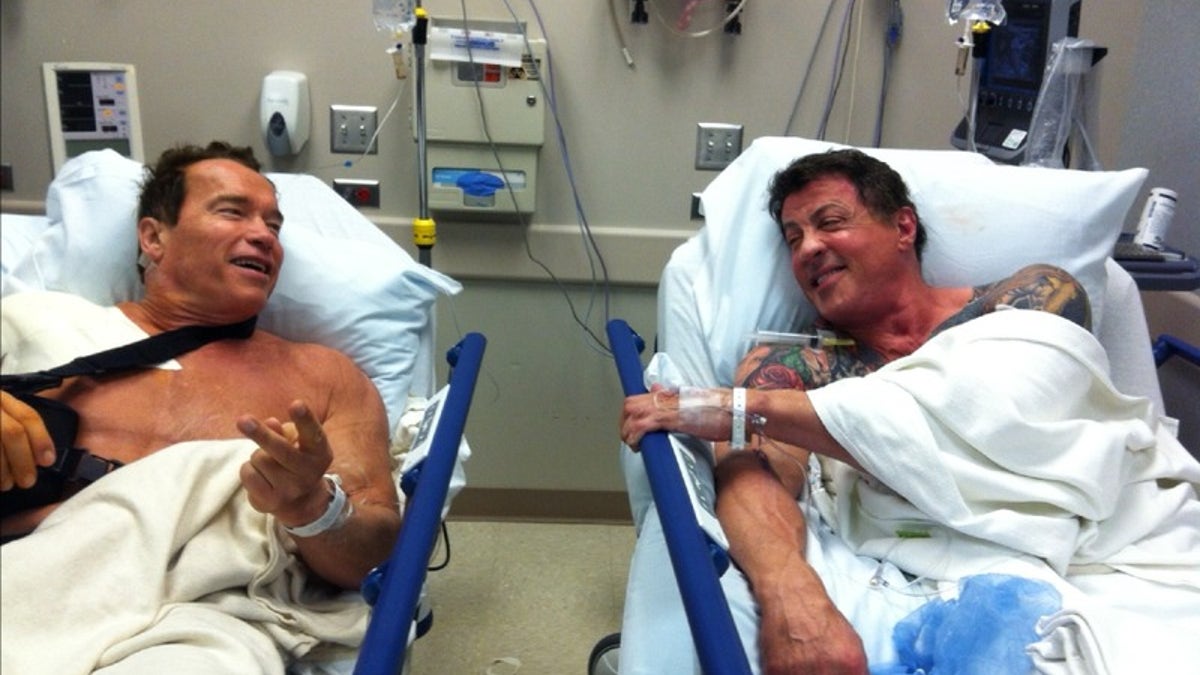
Accidents can happen on set; someone could get injured, or property might get damaged. In such cases, the legal ramifications can be extensive and financially draining. Liability insurance protects against the costs associated with legal defense, settlements, and medical expenses, ensuring that an unfortunate incident doesn't lead to bankruptcy. This is particularly vital when shooting in public places or rented locations where the risk to third parties is higher.
Intellectual property is also a crucial factor. Despite best intentions, copyright infringements can occur inadvertently in creative work. Whether it's the unauthorized use of music, footage, or even a filming location, legal actions concerning intellectual property can be complicated and costly. This is called E&O insurance (Errors & Omissions), and while not common with most commercial shoots, it is common in television, film and documentary features. Specialized insurance policies can provide coverage for such disputes, safeguarding your project and financial health.
Not having production insurance can also limit your opportunities. Many professional clients, locations, and rental companies require proof of insurance before collaborating. Without it, you risk being perceived as unprofessional and may miss out on lucrative projects or partnerships. Essentially, being insured opens more doors and provides a competitive edge in the saturated videography market.
Also, make sure you’re familiar with your deductible and aggregate. An aggregate limit is the maximum amount of money an insurer will pay for all your covered losses & damages during the policy period, typically this can go up to $1,000,000 dollars. The deductible is the amount of money that you’ll be paying out of pocket before your policy covers the rest. For example, if you break a $10,000 lens (ouch!) and your deductible is $2,000, then you’ll pay $2,000 and insurance should cover the rest.
Also, when filing for insurance, you’ll come across the term “inland marine”. Don’t let it confuse you. As opposed to “marine insurance,” which covers products and productions when filmed or transported over water, inland marine insurance covers products, materials and equipment when transported over land or while temporarily warehoused by a third party. Collisions and cargo theft are the two most frequent causes of inland marine losses.
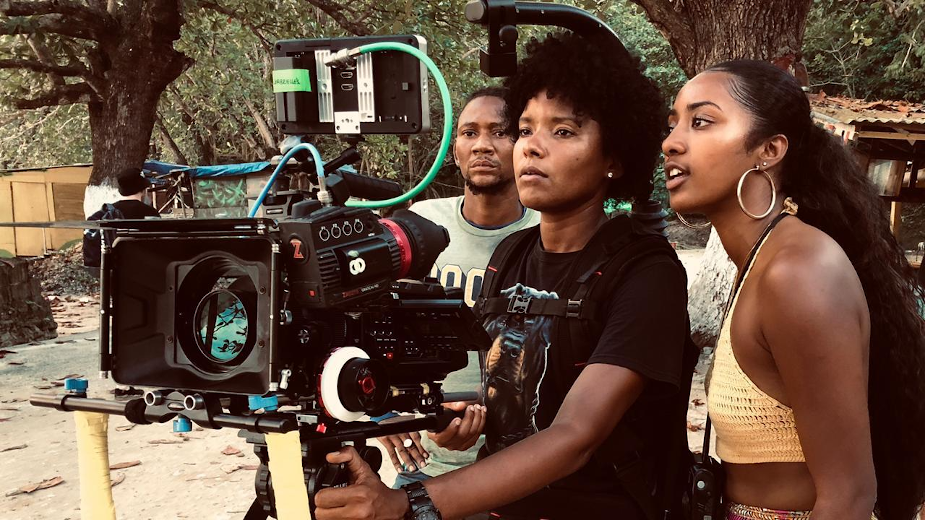
And if you’re renting vehicles, whether for transportation of crew and great, or to be used as a prop car, make sure you include “Auto Coverage” if the rental vendor does not. Remember, chances are you’re moving a lot of heavy and pointing equipment around, things are bound to get a ding or dent here and there.
Production insurance is not just a line item on a budget; it's an investment in risk management that safeguards your project, finances, and reputation. Covering everything from equipment damage and legal liabilities to intellectual property concerns, a robust insurance policy ensures that unexpected setbacks don't derail your creative vision or financial stability. Given the complexities and inherent risks of video production, skimping on insurance is a gamble few can afford to take.