

APPLY FOR OUR ON-SET APPRENTICE PROGRAM HERE
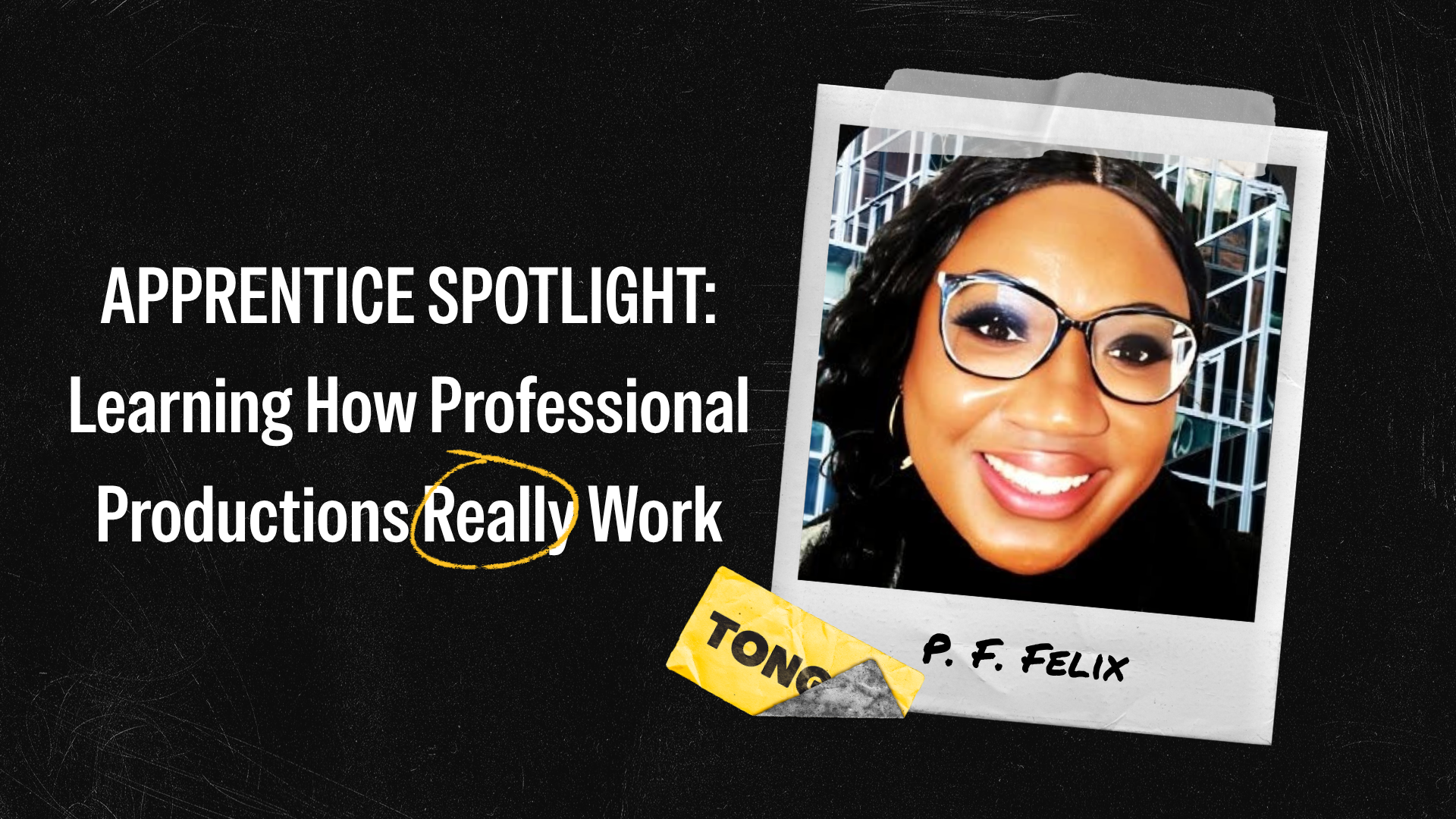
Breaking into the film industry means learning lessons that come from on-set experience. Tongal's Apprentice Program allows emerging creators to step onto professional sets, shadow experienced crews, and gain firsthand insight into how video production operates. In this Apprentice Spotlight, we spoke with P.F. Felix about her experience working in the Production department.
According to Tongal Executive Producer Rebecca Lando, "She was a fantastic asset on set: bright, energetic, polite and kind to everyone, and eager to learn. She always had a massive smile on her face and didn't miss a beat, often anticipating what her department would need but always confirming with the Head PA or Line Producer before making any sudden moves. She's smart and a hard worker and we were lucky to have her as our apprentice on this two-day shoot."
From navigating her first day on set — where she accompanied Tongal filmmakers Way Out West to shoot new content for home services brand Frontdoor — to the mentorship and practical lessons gained along the way, her story gives a look at what it's like to begin learning the realities of professional filmmaking.
Prior to Tongal, I had been working a few behind-the-scenes acting gigs with another production company. I applied to Tongal after learning that I would have the opportunity to work in the creative department of my choosing. I chose Production, but there were also opportunities in Lighting, Costuming, Directing, and so much more. The possibilities felt endless, and the chance to gain firsthand experience while shadowing the role I ultimately want to pursue made applying an easy decision.
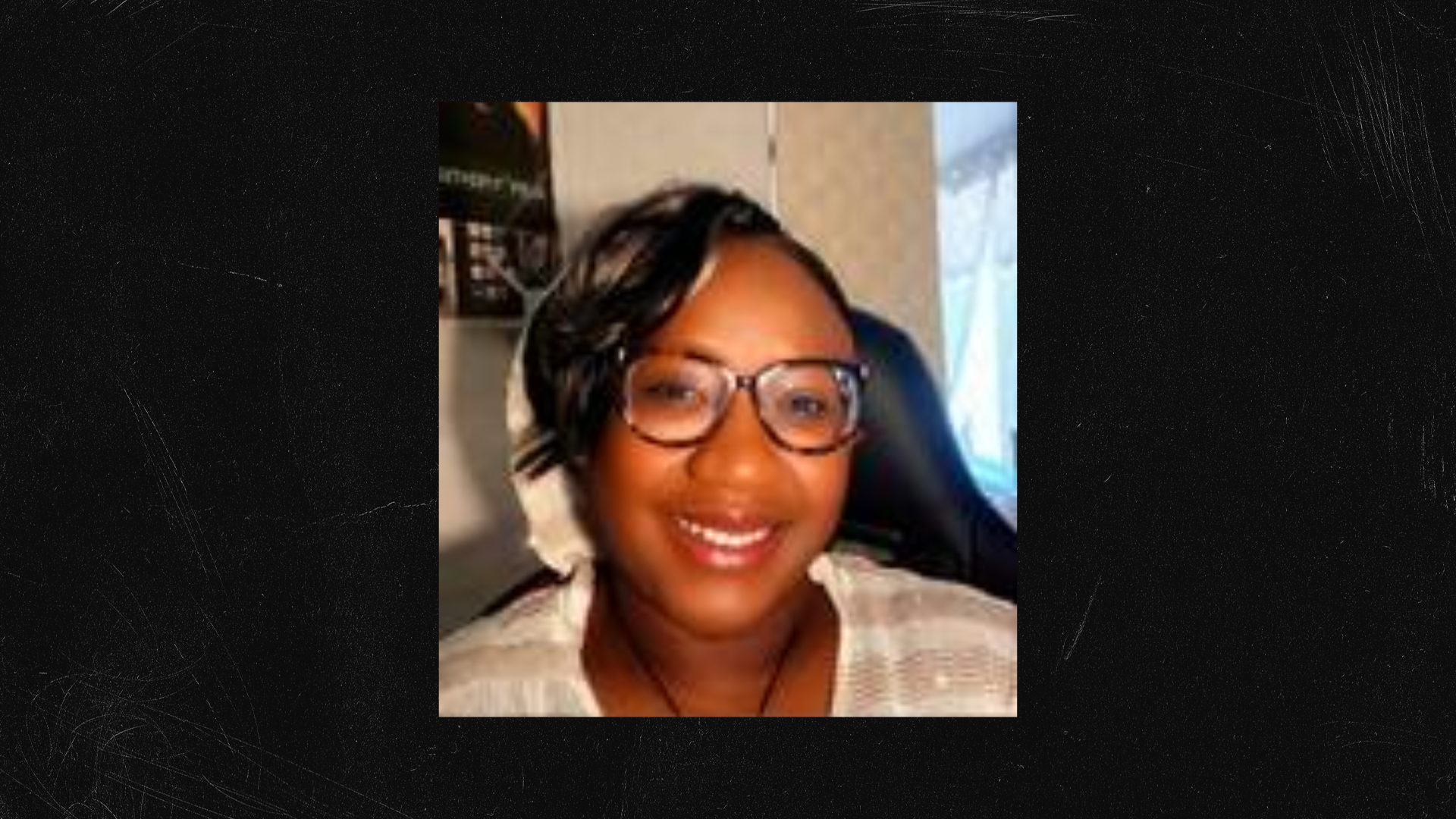
My first day on set was exciting and eye-opening. I arrived early and introduced myself to everyone I could before my mentor arrived. When I met Laura, she seemed impressed by my initiative to help set up tables, tents, and whatever else needed to be done.
I'll admit, I was a little nervous, but I found my footing by observing the crew and following their lead. One of the biggest surprises was getting to witness the client's live script revision process. That's not something you experience in the proverbial classroom—it gave me a real appreciation for how collaborative and fluid professional productions can be.
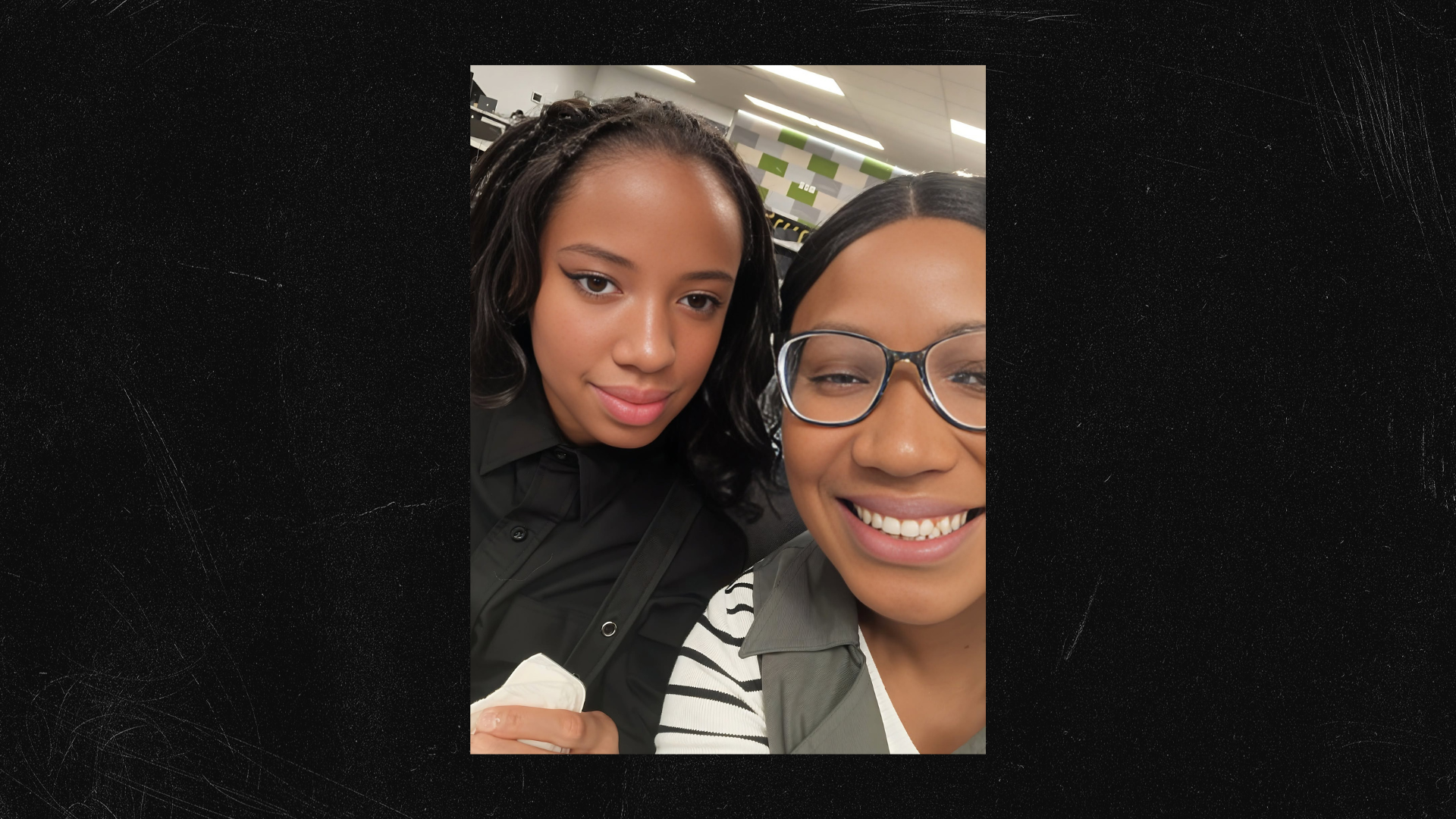
The best advice I received actually came from the Assistant Director. He's a cool South African with a no-nonsense demeanor but a humble grin. During our introduction, he shared something that really stuck with me:
"The best thing a PA can do is be present. Don't run around doing random work if it means your mentor can't find you when they need you."
Everyone around him nodded in agreement, and I took that advice to heart. Even when I was busy, I constantly communicated my ETAs, updates, and availability for additional assignments. That lesson taught me that being dependable and communicative is often more valuable than simply trying to stay busy.
If you genuinely love filmmaking and want to build a career in this industry, you need to understand how the machine actually works. Learn what a gaffer does instead of thinking only in broad terms like "lighting" or "sound." Understand why breaks are scheduled when they are—there's a reason behind every decision on a call sheet, so when you're told to take a break, take it.
Most importantly, respect every department. Costume, actors, producers, craft services, the village—every role matters, and no one succeeds without the others. Respect, discipline, and professionalism aren't things you can fake. People are always evaluating how you carry yourself, often when you least expect it. In many cases, your attitude and work ethic can be just as important as your technical knowledge.
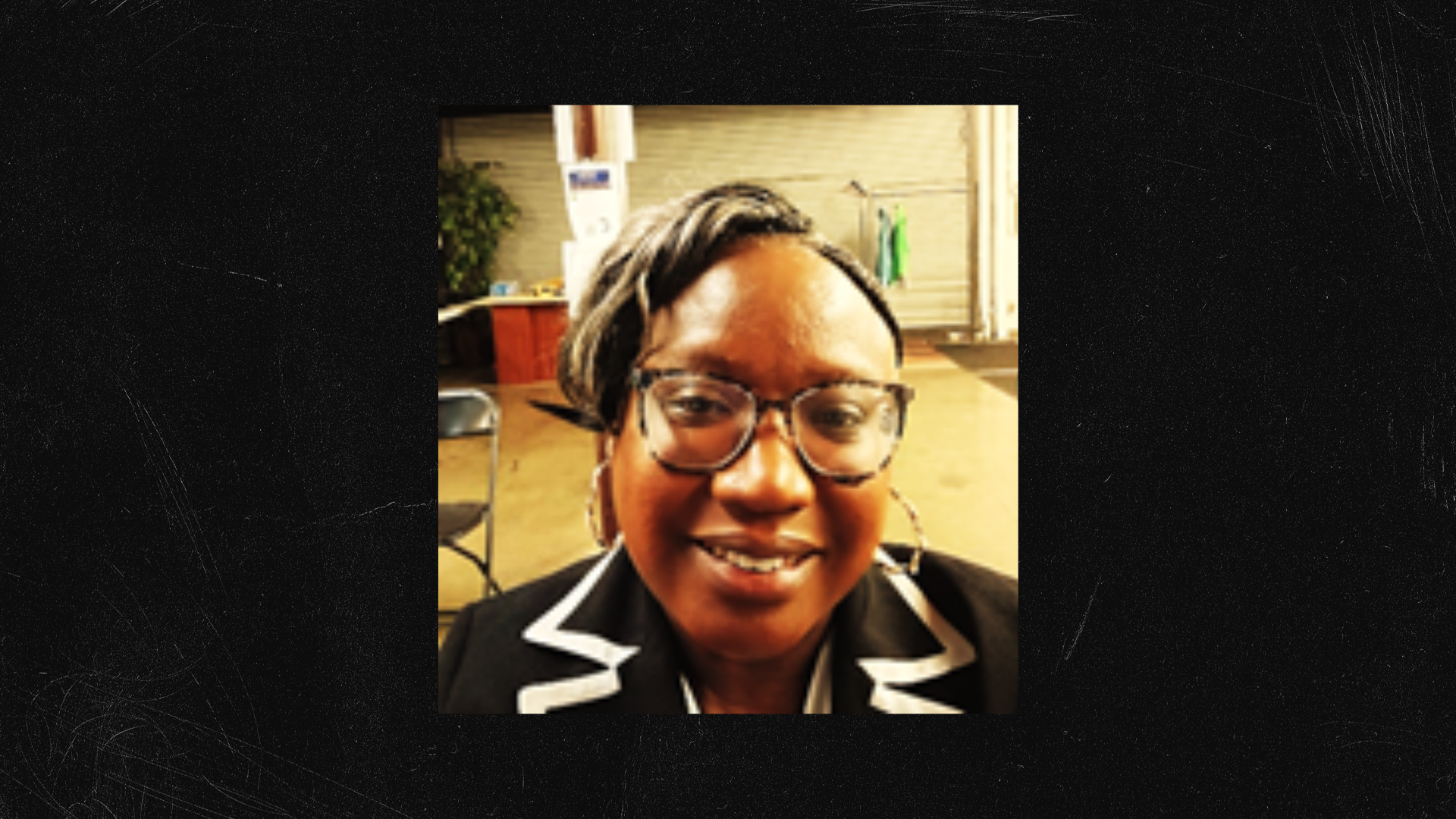
One of the biggest things this opportunity gave me was an even stronger desire to continue working in the industry. I was fortunate enough to receive a soft "pinned" callback, which was incredibly encouraging. At the same time, I recognize that I probably caught a glimpse of filmmaking on one of its smoother days.
Everyone was welcoming, the set ran efficiently, and I simply followed directions and did my job. Now that I've had a taste of that experience, I want to see the tougher days—the ones where call sheets change, directors are under pressure, schedules shift, and Production Assistants are truly tested. Give me the Night's Watch of filmmaking. That's where real growth happens.
If you're serious about filmmaking—and Quentin Tarantino isn't your uncle—you need a program like Tongal to help you find your footing.
Whether you're interested in acting, production, set design, producing, screenwriting, lighting, or any other department, you need to understand the intricacies of how the industry actually functions. Film has been around for over a century, and while technology continues to evolve, the fundamentals of great productions remain the same. Tongal gives you an opportunity to learn those fundamentals from professionals while getting your foot in the door. The opportunity is there—you just have to decide whether you're willing to commit. I chose the former, and I haven't looked back.