
If you’ve been keeping up with our Discussion Forum lately, you may have noticed a recent post asking Tongalers to share their tips and advice for building their showreels. As most filmmakers know, a polished and professional showreel is one of your most important calling cards for landing your next gig. A showreel presents your best AND most relevant work to potential clients and employers by giving them a visual tour of your film work, showing them both your artistic sensibilities and technical capabilities.
A few of you may be wondering why we’re writing a blog about showreels. Doesn’t Tongal ALWAYS prefer links to individual work? Indeed we do - but we also understand the importance of having a showreel at the ready for when opportunity comes knocking. For most Tongal Pitches, we prefer links to individual videos because it helps us better gauge your technical skills as a filmmaker and your ability to tell a story from start to finish. For a number of other creative companies, however, a showreel is a gateway to exploring your body of work. They will often look at your reel first and then decide whether or not to dive more into individual pieces of content from there.
Creating a showreel has become an art form unto itself, which is why we’ve come up with a list of 5 practical ways to make your showreel stand out, helping to turn your body of work into a compelling and visually splendid compilation that lands you your next job!
Put yourself in a box (initially)
As filmmakers, we never really want to put ourselves in a box. But in the commercial world, your past work will likely determine the type of work you’re hired for in the future. For example, if a brand or agency wants to produce a comedic spot, they’ll be looking for directors and DPs who have a lot of experience creating comedic content. Similarly, if a brand is hiring for a beauty spot, they’ll want to see your bright, slightly overexposed closeups - not your dark and moody short film. Like any good resume, your qualifications should match the job’s description, which in this case is the genre, tonality, and technical ask of the creative project.
As a commercial filmmaker, you should decide early on how you want to define yourself and start to build your reputation and body of work around that. If you see yourself doing table-top food and beverage spots, or artsy fashion videos, then build a reel around those things. That way, when the right opportunity comes along, you can pitch to your strengths and experience. Being well-defined will help you land your next gig; it’s difficult for clients to determine if you can execute on a specific project if your work is too all over the place.
That said, don’t be afraid to incorporate a shot or two that shows off your versatility, such as a few drone shots or some highly-stylized slow motion. This will help you differentiate yourself, while still tailoring your reel to the types of jobs you’re applying for.
Here’s a great example of a distinctive reel by filmmaker Jon Chiang with a strong documentary style focused on athlete stories:

Also, check out this reel by Salomon Lighthelm, which is a good example of how to incorporate versatility. He blends a moody, futuristic vibe with incredible special effects.
2. Some sound advice
A great sound mix will enhance your imagery and underscore the tonality of your work. Be sure to select an uptempo music track to infuse energy into your editing. Many filmmakers choose to take out all the audio elements from their original video clips and replace them with a music track. We recommend trying to incorporate some of the ambient sounds from your video clips. For example, waves crashing on the shore, footsteps, a child laughing - this will provide a more atmospheric experience while showing off the quality of your sound!
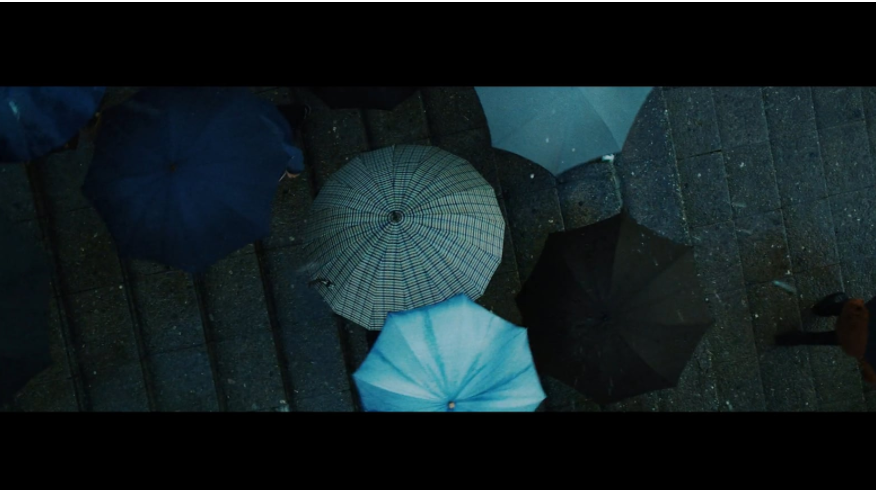
This reel from Videocase Production shows how choosing the perfect track can really tie together your images.

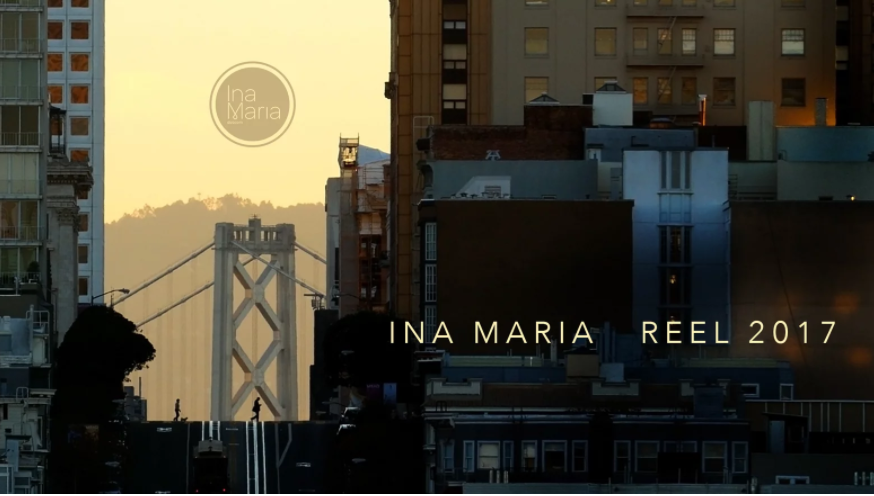
Ina Maria’s reel is a great example of blending diegetic sound with music and other audio elements.
And though music is a very important component, make sure your images stand on their own. Try watching your showreel at least once without sound to see if there are any visuals that need more attention in the editing suite.
3. Montages are for kids
Sometimes, you need to show off a skill that requires a longer setup time than 2-3 seconds. Directing falls into this category, along with special effects and camera operation. For directing, you want to show more than just how you set up a shot; you want to show the choices you make when blocking characters, how you handle dramatic (or comedic) material, and provide direction to your actors. For comedy, it helps to see the final punchline in order to judge a filmmaker’s comedic chops. Directors should include longer takes in their showreel to demonstrate these skills. Don’t be worried about creating a snappy montage if you need to show off an entire scene. Here’s a good example from the production company Zout Water of how to incorporate those lingering directorial takes into a showreel.
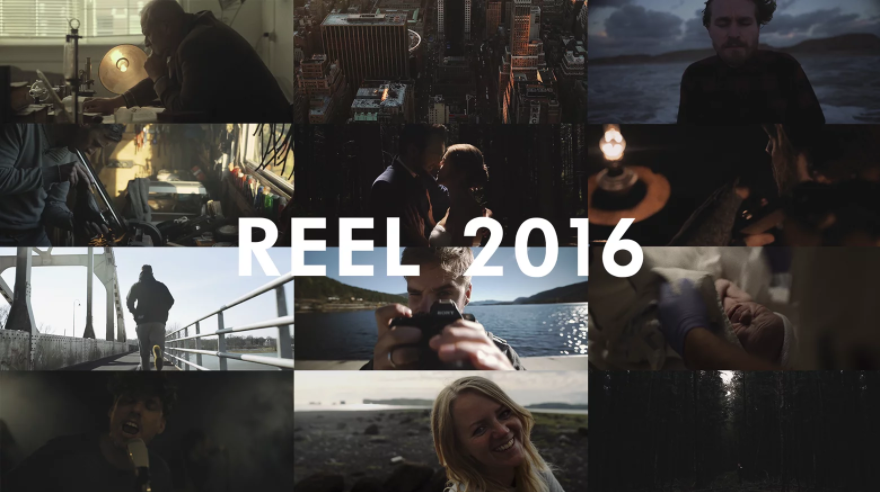
The animation studio Yum Yum London decided to create an animated short film instead of a crowded animation reel.

And instead of showing snippets of past work, this 3D modeller created a timelapse showing himself building the scene from start to finish.
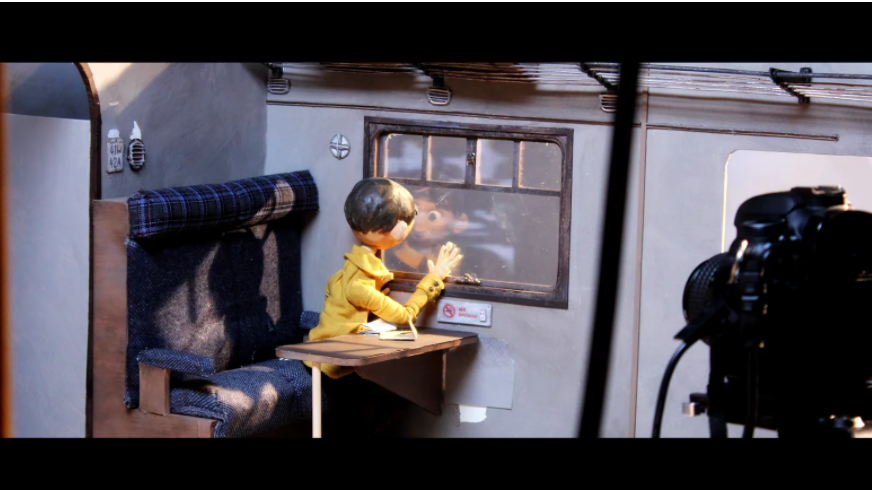
The final touch is to get a professional editor to master everything for you.
4. Show your creative and technical process
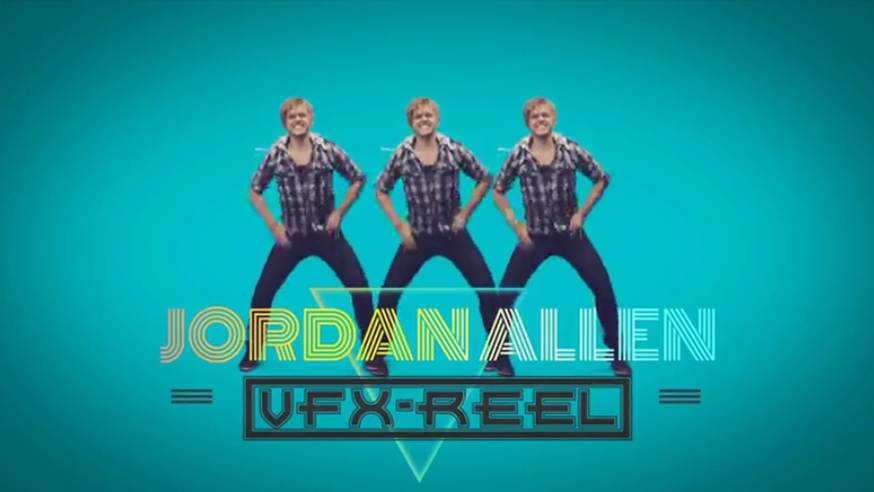
This is especially true for composite and VFX specialists. Oftentimes, you will be working on a team, and not everything that’s in frame belongs to your creative genius. In this case, you can add tags to discreetly point out what you worked on in the shot. Colorists will often show the before and after raw image and then the color graded image. Process videos show how you build the assets and how much of the work you can own. Here’s a great process video from one of our own Tongalers, Jordan Allen from Side of Fries:
For directors, editors, and composers, you can include BTS shots, or pre-vis and sketches to add depth to your work and communicate the collaborative nature of your process, as well as how you can execute a scene given certain parameters. The client can then evaluate the whole experience of working with you, rather than just the final product. Here’s an example from WoodShop Studios breaking down the process of working on a Sonic spot:

5. Keep it short, simple, and relevant
It’s better to have multiple reels for specific genres than to have one long hodge-podgy reel. Keep each reel no longer than a minute and make sure the content that you include is relevant to the types of jobs that you are applying to. At Tongal, we prefer to see your most relevant work, rather than see your best videos of all time. Time is precious for producers, so make it easier for them to discern why you’re the right person for the job, and show that you took the time to understand their needs. Also, be sure to update your reel at least once a year with new work. Lastly but not least, just a little advice from our Assets Manager here at Tongal: be sure to include your name, email and phone number in the first and last frame of your reel!
We encourage you to keep the conversation going by weighing in below in the comments or heading to our original discussion post!