When Becca Bender delivered her Tongal Talk, Working with Archives, she gave Tongalers a look at archival media. A creatively rich and legally complex aspect of filmmaking. Drawing from her experience as an archivist, archival producer, and Training Coordinator at the Northeast Document Conservation Center, Bender outlined how filmmakers can locate, license, and incorporate historical materials into their projects.
With a background that includes work on documentary projects such as the Emmy-nominated Black America Since MLK: And Still I Rise and Peabody Award-winning Chisholm 72, Bender approaches archival work from the preservation and production side. She emphasized how archival media can dramatically expand the storytelling potential of a project, but working with it requires a clear understanding of rights and research.
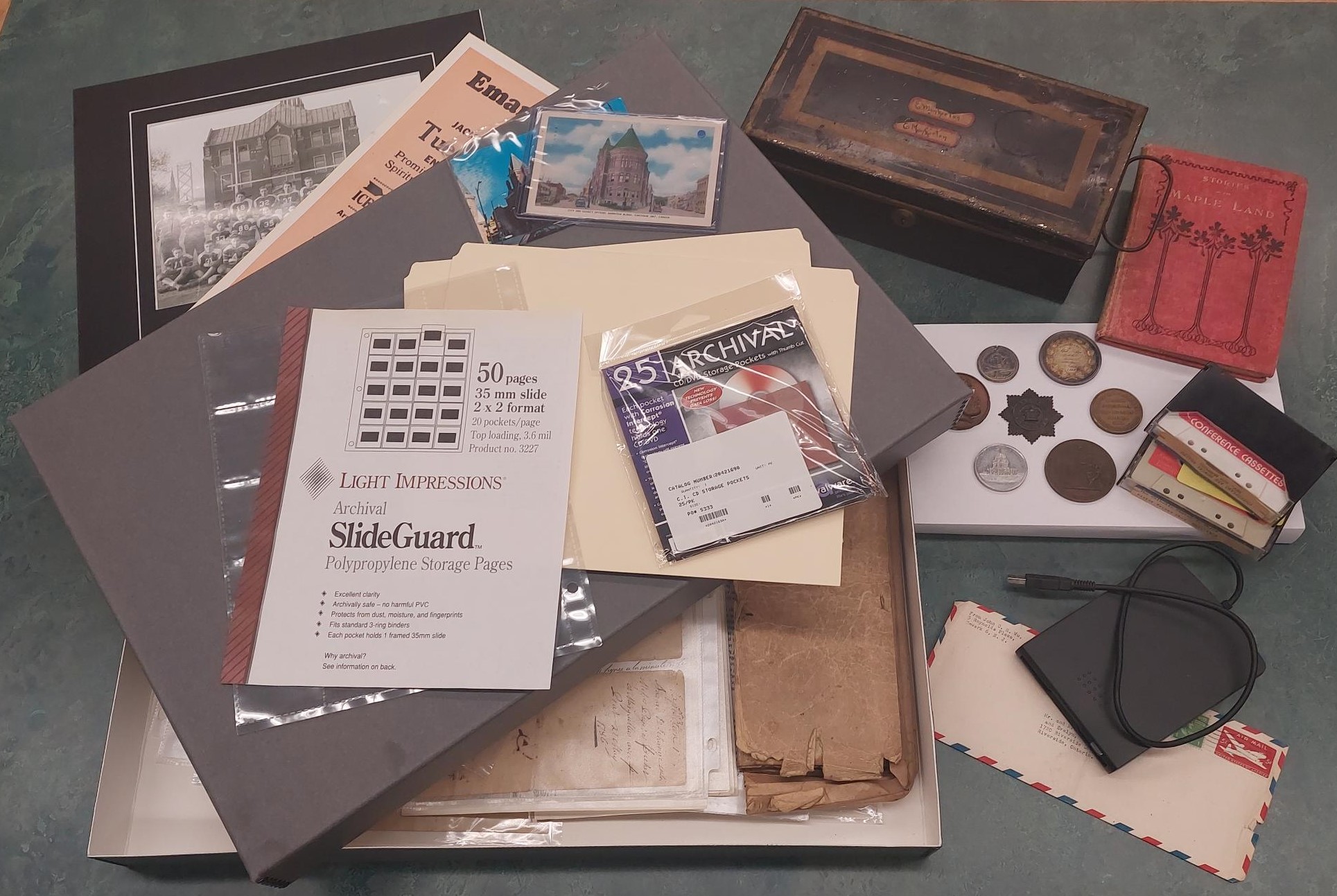
Bender began by reframing how creators think about archival materials. “Archival” refers to any media that the filmmaker did not personally create. That definition encompasses a wide range of formats, including:
Each category carries its own licensing considerations, ownership structures, and research pathways. For filmmakers working in documentary, branded storytelling, or historically grounded narratives, archival elements often become foundational pieces of the storytelling architecture.

A significant portion of Bender’s presentation focused on rights management. Copyright exists to encourage creativity by granting creators control over how their work is used. For filmmakers, this means that someone owns most archival materials, and determining ownership is the first step.
This means identifying the rights holder, securing permission, and in many cases paying licensing fees. While this can appear daunting, it becomes manageable with the right research and strategy.
There are exceptions. Permission might not be required when materials fall into the following categories:
Understanding these distinctions allows filmmakers to broaden their sourcing options while remaining compliant with copyright law. Tools such as the Creative Commons licensing system and guides like Cornell University Library's resource on public-domain timelines can help clarify which materials are free to use and under what conditions.
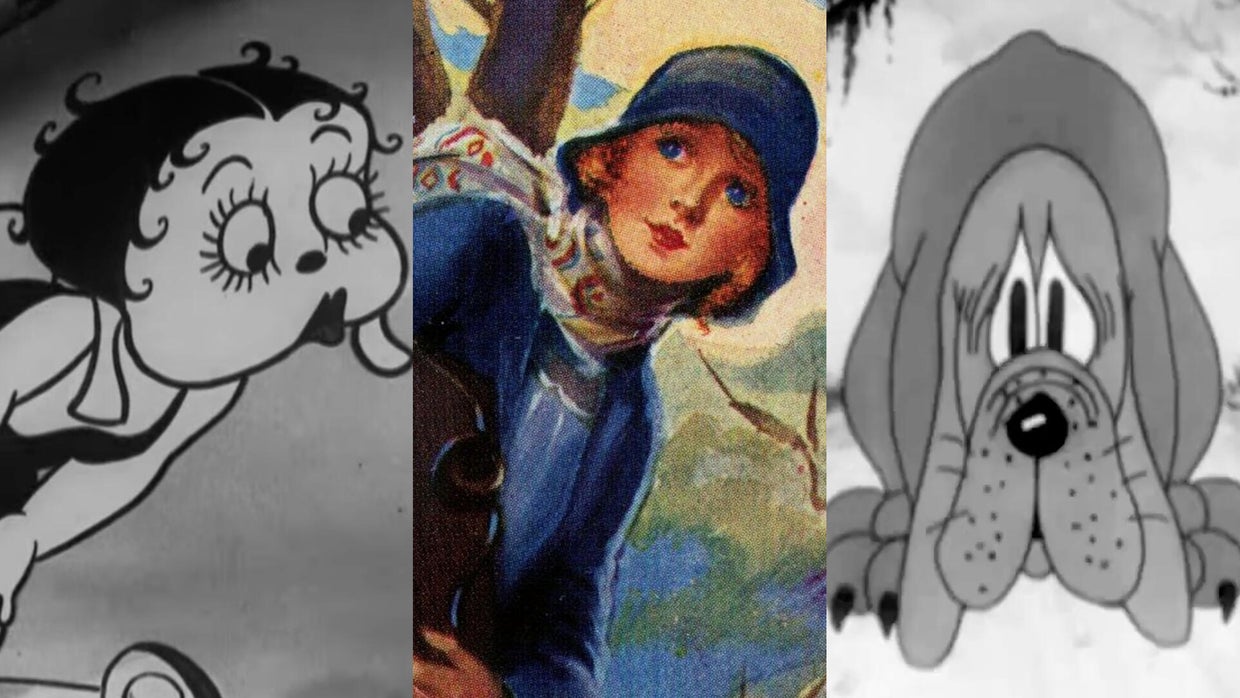
For creators beginning archival research, Bender highlighted several resources where public-domain or free-licensed materials can be found.
Sources include:
These platforms can provide resources for filmmakers seeking historical images, footage, and documents that can be incorporated into their projects without licensing issues.
Bender also noted archives exist across many scales, from major stock houses and institutional libraries to regional historical societies and individual photographers. Each archive has its own licensing structure, so filmmakers should pay close attention to the terms of use.
Beyond locating materials, creators must understand how archives structure access. Some collections provide rights-managed licensing, where usage is tied to specific media platforms, territories, and timeframes. Others offer access-only models, meaning the archive provides the material, but the rights may still belong to a third party.
Music licensing introduces additional complexity. Bender highlighted the distinction between master rights (the recording itself) and synchronization rights (permission to pair music with visual media). Both may be required for legal use in a project.
This layered landscape is why archival producers often play a critical role in documentary filmmaking. Organizations such as the Archival Producers Alliance have published guidelines for working with specialists in this field, including resources like their guide to working with archival producers.
When Fair Use Applies
The final section of Bender’s talk addressed one of the most misunderstood areas of archival media: fair use. Fair use is not a blanket exemption from copyright.
It is evaluated through four legal factors:
Resources such as the Center for Media & Social Impact guide to the Documentary Filmmakers’ Statement of Best Practices in Fair Use provide an understanding of how courts interpret these factors.
At its core, Working with Archives positions archival research as a creative and logistical discipline that strengthens storytelling. If approached correctly, historical materials can deepen context, visual worlds, and connect audiences to cultural histories.
For the Tongal community, Bender’s workshop offered a roadmap for understanding rights, researching sources, and approaching archives with the same views applied to any other aspect of filmmaking
Filmmakers are working with the world's biggest brands on Tongal.