
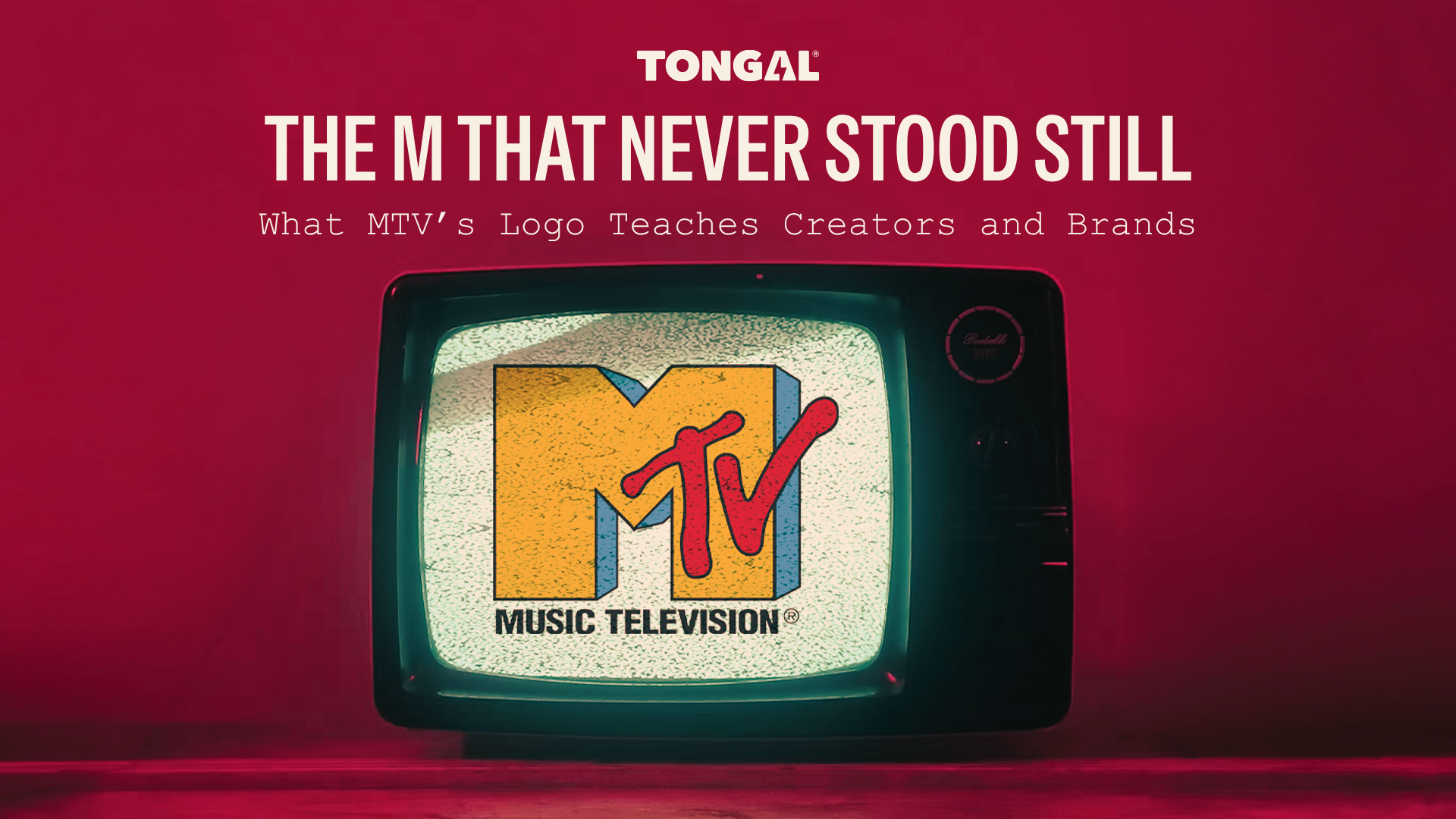
When Fred Seibert became MTV’s first creative director, he had very little experience commissioning a logo. He told us he knew exactly one famous designer and couldn’t bring himself to call him. “I was too scared to call Milton Glaser, who was the only designer I’d ever really heard of… so I didn’t call Milton. I called my friend Frank Olinsky.” The assignment went out before the channel had a name. As Seibert puts it, “We gave them the assignment before there was anything called MTV. It was called the Music Channel.” That is a useful reminder that great identities are often built before a brand exists, by people working on instinct, a relationship, and very little certainty.
What followed was a year of rejection. According to Seibert, Olinsky’s studio produced roughly five hundred comps, and he turned them all down. “They did about 500 comps that I rejected, and I couldn’t tell you why I rejected them. I just rejected them.” Then, with only weeks left before the first piece of animation had to be commissioned, the team came in with a final pile. “The last thing in the last pile was the M, and we said yes.” The lesson here is partly about patience and partly about trust. Seibert could recognize the right answer without being able to describe it in advance, and the designers kept working without demanding that he explain himself. Creators and clients today can learn from that: you often can’t brief your way to the right idea, so give good collaborators room to keep exploring and be honest about what you’re reacting to, even when it’s only a feeling.
The M still wasn’t finished. Olinsky felt something was missing, so he took a spray can into his building’s stairwell and roughed up the letter with graffiti, a look that was not yet the property of suburban kids with design degrees. He then returned with illustration boards covered in celluloid overlays, each styled for a different imagined show. Seibert’s reaction was practical: “I’m like, Frank, we’re not doing shows. There are no shows on this network.” His instinct, by his own account, came from training: “I had been sort of semi-trained that there were right ways to do things, and I said, guys, what are the colors?” A logo, he assumed, needed official colors. So the designers made a dozen color options, and Seibert, who admits he’s “really bad at color,” struggled to pick one. The conventional question (“what is the correct version?”) can lead you to a worse answer than the unconventional one hiding in the work you’ve already seen.
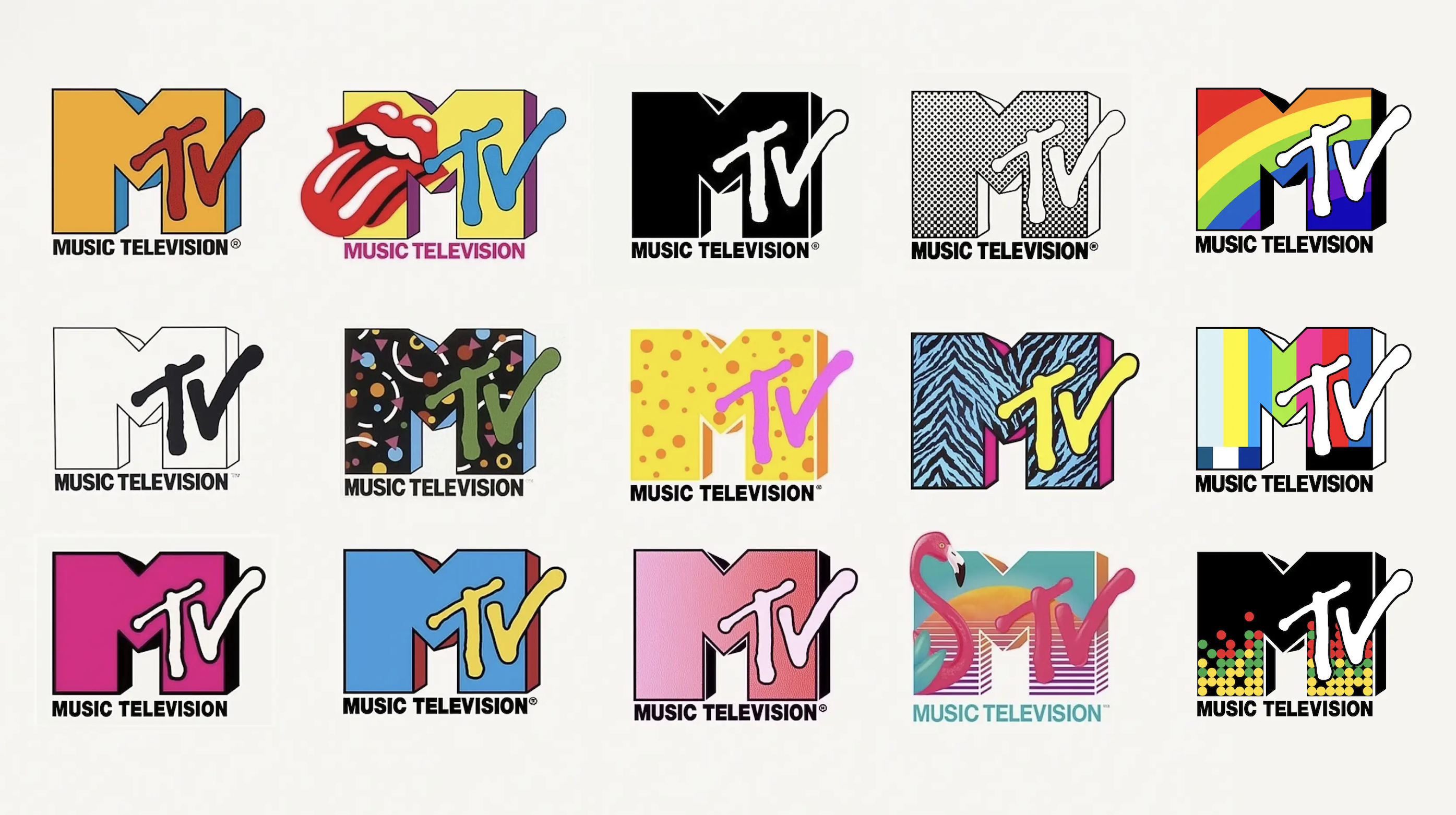
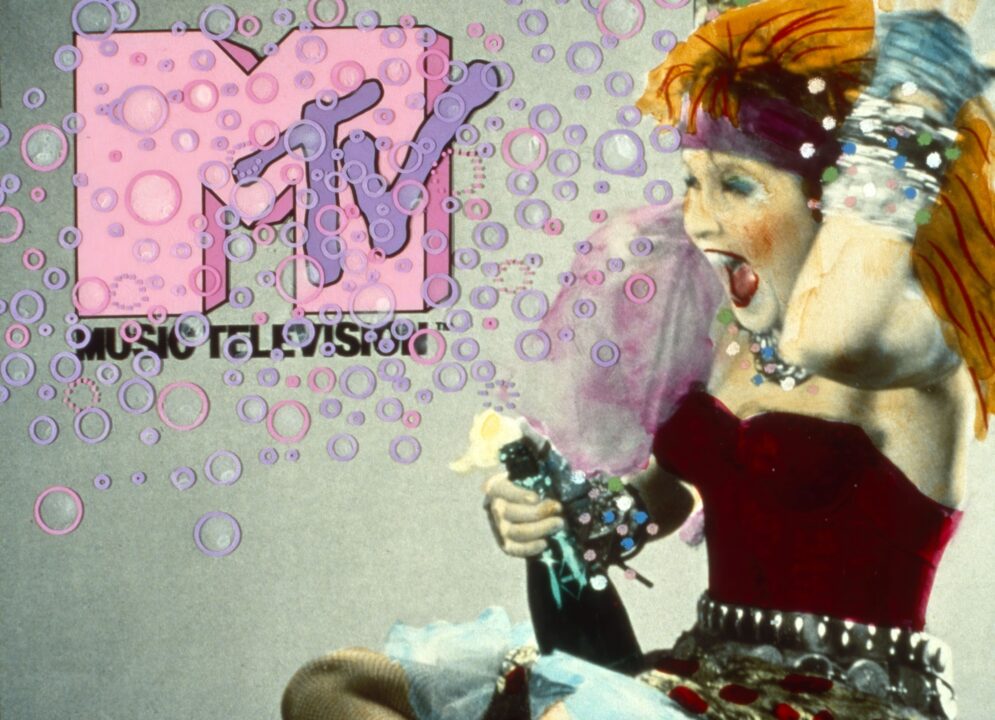
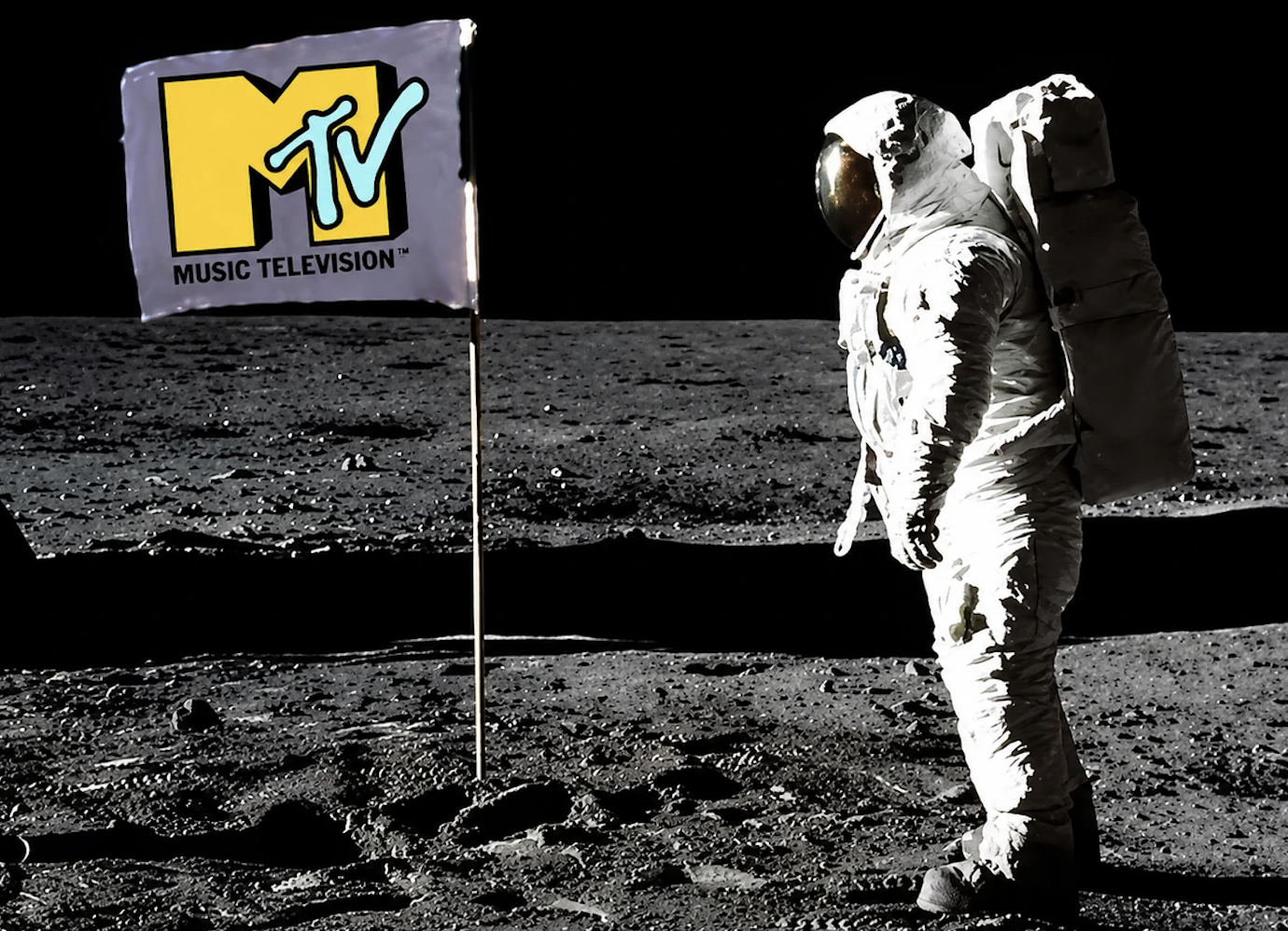
The breakthrough here came when the corporation killed the early direction and Seibert had to commission animation that same day. He remembered Olinsky’s overlays and flipped the whole problem on its head. “I said, why don’t we just use all of them all the time? We’re in television. Television moves. Rock and roll is always changing. Let’s never have one.” The first assignments went to Broadcast Arts, working in stop motion, and Buzzco, working in traditional 2D, with Olinsky’s overlays as the starting point and each studio free to add its own touches. From there, Seibert says, the team realized what they had: “This M is not a logo, it’s a canvas.” The identity matched the medium and the audience, because a music channel that moves, mutates, and surprises people shouldn’t be represented by a fixed, polite symbol.
The strategic payoff was even bigger than the visual one. Seibert noticed a pattern in how designers behave around brands: “Every new designer that came into any corporation, the first thing they suggested is, ‘Can we redesign the logo?’” The MTV approach short-circuited that impulse. “What we realized was we now had a logo that every designer could own without changing the logo.” For brands and creators today, that’s a powerful model. Instead of guarding a single rigid asset, define the few elements that make you recognizable and then invite collaborators, artists, and even fans to play with everything else. It’s an approach that fits a world where audiences expect to remix, react, and take part rather than simply receive.
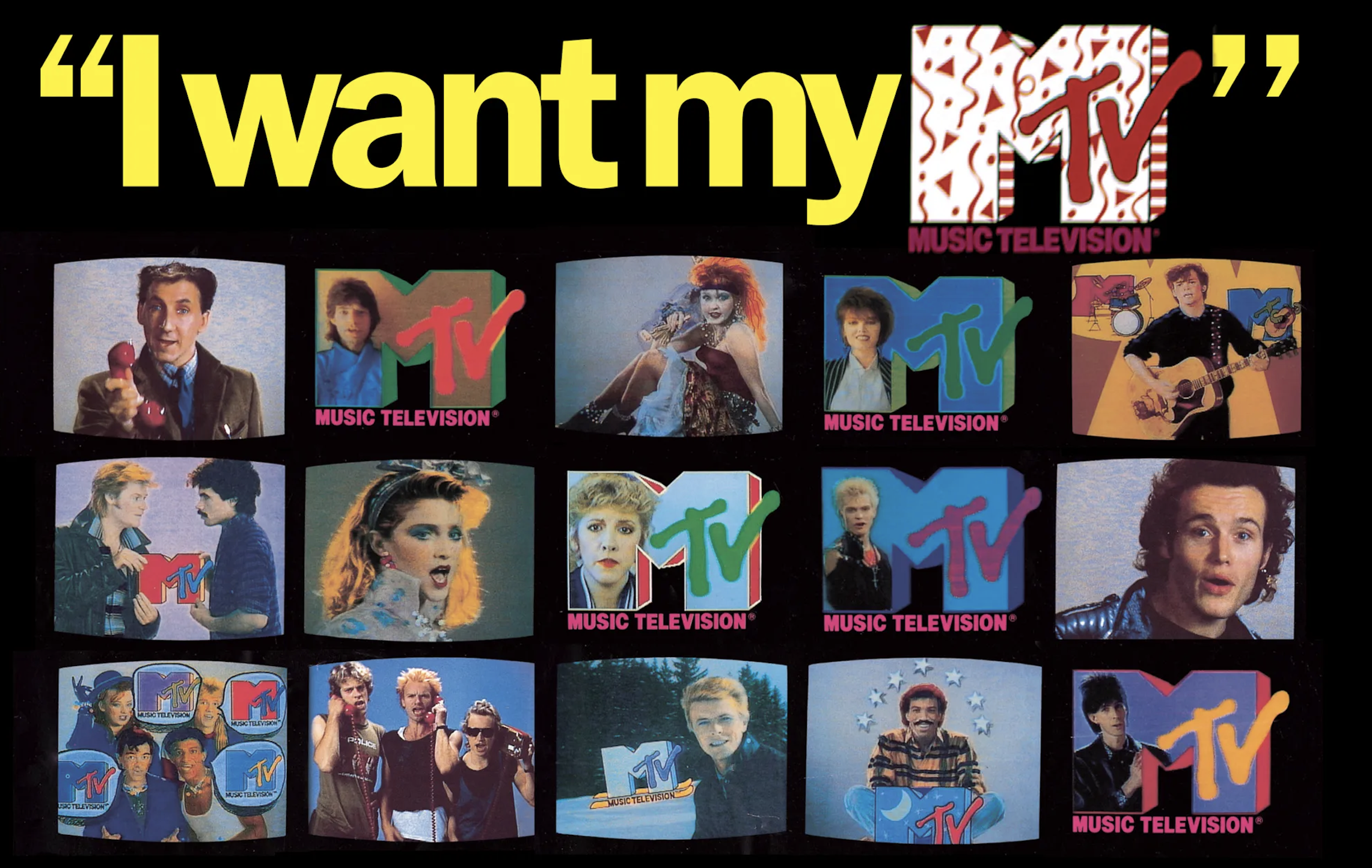
It also helps to remember how risky this looked at the time. When Seibert took the idea to MTV’s advertising agency, Ogilvy & Mather, an account executive ran out of the room and came back with a list titled “Ogilvy’s rules for logos.” Seibert checked off the list as he read and reported the results with a grin: “Oh, look, we broke seven of the rules.” The agency suggested they come up with something new, and he held his ground: “we were… disruptors before the term was used.” Knowing the rules is exactly what let him break them on purpose. The broader lesson is that distinctive work often arrives wearing the label of a mistake. If you’re going to break a rule, understand why it exists, be clear about what you gain by ignoring it, and then be ready to defend the choice to the people who hand you the checklist.
To see this story and more, check out Fred’s episode of Makin’ Toons over on Tongal’s YouTube channel.