By Allan Neuwirth
I’ve written and produced a fair share of kids' television over the years. Upwards of 35 series, mostly animated, and lots of it aimed at preschoolers. Many of them were (and still are) popular, culturally significant shows like Octonauts, Arthur, and Bubble Guppies, so I figured I knew a few things about what goes into the secret sauce. But in a recent conversation with a colleague, I heard a term I’d somehow missed until now:
Play Patterns.
If any of the TV shows I’d worked on had been built on this concept, no one ever communicated it to me. So my first impulse was to dive into some quick research. Turns out that the phrase began with toy companies, which isn’t surprising considering how heavily toys factor into the way little kids play.
Basically, a play pattern is something kids want to do again and again with a toy––which is where the pattern comes in––that a toy brand is aware of and caters to. So it begins with kids opening a toy box. Now what will they do with the toys?
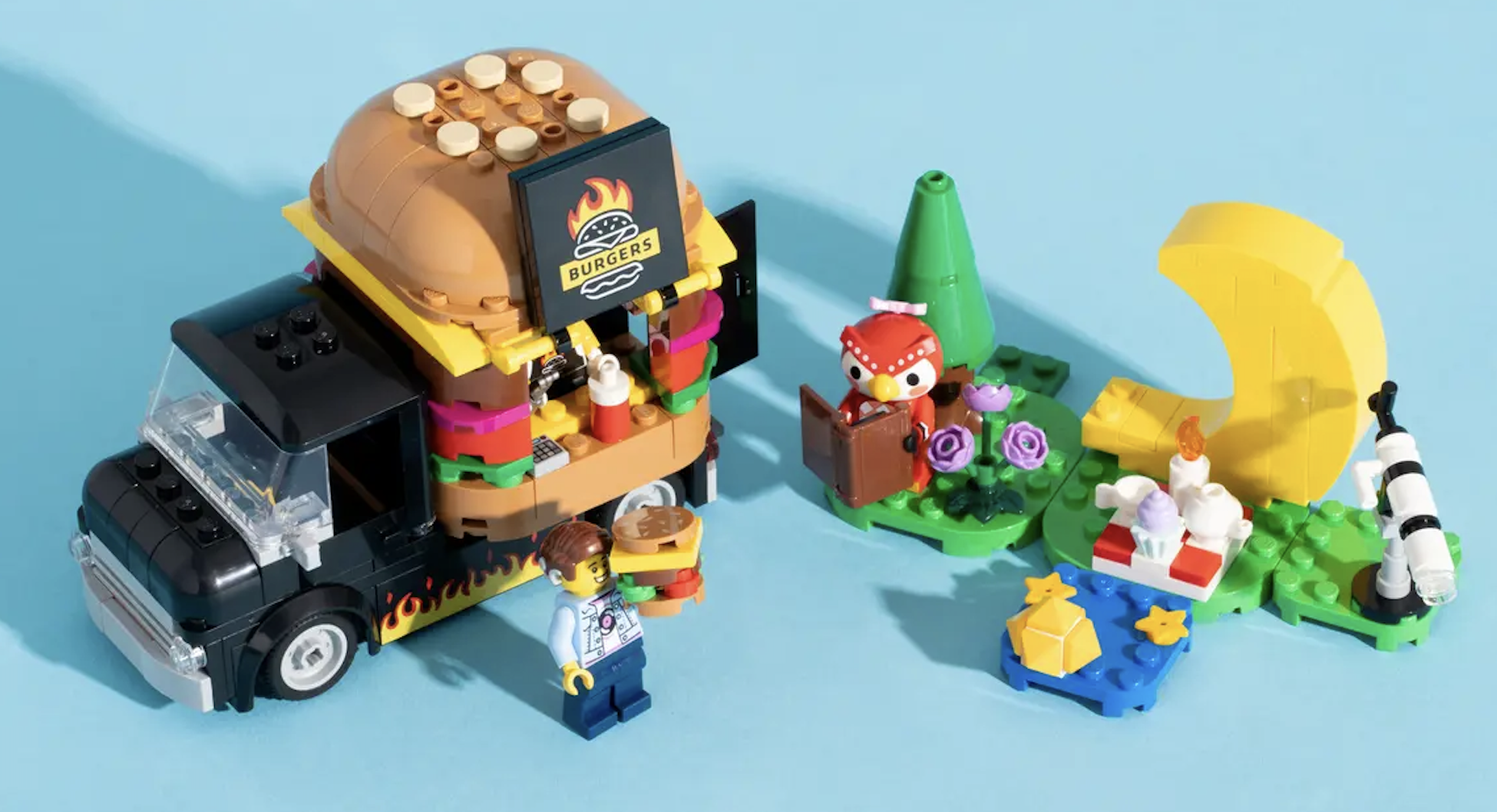
Repetition is a major factor. LEGO is all about building things, pulling them apart, then building something again. Hot Wheels is about racing, crashing, resetting, then racing again. Dolls have always invited the patterns of role-playing and storytelling. Other play patterns can include collecting, nurturing, competing, exploring, customizing, transforming, performing, and solving puzzles. Of course, children don’t always follow the script. As Tongal producer Val T., who also works internally at Hasbro, observes, “Kids have wild imaginations, so they often find new ways to play with toys past the initial intent.”
Which raises the question: how does this factor into the way preschool TV is created?
We’ve gone from wholesome kiddie shows of the 1950s and ‘60s, where gentle hosts like Mister Rogers would inspire us to interact with the TV screen, greeting us directly to camera and asking questions like “Did you remember to brush your teeth this morning?”… and Sesame Street, which taught cognitive curriculum directly to viewers, like learning our alphabet and numbers… to animated shows whose creators—sometimes (but not always) mindful about not depicting dangerous or bad behavior that could be copied by young kids—delighted in creating wildly imaginative comedy and adventure stories designed to excite us or make us laugh as we watched them passively.
Today, however, what preschoolers watch on their screens is being designed with an eye on how they’ll continue playing after the screen is turned off.
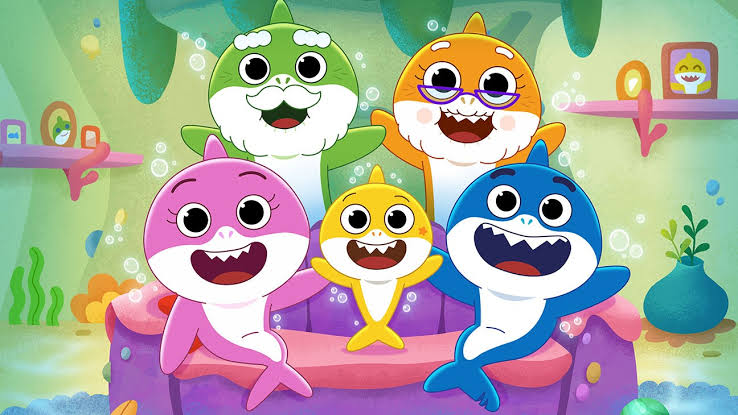
To get a better handle on this, I spoke with the colleague who first dropped the unfamiliar phrase on me: writer/director/producer David B. Levy, now Head of Studio at Pinkfong USA, the folks behind the multimedia Baby Shark and Bebefinn empires.
First of all, are play patterns actually something new?
“I think play patterns have been used by early childhood development specialists for years,” Levy explains. “But it's probably only since the late 1990s that they’ve been used as a guideline for content development. They’re a common and often timeless way that kids play… like building with blocks, Lego, or Minecraft… or nurturing, like playing doctor, playing mom or dad, or mission-based play like teamwork… or just co-operative play with a shared goal.”
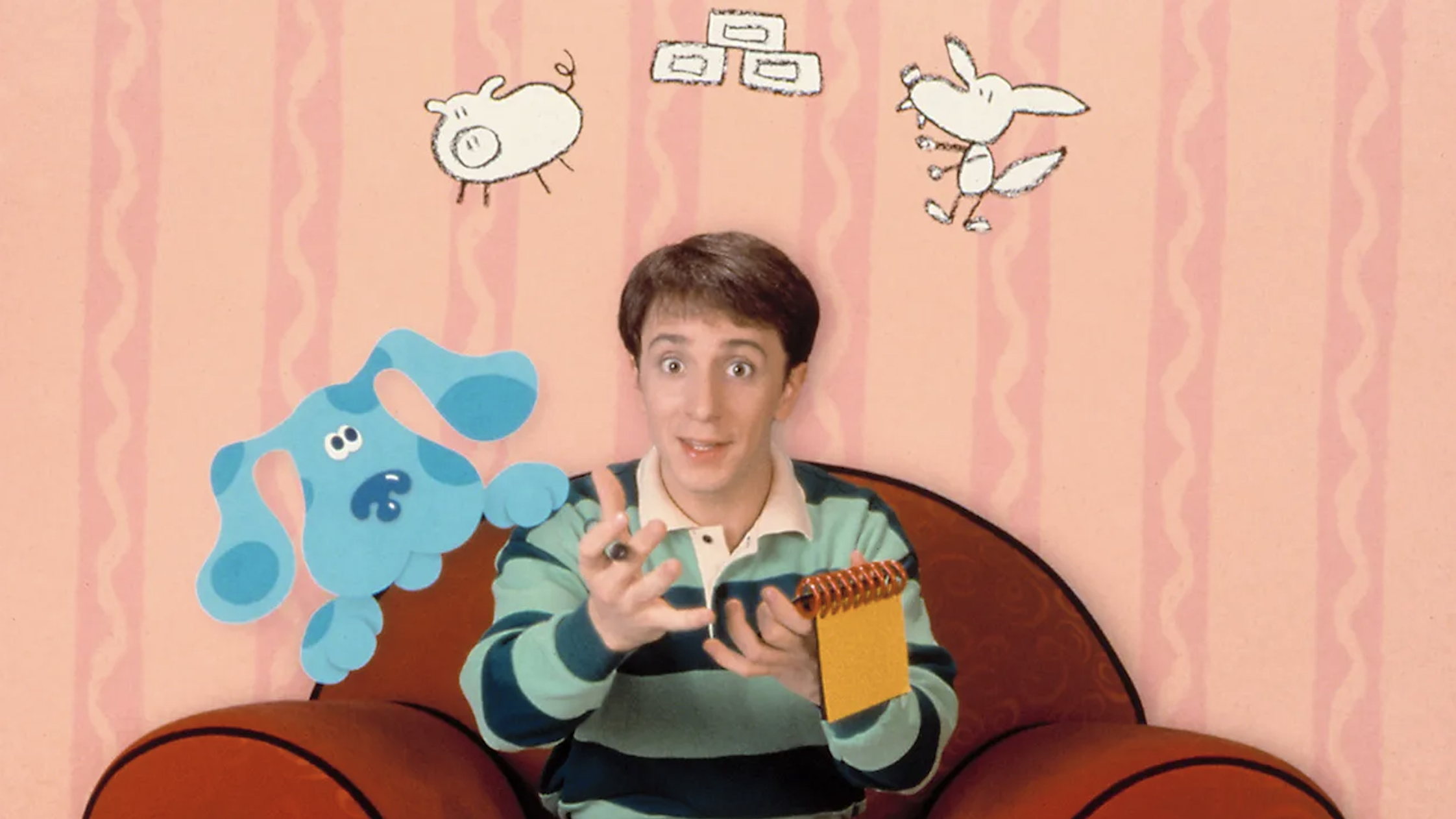
Levy directed many episodes of the groundbreaking Blue’s Clues, which debuted in 1996 and was an early example of the concept being consciously built into preschool programming. “Nick Jr. had expressed their desire to make a preschool show with a ‘game-show’ play pattern, and though Blue's Clues didn't have a scoreboard, or contestants pressing buzzers to compete against each other, finding 3 clues in each episode to figure out what Blue wanted to do has a definite game-show mechanic.”
It was a wild success. Instead of sitting passively, kids actively engaged with the characters’ activities on screen. One of Blue’s innovations was asking questions, then pausing––often with a 4 or 5-second silence––giving kids time to talk back to the screen.
Since Blue's Clues was created by educators and psychologists to teach logic and thinking skills, play patterns were initially mental and interactive: calling back at the screen, hunting around for paw prints, etc. So toy manufacturers ended up reverse-engineering merchandise after the show became a massive hit.
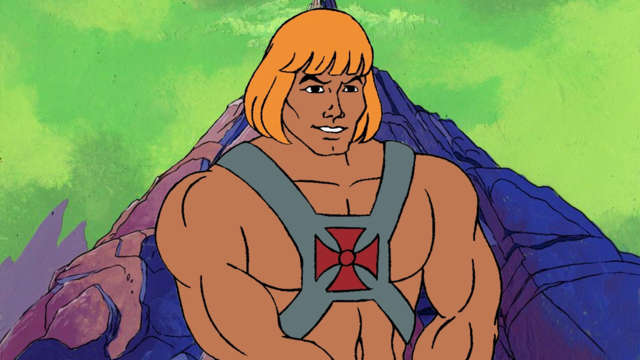
The industry already knew, from some lucrative but pretty terrible animated series of the 1980s (we’re looking at you, He-Man and G.I. Joe) (you too, Care Bears, Pound Puppies and Rainbow Brite), that toy sales meant huge profits. Instead of successful shows inspiring toy lines, toy companies designed the toys first and then hired animation companies to knock off half-hour TV series to serve as commercials for those toys.
Whether the show was actually any good was considerably less important than whether it moved merchandise.
The creatives who cranked out those shows were grateful for the work, but knew they weren’t creating fine art. As animation veteran Tom Sito remembers it, “He-Man was already one of the best-selling toys in America before we even started. The success of the show only heightened its appeal.” When we chatted about this years ago for my book Makin’ Toons, he put it more colorfully. “I called my first house Casa de He-Man,” he chuckled. “I mean, we knew it was junk while we were working on it. But hey, sometimes they want sausage, and sometimes they want pâté!”
So we’ve also come full circle on this––once again it often starts with toys. But now there’s a modern twist: the play pattern must coexist with lovable characters, engaging stories, emotional depth and specific child development goals. What hasn’t changed is that dolls and other branded products remain a major driver of new “toyetic” shows.
“Toys are developed almost in sync with new shows and movies,” Val T. notes.
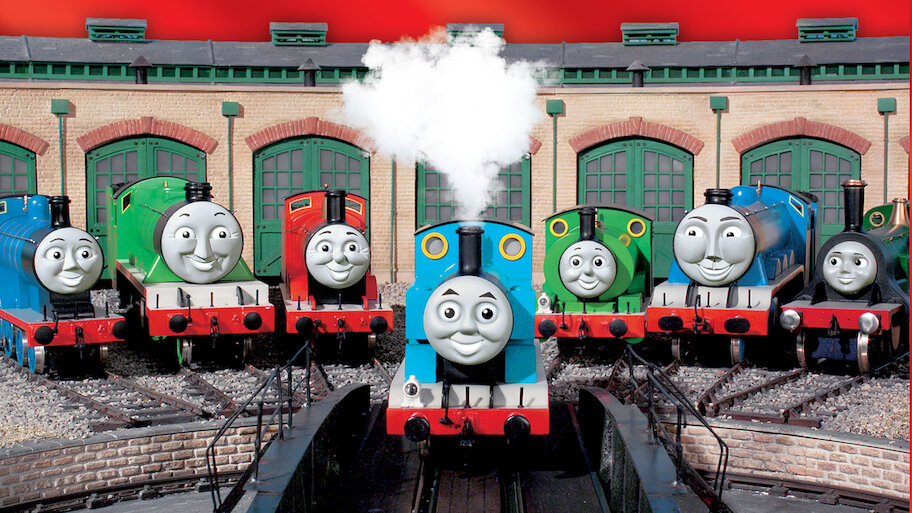
For acclaimed series like Thomas and Friends and PAW Patrol, lucrative sales of consumer products drive the entire franchise. Toys, dolls, and other merch are a colossal, multi-billion-dollar part of the Bluey phenomenon. Barbie dolls have been around forever… but her TV shows and films are now all closely synced to the release of new playsets, new fashion dolls, and fanciful vehicles like Barbie’s DreamCamper, Dream Boat, and iconic pink convertible Corvette. Even My Little Pony, once the epitome of 1980s toy-driven showcases, has now been reimagined in the modern era with complex character growth, deep world-building, and genuinely witty humor. These ain’t your mother’s ponies.
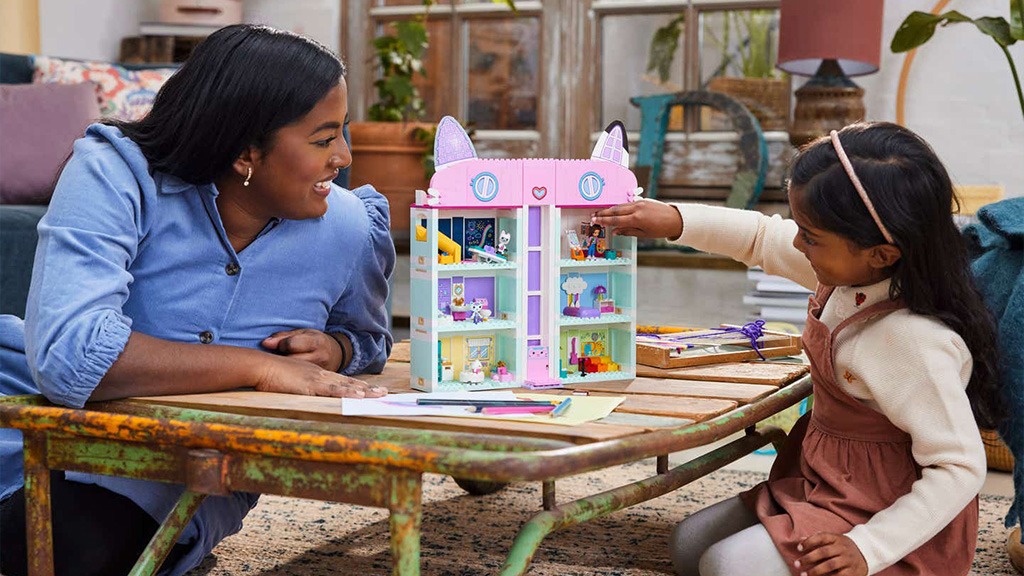
Every episode of Gabby’s Dollhouse, a huge hit on Netflix, revolves around “unboxing a dollhouse delivery” to explore differently-themed rooms. The show directly fuels a wildly successful line of physical dollhouses, figures, and surprise-reveal toys.
“By now most play patterns have been time-tested,” Levy adds, “But new ones have come along as well—like the ‘unboxing’ phenomenon. Gabby's Dollhouse actually used that play pattern to ‘unbox’ each episode's story, even though they already had a play pattern of ‘playing dollhouse’ at the core of the show. So part of the fun is what play patterns can be combined, or what unique element you can bring to the equation.”
I started out curious to know what the hell a “play pattern” is in preschool TV.
Turns out, the answer isn't on the screen. It's what happens after the screen goes dark––when a kid opens a toy box and decides what happens next. The industry has become remarkably adept at studying and monetizing the very thing kids have been doing since the dawn of time: playing!
What Is a Play Pattern? A play pattern is a repeatable behavior people naturally return to, such as building, racing, collecting, role-playing, customizing, exploring, competing, or solving.
Look for the Verbs. Identify what people actually do with the product, whether they build, change, discover, combine, collect, solve, perform, share, compete, explore, customize, or transform.
Find the Repeatable Loop. Play patterns contain behaviors people enjoy repeating, such as build, dismantle, rebuild or race, crash, reset, race again.
Find the Primary Pattern. Identify the behavior at the center of the product experience, then use secondary patterns to uncover more creative possibilities.
Play Takes Many Forms. Play can involve imagination, creativity, social interaction, competition, exploration, collection, performance, problem-solving, customization, collaboration, transformation, and discovery.
Watch What People Actually Do. Study fan communities, comments, reviews, social posts, challenges, and user-generated content to see how people genuinely engage with the product.
Let the Pattern Generate Story. Use the play pattern to inspire plot, character goals, conflict, discovery, progression, interaction, or other parts of the story.
The Pattern Doesn't Have to Carry the Plot. A play pattern can shape a character goal, recurring visual, interaction, editing rhythm, reveal, conflict, or ending without driving the entire story.
Try Combining Patterns. Pair behaviors such as collecting + competition, building + storytelling, exploration + problem-solving, customization + performance, nurturing + role-playing, or creation + collaboration.
Play Patterns Extend Beyond Toys. Sneakers, games, cooking, sports, makeup, cars, hobbies, and other products invite repeatable behaviors that can inspire branded storytelling.
Look for the Story Already Inside. Examine what naturally happens during the behavior, since racing creates rivals and rematches, building creates invention and mistakes, collecting creates searching and scarcity, and customization creates choice and expression.
Keep It Real. A useful play pattern reflects how people genuinely engage with the product while staying achievable, audience-appropriate, responsible to depict, and aligned with the brand.
Inspire Play, Don't Simply Show It. Create a film that leaves viewers wanting to try, build, experiment, customize, create, explore, or play themselves.
Ask What Happens After the Screen Goes Dark. Consider what your audience will want to build, try, customize, explore, share, create, or play after the film ends.
Test the Concept Against the Pattern. Name the repeatable behavior with a clear verb and make sure it belongs to the product, shapes the creative idea, gives you something worth filming, and inspires further play.