
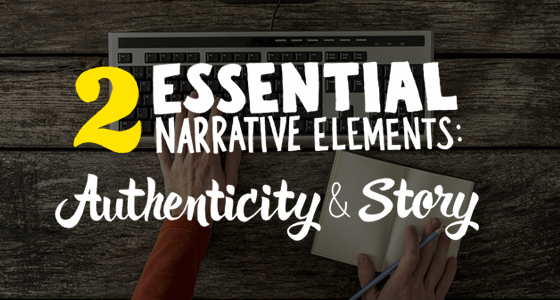
Two key elements that can help make your narrative stand out from the crowd are AUTHENTICITY & STORY.
Every project starts with the latter. What story are you trying to tell?
• “Toys come to life when their owners aren’t around.”
• “An anxious kid with a
• “An aging hippy just wants his rug back, man.”
As you can see, the story element can be anything, as long as you find a compelling spin to hook the viewer.
But in addition to focusing on plot points and twists, remember to also spend time developing your authentic characters and the world in which they live.
Authenticity will help dictate how your characters grow and transform, how your audience relates to your characters, how your story evolves – and it can even help your jokes land:
• How would you (as a Toy) react when your owner is finally ready to give you away?
• How does a bully deal with her affection of a genuinely nice kid behind closed doors?
• How does a 50-year-old stoner react when his adversary won’t just give him his rug back?
- Answer: “F*** it, dude.”
We came across a new animated series called Bluey, created by Brisbane-based Ludo Studio, which definitely caught everyone’s attention at this year’s Asian Animation Summit. Its use of Story & Authenticity helped it cut through the clutter, and we think it might be the next big thing. (UPDATE: The series is in production and is set to release in 2019)
Here’s why: The Story is a preschool show about a family of cattle dogs (simple, unique world). But instead of wacky situations that the dogs might get into, for Authenticity, its creator draws on his own relationship with his kids for inspiration. The organic and heartfelt characters
Keep these important elements in mind when you’re Pitching on any Tongal project, but especially The Next Great Animated Series Project (deadline December 14th, Noon PT).
Try pinning down the movies and shows you’re watching to Story and Authenticity. Let us know your favorites in the comments!