If you’re a filmmaker who grew up chasing light, framing shots, and dreaming of epic scale
beyond the reach of your friends, being aboard the Artemis II would be the absolute ultimate
location shoot. No permits, no lighting control, no second takes, and no coverage. Just you in a
spacecraft circling the Moon with more than thirty cameras rolling, all tasked with capturing one
of the most ambitious journeys in modern history.
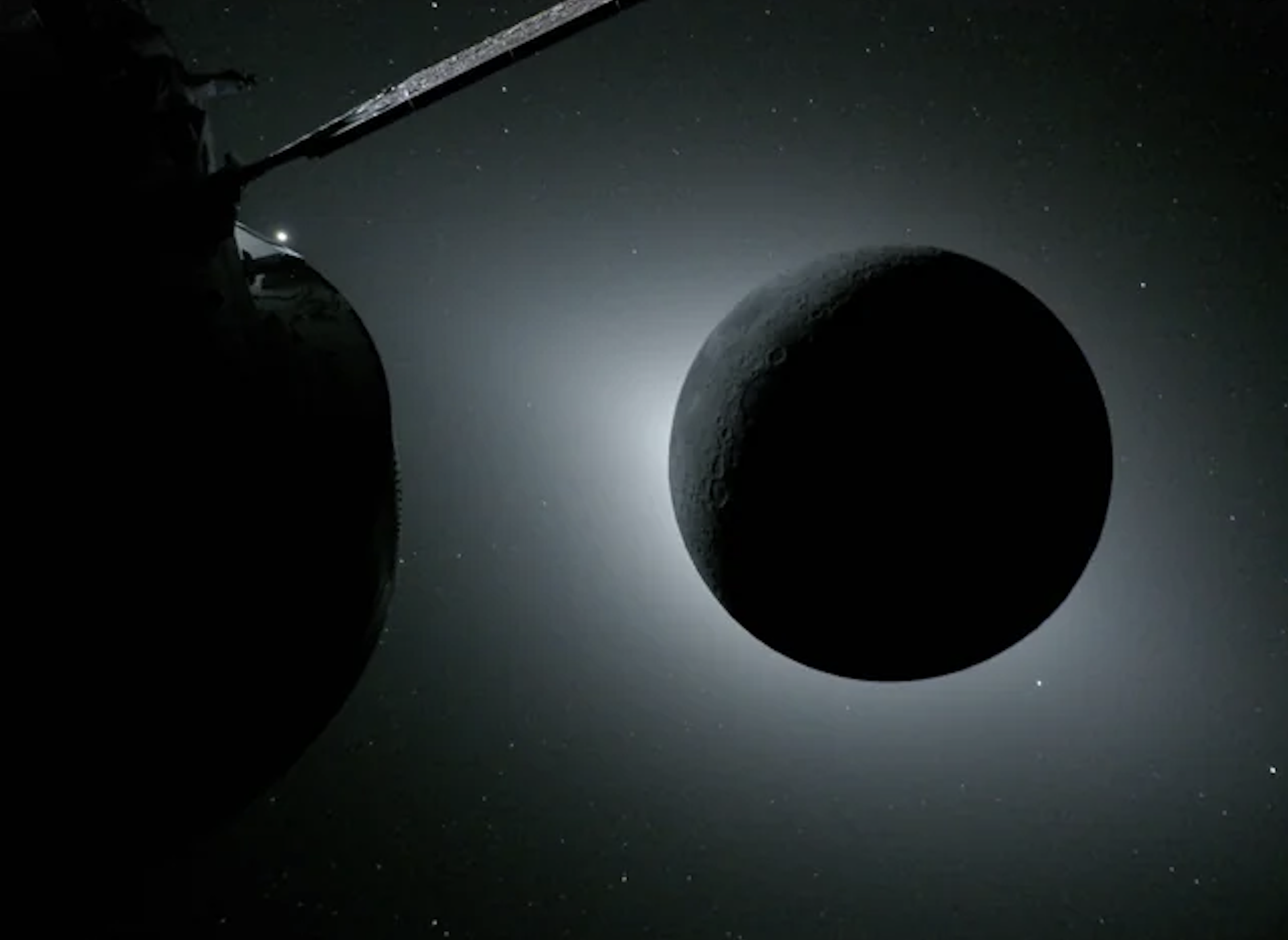
A View From Orion captured with GoPro by NASA
Some of those cameras sit far from human hands. Four modified GoPros are mounted on Orion’s
solar array wings, fixed in place where they can watch the spacecraft in motion, track the curve
of Earth, and follow the long arc toward the Moon. They also serve as inspection tools during
critical phases of the mission, giving engineers visual feedback when it matters most. Yeah,
that’s right, the cameras are keeping the crew safe- no small task. At the same time, they capture
high-resolution imagery that turns the spacecraft into its own self-portrait. Composition and scale
both unfolding in real time and framed by hardware designed for the harshest conditions
imaginable.
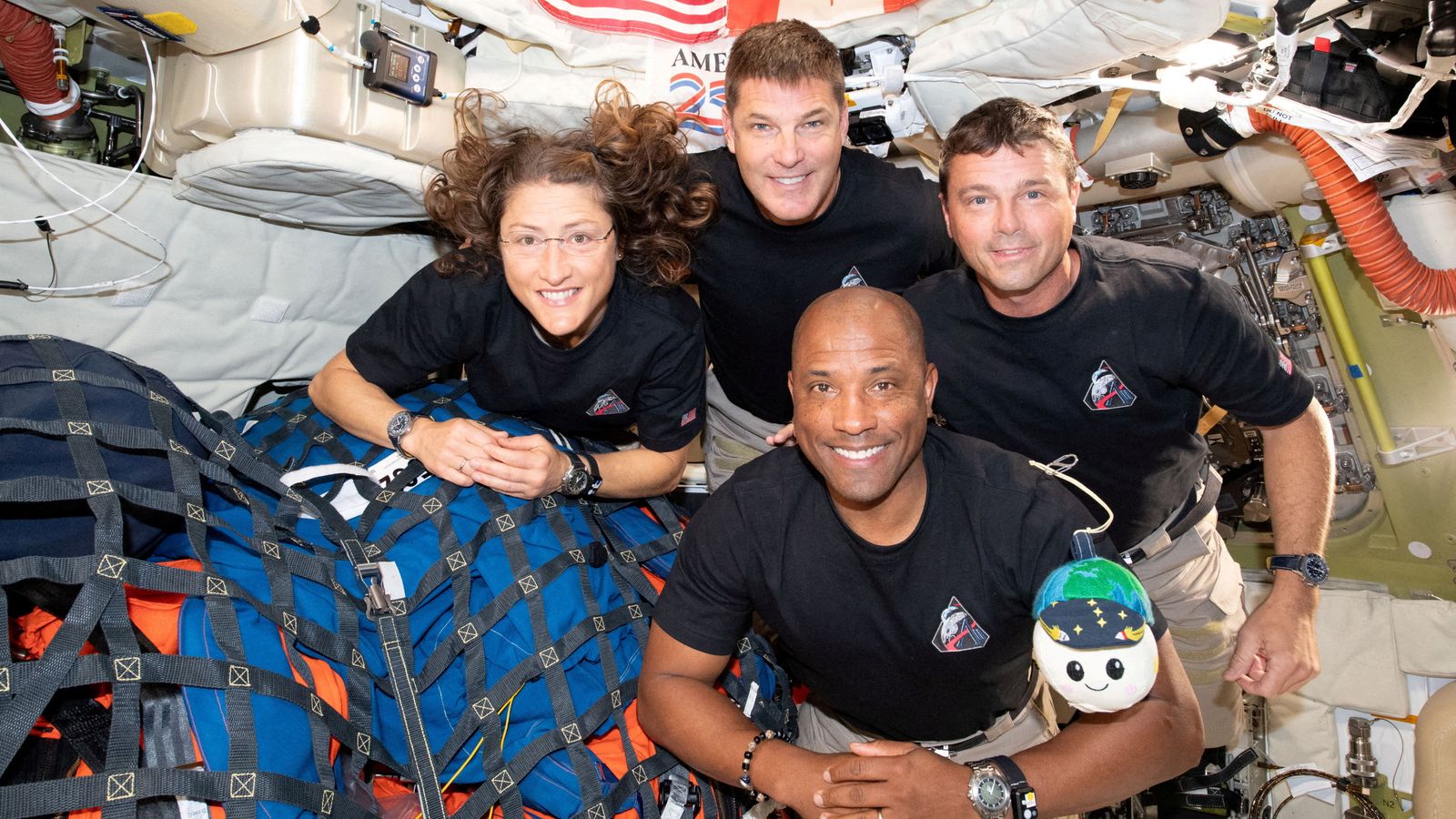
Inside the capsule, the story shifts from machinery to people. National Geographic has equipped
the four astronauts with additional GoPro cameras to document daily life during the mission. For
anyone interested in documentary storytelling, this is where things get really interesting. Floating
meals, small conversations, floating objects, and the strange rhythm of existing in microgravity.
These are moments that would never make a traditional shot list. Instead of a distant and
polished view of spaceflight, this approach invites something closer to a first-person narrative.
Aside from the GoPros, there’s also the broader toolkit the crew carries with them. Seventeen
handheld imaging devices travel alongside the astronauts, giving them control over how they
frame what they see. DSLR cameras, mirrorless systems, smartphones, and long telephoto lenses
all play a role on this mission. Each tool offers a different visual language; wide shots that
capture the scale of space as best as any small device can, tight compositions that isolate Earth
against darkness and spontaneous images taken in seconds.
Every film student knows the myth of the “perfect shot”, and space has one of the most famous
examples ever captured. The Earthrise photograph from Apollo 8 is still one of the most
powerful images in human history; a planet appearing over the horizon of another world. The
Artemis II carries far more advanced cameras, and yet recreating that moment remains incredibly
difficult. The spacecraft will pass around the far side of the Moon only once. The window for
capturing a similar image lasts minutes as lighting conditions shift and distance changes
perspective constantly. The crew must recognize the moment, position themselves, select the
right lens, and capture the image while floating in a confined space.
That challenge is something every filmmaker understands. Gear improves and resolution
sharpens, but the shot still depends on instinct and timing. The ability to see something as it
unfolds and act without hesitation is very human, and no camera system replaces that.
At the same time, Artemis II offers a broader visual story than any single frame they could take
up there. Early images already show Earth in ways that feel unfamiliar. A crescent shape glowing
softly in darkness, the northern and southern lights gorgeously visible together, and even photos
captured on smartphones, add a layer of surreal intimacy. And then of course, there are the
images of the astronauts looking back through Orion’s windows; truly humbling and beautiful,
and full of hope.
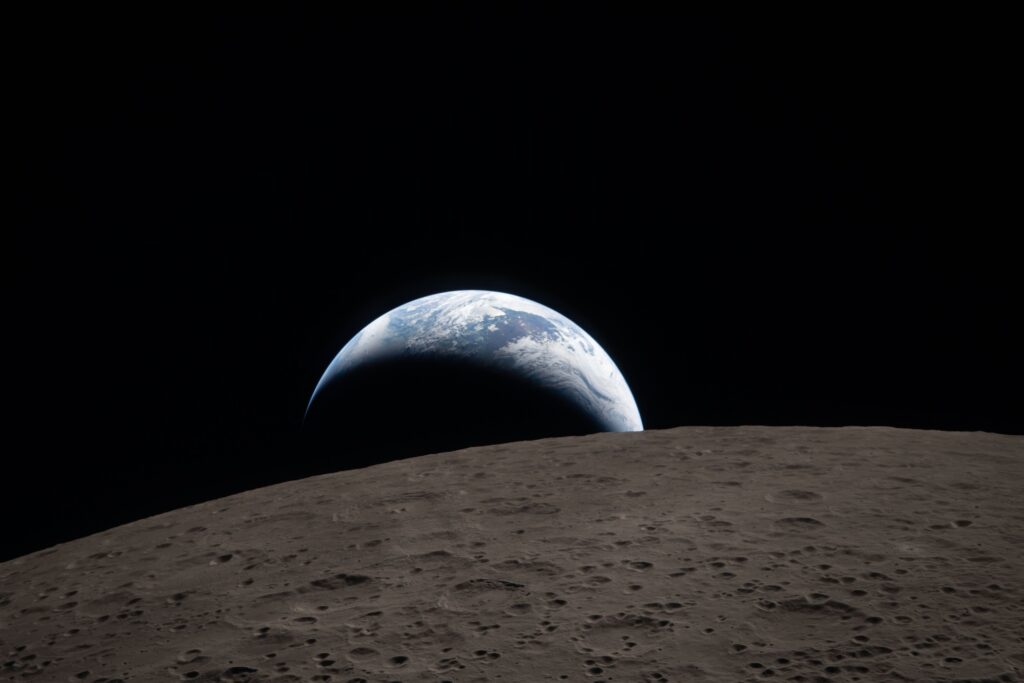
art002e009288 captured with Nikon D5 by NASA
Taken together, all the camera systems aboard Artemis II create a layered approach to
storytelling. The external cameras document structure, motion, and scale while the internal
cameras capture daily life, interaction, and routine. The astronauts’ handheld devices allow for
creative framing and close-up experimentation. Four GoPros mounted outside. Four more inside
with the crew. Seventeen handheld devices moving freely. More than twenty-eight cameras
integrated into the spacecraft itself. Each one adds a piece to the larger narrative, building an
archive that stretches across engineering, filmmaking, and human experience. All these cameras
are taking us on this journey together.
For GoPro, the journey carries is one hell of a full circle moment; a camera built for surfers,
climbers, and adventurers is now traveling more than 240,000 miles away from Earth, operating
in an environment that pushes every single piece of hardware to its limit. Small, rugged systems
designed for extreme conditions now capture one of the most extreme journeys possible. If it’s
good enough for the astronauts in space, its good enough for you. #NotAnOfficialEndorsement
Creators, this mission offers us all a reminder that cuts through every piece of gear, every
workflow, every new tool; the camera matters, but the image always comes down to a person
making a decision. Someone has to look. Someone has to recognize the moment. Someone has to
hit record.
Filmmakers are working with the world's biggest brands on Tongal.