

If you’re having a conversation about Stop Motion, you’ll notice a specific moment somewhere in that process, and it sneaks into almost every stop motion conversation. Someone leans back, squints a little, and says, “We love it… but it’s probably expensive, right?” And just like that, the idea politely excuses itself and leaves the room; no drama, no argument, just filed away under maybe someday when we’re fancy.
Which is a bit unfair to stop motion.
Because it doesn’t fall apart on cost nearly as often as it falls apart on confusion about what it actually involves and the time it would take. Stop motion isn’t wildly expensive, and as long as it’s planned out well enough, it can actually be affordable. Let’s talk about how.
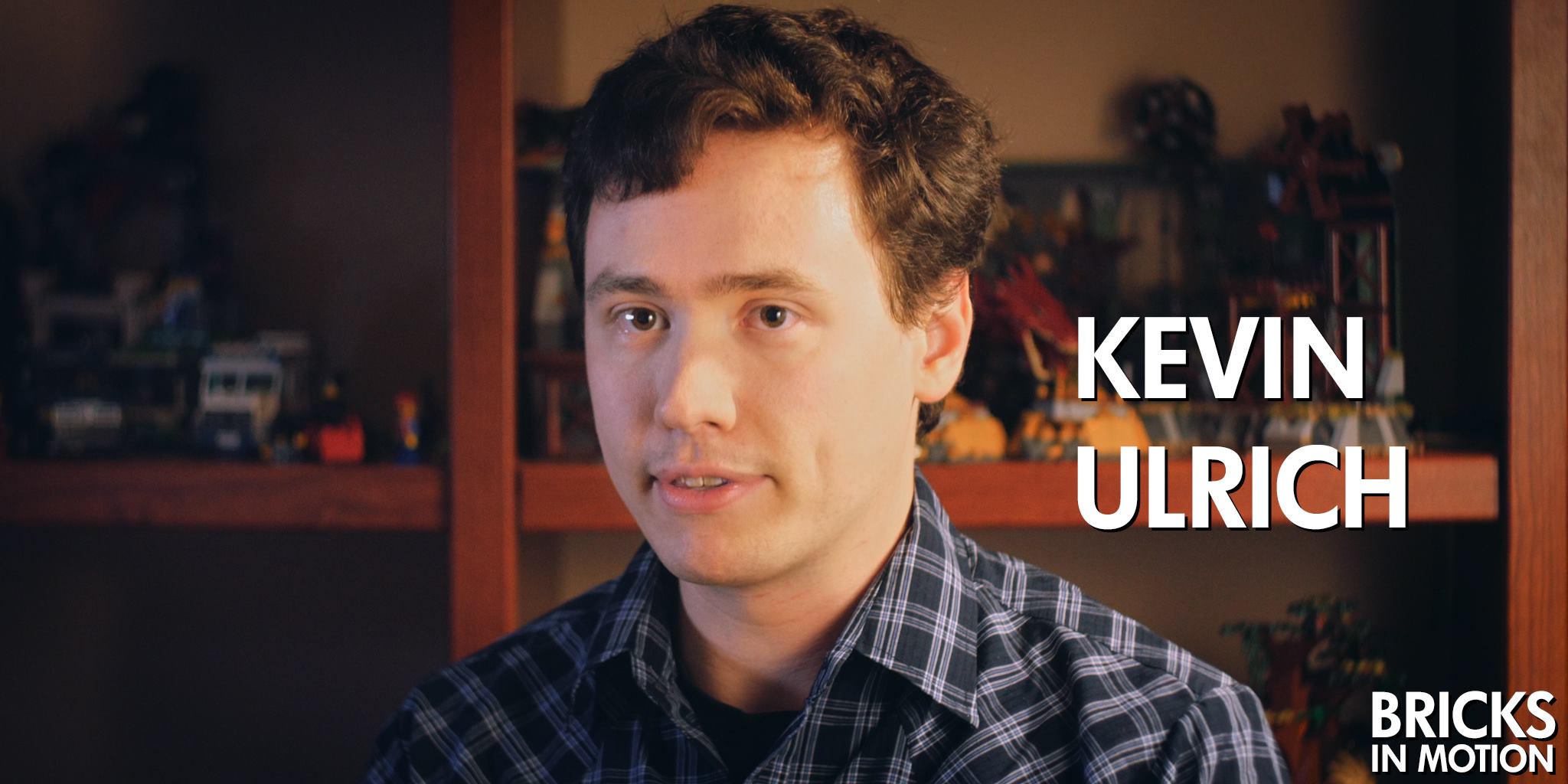
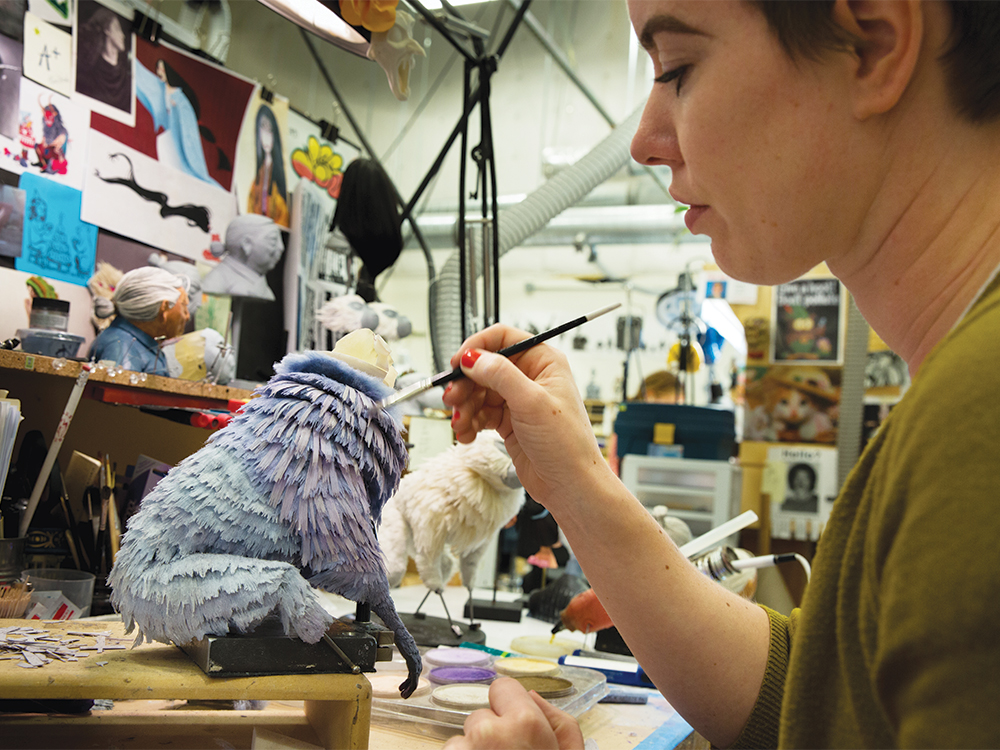
Part of the confusion comes from how approachable it looks. As Tongal Creator & Stop Motion Animator Kevin Ulrich explains, “Stop Motion has a certain charm and magic unique among animation styles. This is because it is the easiest form of animation to understand for a normie.” That accessibility does something important. People understand what they’re seeing in a way they don’t with most digital animation. “If you try to explain computer animation… they will completely glaze over,” he says, but with stop motion, the logic clicks instantly. “Take a picture, move your object, take a picture.” That clarity creates something rare between the creator and the client: near-instant respect. “They immediately appreciate the time and dedication necessary to bring a stop motion project to life.” Which is why, when it shows up in a feed, it’s received differently. “They are far more likely to appreciate the artistry than if they see any other kind of video.”
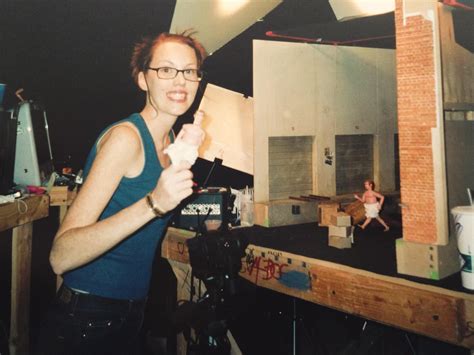
But that same simplicity creates a trap. It looks easy, so people assume it’s fast. Or cheap. Or both. And that’s where expectations drift away from reality. As Tongal Creator & Stop Motion Animator Sarah de Guademar says, “When it comes to budget, this is a tricky one because there are clients out there that just assume stop motion is really expensive and that isn't true.” The issue isn’t that it always costs more; it’s that it operates differently. “It can't be shot in an hour like a live action video. The animation itself can take days, so the budget should reflect that.”
And this is where most of the hiring conversations fall apart. People usually want a number before they understand the scope (and that also extends to live action shoots, as we’re sure you all already know). “I get a lot of people that just ask ‘what's your rate?’” she says. “There's no solid answer to that because there are a lot of factors that need to be known first.” Stop motion is a spectrum. “Is this character animation or is it just objects sliding around? Is there lip sync? Do I need to build a set?” Each decision shifts the timeline, labor, and cost. “Stop motion is an umbrella term… so the cost is going to vary.”
This is also where a broader hiring mistake can happen. People jump straight to who they’re hiring before they’ve defined what they need. Freelancers, studios, and collectives all operate differently from each other. Freelancers often cost less and work well for focused, one-off projects, while studios bring teams, infrastructure, and higher price tags suited for larger-scale work. The wrong choice here affects cost and how smoothly the entire project runs. A single animator might deliver something beautiful but struggle to scale in quantity or length within a certain timeline. A studio might deliver scale but add layers (and budget) you didn’t actually need. It’s also important to highlight something we’ve seen from experience; most wasted budgets don’t come from bad talent, they come from mismatched structure. You’re not hiring someone who’s work you don’t like and respect, after all.
Which brings everything back to one place: clarity/planning.
Not just “we want stop motion,” but what kind, how complex, and why. Because the biggest budget killer here is indecision. “It is really important that the client is aware of how crucial the pre-production stage is for stop motion,” Sarah says. “In live action and CG you can change things easily, but re-shooting a stop motion shot is a big deal.” Once you start animating, you’re locked into physical movement, frame by frame. There’s no easy undo. “We need to lock in on exactly what the client likes before shooting. There should be more notes during the animatic phase than during post.”
And yet, inside those constraints, there’s a creative advantage most brands miss. “There’s always a way to make pretty much anything happen in stop motion,” she says. That’s where the shift happens from trying to scale up to learning how to design smart. You don’t need more complexity to create impact. A strong idea, executed intentionally, carries further than an overbuilt concept. “It’s so much more fun to come up with a wild idea and translate it into stop motion… because it feels more impressive to the viewer (especially in the age of AI).”
There’s another assumption that quietly sneaks into these conversations—where great stop motion comes from. People tend to think it lives in a few specific places, like it’s geographically locked. But that’s not really how it works.

As Animation Producer Allan Neuwirth puts it, “Because there are terrific stop motion animators all over the place, not just Oregon (though that is where everyone seems to go thanks to Laika). If I was looking for a stop motion animator here in NYC, I would reach out to the local film schools and check out current students and grads. I would also search the web. But these are obvious answers. The truth is that there’s a migration to Portland.”
That mix is really important. Yes, there are hubs. Yes, there are talent clusters. But the idea that you have to go there to find great work is where things get limiting. The reality is much more useful—strong stop motion artists are everywhere, and often easier to work with (and budget for) when you know how to find them.
That’s the real knowledge point here. Stop motion doesn’t win when it wins because it’s cheaper, It wins because it feels made. And when you understand how to hire for it; how to match idea, scope, and structure, you stop wasting budget and start using it with precision.
Which is also why sourcing matters as much as the concept itself. If you’re not sure where to start, Tongal’s network includes stop motion animators across styles, scopes, and price ranges, and you can reach out to community@tongal.com to skip the trial-and-error phase entirely.

Tips for Hiring a Stop Motion Animator (Without Wasting Budget)
1. Define the type of stop motion upfront
Object, character, cutout, product - each one changes scope, time, and cost.
2. Don’t ask for a “rate”, just describe the project
Animators need context to price accurately. Vagueness leads to bad estimates. Be as specific as possible, even if you feel like it might be too much detail (it’s not).
3. Decide early: freelancer or studio
Freelancers work well for focused, smaller projects; studios handle scale but cost more.
4. Match the team to the project, not the ambition
Don’t hire a full studio for something a single animator can handle, or vice versa. In fact, if you’re unsure which you need, start with the single animator and they’ll tell you if they can do it themselves or need to bring on additional talent.
5. Lock creative before production starts
Remember that changes in stop motion aren’t “tweaks”, they’re rebuilds.
6. Invest heavily in pre-production
Storyboards and animatics are where you save money, and find clever new ideas, and even possible solutions for problems that haven’t presented themselves yet. Spend extra time here, so you don’t have to spend extra money later.
7. Design the idea around your budget and include your animator.
A clever concept beats an overcomplicated execution every time. Including your animator in that process will always deliver better results.
8. Understand the time reality of animation
Even simple motion takes hours or days, so plan accordingly.
9. Review portfolios for style and consistency
You’re not just hiring skill, you’re also hiring someone can delivery quality repeatedly.
10. Treat the animator like a creative partner throughout the process.
The best ones execute, and help shape the idea into something truly achievable and memorable.