Knights of Guinevere by GLITCH
In the past decade, the landscape of animation has dramatically expanded beyond the exclusive purview of major studios, thanks in large part, of course, to independent funding models and wildly successful crowdfunding platforms (you know them, you love them; GoFundMe, Kickstarter, IndieGoGo, etc). Projects like Knights of Guinevere are fantastic examples of how motivated and passionate creators can build and sustain ambitious animated worlds by leaning on community support and direct audience engagement rather than waiting for corporate greenlights.
By releasing pilot content on platforms such as YouTube, creators can generate excitement, prove concept viability, and cultivate an invested fanbase that can later translate into merchandise sales, Patreon support, or other forms of direct monetization. This bottom-up model not only democratizes access to animation production but also gives creators greater control over their intellectual property and creative vision.
The shift toward creator-driven ecosystems is also reflected in how Tongal is approaching the development of animated IP. With the recent announcement of adapting the cult football video game Tecmo Bowl into a film, Tongal is demonstrating how legacy properties can be reimagined through a community-powered, creator-first pipeline. Instead of relying solely on traditional studio systems, this approach invites a diverse range of voices to help shape the storytelling, visual identity, and tone of a project from the ground up. In doing so, Tongal builds new creative momentum around the property, signaling a future where even established IP can be revitalized through collaborative, digitally native production models.
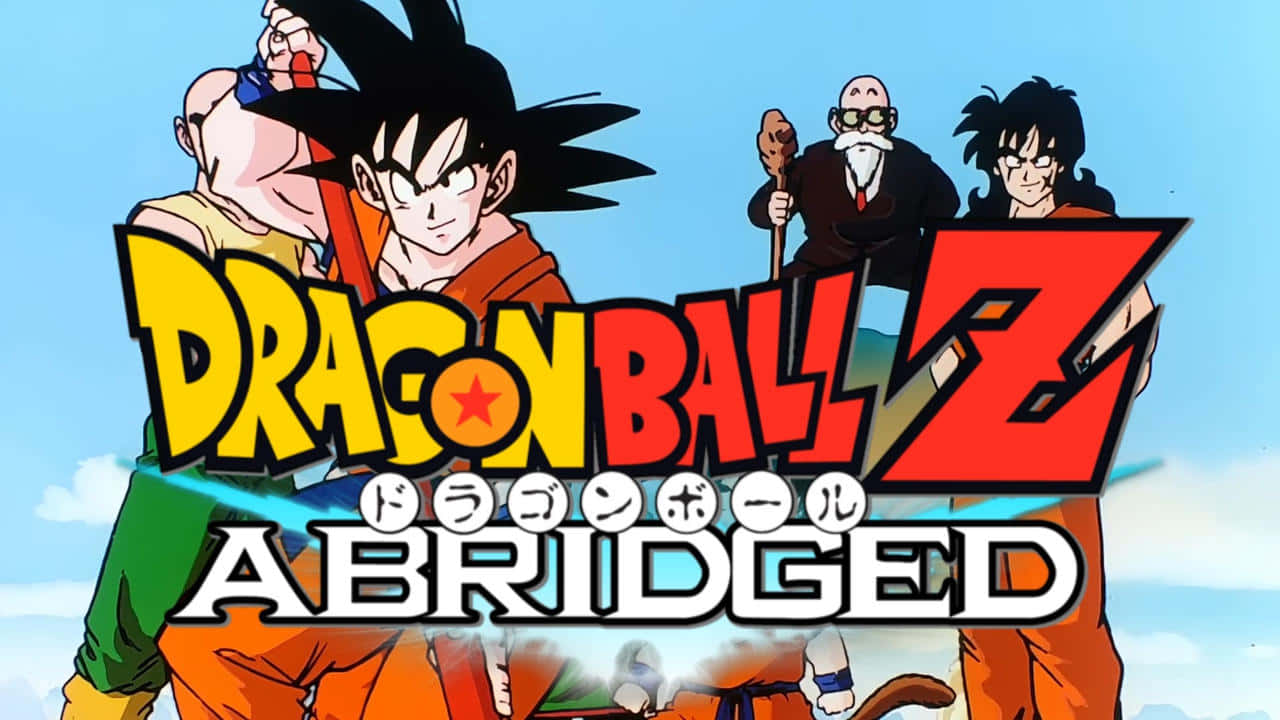
Dragon Ball Z Abridged by TeamFourStar
One of the most prominent early examples of this trend is TeamFourStar’s Dragon Ball Z Abridged, a fan-made parody series that built its success through YouTube views and later monetized through Patreon and merchandise. Though rooted in parody and not an original IP, DBZ Abridged showed that there was massive demand for creative reinterpretations and that funding models based on direct fan support could sustain years of production. While legal complications eventually limited its long-term monetization, the series remains a case study in how community enthusiasm fuels independent animation projects and how creators can utilize platforms outside of traditional distribution.
And then, of course, there’s the most outstanding example; Polygon Pictures’ serialized RWBY, initially released independently on YouTube by Rooster Teeth (may it live forever). Its success spawned international licensing deals, a dedicated fanbase, and eventually partnerships with major distributors. Although RWBY benefitted from an existing production company structure, its growth arc (beginning as a web-first series and scaling to global audiences) mirrors how modern creators can run grassroots campaigns that outgrow their beginnings.
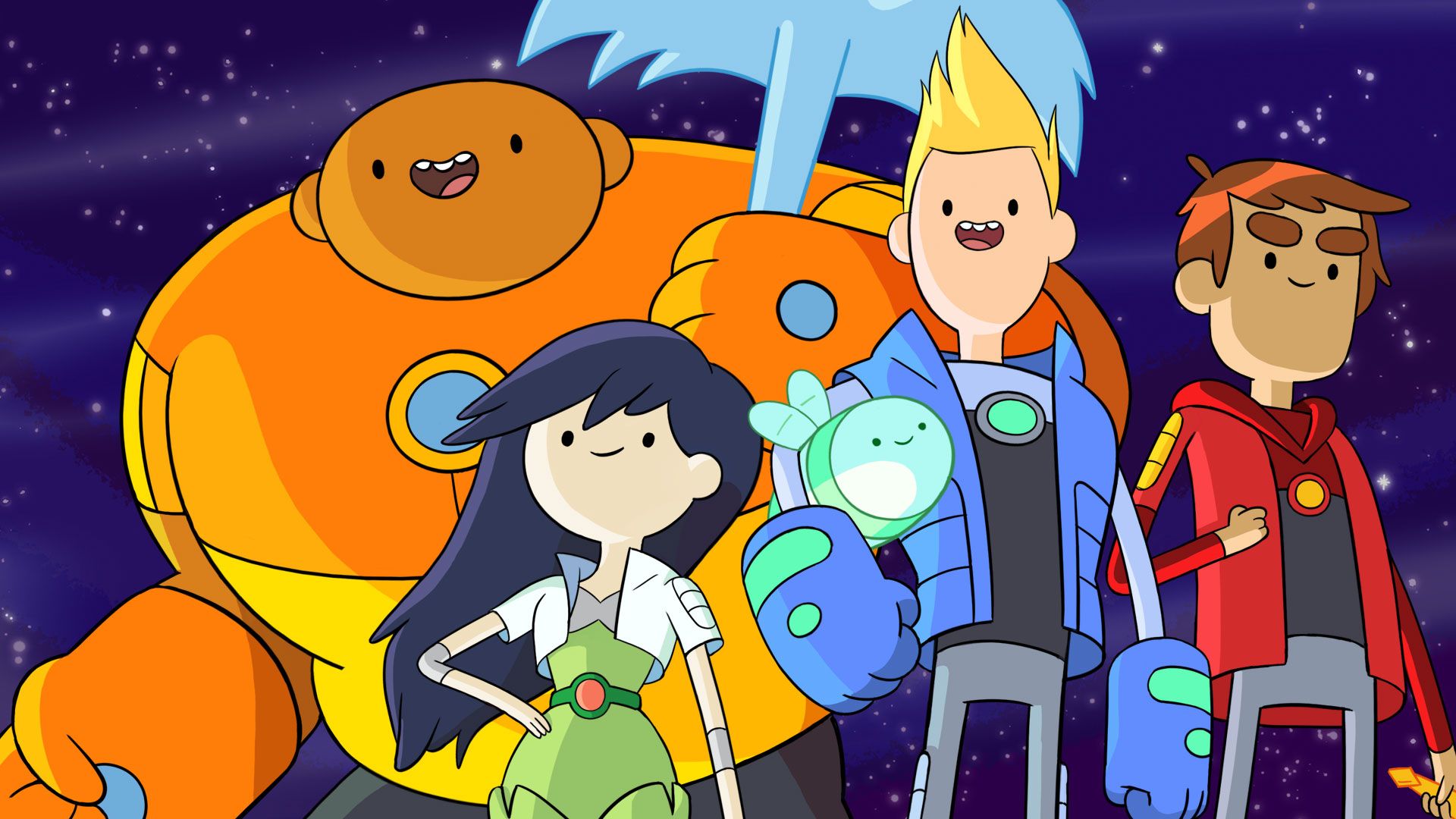
Bravest Warriors by Pendleton Ward
Hood Animation’s Bravest Warriors, created by Pendleton Ward and supported through a combination of Kickstarter-style sponsorships and YouTube release, showcased the appetite for original, creator-driven cartoons that break from traditional TV norms.
Crowdfunding platforms themselves have yielded success stories as well. Zach Hadel and Chris O’Neill’s Hellbenders campaign mobilized thousands of fans to fund pilot episodes, showcasing how a clear creative voice paired with fan engagement can generate tangible financial backing before a project ever reaches a network.
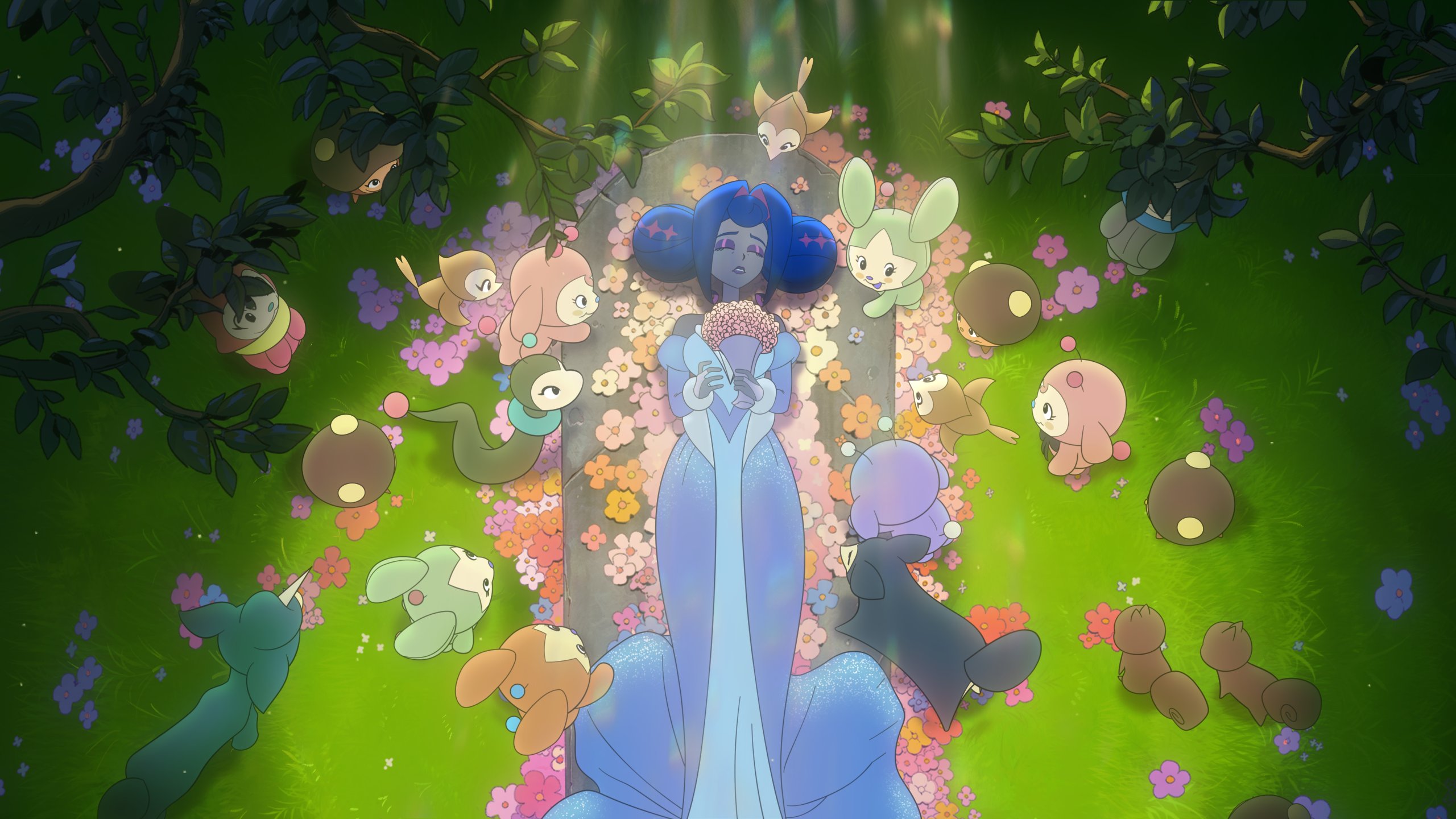
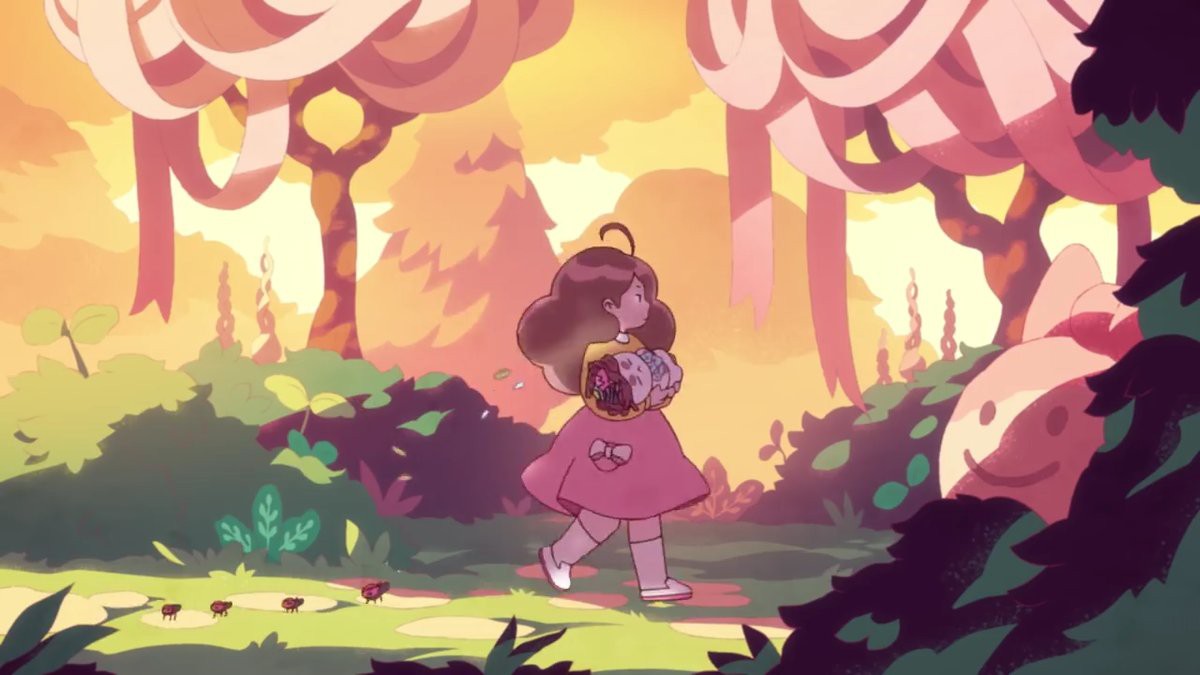 Bee and PuppyCat by Cartoon Hangover
And then of course, the wonderfully charming. animated anthology Bee and PuppyCat raised over $872,000 on Kickstarter (far exceeding its initial goal, check it out now on Netflix) demonstrating that strong IP and a passionate community can transform crowdfunding into a viable financing model for original animation.
These examples underscore a shift in creator economics: when audiences feel ownership and connection, they’re willing to help finance the art they love. What unites these projects (from Knights of Guinevere to Bee and PuppyCat) is a shift in power away from gatekeepers toward audiences who directly value and invest in creative work. Independent and crowdfunded animation thrives on transparency, frequent community engagement, and rewarding supporters with exclusive content or participatory perks. For creators, this model offers both creative autonomy and financial agency; for audiences, it provides a sense of participation in a project’s success rather than passive consumption.
As digital platforms and monetization tools continue to evolve (from Patreon subscriptions to merchandise integration and direct fan clubs) the potential for independently financed animation only grows. In the end, these success stories point to a fundamental change in how animated work can be produced and supported. No longer confined to network schedules and executive approval, animation can now emerge from communities where creators and fans collaborate directly. Projects like Knights of Guinevere are part of a broader renaissance in independent animation, one in which funding comes from belief in the work itself rather than traditional industry backing and where the most powerful currency isn’t corporate checks, but rather audience engagement, loyalty, and shared creative investment across a fan community; something every Tongal Creator can easily related to.
Filmmakers are working with the world's biggest brands on Tongal.