
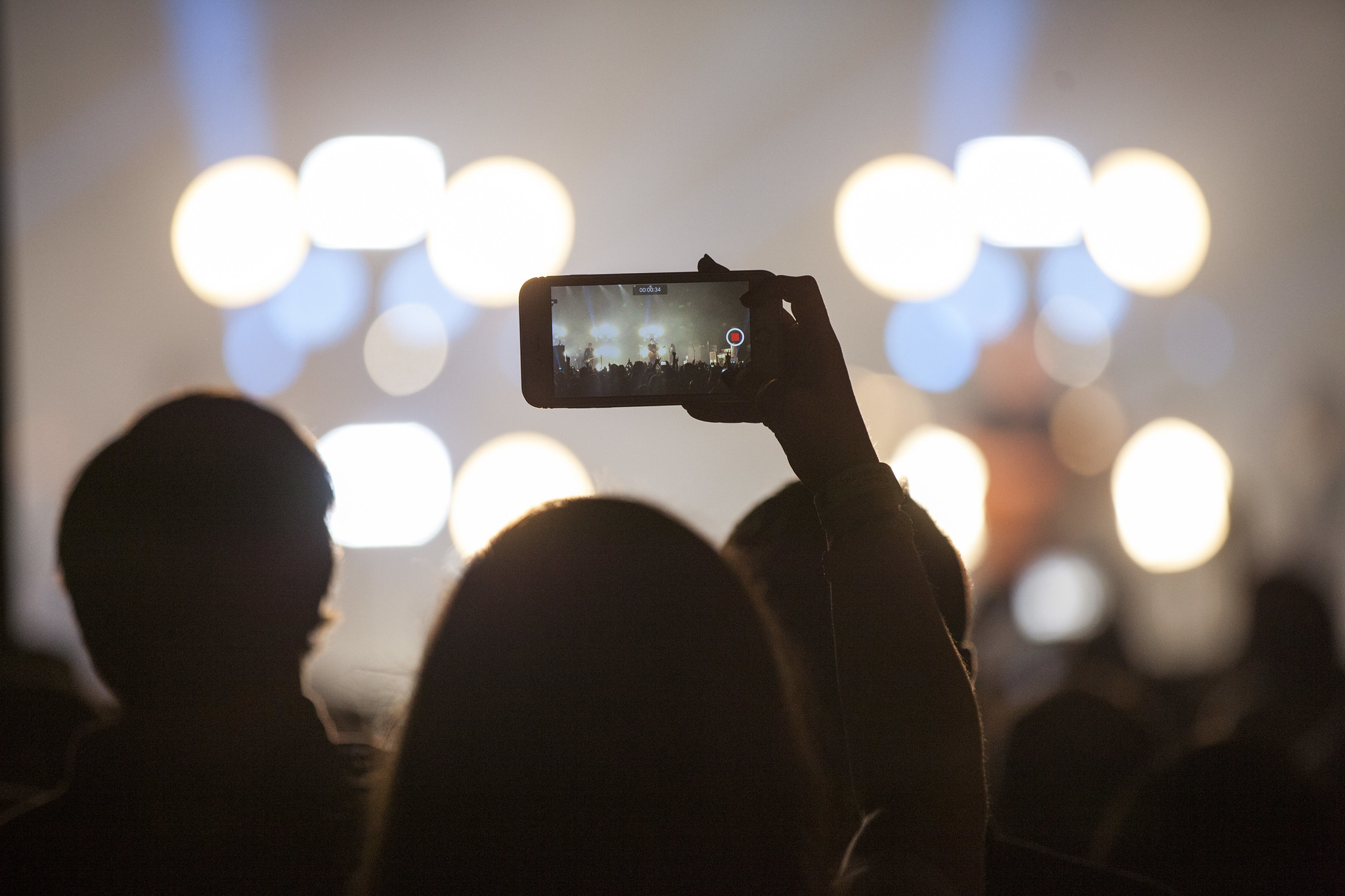
Third Eye Blind at The Criterion by Nathan Poppe
Everybody who loves Bridgerton often feels attached to the sex and the gossip, but perhaps there is something more sociological that’s happening. Between the plot full of steamy gossip, we can observe and detach ourselves from the “she said what?” or “he did WHO?”. It’s the same itch that gets scratched when we watch shows like Gossip Girl, Euphoria, and Degrassi. All of these shows have some sort of power dynamic that revolves around a social circle, some sort of socialite group, regardless of time period. Now, the concept of the socialite has not died, but has simply become something else: the In-Person Influencer. They aren’t in powdered wigs or hoop skirts, holding a fan to their face. I won’t even say it's the online influencer that has replaced the socialite, rather I do believe that the person who is most influential is the in-person influencer, a novel breed of socialite that maintains social status through community support, authenticity, and in-person presence.
The in-person influencer is somebody who is involved in their community in whichever way they define that. They might live in a city and spend their time at the same coffee shop, the same night clubs, or some other consistent routine that is more than monetary transaction. And with this idea of community support, I put forth the idea that this type of novel socialite is the one who, remaining true to themselves, has different groups they seem to effortlessly, almost effectively, drift between. Their opinions are asked for, their input cherished, and their presence noticeably missed when they are absent. In other words, the in-person influencer is one that supports not only one community, but multiple.

It is this type of impactful person that sees themselves not as fake, but as gems; simply twisting themselves and shining different facets to different people. It is the girl who gets drinks with coworkers at a local bar and later smokes a bowl with her roommates to watch Smiling Friends, texting her other friend on which shoes she should get. It is the gay student that involves themselves on campus and then gossips with viperous twinks at their local bar, all the while going to support the university theater show their friend is in. Both of these instances position these people as dynamic, as on and off screen, and supportive of the three communities of people they identify with.
I am certain that this is somebody that is so present, so screenless, that the simple act of being influences you. The impact of an in person conversation must not be undervalued, since people are not going to scroll away from a conversation. One that, I may add, is completely and utterly one sided when on a screen.
When you think about WHO is more influential, is it the influencer telling you the pink perfume bottle they are waving smells like heaven, or the same, tropical perfume radiating from your friend who feels like a vacation to talk to? And not simply in fragrance, but movies, books, restaurants, and other choices we make can be strongly influenced much more solidly.
And yes, I will draw the connection that influencers, in some capacity, must have influence in their respective online audiences. I would be ignorant and remiss in not acknowledging that. It should be noted that both in person and online influencers recognize the central currency: time. The difference is, the online influencer leverages the time and attention of others, whereas in person influencers give their time to others as a form of support. This modern socialite is giving their time, their ear, and showing up fully and presently.
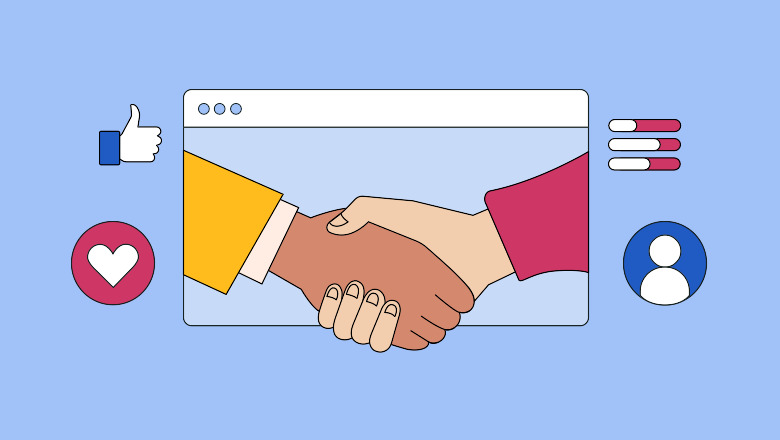
One aspect to examine with online and in-person influencers is in brand deals, since both look dramatically different. For the in-person influencer, they are (for the most part) not getting paid by brands to promote products. Contrastingly, we see online influencers try to mirror this authenticity (I’m sure we’ve all heard the “I only promote products I ACTUALLY [And, you have to trust me on this!] like!”) Yet, it falls inherently flat as opposed to in person conversations.
The risk of inauthentic online influencing is apparent, still brands seem to attempt to mask this with in person events, with visually appealing marketing. Think of the goodie bags or PR packages and the elaborate balloon decorations, the photo opportunities, and the strategic guest lists. This works for brands because people get the illusion that it is influential, that people love the products when in reality they love the event or the vanity of the product. Overall, the question of product endorsement boils down to if the person genuinely believes it brings value to their lives, value that serves a purpose beyond increasing sales, numbers, or screen time.
For those that want to be influencers both in-person and online, because it is possible, understand that there is an obligation to your community before profits. Align yourself with brands you, in good faith and honestly, see value in. Additionally, talk about these sponsors in person; Share with the friend about the cosmetic item, or the clothing brand, or the TV show. That way, you can do both: have a corporate sponsorship that feels real while fostering community, and embody what social media should be on the basis of authentic community building.
So, back to the various TV social dynamic examples. Each socialite holding court exemplifies the traits of an in-person influencer. They give their presence and their time to groups of people, regardless of which world they exist in. We as the consumer witness this, but perhaps can be inspired by them to influence others and embody this new kind of socialite.
Filmmakers are working with the world's biggest brands on Tongal.