Note From Tongal: “The Down Low on High-End Client Services on Set" is part of a series of Tongal Community-written blog posts that were originally sourced in the Tongal Blog Open Call Project. Read more Tongal Community-written posts here and then Pitch us a topic you'd like to write about for the Tongal Blog!
--
At some point in your commercial directing life, you’ll start having clients on set. While your first thought may be crazy requests or conflicting ideas, the truth is that these people are there to help. Clients are harmless, I swear. I’ve worked with a ton of them! And through working with brands within and outside the Tongal bubble, I've learned some clever and inexpensive tricks for providing clients with a better on-set experience. So, here are my top five inexpensive tricks that you can use on your next shoot.
5. Invite your clients to the scout
The scout is the time to talk openly about what will and won’t work when it comes to filming, and troubleshoot those crazy logistical questions that arise. It’s also a time to talk about what can go wrong. Either way, I’d encourage you to have your clients and agency be a part of that conversation.
This starts with telling them why you want them on the scout. They are your branding guru, and you should remind them of that. They know what colors to avoid, what angles haven’t worked on past shoots, and how their product should look. That being said, you need to preface that any questioning you’re doing on a scout is not indecisiveness; it’s to take away the guesswork and fulfill expectations.
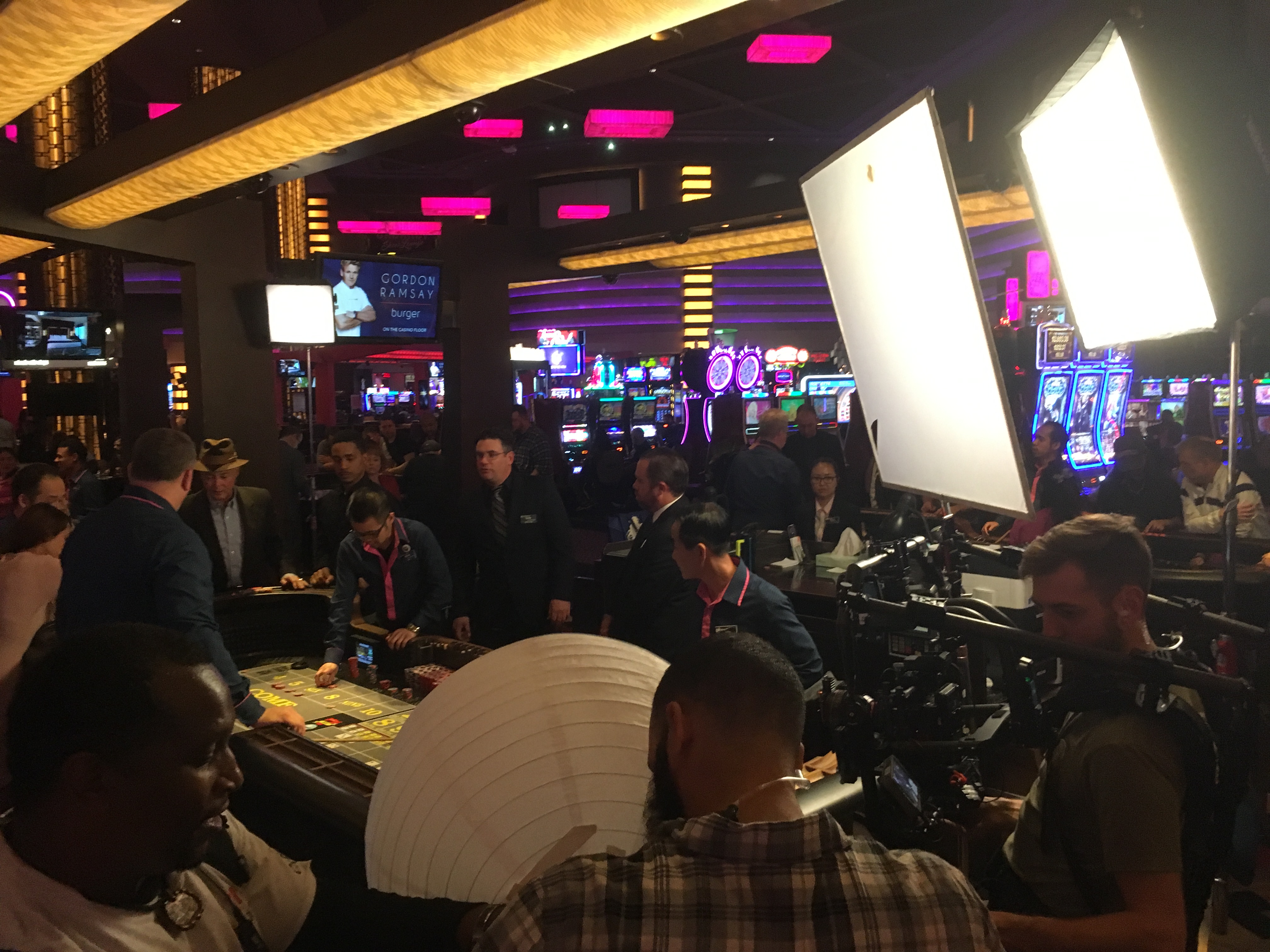
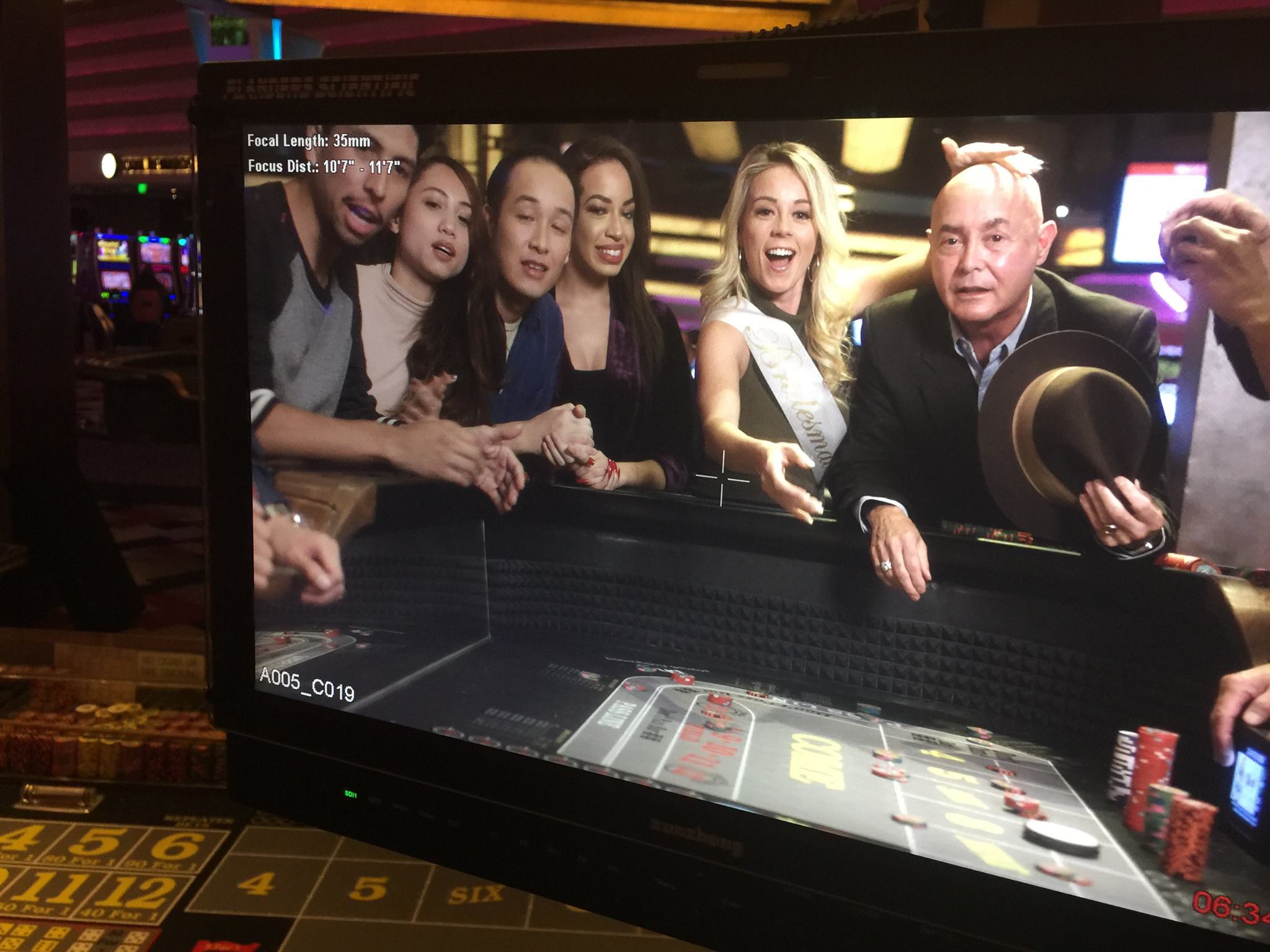
My most empowering scout happened on the Tongal brief for Caesars. I flew out to Vegas and together with Caesars’ marketing team, spent SIX HOURS walking around every shred of their featured casinos. By having their full team present at the walkthrough, it created a great rapport, and we solidified specific angles so there was no questioning where we were shooting a full month later. On set, when a few shots came up on the fly, I had a backup plan on where those could (and couldn’t) be taken because the client had already filled in those details earlier. Having you and your clients on the same page before you step on set saves tons of time and instills confidence.
4. Create some beautiful binders
While you may have all of your docs stored conveniently on your new iPad, your client still wants a hard copy. While it sounds old school, don’t skimp on the printing. Get a count of total clients and agency expected on set, and make one more than that amount. Your binder should contain a full schedule, call sheet, master contact list, location pics / addresses, wardrobe direction, how the product will be incorporated, a post timeline, and it should look beautiful. Go for full-color printing on decent paper. Buy different colored binders for each person, or to keep things weird, place stickers on each binder to tell them apart. As a bonus, I usually add in a few pages with the client logo and note lines in case they want to mark things down on set, which can help you in post. A fully thought out binder sets the stage for organization right when they walk in the door. On a recent Tongal shoot, the clients flew here to Pittsburgh from out of town, so we created a whole section on where to go and what to see, which made their trip more of an experience and added a personal touch.
3. Create a smarter video village
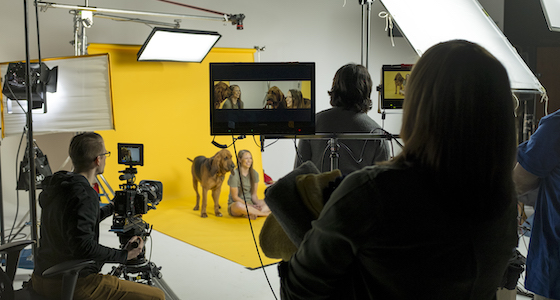
On plenty of Tongal briefs, it states that a client will be on set, and you’re required to have a client monitor available. This should act as the tip of the iceberg, however, when it comes to crafting a smart video village that enables client engagement. I always make sure to brief my AC before the shoot, instructing them that they can and should interact with the client. Because your AC will be the one assembling and moving client monitor(s), you want them to be able to troubleshoot things in a casual way when, say, the client asks why a spot in the background is too dark, for example. Your AC should actually be your first line of defense in answering those visual client questions.
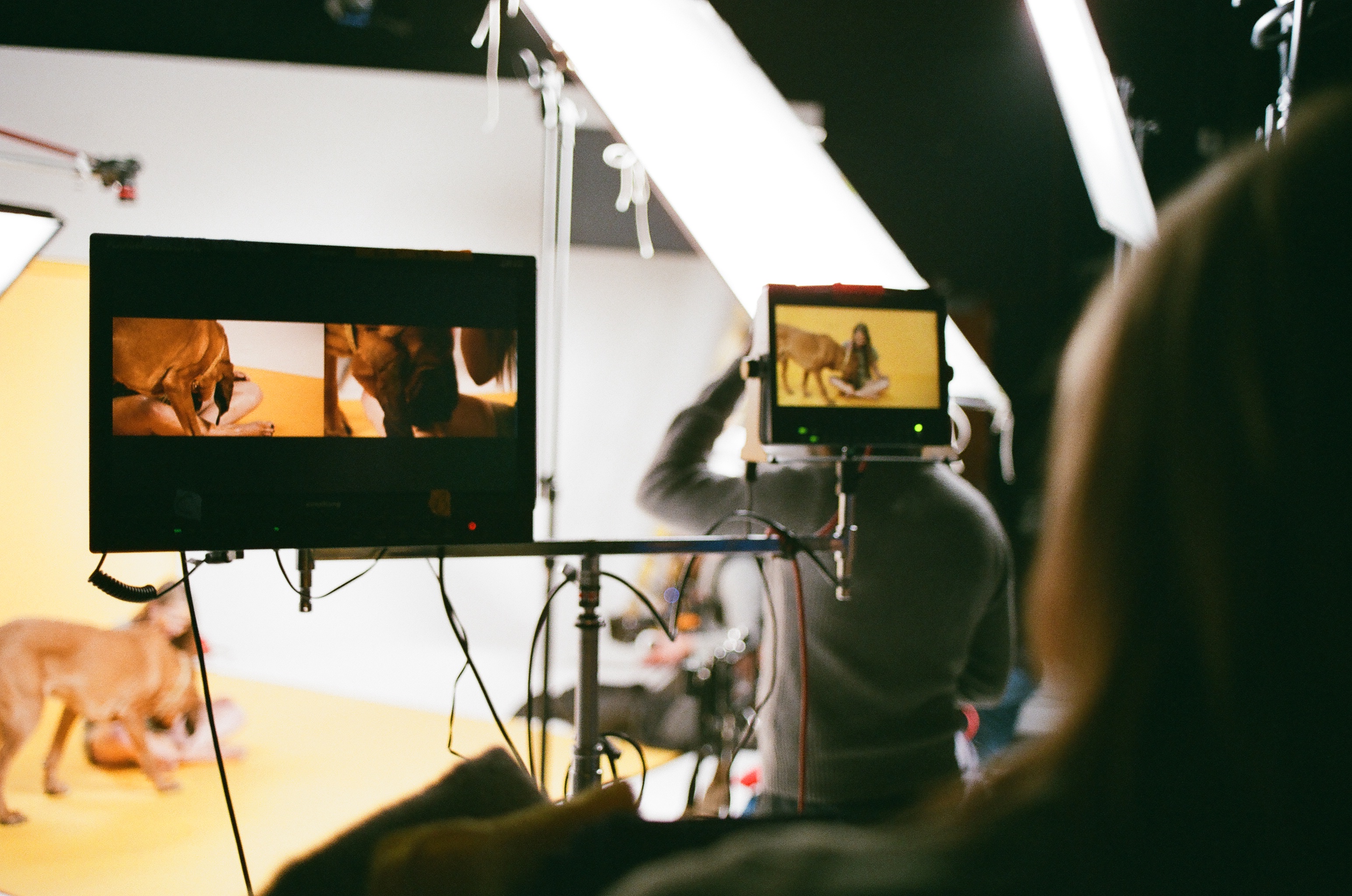
To get technical, our go-to set up includes a Flanders 17” monitor for clients, a roller stand for fast transport, a dedicated second monitor for the AC to pull focus, and then a small 7” monitor for myself, which I inevitably leave sitting on a table somewhere and forget to look at because hey, I’m a busy guy. All these are connected via a Terradeck wireless system. The main takeaway here is to spend money on your client monitor.
I’d also recommend your DP has a LUT plugged in and ready to go. On a recent Tongal project, the color of the product during a hero shot was appearing pink, whereas in reality it was orange. After a panicked call to my graphics person, a quick LUT plugged in to the client monitor saved the day, as they were able to see exactly how things would appear after color correction. Ultimately, spending money on a better monitor and LUTs saves valuable time on set.
2. Up your snacking game
Crafty on commercial sets can sadly still live in the world of water and pizza, but if you spend more money on your crafty, it can make a lasting impact on the people who hire you. I’ve admittedly been accused of spending too much of my budget on meals by fellow crew, but I’ve never regretted it. Can you really be overdressed at an interview for example?
On the pre-pro call, throw out a causal question of dietary restrictions or special requests from your client, agency, and talent. This is where a Costco / Sam’s Club membership becomes priceless. It allows you to stock up your set, all while having your purchases become a tax write off as soon as you use your card. I try to get a wide variety of individually-packed grab-and-go snacks, and am not afraid to spend a buck on more expensive stuff as the pricier purchases never go unnoticed. A recent buy of individually packaged Nutella with cookie sticks, for example, was a huge hit with the agency and crew.
For breakfast, catering from Panera is the smart choice. It’s affordable, you can order online anytime from anywhere, and they deliver. Have them set it up right outside your client-staging area, as it will force your clients and agency folks away from the chaos of the set, and create natural interactions between the crew and clients. Lunch is a different story, however.
I’m shocked at the energy difference in the second half of your shoot day by getting a hot lunch vs. a cold lunch. Hit up your local crew for recommendations (assuming this is an out-of-town shoot) and get in contact with a restaurant near your location that does hot catering. Odds are they’ll drop off disposable sternos and do full set up for a small fee. I always try to get an unusual side dish, as well. On a recent shoot in Philadelphia, for example, we ordered Philly Cheese Steak eggrolls. They got a resounding hell yes from the clients, talent and crew.
Your last cost when it comes to crafty? The mid-afternoon coffee run, but don’t let your PA start taking individual Starbucks orders as this will quickly break the bank. Instead, have them slip away casually and return with two boxes of coffee. And if you can spare an extra $200, hire a separate PA to strictly wrangle all food. Trust me, your clients are noticing those snacks.
1. Transparency on set
I’m an over-sharer in life, and this has directly influenced how I talk to clients. However, I think oversharing when done right is actually a positive thing. When a problem comes up on set, my first instinct is to talk to the AD, but we’ve found a rhythm of talking out problems directly with the client and agency present. This is where you need to turn yourself into a person who says “yes and” instead of “no.” When I come forward with a problem, I’m always armed with three solutions. Clients like options. They like fixes and there’s always a fix. As long as you justify why a decision is the right one, they’ll be much happier you included them in the conversation vs. making a decision while keeping them in the dark.
I also do something called spot checks, where I’ll frequently check in with the client and point blank ask them how they think everything is going, and if there’s anything they think we’re missing or not doing right. On a recent Tongal shoot I somewhat curtly said, “If you’re not 100% happy with this shot, I need you to tell me what you’re not liking about it, as I want to ensure everything we get on set can be used in our edit.” We were able to easily fix the problem and things continued on positively. It’s your job to empower the client to speak openly. After all, they’re the ones who have to live with the ad when it’s all done.
[Note from the Editor: Tongal also provides a helpful checklist for when you’re expecting a client on set, which you can download from this page and add to your production binder.]
Bonus Tip: The Post-Shoot Email
This is the cheapest and most effective thing you can do to help your long game. Send a follow-up email that’s short and sweet thanking them for a great collaboration on set, and how you’re excited for them to see the first cut. If something major went wrong, address it head on and apologize. And if this is a Tongal shoot, their producers will gladly pass this email along to the client. Some years back I actually created postcards through a printing website which acted as a weird and fun thank you note. Ultimately, remind clients why they hired you in the first place. Organically of course.
So while we all want to create fun and visually stunning ads that feed our creative souls, a lot of the commercial business deals with client relations. By making some simple, but effective, changes, you can create a memorable experience which will leave clients wanting to work with you again. Hurray to working!