

When Sav Rodgers delivered his Tongal Talk, Fundraising Is for Everyone, he offered a clear, pragmatic framework for one of the most essential and often misunderstood aspects of independent filmmaking: capital strategy.
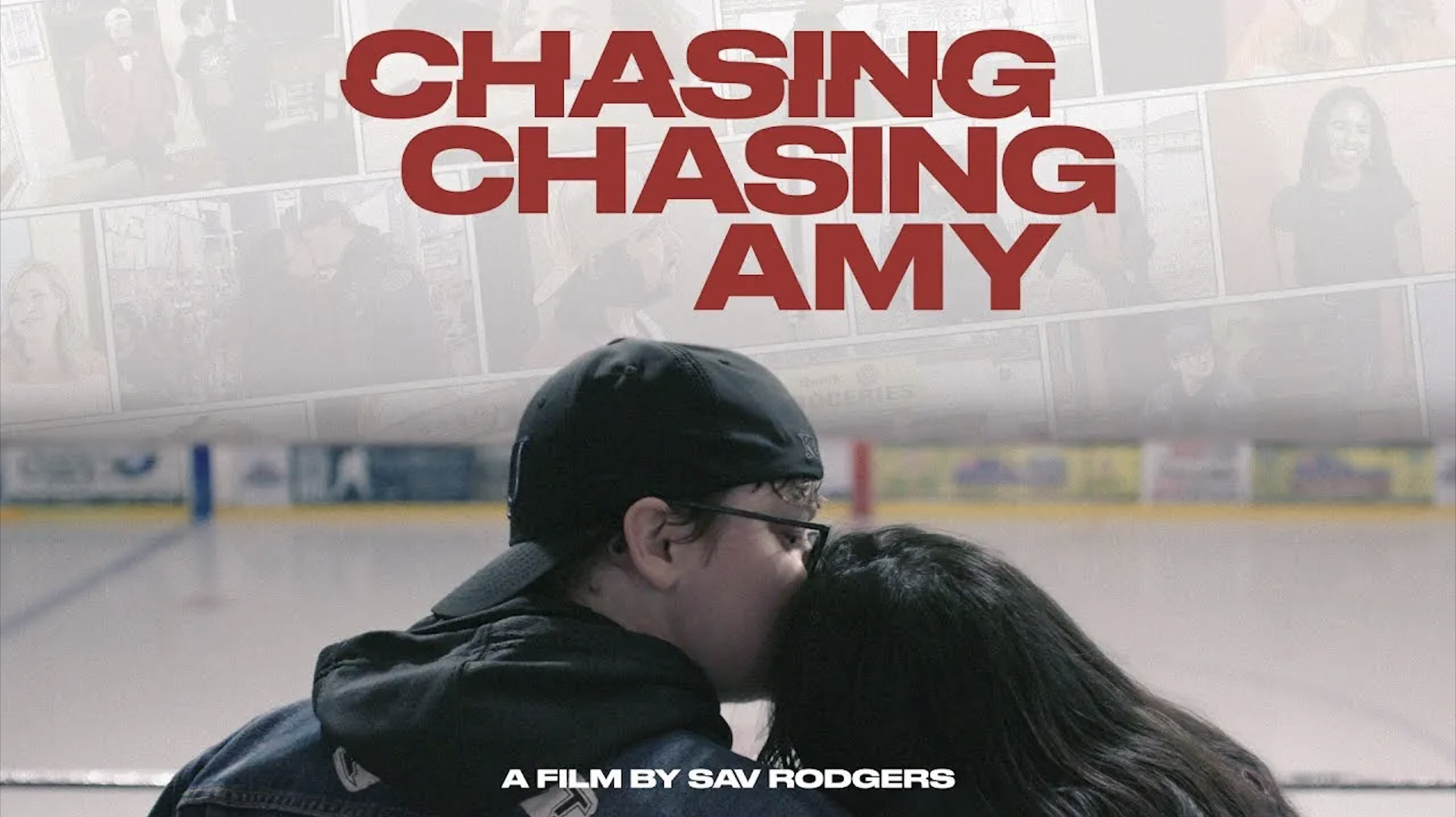
Drawing from his experience as the filmmaker behind Chasing Chasing Amy, his upcoming short film Pancake Skank, and his leadership role as Founder and Executive Director of the Transgender Film Center, Rodgers reframed fundraising not as a specialized skill set reserved for producers, but as a core competency for all creators.
His central thesis is direct: no one else is going to raise the money for your project. The responsibility and the opportunity belong to you.
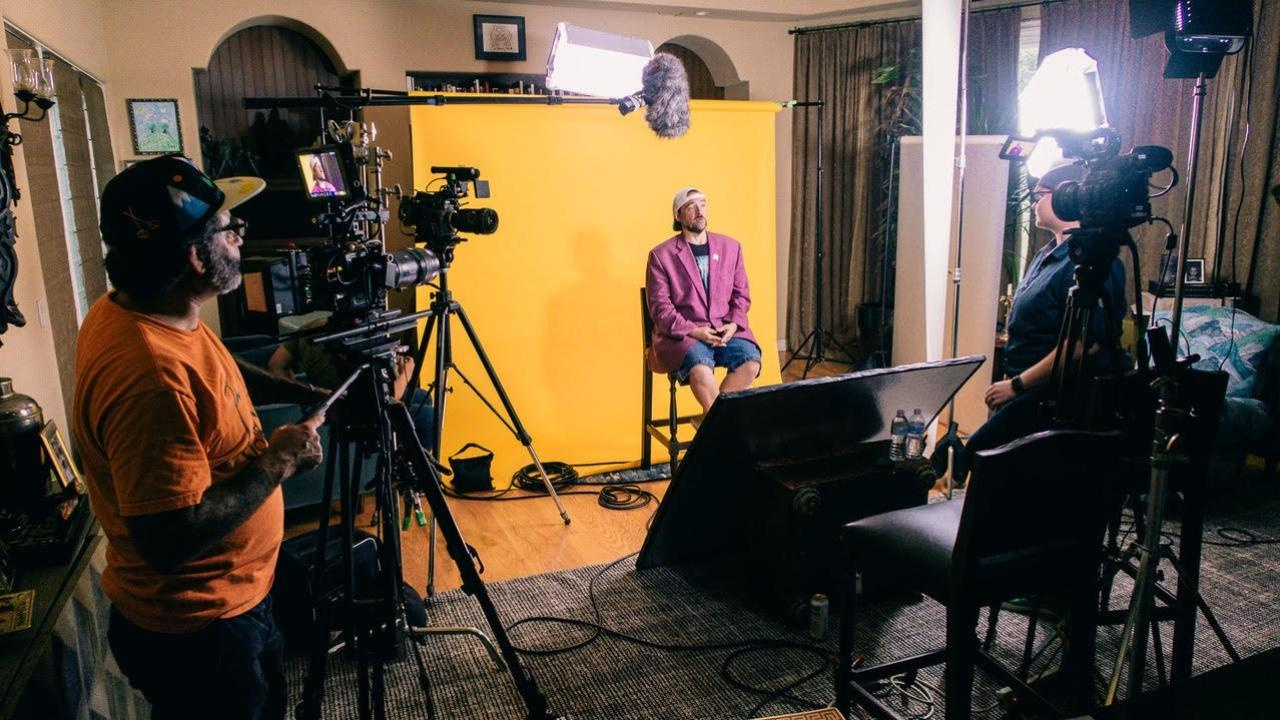
Rodgers outlined a four-part framework designed to help filmmakers move from concept to success with clarity and intention.
Before entering any fundraising conversation, the project itself must be fully developed. Strong materials, a refined pitch, and a clearly articulated vision are a necessity. Fundraising cannot compensate for an underdeveloped concept. Preparation signals credibility and trust towards your idea.
Clarity is critical. Filmmakers must define:
Whether pursuing grants, private equity, crowdfunding, in-kind contributions, or tax-incentivized support, being specific increases confidence and accelerates the decision-making process. Vague asks waste time for both parties.
Rodgers emphasized that early and mid-career filmmakers should expect to pursue a blended capital stack. Few projects are financed through a single source.
Strategic considerations include:
Fundraising is not a transactional process; it is a strategic relationship-building endeavor.
Execution is where many projects stall. Rodgers encouraged proactive outreach, including building contact lists early and maintaining consistent communication, particularly during crowdfunding campaigns, where direct daily outreach remains one of the strongest predictors of performance.
Successful outreach is:
Refinement through repetition is expected. Fundraising is iterative by design.
Beyond mechanics, Rodgers underscored the importance of mindset. Funders are not merely sources of financing; they are partners. Sustainable careers are built on trust, professionalism, and long-term alignment.
He cautioned against entitlement, noting that expecting financial support creates strain before a partnership begins. Instead, creators should approach each ask as a mutually beneficial opportunity, one grounded in clarity and shared value.
At its core, Fundraising Is for Everyone positioned capital development as an extension of creative leadership. The same discipline, clarity, and intentionality applied to storytelling must also be applied to financing.
Rodgers’ message for the Tongal community was that fundraising is not a barrier to entry; it is a professional responsibility. With preparation, strategic planning, and consistent execution, it becomes not only achievable but sustainable.
For creators looking to move projects forward in an increasingly competitive marketplace, that perspective may be the most important takeaway of all.
Filmmakers are working with the world's biggest brands on Tongal.