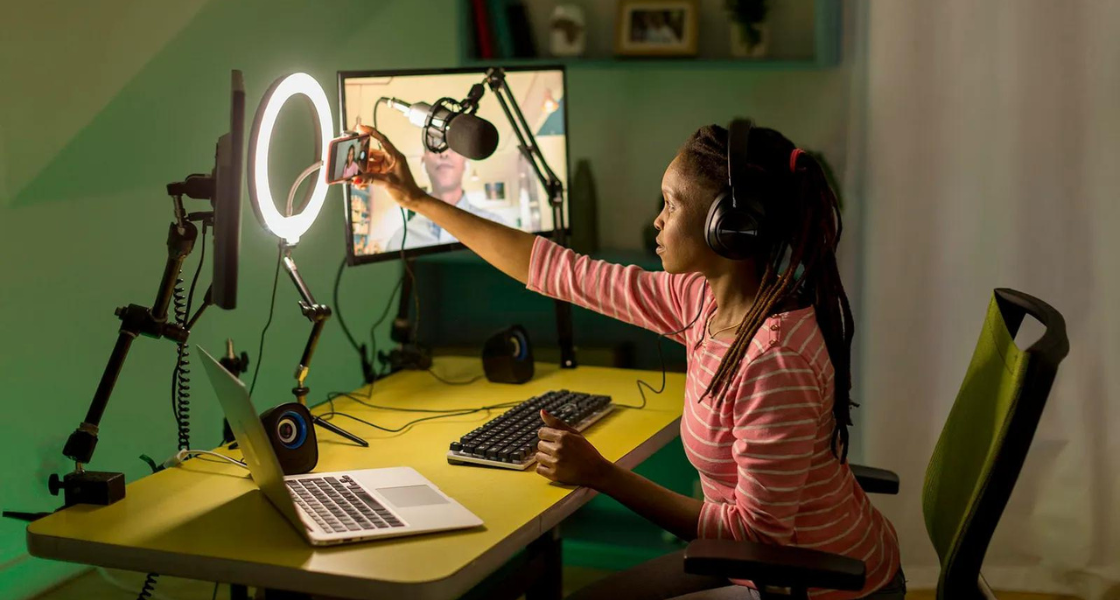
Image from BBC
In my opinion, the age of the establishment is over. It’s the time of the individual now. Studios and corporations have lost their monopoly. “The Big Five” have lost their stranglehold and are now competing for eyeballs in a world of new media. The creator economy is here, it’s disrupting many sectors and it’s here to stay.
For decades, entertainment, news, and education were all driven by large corporate studios. They decided what the viewer would watch, read, or listen to. Individuals had little say in the matter.
If anyone wanted to create something, they had to be a high-ranking official in the studio system. They’d have to get approval from multiple department heads and after all that, it would be put up for market research, audience tests, and focus groups.
At any of these stages, assuming a creative individual was lucky enough to get their idea green-lit, the project could be shot down. Then, it was time to go back to the drawing board.
Not anymore. The creator economy has changed all that. Importantly - and this is where it hurts for the big players - there won’t be a going back to the old way of doing things. Now, anyone with an idea, a point of view, a skill, or a story can become a content creator without having to go through the old torturous route.
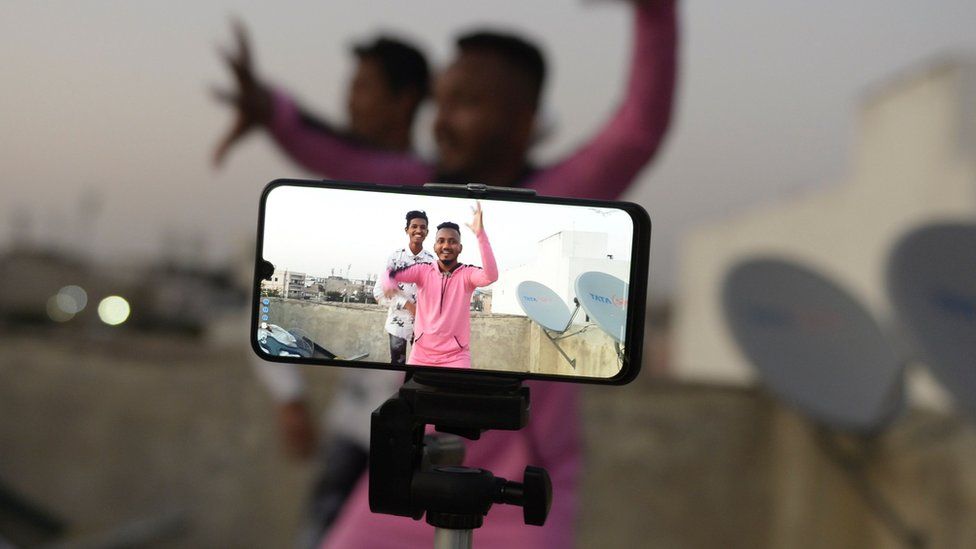
Image from BBC
The creator economy is an ecosystem of digital content creators offering their content directly to users through creator marketplaces and social media platforms. These content creators deliver high-quality, professionally-created content to educate, inform, and engage their audiences.
The creator content could include photos, blogs, videos, infographics, tutorials, etc. These content creators have multiple avenues to make a lot of money. They can get paid directly from their audiences or opt for influencer marketing. Successful content creators create their own personal brands and build vibrant communities.
The greatest advantage of the creator economy is that there are few entry barriers. Anyone who can inform, engage, or educate users can become a content creator. You just need a smartphone with a camera. You don’t need to have professional equipment, experience, or references. And you have an infinite amount of trends and creator types to choose from.
In short, anyone can be a content creator as long as they can add value to their followers’ lives, cleverly market themselves, and constantly engage with their audiences.
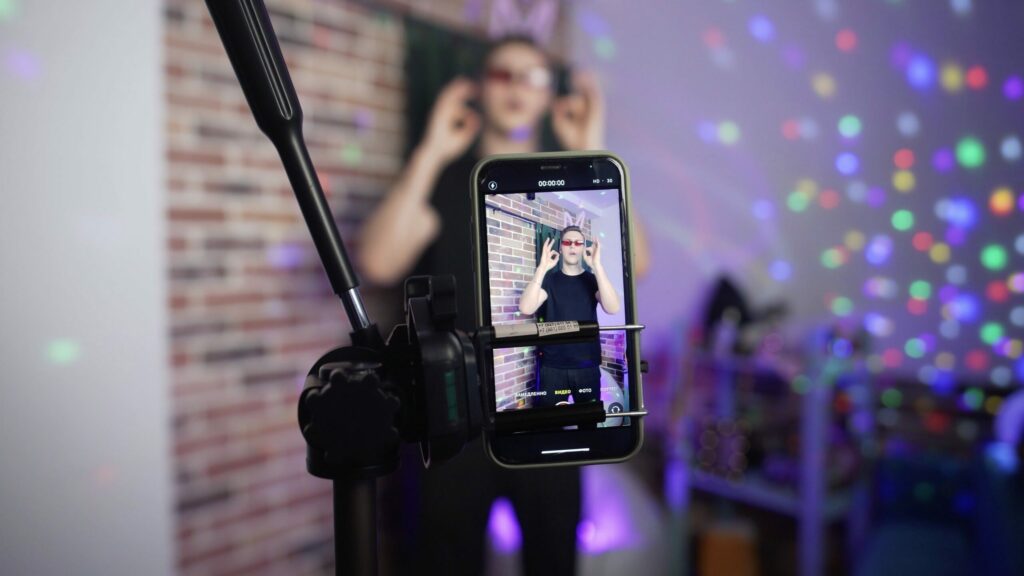
Image from Respage
Content creators can make money in multiple ways in the creator economy. Whether you’re on Tongal, TikTok, Instagram, or any creator marketplace, the easiest way is to go for brand partnerships. Category-specific brand associations can help you earn money while giving visibility to the brand.
If your social media content gains sufficient traction, the platforms will also pay you. For example, YouTube will share with you a part of the revenue they generate from placing ads with your content. Medium will pay you if your articles garner enough views.
You can also ask your audience for donations. This is especially helpful when you’re starting out and don’t have the user base to interest brands. Another way to make money in the creator economy is by charging subscription fees. Substack and Patreon allow you to charge your users to get your regular or premium content.
Then there’s affiliate marketing, the tried and tested method to make money as a content creator. You can suggest products or services to your followers, and if they make the purchase, the producer will pay you a commission on their earnings.
Finally, once you have a substantial number of followers, you can go for merchandising. You can sell products such as clothing or stationery with your personal branding and encourage your followers to buy them.
With print-on-demand platforms, you don’t even have to manufacture them beforehand. You can outsource manufacturing and ask them to produce it only after someone makes the purchase.
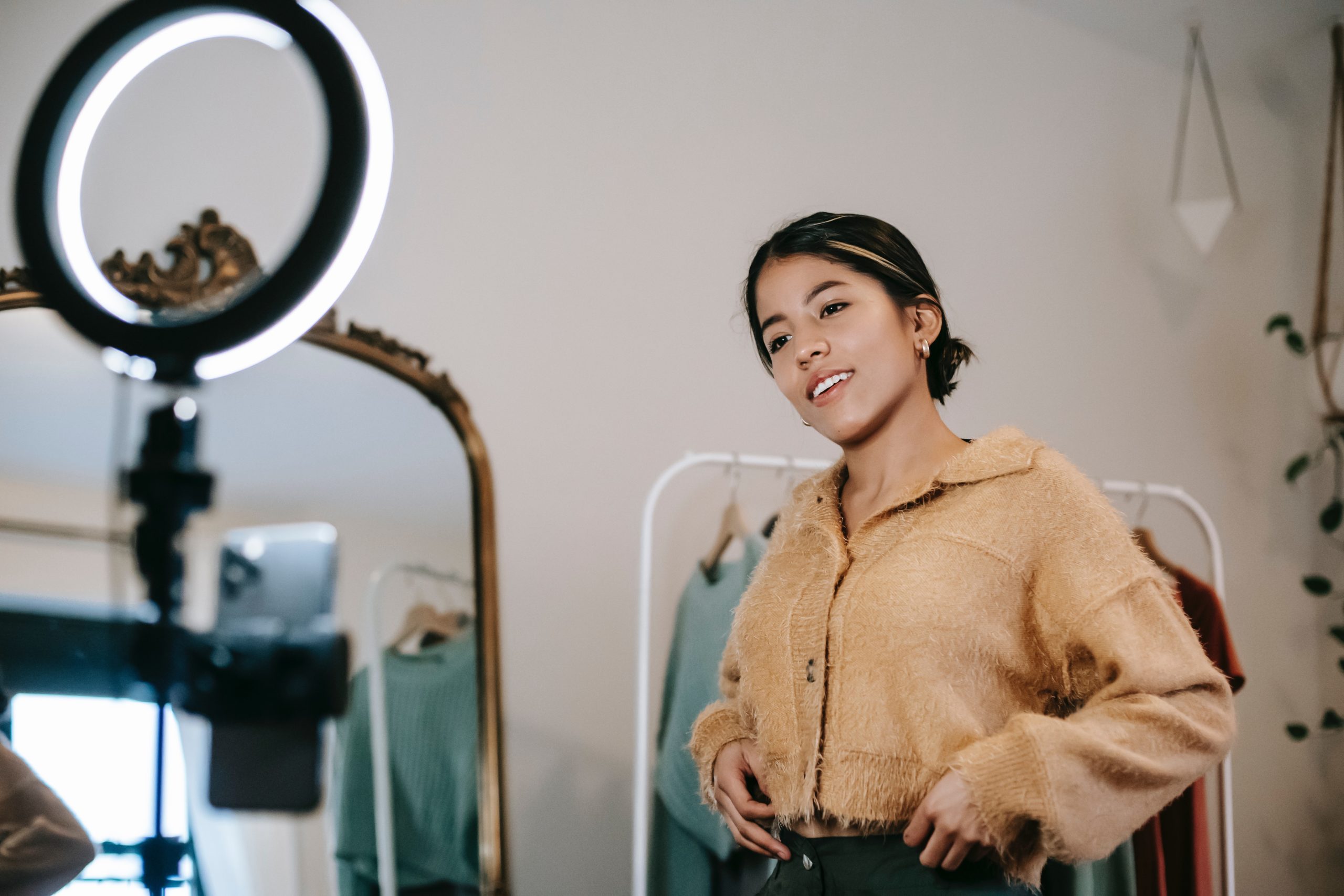
Image from TechCrunch
Brands don’t have to go through media houses to reach and engage with their audiences. In the creator economy, they are partnering with creators and social media influencers to find and convert users. Here’s why:
To increase engagement. Television commercials, billboards, and radio spots are all about one-way traffic. Creator content generates higher engagement since there is an implicit trust between the audience and the content creator. This encourages users to comment on campaigns and give credible feedback.
To reach new audiences. Creator economy allows brands to find niche audiences since there are communities for all possible interests. From model train enthusiasts to second-hand sneaker aficionados, there are thriving communities that brands can target with precision.
To build communities. Brands can create communities around their products in the social media world. By partnering with the right content creator, they can launch products, initiate discussions, offer discounts, and give exclusive access to these users.
To grow their revenue. Through social commerce, brands can directly sell their products through their social media pages. Effectively partnering with content creators can help direct users to these pages, which can increase their sales.
To optimize investments. Spending money on traditional advertising platforms comes with little accountability and considerable wastage. Brand partnerships with the right creators can increase returns on investments and create win-win scenarios for both the marketer and the content creator.

Image from Ezra Productions
Whether you’re already creating content in the creator economy or considering getting into it, these suggestions will help you build a personal brand, create a community, and monetize your content.
Talk to a lawyer and accountant before entering into any brand partnership. Make sure that the indemnification clause - where you have to pay the brand litigation fees if a user sues the company - is favorable to you. You shouldn’t have to give away your licensing rights or have to agree to non-competition clauses either.

Image from Shutterstock
The New Year ushers in a wave of energy, inviting us to create with infinite optimism and real intention! And things are certainly looking good in the creator economy. If you’re a content creator, share your resolutions and recommend goals for others. That way, everyone can have a productive, fulfilling, and highly successful 2023.
__
Note From Tongal: This blog is part of a series of Tongal Community-written blog posts that were originally sourced in the Tongal Blog Open Call Project. The views and opinions expressed in this article are those of the author(s) and do not necessarily reflect the official policy or position of Tongal. Read more Tongal Community-written posts here!