Knowing how to speak the language of production will help you prove your experience on a film set – even if you’re still a little green. Some production terms are more obscure than others, and many have come and gone over the years, but there are some mainstays that you’ll need to know. Production lingo is more than just a fun way to communicate – it’s a way for people to operate more efficiently and safely on a film set. Being well-versed in production language will help you better understand the needs of the A.D. and Production Manager, and dodge potentially embarrassing situations – such as when someone asks for a C47, and instead of scrambling through the equipment truck looking at serial numbers – you know all they need is a clothespin.
We created a list of frequently used production terms for you to start with. Keep in mind, some terms are regional and may not be widely-used. If you have some of your own film jargon to add, feel free to leave them in the comments section below!
Abby Singer – named for Abner Singer, a well-known Production Manager in Hollywood’s heydey, refers to the second-to-last shot of the day. Abner always called out the the penultimate shot of a setup, scene, and day.
Apple or Apple Box – a wooden crate that comes in several surprisingly useful sizes - full, half, quarter, and pancake. They’re used for all sorts of purposes, from adding a few extra inches to a shorter actor to propping up a dolly track. Apple boxes are managed by the grip department.
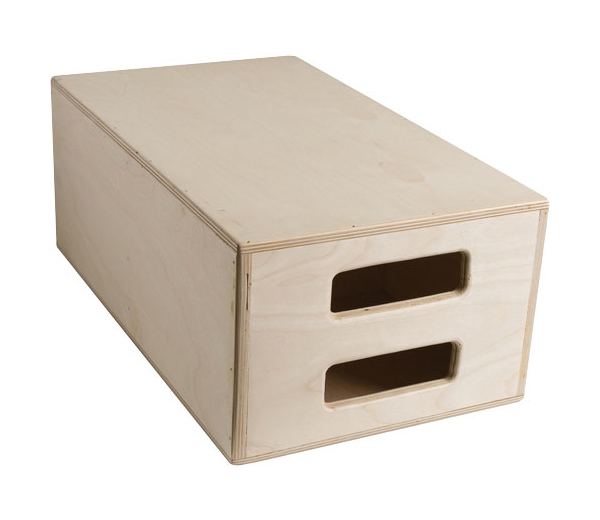
Photo by LVRUSA
C47 – a clothespin (also known as 47’s, CP47’s, bullets, ammo, and pegs).The reason for this name is that studio heads created a fuss when auditing equipment requests from lighting departments because they didn’t want to spend money on something as small and frivolous as clothespins. So the name was quietly changed to C47 and requests were magically approved.
Crafty – refers to catering services or the general food and snack area. Also, where you’ll find at least a couple of PAs when they’re killing time.
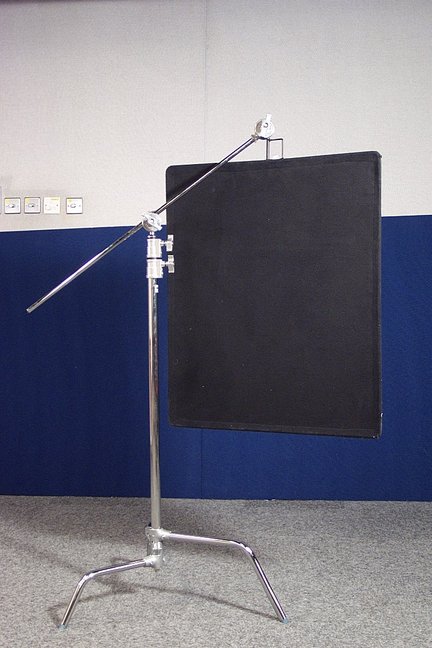
C-Stand – a metal stand used to position light modifiers in front of light sources.
Day Player – a crew member hired for one day of work, or a handful of days that add up to one day of work.
DIT – Digital Image Technician. They QC your digital footage on the fly.
Flying In/Out – to bring something in or out of a set area quickly (as in “Let’s fly in some extra sandbags” or “Let’s fly out that C-stand”).
Furnie Blanket – a furniture blanket or sound blanket.
Hot Points – you can shout “Hot Points!” when bringing in larger set pieces or equipment, like a dolly track or C-stand. This alerts people in the area to stay out of the way.
Last Looks – last call for hair and makeup to give a final touch-up to actors before a scene is filmed.
Last Man – refers to the last person to get their food at lunch; in SAG rules lunch does not officially start until the last person has filled his or her plate.
Magic Hour – occurs just before sunrise or after sunset when the sky is partially lit. This often lasts for only 20 minutes despite its name.
Martini Shot – last shot of the day! Woooh!
Pancake – the shortest apple box available.
Picture’s Up – means cameras are almost set to roll.
Running cables clean – using standard precautions for keeping cables out of the way. Some tips include using the walls as a guide, or running cables under a heavy mat through hallways, and bright gaffer tape whenever possible.
Scripty – the script supervisor.
Sides – a half-sized script containing just the scenes being shot that day.
Stage – to place equipment in a way that’s accessible but out of the way (as in “Stage those C-stands over in the corner”).
Strike – to disassemble or wrap a piece of equipment or work area. Also used to warn others when you’re turning off and on a bright light.
Stinger – an extension cord.
Video Village – an area set up for directors and other key personnel (including any representatives from the brand) to view recently recorded footage. This area is usually set up with viewing monitors, headsets (typically 2 headsets for every 4 people), and a tent if you’re outdoors.
*Bonus List* Walkie-Talkie Slang
For larger sets and locations, you’ll likely be on walkie with your production team. “PA Nation” will typically be on their own channel, ready and waiting to take requests from all departments. Walkie jargon is in a category of its own because it also carries with it certain rules and guidelines when it comes to sharing the airwaves.
10-1 (10-100) – when you need a quick washroom break.
10-2 (10-200) – when you need to take a longer unspecified break (up to 20 minutes).
Copy – never follow a request with silence. You need to show that you understand the request and are following up on it. “Copy” is a quick way to do this.
Going Off Walkie – this is what you say when you are taking off your walkie or when you are unable to communicate for a long period of time. It’s very important to let everyone know that you’re going off walkie so they can fill your position.
Hot Brick – a fully charged battery. You’ll often hear, “Anyone have a hot brick?” Bonus points if you always carry around an extra battery with you.
Walkie Check – this should always be done when you first go on walkie, or replace a battery/walkie system. Simply say “Walkie Check” over the mic, and someone will reply to you with “Good Check,” which means your microphone is working and they can clearly hear you.
What’s your 20? – when someone needs to know your location.
It’s also good when communicating over walkie to wait a beat before speaking, because it takes a second or two for the mic to key, and your words could be cut off. Lastly, if you have a more complicated request, or a sensitive issue that needs to be addressed, ask whoever you need to chat with to move to a clear channel so you don’t clog up the PA channel.
Hope you find this useful as you work your way up the production ranks. Be sure to leave your own new-fangled production terms below!