
Quinta Brunson - Disney/Pamela Littky
While Quina Brunson’s on-screen presence is magnetic, her most significant contribution to contemporary television may be structural: she’s reasserted the primacy of the creator in network comedy, a genre that sadly sometimes feels like it’s fighting for its life. Brunson built a series, shaped it, staffed it, and shepherded it through an ecosystem that rarely gives that level of authorship to anyone, let alone first-time showrunners.
We are, of course, talking about her breakthrough project, Abbott Elementary. Often described as a workplace mockumentary set in a Philadelphia public school, that simple summary undersells what Brunson accomplished. While network sitcoms were fighting for cultural relevance against streaming giants, she delivered a ratings hit rooted in culture, optimism, and craft.
Before Abbott, Brunson developed her voice in digital spaces, notably at BuzzFeed, believe it or not, where she honed short-form comedic storytelling built around character clarity and sharp premise construction. Those early sketches functioned as a laboratory for her, a gift we’re so rarely given in the creative space. Working with minimal budgets and tight runtimes, she learned how to build a joke structurally, and how to establish tone quickly, escalate tension, and land a powerfully simple payoff. That discipline now undergirds her long-form storytelling.
Brunson understands infrastructure; something so often overlooked by most creators, although you can see this in Sam Reich’s Dropout streaming service as proof that Brunson’s approach can work to scale. Abbott Elementary works not only because it is funny, but because it is designed well. The mockumentary format; a lineage traceable to The Office and Parks and Recreation is not used as a gimmick, where it often is in more streamlined hands. It’s an economic storytelling engine. The documentary confessionals allow for interiority without heavy exposition. The handheld realism keeps production costs manageable while enhancing authenticity. Brunson deploys form strategically.
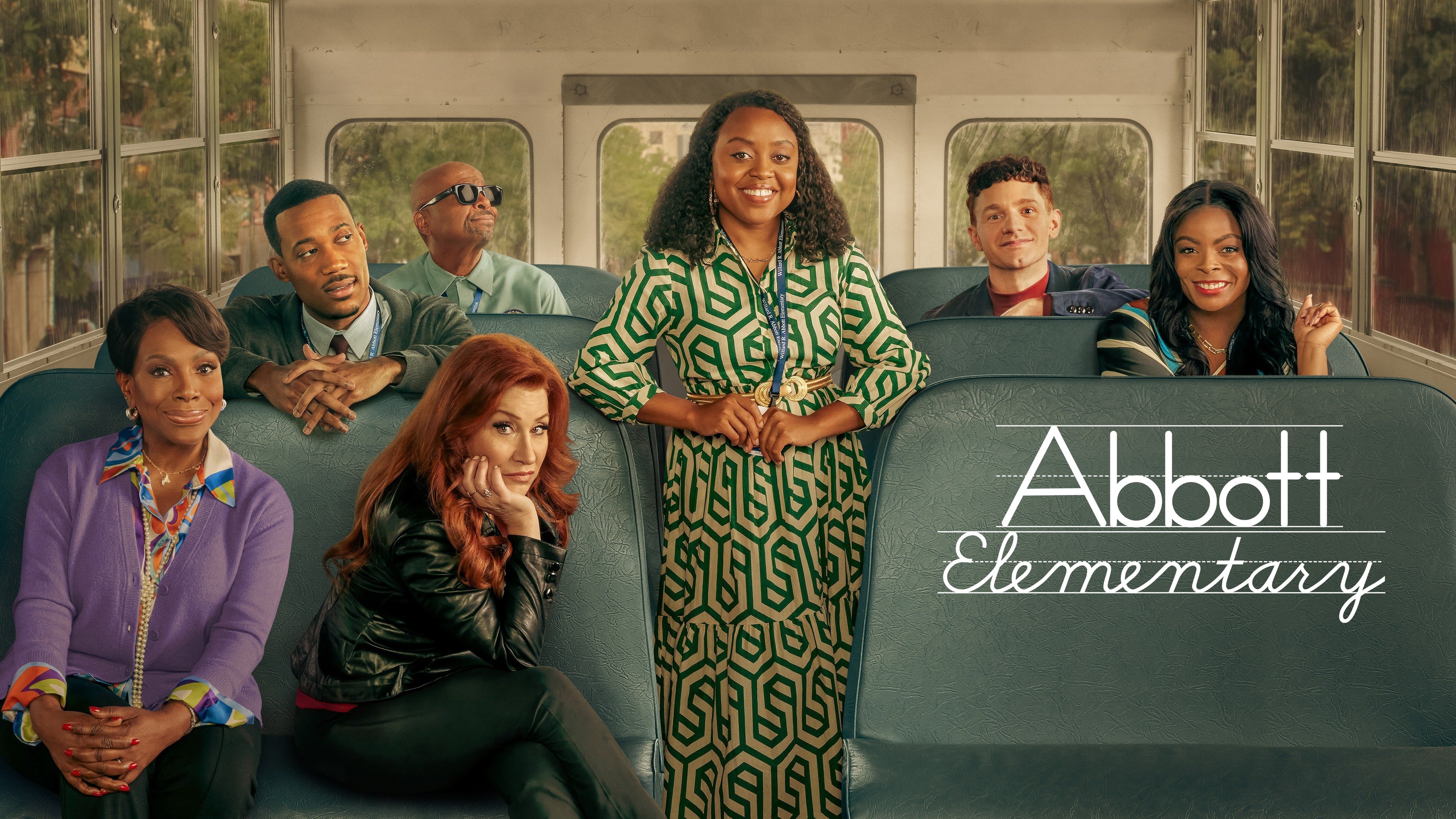
Abbott Elementary - Disney
As a showrunner, she made deliberate decisions about tone. Thankfully, Abbott refuses cynicism because Brunson constructed a comedy that believes in public school teachers. That tonal choice required some rigor. So many writers today who try their hand in pptimism can collapse into sentimentality without strong writing discipline, but this show balances a systemic critique with human warmth. Budget shortages, bureaucratic absurdity, and institutional neglect are acknowledged, but never exploited for despair.
Brunson’s skilled hand also extends to staffing. She assembled a writers’ room that reflects fully lived experience by hiring educators and Black writers, among others, ensuring that authenticity is baked into the narrative DNA. In interviews, she’s emphasized collaboration and that consistency is clearly working as a confident creative center.
Directorially, Brunson has increasingly stepped behind the camera, shaping pacing and performance from a holistic vantage point. Directing for TV, particularly in multi-episode arcs, demands a sensitivity to rhythm; knowing when to let a reaction breathe, when to cut for comedic timing, and when to allow silence to function as punchline. Her approach favors character, not caricature.
There is also a strategic brilliance to launching Abbott on network television rather than exclusively streaming. By choosing ABC, Brunson re-entered a space many younger creators bypass, and the gamble paid off. Abbott’s success is proof that broadcast comedy can still cultivate appointment viewing and cross-generational audiences, and it does it with a lot of media attention. Brunson reopened a pathway for emerging creators who might otherwise feel confined to digital-first platforms.
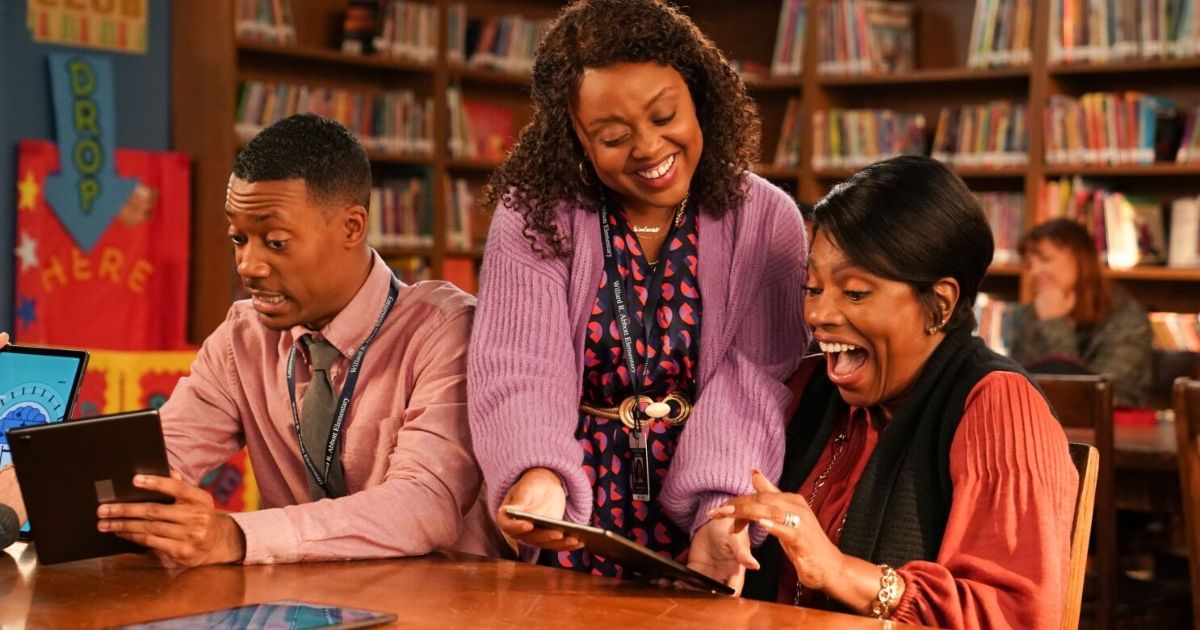
Abbott Elementary - Disney
Perhaps most importantly, right now, she understands the economics of longevity. Abbott is structured for sustainability. Its premise allows for evolving storylines without narrative exhaustion. Teachers can grow, students cycle through, administrative tensions shift, and the set is consistent. The plot setting itself generates infinite narrative possibilities. It’s a world designed to endure and evolve with its real-life counterpart.
There’s a deeper cultural significance to this shift. Historically, Black women in television have often been celebrated for performance while denied full creative control, but Brunson’s ascent upends that pattern. By retaining authorship, and being credited as creator, writer, executive producer, she’s reshaping industry norms.
Her comedic philosophy also deserves attention. Brunson’s humor emerges from recognition rather than ridicule. She writes characters with affection, even antagonistic figures are rarely flattened into villains (we’re looking at you Ava). That kind of tonal architecture fosters audience loyalty, so you’re always happy to see them on screen, and viewers return for relational continuity.
Quinta Brunson is part of a generation of artists redefining authorship in television. Not by loud reinvention, but by thoughtful construction. By building rooms, literal and metaphorical, where story, collaboration, and craft can flourish. Her work reminds us that sometimes the most radical act in contemporary media is not disruption for its own sake, but the careful design of something that lasts.
Filmmakers are working with the world's biggest brands on Tongal.