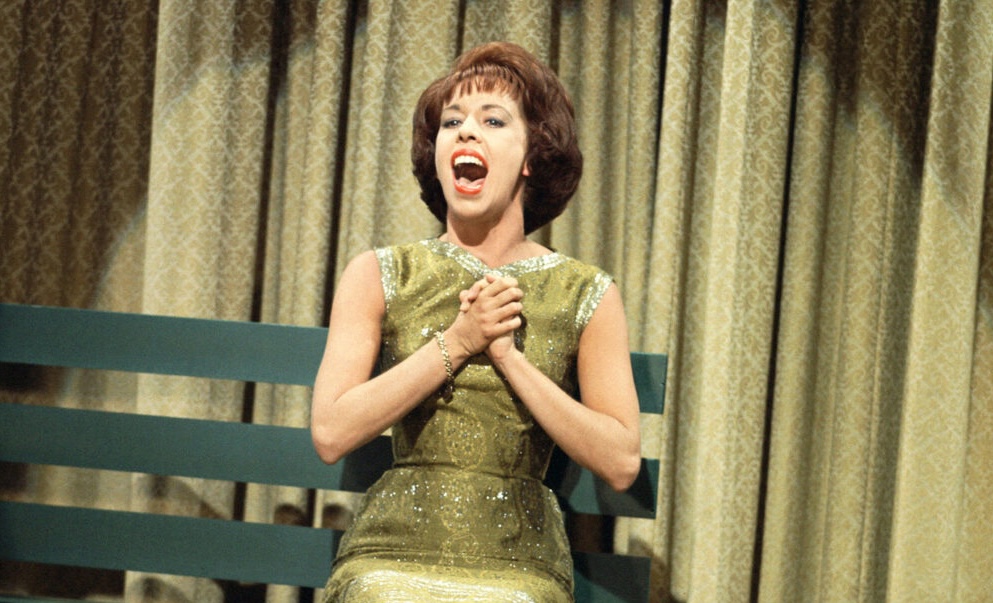
Two words: Carol Burnett.
The woman was tectonic shift in American entertainment. Yes, of course, she was a beloved performer, but above that, she was a creator, an architect of format, a career strategist, and a barrier-breaker who altered what power looked like for women in television. Long before “showrunner” became a common term, Burnett was building and steering a variety empire in prime time, delivering ratings and laughs.
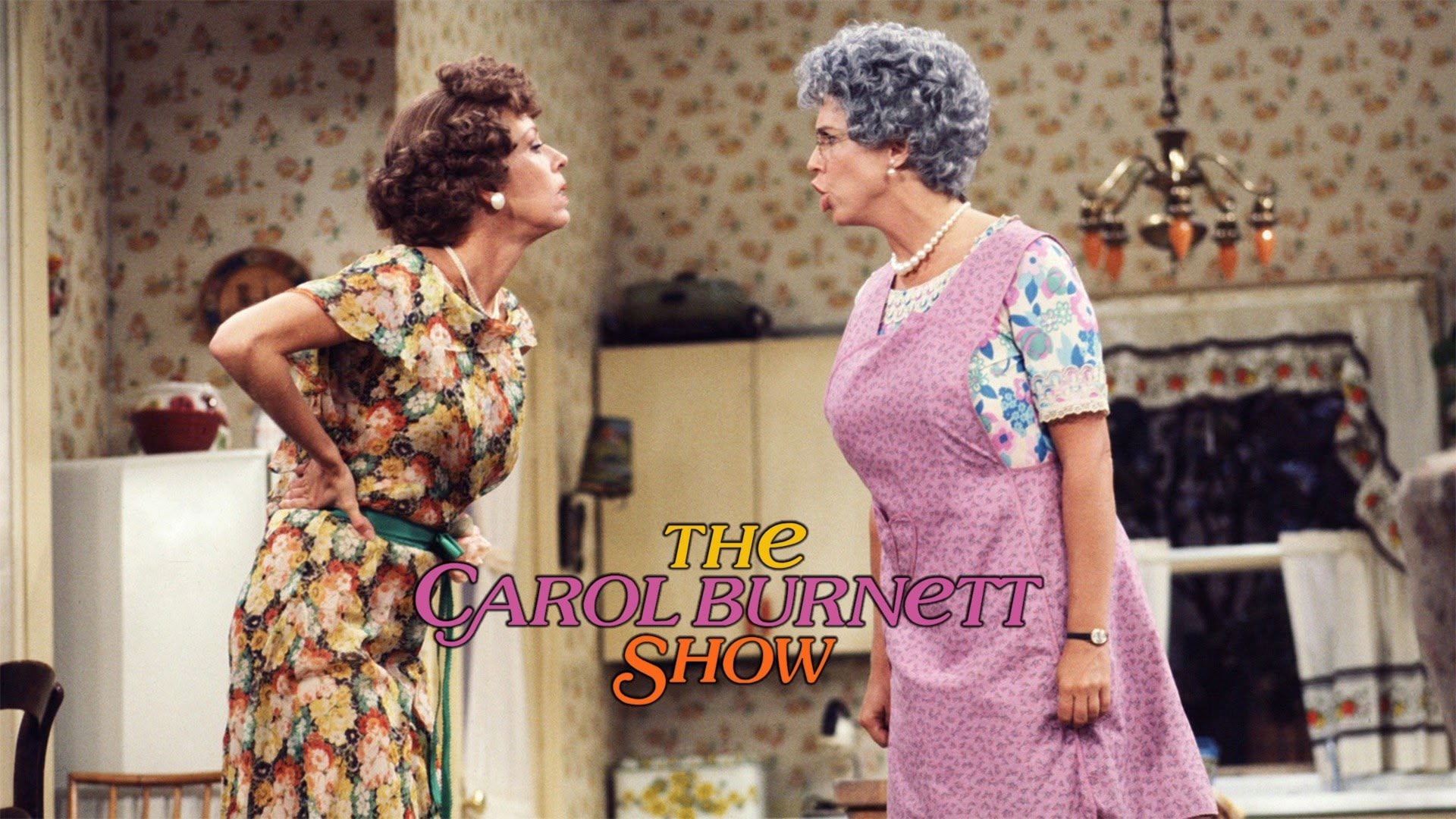
When The Carol Burnett Show premiered on CBS in 1967, the network was not fully convinced a woman could anchor a weekly comedy-variety series. Variety shows had long been the domain of male hosts- you know the type; dominant, tuxedoed figures at center stage who always had a drink in their hand, even if they physically didn’t. Burnett negotiated creative control in her contract, holding CBS to a clause that guaranteed her the opportunity to produce a variety show if she chose to activate it within a set time frame. That clause changed history, and she damn well activated it.
For eleven seasons, The Carol Burnett Show ran as one of the most successful programs on television history, earning dozens of Emmy Awards and becoming a cultural touchstone everyone still knows. But its real innovation wasn’t longevity. It was authorship, a term that we’ve talked about throughout this series, and one that will soon once again rise to the top of conversations across the industry as it becomes more corporate and controlling.
Burnett shaping the tone of her show; selecting collaborators, approving sketches, and cultivating an ensemble built on chemistry. She assembled and empowered a troupe that included Harvey Korman, Vicki Lawrence, and Tim Conway- performers who thrived in an environment of creative risk. She even encouraged breaking character so that the audience could form a deeper connection over shared emotional experiences with the cast. She left moments of laughter in the edits and treated mistakes as texture rather than flaws. She redefined how polished a television comedy needed to feel, and the audience became part of the process.
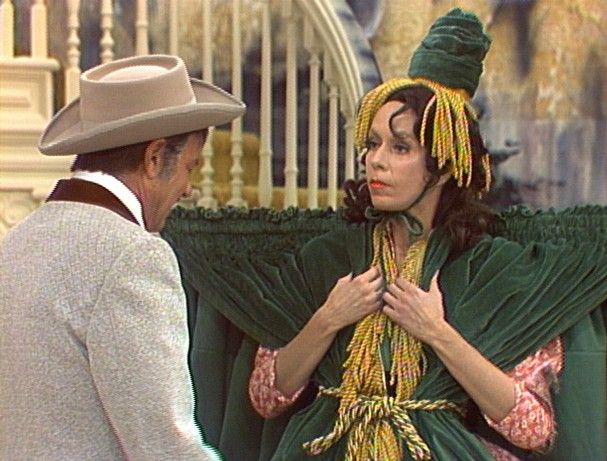
One of the most famous sketches, her parody of Gone with the Wind, in which she descends a staircase wearing a curtain rod through her dress, remains a masterclass in comedic construction. The joke works visually, structurally, rhythmically, but it also demonstrates something deeper: Burnett’s willingness to satirize prestige cinema and to claim cultural literacy without intimidation; rarely, if ever, done at the time. She proved that women could lead broad physical comedy while also commanding high-concept parody.
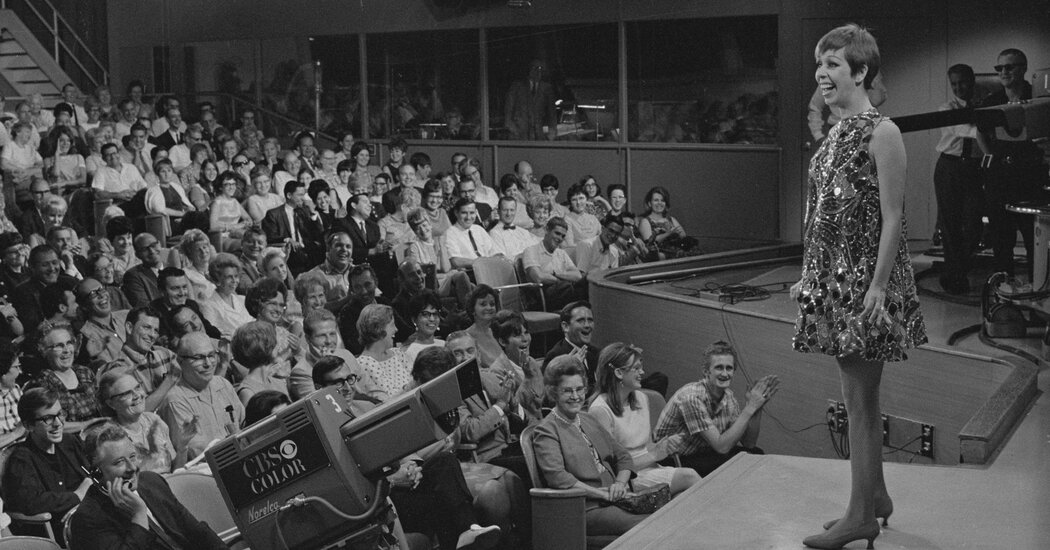
Burnett’s opening ritual, answering audience questions before each episode, was, if you can believe it now, quietly revolutionary at the time. It totally collapsed the barrier between star and viewer. See, she didn’t present herself as distant or unapproachable by doing this. Instead, she cleverly created intimacy at scale. That relationship-building instinct prefigures modern audience engagement strategies that are now common across most media.
Her influence extends beyond sketch comedy, of course. Burnett demonstrated that women could anchor large-format productions. The logistics of a weekly variety show are immense: musical numbers, live audience timing, costume changes, elaborate set pieces. Burnett operated at the center of that machinery without sacrificing warmth or humor. Entertainment owes her more than nostalgia. It owes her a template.
Without Burnett, it’s difficult to imagine the pathways later opened for women like Tina Fey, and so many of the female cast members on Saturday Night Live, or the broader normalization of women leading ensemble sketch formats. She proved viability, baby! And networks pay attention to viability.
She also expanded the comedic range allowed to women at the time. She could be glamorous in one sketch and grotesquely absurd in the next. She embraced elasticity, did pratfalls, committed to physical bits that might have been deemed “unladylike” in another era. That was permission to be silly, and loud, and structurally ridiculous; and it rippled outward.
Her later recognition (including the creation of the Carol Burnett Award at the Golden Globes, honoring lifetime achievement in television) formalizes what the industry has long known: her career constitutes an institution. The award isn’t merely named after her; it reflects the ecosystem she helped build.
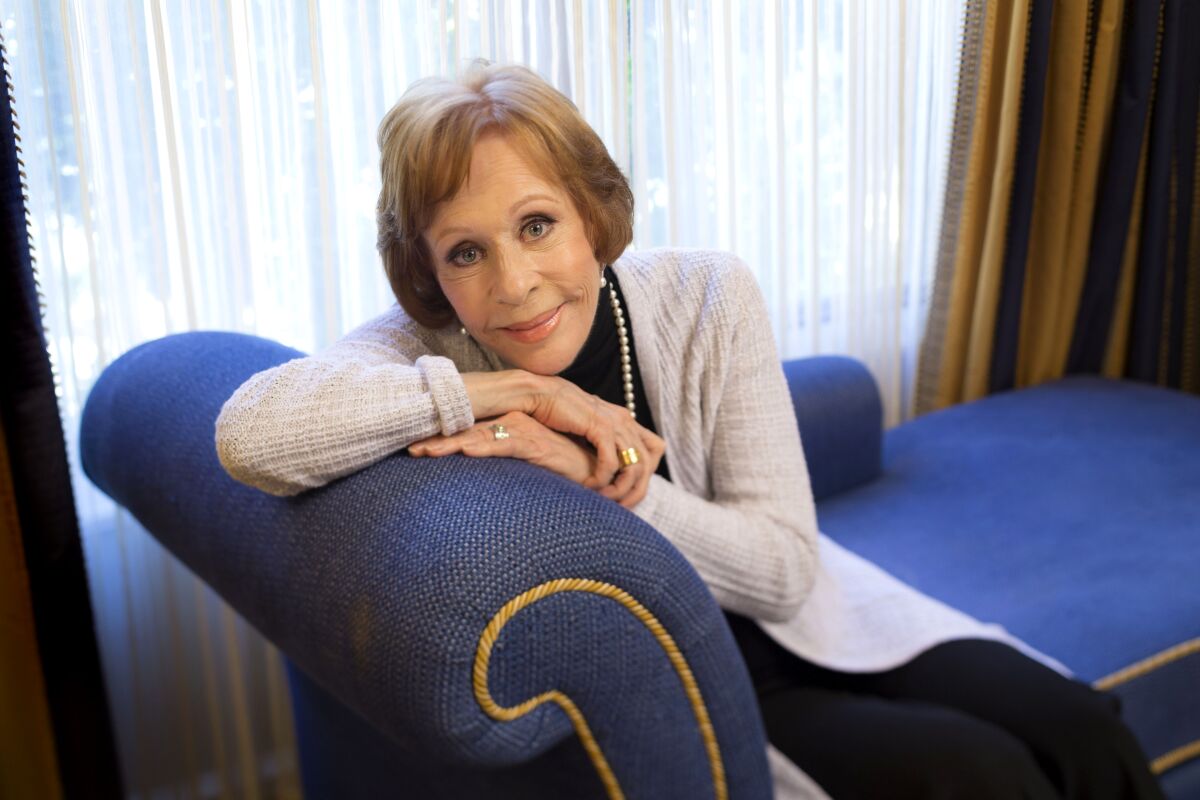
But perhaps the most significant debt entertainment owes Carol Burnett is psychological. She expanded the imagination of what was possible. Young women watching her in the 1970s saw not only a performer, but a leader. A woman who could steer a massive production, command a stage, negotiate with executives, and still connect with viewers on a first-name basis.
She ground-broke in form. She trend-set in tone. She normalized ensemble comedy built on mutual respect. She created a blueprint for longevity in an industry that often discards women after youth fades. Her career spans decades; Broadway, film, television, memoir, each phase marked by adaptation rather than retreat.
In today’s entertainment landscape, where creator-driven content and performer-producers are increasingly common, Burnett’s model feels prescient. She understood that creative control is power. That authorship protects vision. That warmth can coexist with authority.
Watching archival clips of The Carol Burnett Show is to witness infrastructure being built in real time by a woman at the helm of a prime-time juggernaut, laughing freely, steering decisively, reshaping the medium as she goes. Entertainment owes Carol Burnett its expanded horizon. It owes her the proof that audiences will follow a woman who leads with wit and confidence. It owes her the permission structure she created; for women to host, to produce, to command, to endure. She did not merely succeed within the system. She altered it.
Filmmakers are working with the world's biggest brands on Tongal.