
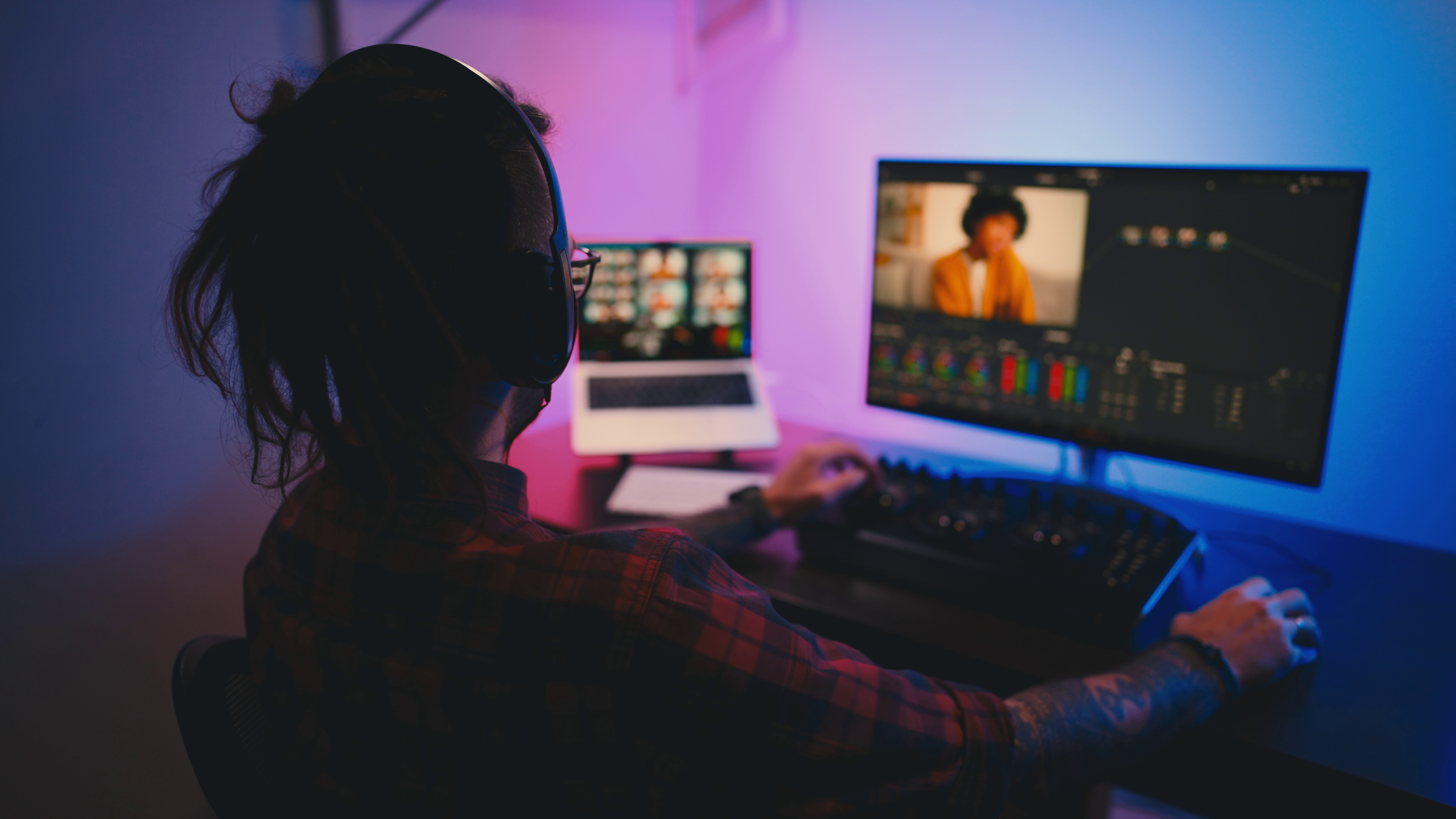
Video post-production has gotten very interesting over the last few months. Editors turning features off. Stepping away from tools that try to predict decisions before a frame settles into place. A kind of recalibration. As AI pushes deeper into editing workflows—auto-cutting, suggesting, predicting; some editors move in the opposite direction. Toward something slower. More deliberate. Less assisted. That move comes from preference. Editing has never centered on speed. It rests on judgment.
That’s where tools like DaVinci Resolve, Final Cut Pro, Adobe Premiere Pro, Shotcut, Blender, and Camtasia continue to matter. They function as instruments rather than shortcuts. They expect a hand guiding the work instead of a system guessing intent. DaVinci Resolve, for example, carries a reputation for power, though the real strength sits in how complete the environment feels, with editing, sound, VFX, and finishing held together in one place. It runs offline, free from reliance on automated decision-making. That level of control shows up in projects like The Inventor, where editing, color, and effects move through a unified pipeline. The result reflects coordination and intention.
Final Cut Pro moves with a different rhythm. Fast, precise, shaped by editors who value intention over spectacle. Documentary workflows continue to rely on it heavily. Work tied to The Real Yellowstone moved through Final Cut during early editing stages, where structure and pacing take form before finishing begins. It rewards decisiveness. The timeline responds as quickly as the editor thinks, without friction or delay.
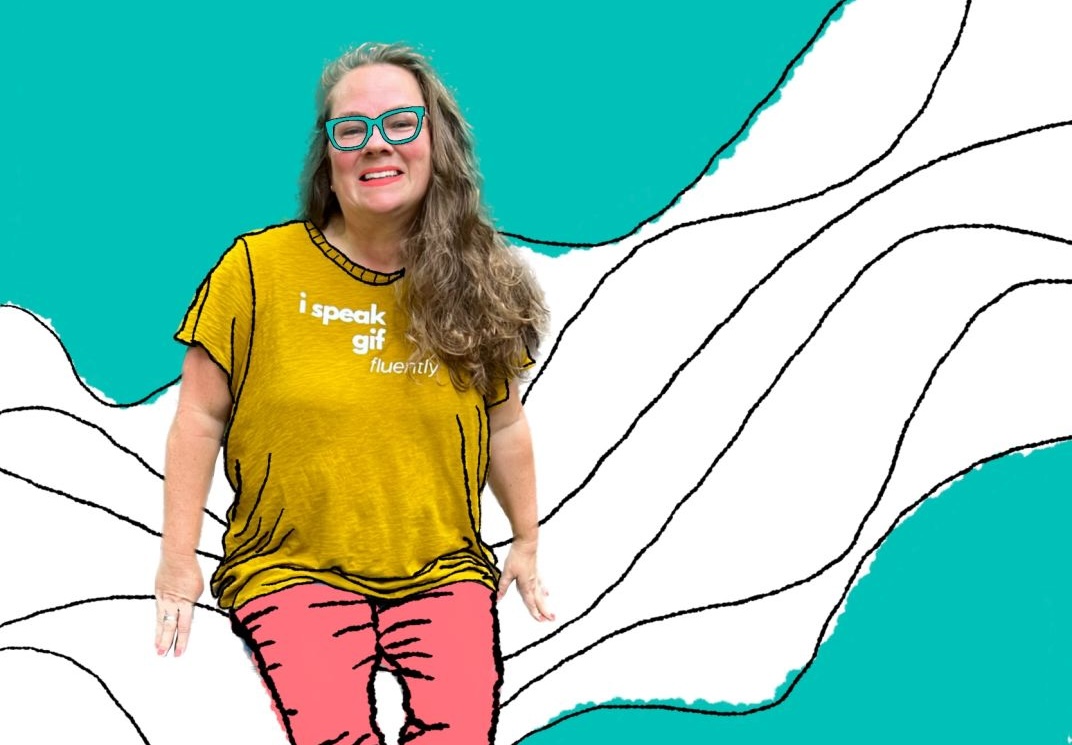
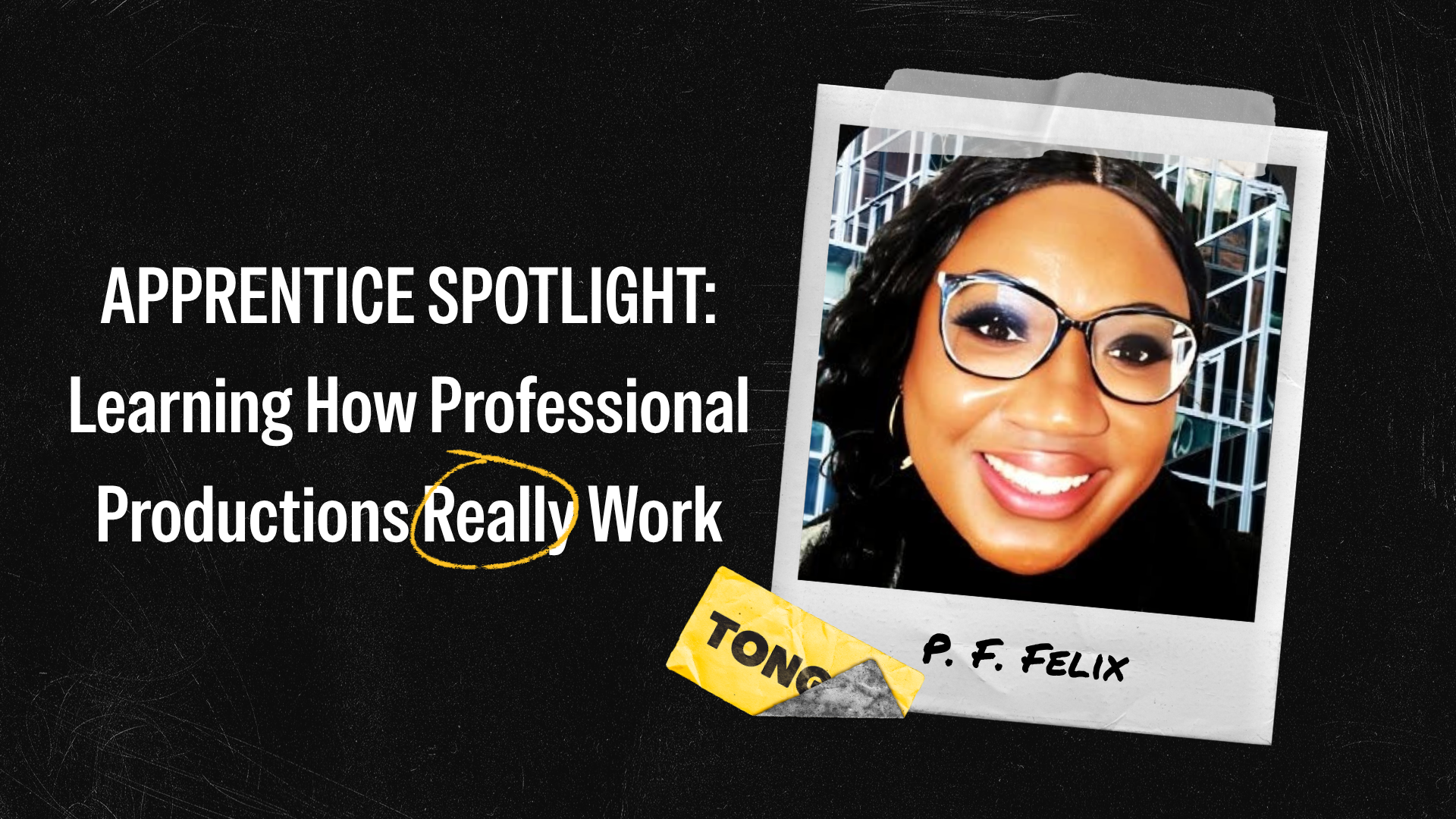
Premiere Pro operates across a broader landscape, and that reach shows up clearly in how creators actually use it. Tongal Creator Elizabeth Doss puts it plainly: “I use Adobe Premiere daily because of its text-based editing for structuring content and its seamless integration with After Effects for motion graphics.” The integration shapes real workflows. “What I really value is being able to edit long-form content horizontally for YouTube and then repurpose the same project vertically for social clips.” That kind of flexibility turns a single edit into multiple deliverables, which matters when content needs to travel across platforms.
At the same time, that workflow reveals where automation falls short. Doss points to a gap that many editors recognize immediately: “AI editing tools miss the mark because they don’t understand the substance or strategy behind the conversation.” Tools might surface moments that look interesting, but they miss the ones that matter. “They highlight technically interesting moments but completely miss the main ideas and supporting evidence that actually matter for thought leadership.” The distinction lands in the work itself. Editing requires understanding purpose, then finding the moments that support it.
That idea carries through the rest of the process. “What I’d never automate is identifying the core ideas and important parts; that’s where strategy lives.” There’s a separation here that feels increasingly important. Some parts of editing benefit from automation. Others resist it entirely. “I’d happily hand off file organization, renaming, and gathering B-roll,” she says, pointing to the invisible labor that surrounds the creative work. Because the reality is simple: “You have to consume all of it to find the meaningful moments.” That time investment rarely shows up in the final cut, yet it defines the difference between something functional and something intentional.
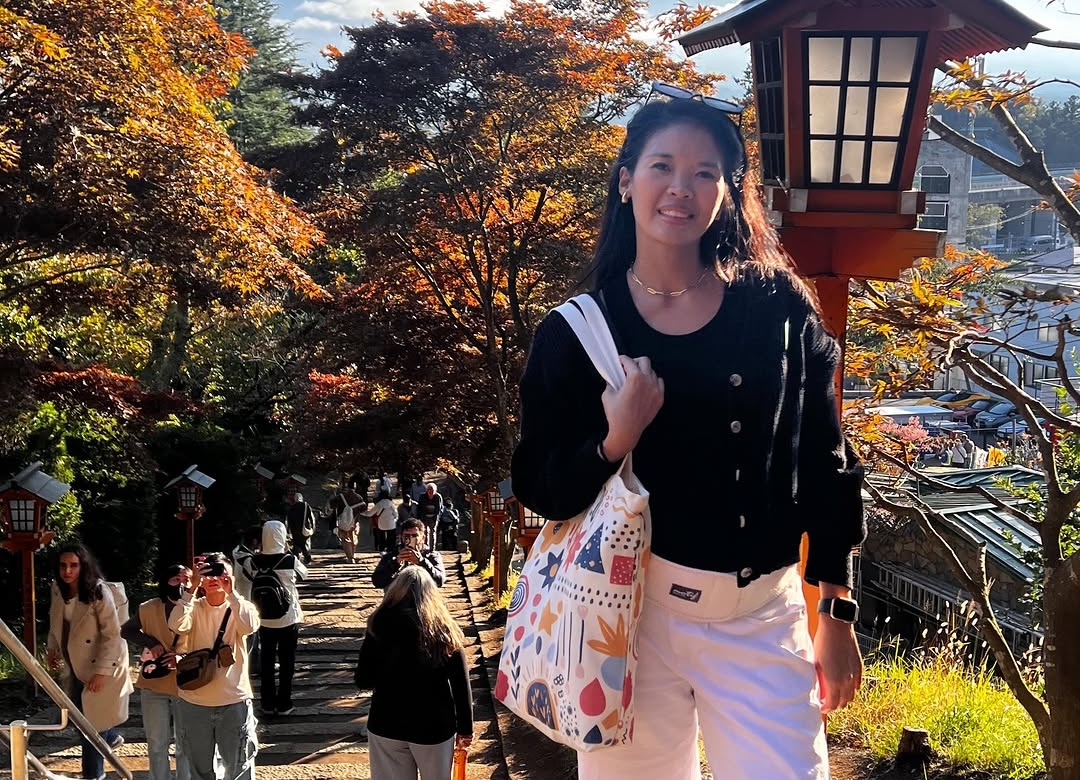
Pri Astle of Tukan Creative echoes that distinction from another angle. “AI tools are incredibly useful for specific tasks, but traditional editing software remains more effective for fine-tuning and achieving a specific creative vision.” That idea of fine-tuning comes up again and again. The closer you get to the final version of a piece, the more precision matters. “The ability to fine-tune minute details to match exactly what you have envisioned” still sits outside what automated systems can deliver.
That gap shows up most clearly in moments where something technically works but creatively falls flat. Astle describes seeing cuts that function perfectly on paper yet miss the larger point. “Transitions that were visually impressive and technically functional didn’t align with the overall story.” They felt out of place because they lacked purpose. That absence is difficult to detect without a human sense of rhythm and intent guiding the work.
Shotcut sits on the opposite end of the spectrum. Open-source, free, independent. No ecosystem pressure. No required cloud. A timeline, a set of tools, and full control. It lacks polish in certain areas, yet that absence creates freedom. Indie creators and educators lean into it for that reason. The work depends on decisions rather than software identity.
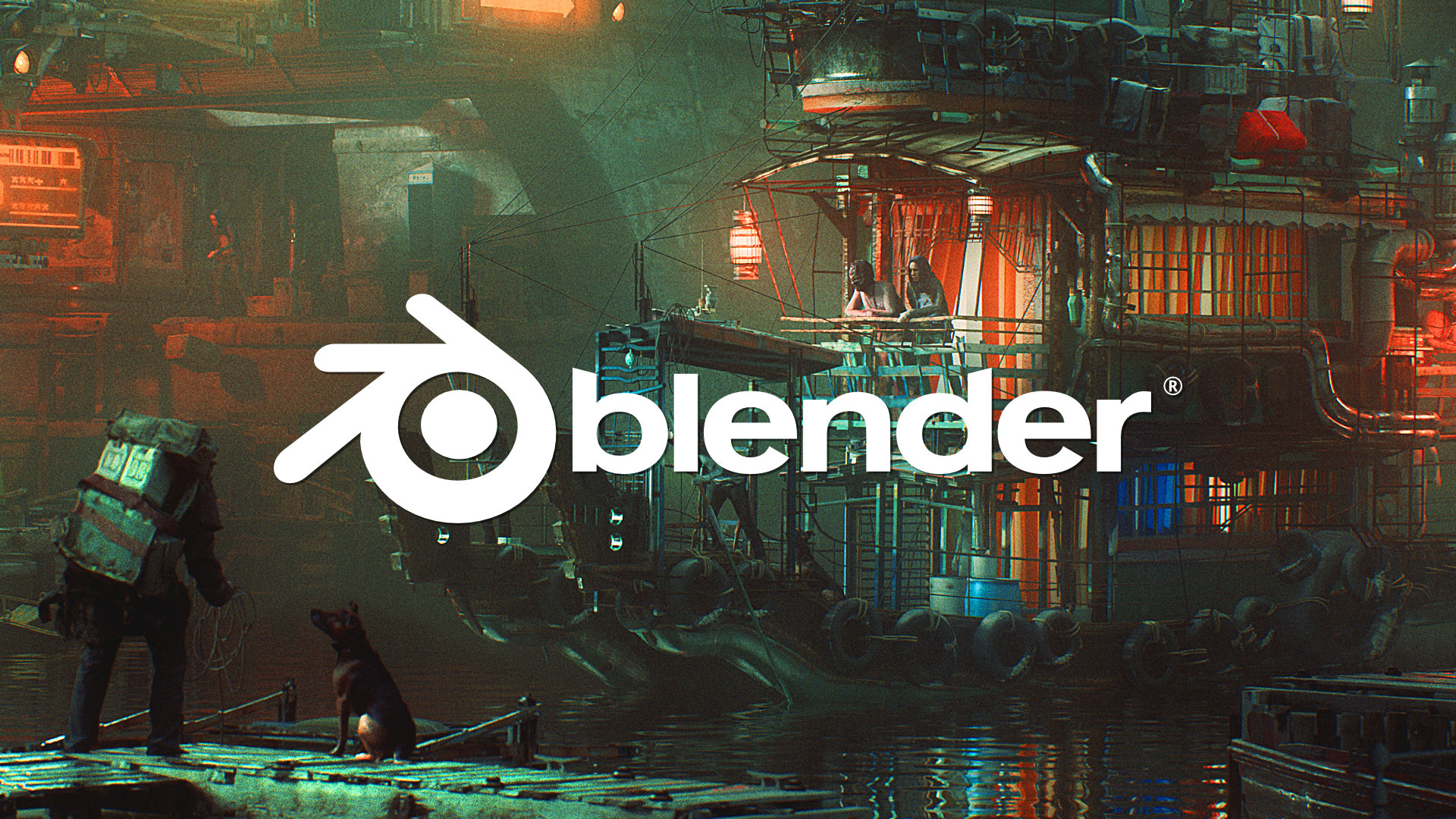
Blender expands the conversation entirely. Known widely for 3D work, yet its editing and compositing capabilities have grown into something substantial. Projects like Sprite Fright move through a full pipeline inside Blender, including animation, VFX, editing, and compositing within a single environment. It reshapes what editing can include, pulling multiple disciplines into one space.
Camtasia operates with a different goal altogether. Clarity. Tutorials, walkthroughs, educational content, internal training. No interest in cinematic language. It favors understanding. That focus shows up across creators teaching software, teams building internal systems, educators sharing knowledge, and professionals translating expertise into accessible formats.
Across all of these tools, a shared idea runs underneath. Control stays with the editor. The software doesn’t decide where a cut lands, doesn’t guess what carries weight, doesn’t shape the story on its own, and doesn’t override intent. It waits. That space, the gap between footage and decision, holds the real work.
Editing has never centered on assembling clips. It is a process of choosing. What stays, what leaves, what matters, what falls away. Rhythm, instinct, taste, timing. These develop over time. No shortcut replaces that. Astle sums up the boundary clearly: “Developing the final concept for a production, as well as specific creative elements like rhythm, flow, and style” remains firmly in human hands.
Tools will continue to evolve. That part never changes. Yet the core question remains, sitting behind every timeline and every cut: What do you want to say?