For the last decade, digital platforms have begun to shape not only our entertainment but our identities. It’s become easier than ever to be connected, and yet it can be harder than ever to feel truly part of something real. Sure, our social feeds learn our preferences, suggest our friends, and can even generate our art, but behind the curtain of recommendation engines and glowing screens, our need for genuine community is stronger than ever.
That’s where grassroots creative events come in; small in scale, enormous in impact. From the adrenaline of the 48 Hour Film Project, where teams race against the clock to tell original stories, to the intimacy of a Silent Book Club gathering, these happenings offer something digital spaces can’t replicate: true presence, participation, and shared humanity.
Social media platforms optimize for what holds attention, not what nurtures it. In-person creative events offer a countercultural kind of value. A PechaKucha night doesn’t go viral, but it gives you ten real people speaking about what they care about, in 20 slides at 20 seconds apiece, live and unfiltered.
The Moth StorySLAM doesn’t care if your story fits a trend; it only asks that it be true. These formats reward vulnerability, not virality. They strip away the metrics and replace them with meaning.
Social Media Apps by ajay_suresh
We’ve never had more tools to collaborate from afar, yet alongside the advantages of working from home, new working habits have also increased our need for shared experience.
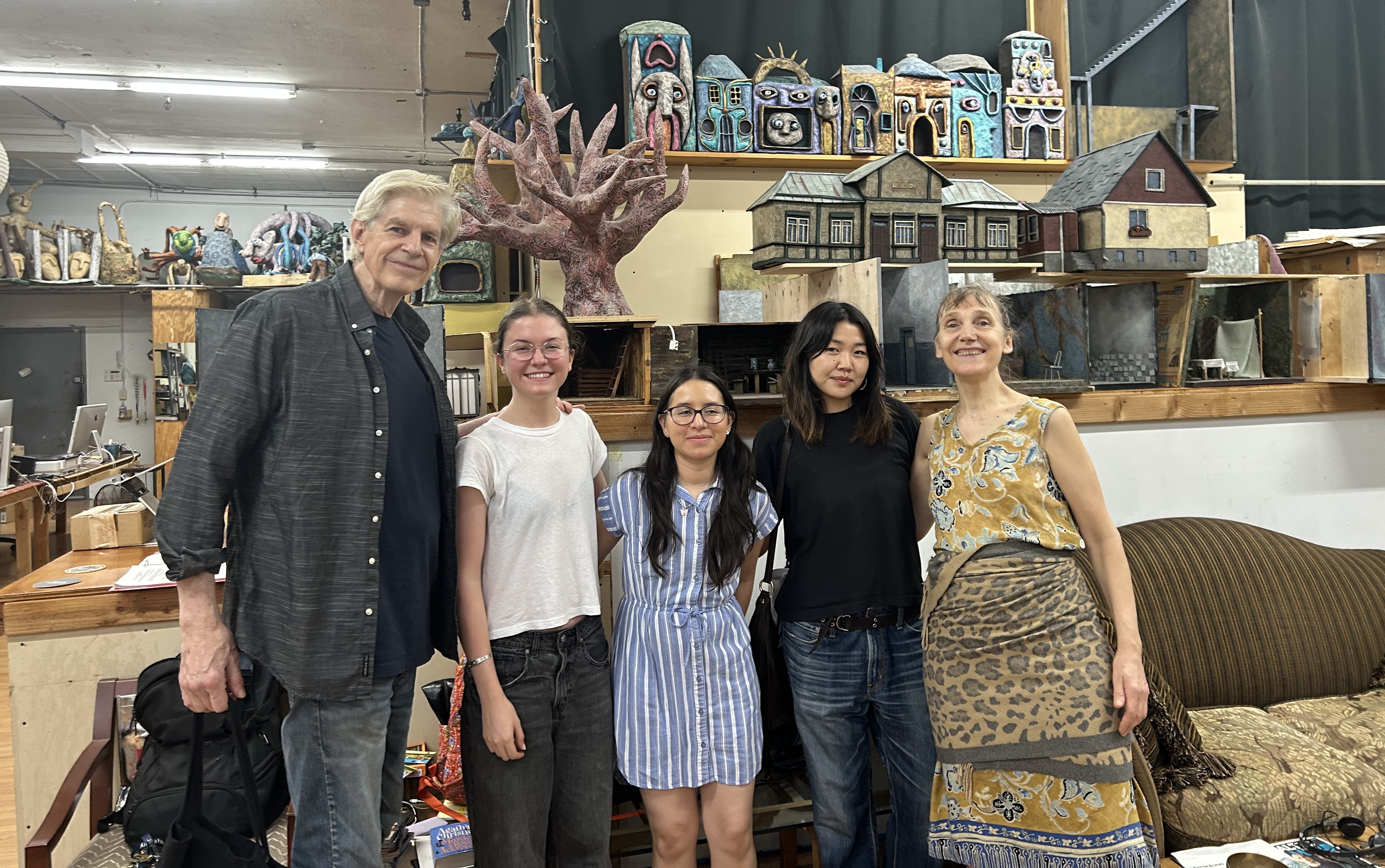
You can’t feel the hum of creative energy while sketching alone in your kitchen. But at a SketchCrawl, you can. At a Maker Faire, you’ll meet kids soldering circuits next to retirees making puppets. These events generate serendipity. They dissolve social silos and invite curiosity. You might come for your medium, but you’ll stay for the cross-pollination.
Events like NaNoWriMo or The 100 Day Project remind us that making art isn’t always about brilliance; it’s about momentum, mutual support, and accountability. These communal creative challenges let us ride the wave of shared effort. The knowing glance from someone else halfway through their novel draft, the public celebration when you finish your short film on no sleep, these are the moments that fill our creative tanks.
And crucially, these gatherings normalize the struggle. They replace the illusion of effortless genius with a truer story: creativity is messy, iterative, and collective.
Beyond personal growth, community creative events do something quietly radical: they nurture civic imagination. In cities where distrust and division run high, events like First Fridays, Drunk TED Talks, or Nerd Nite offer low-stakes spaces to gather, listen, laugh, and learn from neighbors.
These moments matter. They rebuild the “we.” They don’t ask for political alignment or demographic targeting. They only ask for curiosity and a willingness to show up.
The antidote to an algorithmically curated culture isn’t to unplug entirely; it’s to rehumanize the spaces between us.
So whether it’s a fast-paced filmmaking weekend or a quiet read-in with strangers, these creative events don’t just celebrate art. They preserve what makes art worth making in the first place: connection.
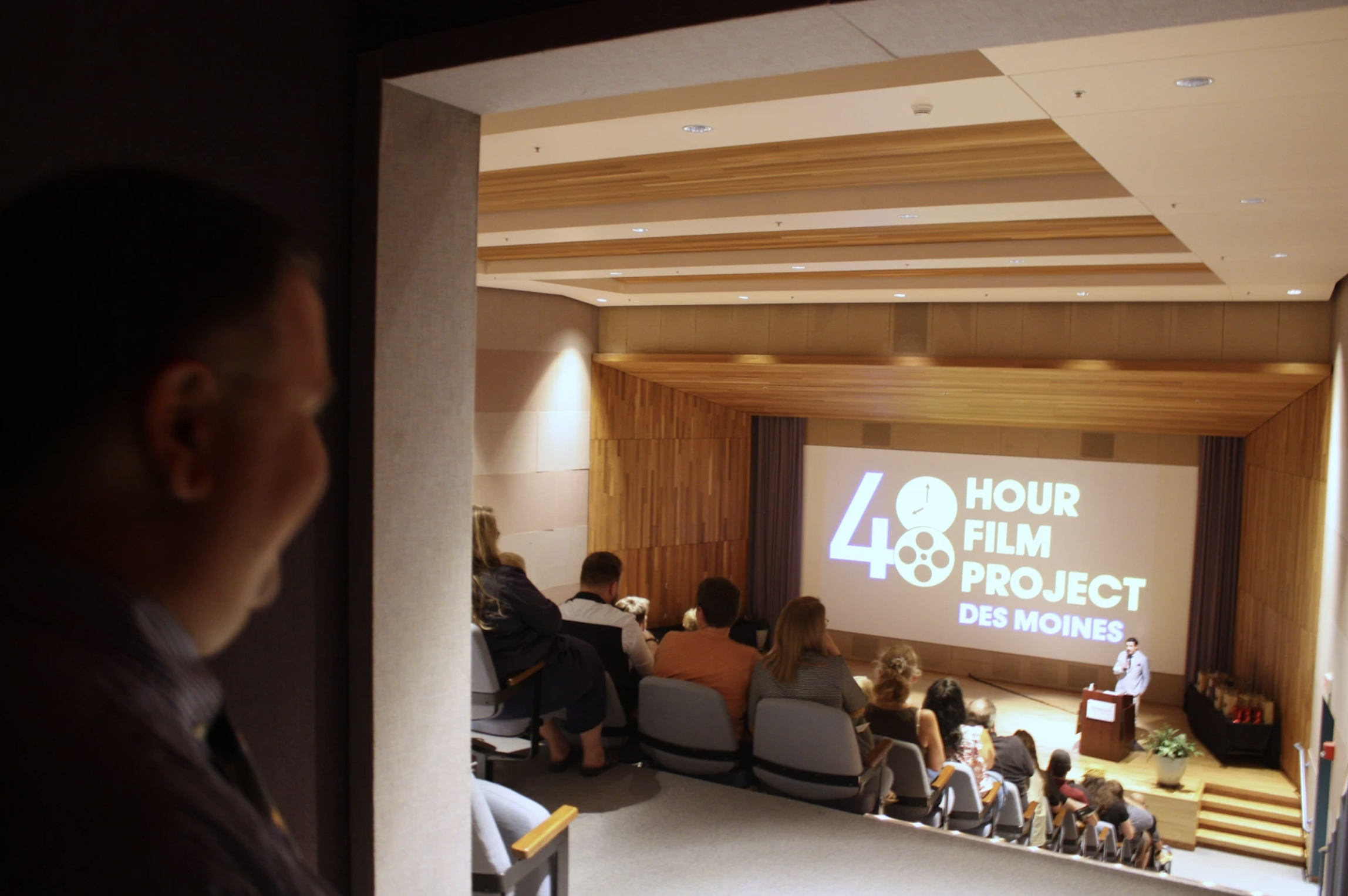
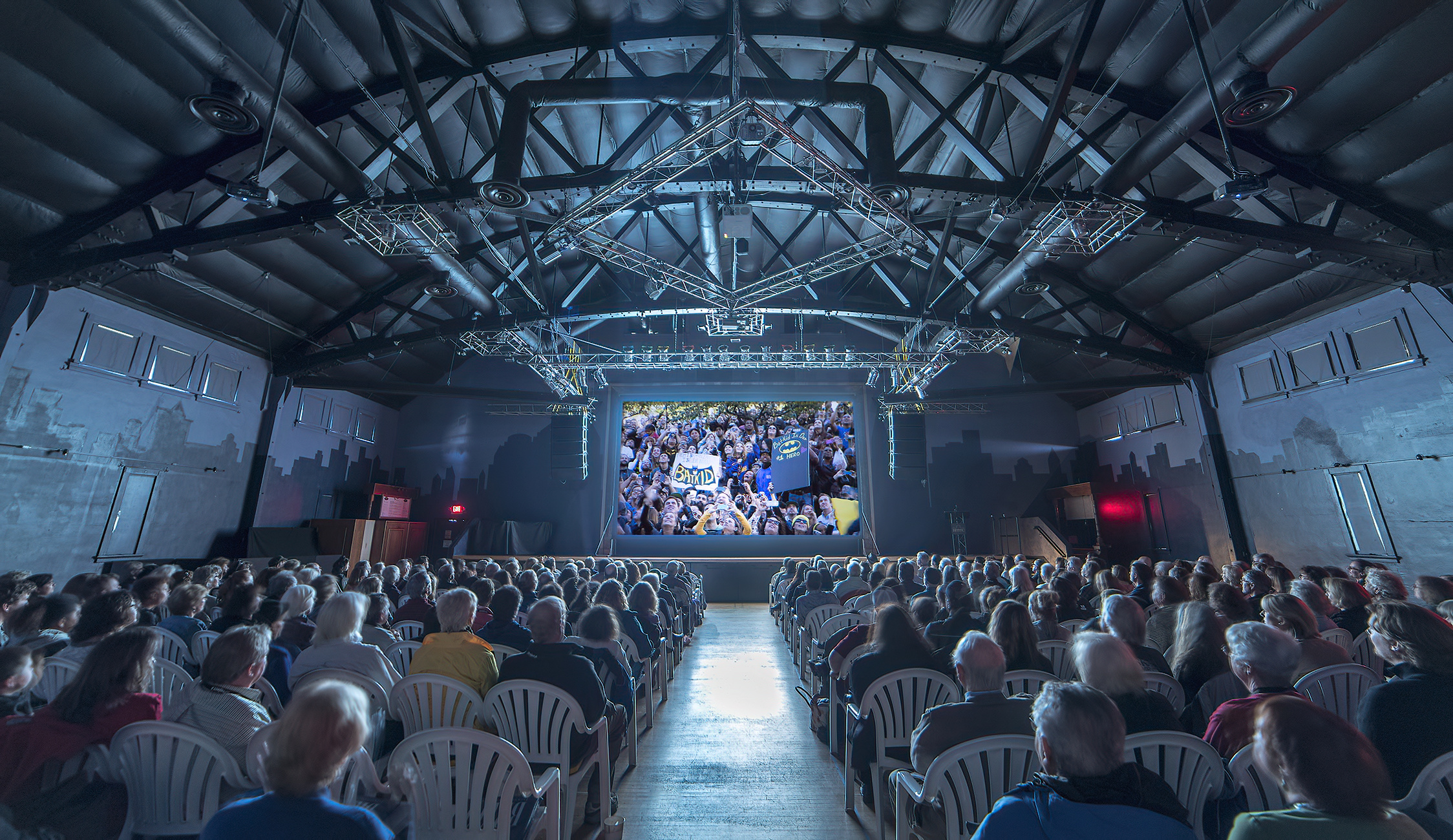
48 Hour Film Project Screening by James Watson
From quickfire film races to quiet book clubs, here are 10 creative events that turn cities into playgrounds for connection.
Filmmakers are working with the world's biggest brands on Tongal.