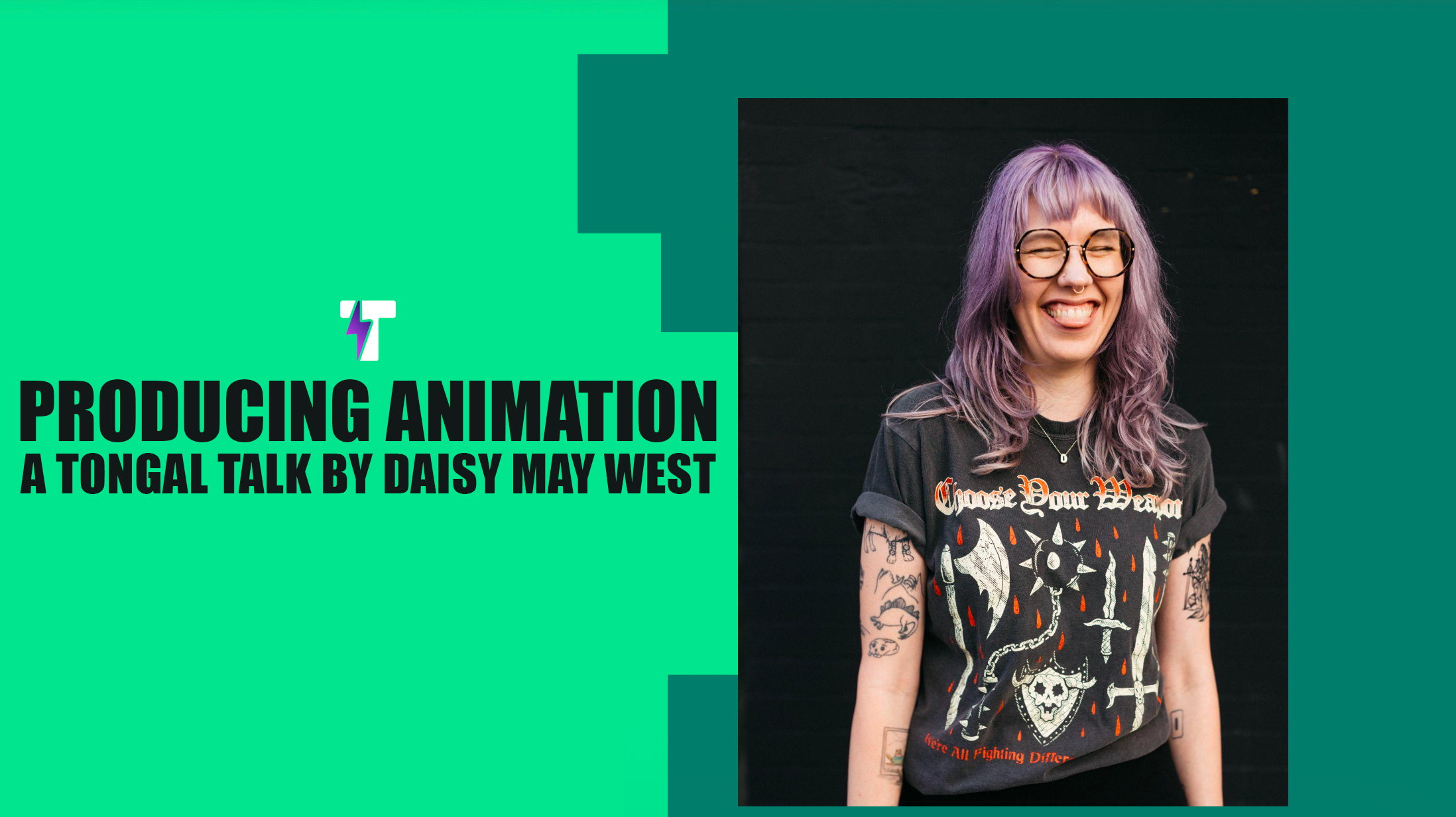
In Daisy May West’s Tongal Talk, she gave Tongalers a grounded, behind-the-scenes look at what it actually means to be an animation producer. Mixing personal experience with practical insight, West framed producing as the bridge between creative vision and execution, about building the structure that allows ideas to come to life.
West’s path into producing was unconventional. She mentions, "For 10 years I freelanced and worked small studio jobs, learning a multitude of both practical and life skills." Through this path, she developed a wide-ranging skill set in drawing, writing, editing, and animation. That experience, she explained, was essential. Producers don’t need to do every job, but they do need to understand each stage of the pipeline well enough to support the teams executing it.
A central theme of West’s talk was redefining the producer role. Despite the common misconception that producers are just logistical managers, West showcased producers as architects within the creative process. They balance ambitions with budget realities, studio expectations, and constantly shifting variables.
Producers are responsible for keeping both the creative and operational sides moving in sync with each other, whether it’s adapting a project’s format, navigating IP, or aligning stakeholders. West also spoke about the range of producer titles, each carrying different responsibilities depending on the project.
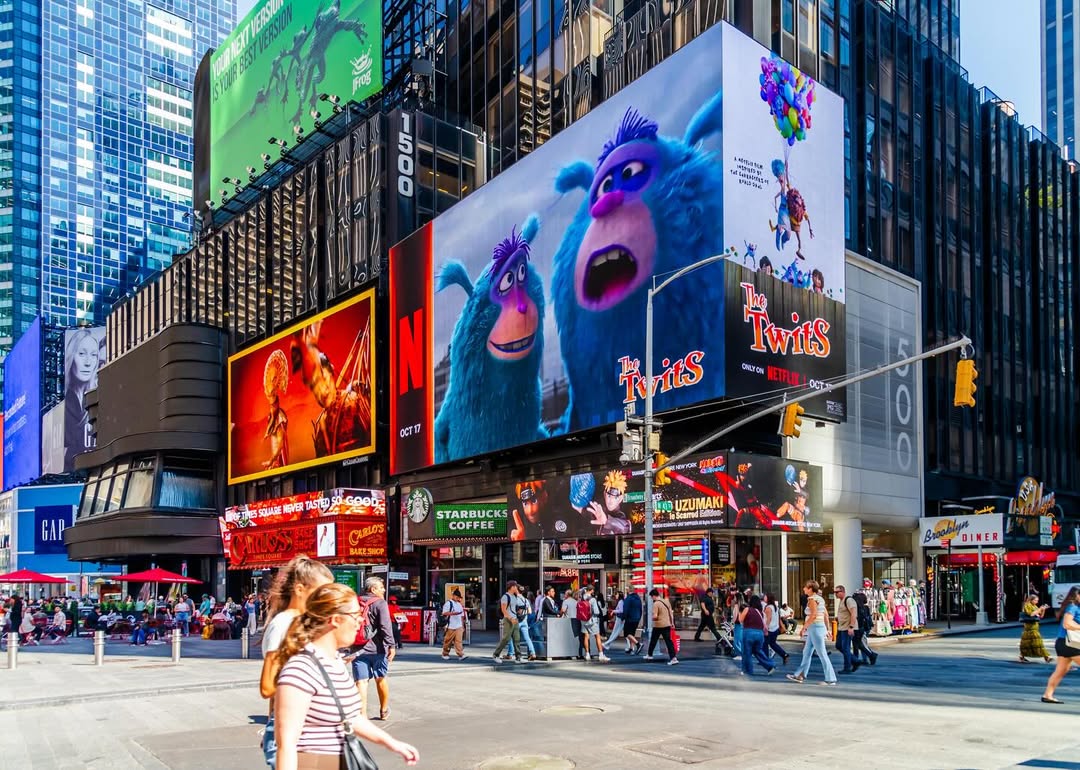
The Twists produced by Daisy May West
May states, "As a Producer, your role is to understand the entire process of making a film, series, or game. You do not need to be skilled in every department; that’s why it takes a village! But you do need to understand each stage to appropriately support the teams working on the project."
Producers are involved at every stage of a project. From early development and team building to production pipelines and post-production delivery, the role is continuous. They collaborate with story and editorial teams, help assemble design departments, work alongside writers, and coordinate marketing efforts (such as trailers and key art). The job is about understanding how all the pieces connect.
Every project operates within constraints that shape creative outcomes. Lower-budget productions may require tighter schedules and simpler assets, while larger productions allow for more flexibility, bigger teams, and longer timelines. For producers, understanding scope, everything from animation quotas to character counts, is critical in translating vision into something achievable.
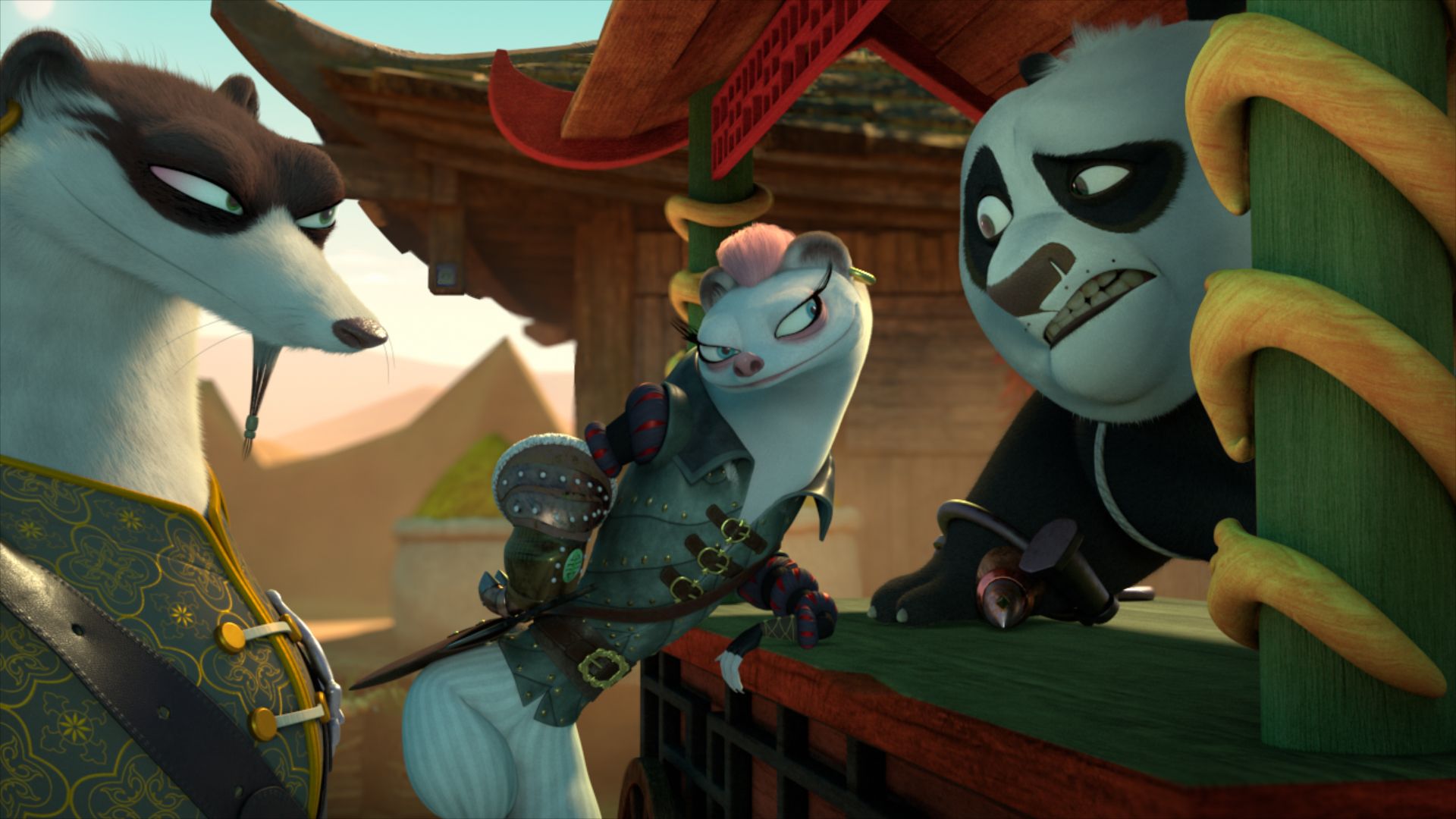
Kung Fu Panda: The Dragon Knight produced by Daisy May West
Producing is about people. West highlighted the importance of communication, transparency, and the ability to navigate difficult conversations. Managing both teams and stakeholders requires emotional intelligence as much as technical knowledge. Strong collaboration depends on respect, clarity, and the ability to adapt to different personalities and challenges. West makes mention that "Managing people is a skill, it is something that can be learned."
West’s talk ultimately positioned producing as a dynamic, multifaceted role that blends creativity, structure, and leadership. For the Tongal community, it spoke to how there’s no single path into producing, but success comes from understanding the full process and guiding projects from idea to execution.
In today’s evolving production landscape, producers remain the driving force that turns creative ambition into something real.
Filmmakers are working with the world's biggest brands on Tongal.