
Pride Month is a time to celebrate LGBTQIA+ communities, honor the artists, content creators, and trailblazers who helped create visibility, and recognize the stories that continue to shape culture.
At Tongal, creators have explored queer history and representation through documentaries, animation, and interviews that take a look at how LGBTQIA+ stories have evolved across media. This Pride Month, we're revisiting a few projects that highlight the power of representation and storytelling.
Sesame Pride
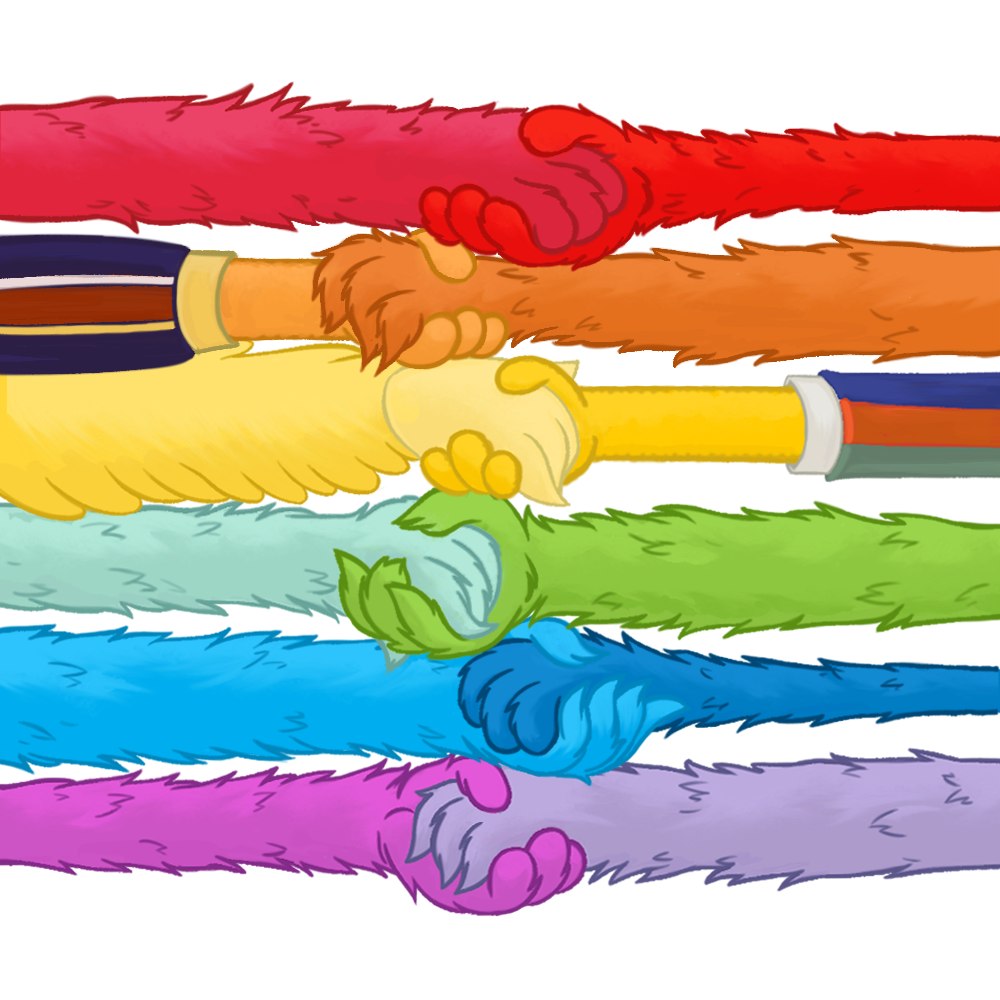
"It's probably the most-viewed, most liked, piece of art I've ever made. I get excited every time I see it posted again. I'm really proud of it and the impact that it's had."
When our Pride Month image for Sesame Street was posted on the flagship PBS show's social media channels in June 2020, it quickly became an iconic symbol of community, inclusivity, and support. The viral artwork — by Tongal Creators Hailey Kathler and Heath Affolter — was used repeatedly by Sesame Street in the years that followed. And the reaction last year was bigger than ever, with 900k people liking the image across social media channels within three days. Learn more about the creative in our interview with Hailey and Heath last year.
“Queer characters deserve to be seen, because queer viewers deserve to see their stories.”
Written by Morgan Swank and voiced by Aidan Laliberte, History of Queer Animation traces nearly a century of LGBTQIA+ representation in animation. From the restrictions of the Hays Code to groundbreaking series like Steven Universe, the documentary explores how queer creators and characters have helped reshape the medium and expand visibility for future generations.
“Speculative fiction is a powerful medium for both queer audiences and writers alike, because it empowers narratives and characters that disrupt our worldview, for the better.”
Science fiction and fantasy have long offered creators a unique space to explore identity, belonging, and social change. Queer Representation in Speculative Fiction examines how franchises like Star Trek, Doctor Who, Buffy the Vampire Slayer, and the works of Octavia Butler have contributed to LGBTQIA+ representation through storytelling, video production, and world-building.
Created by Collin Travassos with digital assets and timeline design by Ryan Larkin, this animated timeline highlights key moments in queer representation across animation history. Featuring milestones from series like Sailor Moon, The Legend of Korra, Adventure Time, and Steven Universe. It gives us a glimpse of how far representation has come, and the work that continues ahead.
“These characters have a chance to come out of the closet and have exposure to new and old fans alike without worrying about erasure.”
Rise of Anime and Its Censorship in America explores how queer characters were often altered or removed during anime adaptations for U.S. audiences. Focusing on examples like Sailor Moon's Sailor Neptune and Sailor Uranus, the documentary examines the impact of censorship and the growing push toward authentic representation.
“There were so few people who were willing to be visible at the time, so just having people be out, to know that they existed, that they were there, was important.”
In this interview, Hedwig and the Angry Inch co-creator and composer Stephen Trask discusses creativity, artistic expression, and the enduring influence of one of the most celebrated works in queer theater and cinema.
Representation is about preserving history, building empathy, and creating space for future storytellers. These projects reflect the many ways LGBTQIA+ stories have shaped animation, film, TV, and pop culture.
This Pride Month, we're proud to celebrate the creators who continue to tell those stories and help audiences see themselves reflected in media.