
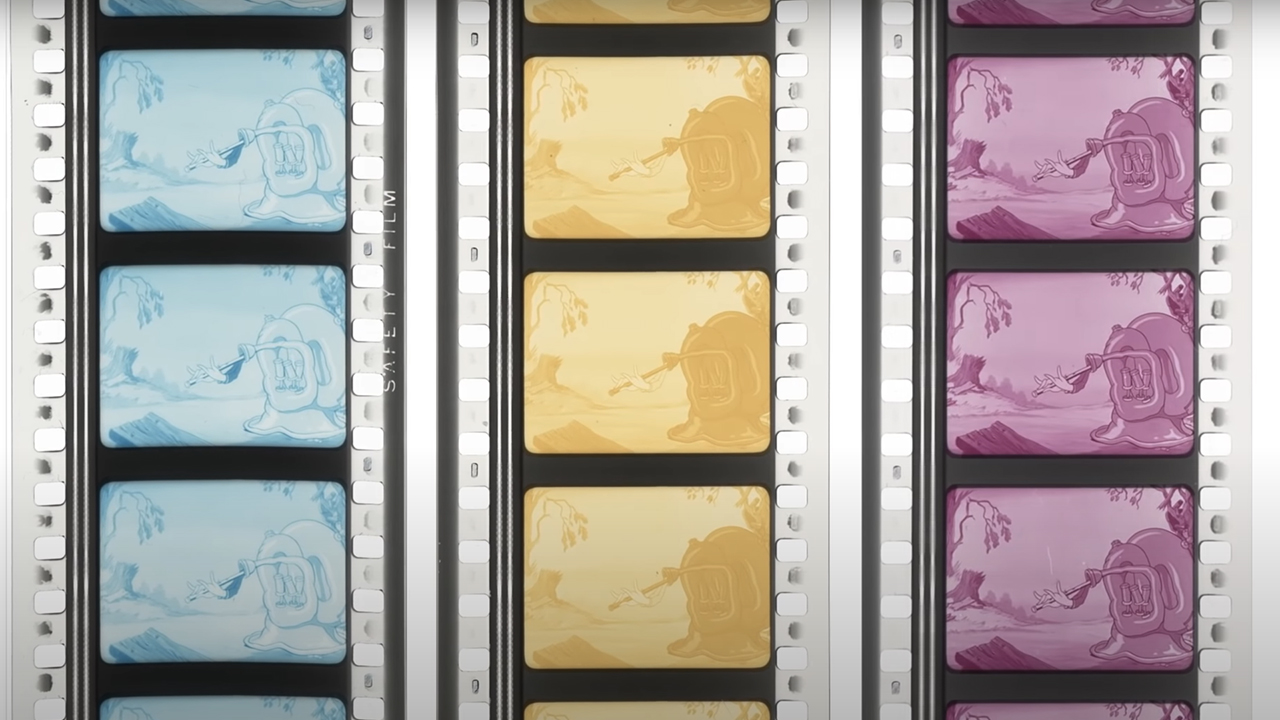
If Part 1 taught us anything, it’s that cinema’s bones are sturdy reels of celluloid and magnetic hums; but it’s color and spectacle that breathe life into the frame. This second chapter of our guide uncovers how filmmakers took black-and-white dreams and drenched them in ruby reds, emerald greens, and oceans of blue, and how they tricked our eyes into believing the screen could reach out and grab us.
Early color was a marvel of patience and alchemy: imagine artists tinting thousands of tiny frames by hand or inventors spinning filters faster than a magician’s sleight-of-hand to splash stories with color. From Méliès’ painted fairylands to Technicolor’s lush Hollywood classics, these inventions turned motion pictures into motion paintings. And as color evolved, from Kinemacolor’s ghostly reds and greens to Eastmancolor’s everyday ease, filmmakers gained a whole new palette for storytelling, experimenting with mood, genre, and fantasy like never before. This is where cinema learned to dream in full, riotous color.
Hand Tinting / Stencil (1890s - 1920s) - Each frame tinted by hand; laborious but magical. Méliès and Pathécolor classics.
Kinemacolor (1908 - 1914) - Two-color additive process; spinning filters projected red and green frames. First commercial color system.
Technicolor 2-Strip (1917 - 1932) - Red and green dyes printed on film strips. Early musicals and fairytale shorts.
Technicolor 3-Strip (1932 - 1955) - The gold standard of classic Hollywood color: Wizard of Oz, Gone with the Wind. Required giant cameras, dazzling results.
Cinecolor / Trucolor (1930s - 1950s) - Cheaper two-color rivals to Technicolor. B-movies, westerns, and cartoons.
Eastmancolor (1950 - present) - Single-strip color negative made color easy and cheap. Universal by the late 50s.
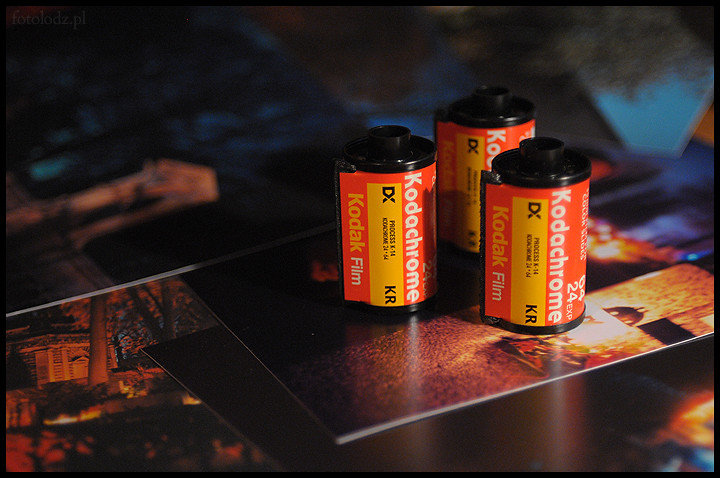
Kodachrome by Łódź Rysowana Światłem
While early color was a laboratory wonder, modern stocks gave filmmakers practical magic, the power to shape mood, memory, and realism with stunning precision. From Kodachrome’s famously rich slides and family reels, to Agfa and Fuji’s global palette (beloved in anime cels and European art cinema), these stocks set the tone for generations of images burned into our brains.
By the 1990s, Kodak’s Vision line brought filmmakers forgiving negatives with cinematic warmth that directors like Nolan and Tarantino still swear by. And today, the Digital Intermediate transformed how we finish a film: scanning celluloid to digital lets colorists tweak every frame, crafting the final look with all the nuance of brushstrokes on a masterpiece, then printing it back, so the old magic meets the new.
Kodachrome (1935 - 2009) - Reversal film with unmatched archival stability and vibrant look. Beloved for slides and home movies.
AgfaColor, FujiColor (1936 - present) - European and Japanese rivals to Kodak’s stocks. Fuji popular in anime and global cinema.
Kodak Vision Stocks (1990s - present) - Modern color negative film - balanced, forgiving, beautiful skin tones. Still used by Nolan, Tarantino, PTA.
Digital Intermediate (DI) (2000s - present) - Scans film into digital for color grading, then outputs back to film or DCP. Industry standard for finalizing a look.
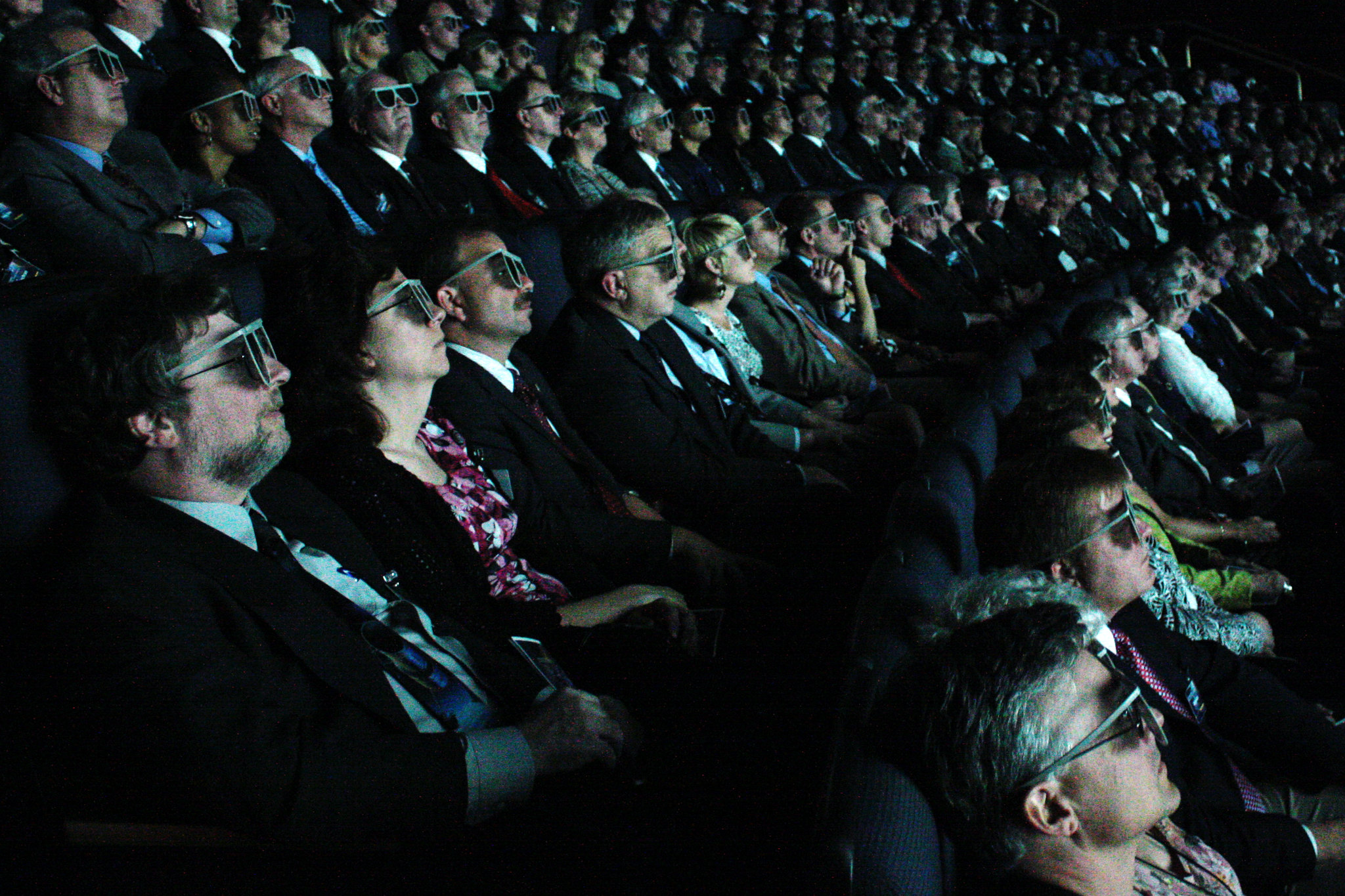
Viewing 3D IMAX clips by NASA Goddard Space Flight Center
If color brought movies to life, 3D gave them a heartbeat you felt like you could touch, or dodge. It all began with Anaglyph, the iconic red-and-blue glasses that turned comic books and old horror flicks into pop-out fun (still a nostalgic gimmick at theme parks and retro nights). Then came Polaroid 3D, using polarized light to keep colors true; a game-changer that powered 1950s hits like Creature from the Black Lagoon and lives on in modern blockbusters.
Brief, but glorious - Natural Vision 3D brought audiences flocking to see House of Wax in 1953, sparking the first big 3D boom with paired cameras and projectors for left and right eyes. IMAX 3D took things further, blending massive 70mm film with depth-defying spectacle (think Avatar’s breathtaking Pandora or immersive nature docs). The 2000s revival arrived with RealD 3D and Dolby 3D, adding crisp digital projection and comfortable glasses to the multiplex experience. And for those who’d rather skip the eyewear altogether, Autostereoscopic 3D teased a future of glasses-free thrills on lenticular screens; mostly in TVs and handhelds so far, but who knows where the next dimension will pop out next?
Anaglyph (1920s - present) - Red/blue or red/green glasses separate left/right images. The classic comic book 3D.
Polaroid 3D (1952 - present) - Polarized lenses filter light to each eye; no color distortion. It became standard for big-screen 3D.
Natural Vision 3D (1953 - 1954) - First major 3D boom (House of Wax). Paired cameras/projectors for left/right.
IMAX 3D (1986 - present) - Massive dual 70mm projectors for breathtaking depth. Avatar and modern docs.
RealD 3D / Dolby 3D (2005 - present) - Digital projection + polarized glasses. Revived 3D for the multiplex.
Autostereoscopic 3D (2010s - present) - Glasses-free 3D using lenticular screens. Mostly used in TVs and handhelds.
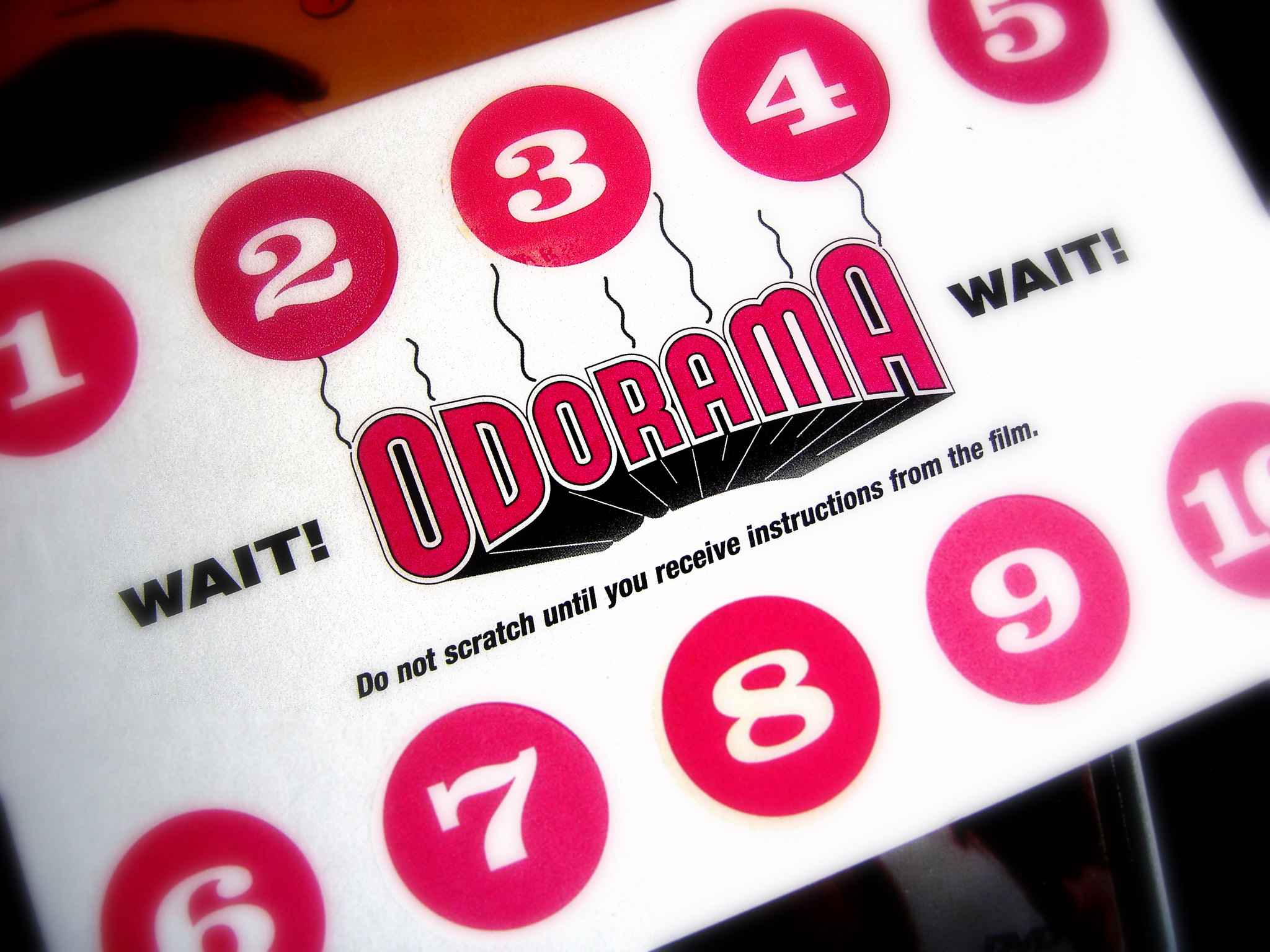
What kind of odors? by Andy Melton
Sometimes, cinema’s inventors just can’t resist pushing the senses beyond sight and sound, for better or weirder. Sensurround (1974 - 1977) cranked up the bass to earthquake levels, literally vibrating audiences’ seats during Earthquake and rattling concession stands everywhere. Then there was the infamous Smell-O-Vision (1960): one glorious experiment where Scent of Mystery piped odors directly into theaters, a single whiff-and-you-miss-it run that remains legendary for its bold, fragrant flop.
Not to be outdone, John Waters gave us Odorama (1981), handing Polyester fans scratch-and-sniff cards to unleash whiffs of dubious delight exactly when needed; a cult classic twist that smells like cinematic mischief. And who knows what’s next? Maybe your VR headset will spritz ocean breeze during beach scenes, or your home projector will come with built-in wind gusts and seat shakers for your DIY Sensurround revival. One thing’s certain: filmmakers will never stop dreaming up new ways to tickle our senses, even the ones we wish they wouldn’t!
Sensurround (1974 - 1977) - Low-frequency subwoofers rumbled theaters during Earthquake. Shook seats, rattled popcorn.
Smell-O-Vision (1960) - Yep, you read that right - Scent of Mystery pumped smells into the theater on cue. Lasted one movie. Bless them for trying.
Odorama (1981) - The iconic John Waters’ scratch-n-sniff cards for Polyester. Smells like cult cinema to us!
Filmmakers are working with the world's biggest brands on Tongal.