
Building a creator career today looks nothing like it did in Hollywood, even just 10 years ago, but somehow it still has all the same problems (attention, budgets, gatekeepers, burnout, ego, deadlines, revision, distribution). Thankfully, some filmmaker memoirs are basically field manuals — not because they teach you the “right” way, but because they show you the real way: messy, improvised, political, lucky, unfair, and occasionally brilliant. Below are ten books and the most practical takeaways for indie filmmakers and social-first creators that’ll give you some really great tips on how protect your voice, navigate power, and keep making things even when the system pushes back.
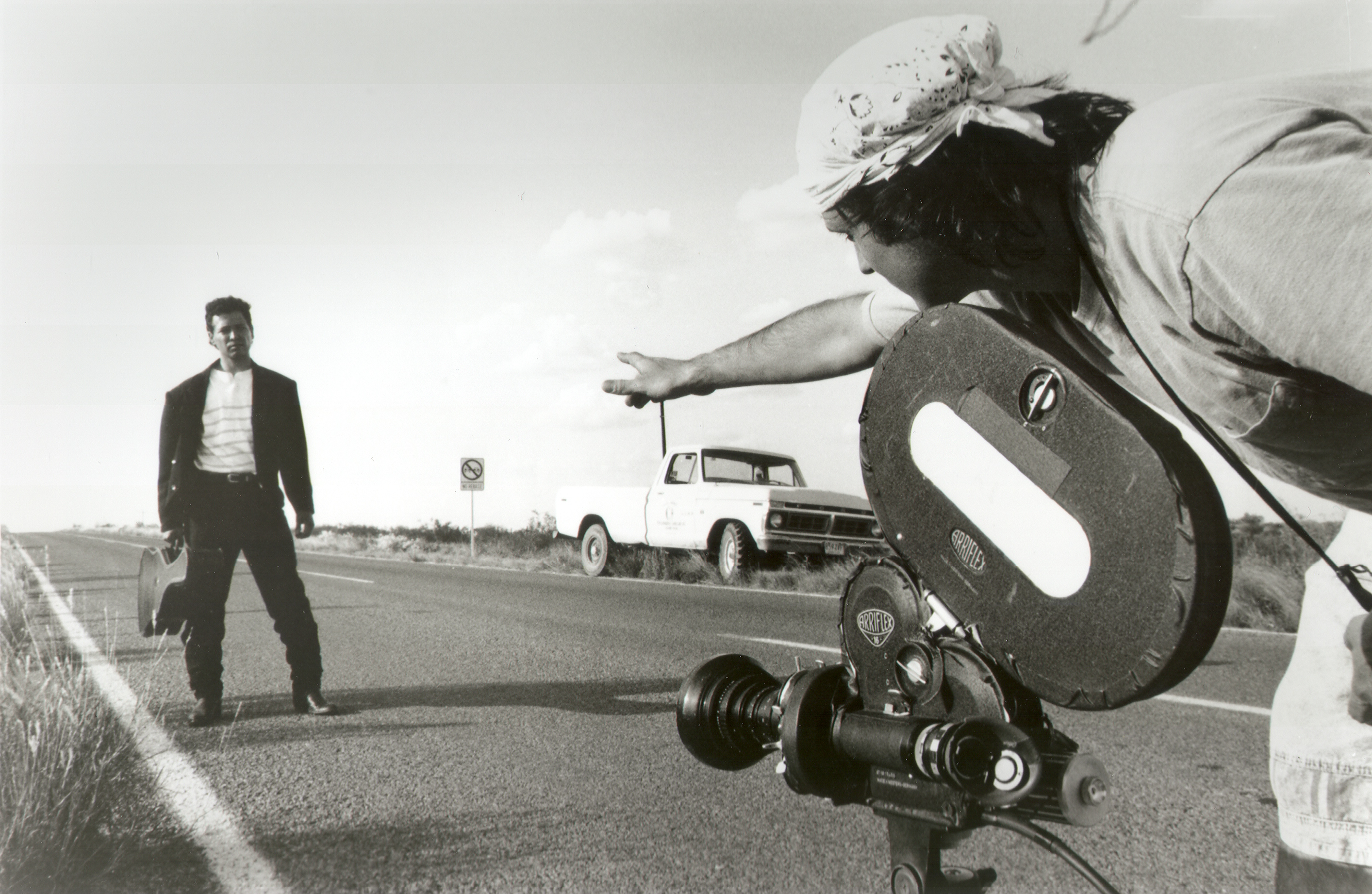
Robert Rodriguez directing Carlos Gallardo (Source: Book “Rebel Without A Crew”)
Rebel Without a Crew by Robert Rodriguez
This book is fuel. Do you hear me? Fuel! Rodriguez walks you through how he made El Mariachi with almost no money while turning just about every limitation into a creative advantage. Yes, the scrappiness is powerful but so is the mindset. Rodriguez didn’t wait for permission, he didn’t wait for the perfect conditions, because honestly, when do those ever really come to us? Instead, he used what he had and moved forward. For indie and social creators, this book is especially relevant in an era of phones, small crews, and faster than light distribution. It gently, yet firmly takes your hand and says: “Shh, it’s okay baby, just start now”. And remember, whenever in doubt, your constraints might actually be your style forming in real time.
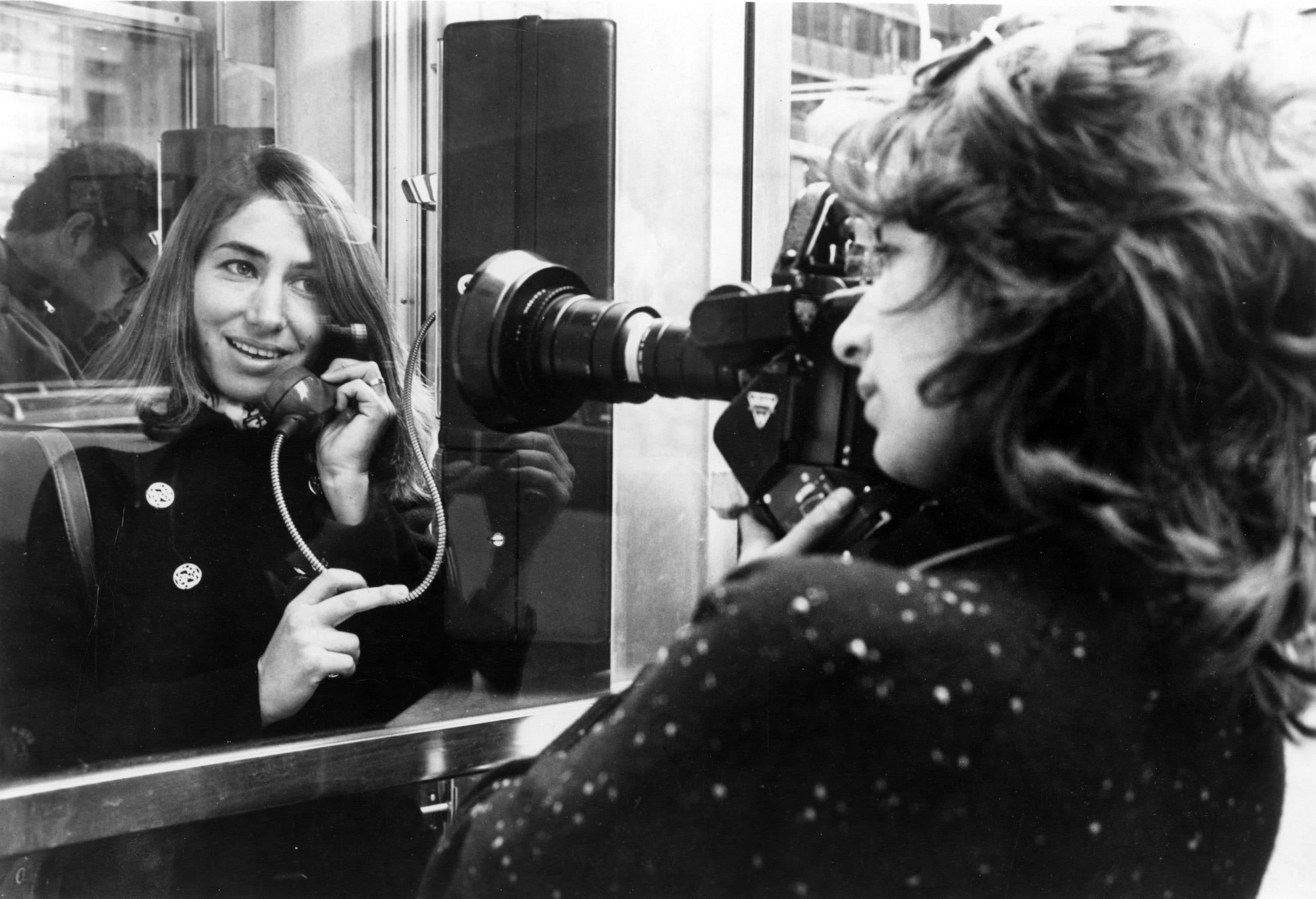
Claudia Weill filming Joyce Chopra by Harvard Film Archive
Lady Director: Adventures in Hollywood, Television, and Beyond by Joyce Chopra
You may have never heard of Joyce Chopra. And that’s part of the point behind her memoir. Listen, not everyone working in this industry is going to have the name recognition of Stephen Spielberg or Oprah. Most of us are going to be working creators and filmmakers who may never have a biopic. But we will make the work that needs to be made; our own work, or for hire work we don’t care to brag about. Joyce Chopra is all of those things, which makes her memoir feels honest, grounded and wildly familiar. Chopra writes about directing across decades in film and television while navigating systemic barriers that were often subtle and truly exhausting. Chopra isn’t out here dramatizing the struggle, she just documents it. For creators today, especially women and underrepresented artists, you might find this book offering you reassurance that persistence is not weakness. We walked away from it with the confidence that building a long creative life will never really be about one big break. Instead, this book will remind you that it’s all about the work, and working.
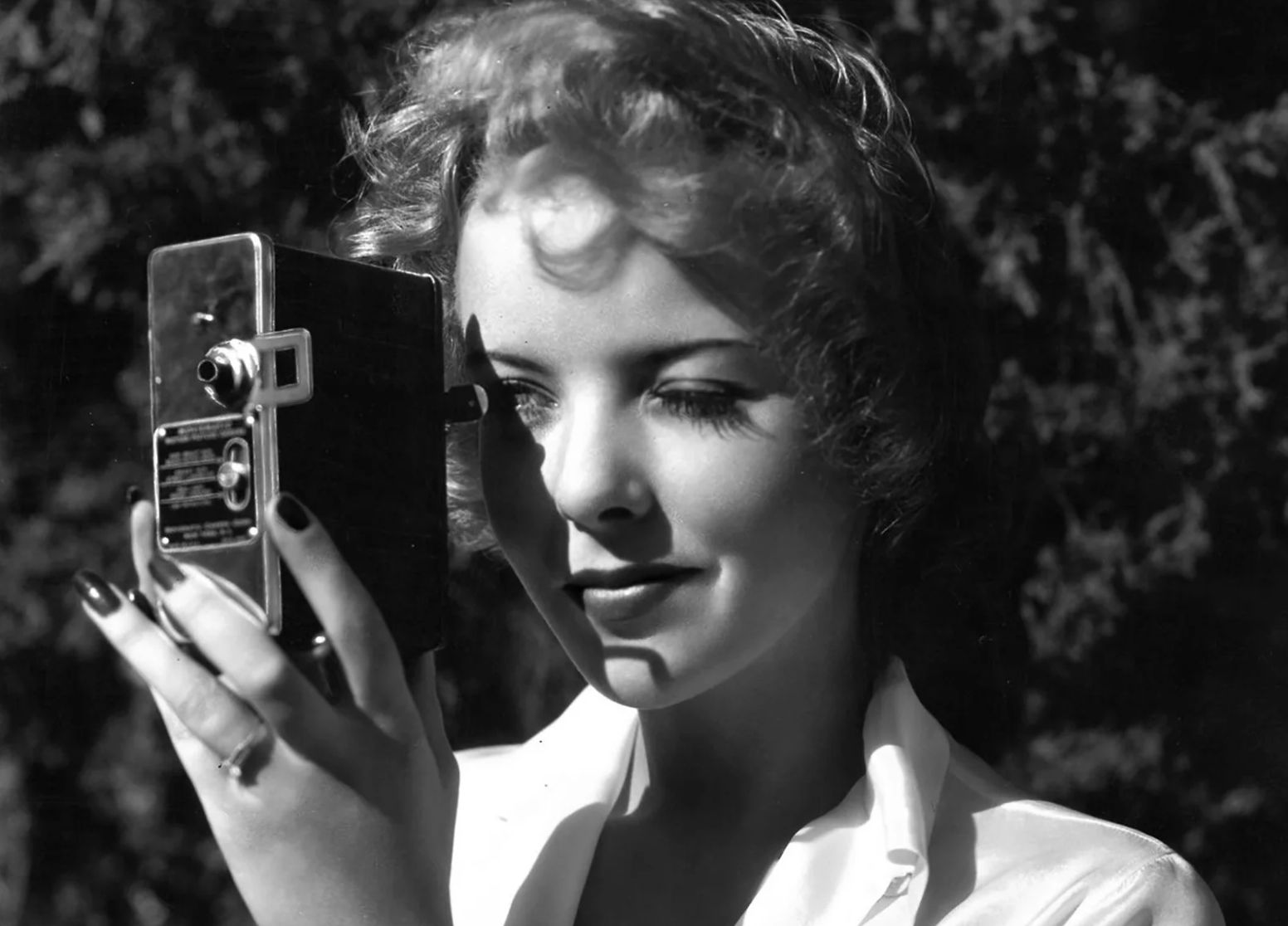 Lupino with her Moviematic 16mm Cine camera by Texas Press.
Ida Lupino, Forgotten Auteur: From Film Noir to the Director’s Chair by Alexandra Seros
This is a beloved book by many people on our team. A Production Assistant we gave a copy to told us that it “feels like finding a missing ancestor”. Ida Lupino was directing films in an era when women were rarely allowed near the director’s chair, and she did it with courage and a sh*t ton of grit. What makes this biography really special is how it shows her not as an exception, but as a working artist who kept finding ways forward when doors were closed to her. For so many of the creators we know today, especially the ones navigating industries that weren’t really built for them, it’s a reminder that creative control can be quiet, steady, and fiercely, fiercely intentional. Lupino is a wonderful example of someone that shows you that you don’t always have to shout to change the frame, you just have to keep showing up and doing the work.
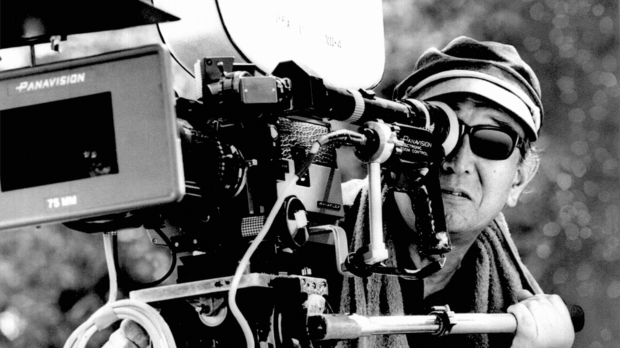
Something Like an Autobiography by Akira Kurosawa
Okay, seeing this one on our list most likely not a surprise. It’s one of the greats about one of the greats, but it’s also a universal experience about making art in the craziest damn times. Despite the conditions of growing up in a war, Kurosawa’s memoir is gentle and reflective. He shares his life with you like a craftsman thinking out loud about how he learned to see. He will tell you “I didn’t know this until I learned it” over and over again, and while that may seem like a “Duh” to you, it’s really nice to see when so few people are afraid to admit that they aren’t just born as human encyclopedias and let their egos run their lives. What we think makes it unique is how much Kurosawa credits his early influences of painting, literature, theater, and his brother’s love of film, as the catalyst for his entire career. It reminds you that great filmmaking grows from paying attention to the world long before you call yourself a filmmaker. For creators today, especially those working across platforms like ourselves, and most likely, you, this book is an absolute comfort. You’ll walk away from it knowing that your experiences, your influences, and all your detours are not distractions, they’re the very training that will set you on your way.
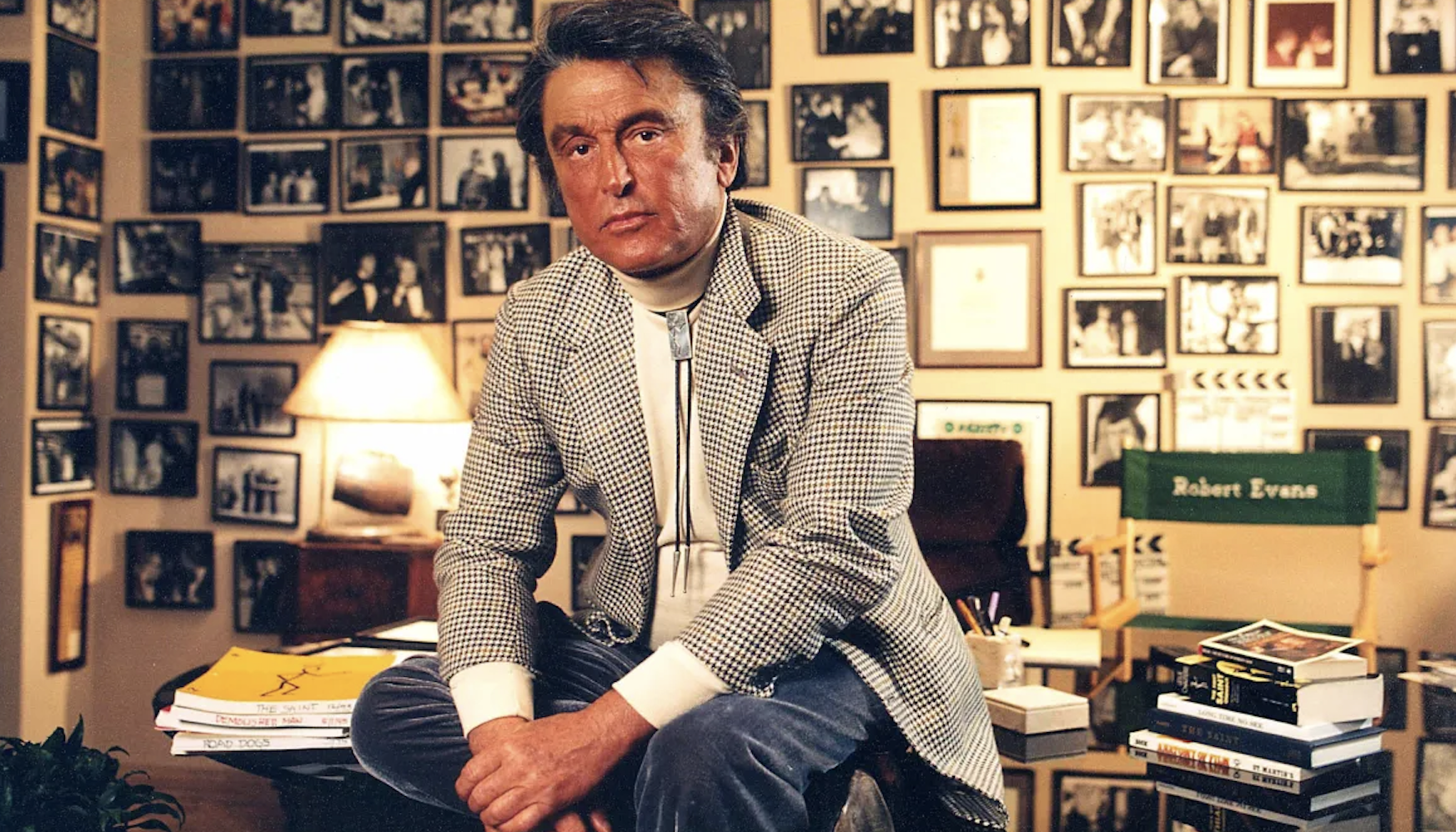
The Kid Stays in the Picture by Robert Evans
Robert Evans was truly the king of the last millennium of filmmaking. The iconic producer tells his story with a huge ego, a great deal of humor, and surprising vulnerability, which honestly, is what really makes it stand out. Yes, he has more success than most filmmakers will ever know, but through this book he reminds us all that he’s just as human as the rest of us. Evans paints a portrait of Hollywood power from the inside, while constantly reinventing himself. What makes this memoir important for us as creators is how he clearly drives home that while filmmaking an art, it’s also centered around relationships and negotiation, taste, and above all, timing. For modern creators it’s a great expose that never lets you forget that storytelling happens off-screen, too. The way you carry yourself, recover from failure, and build alliances can shape your creative life as much as the work itself.
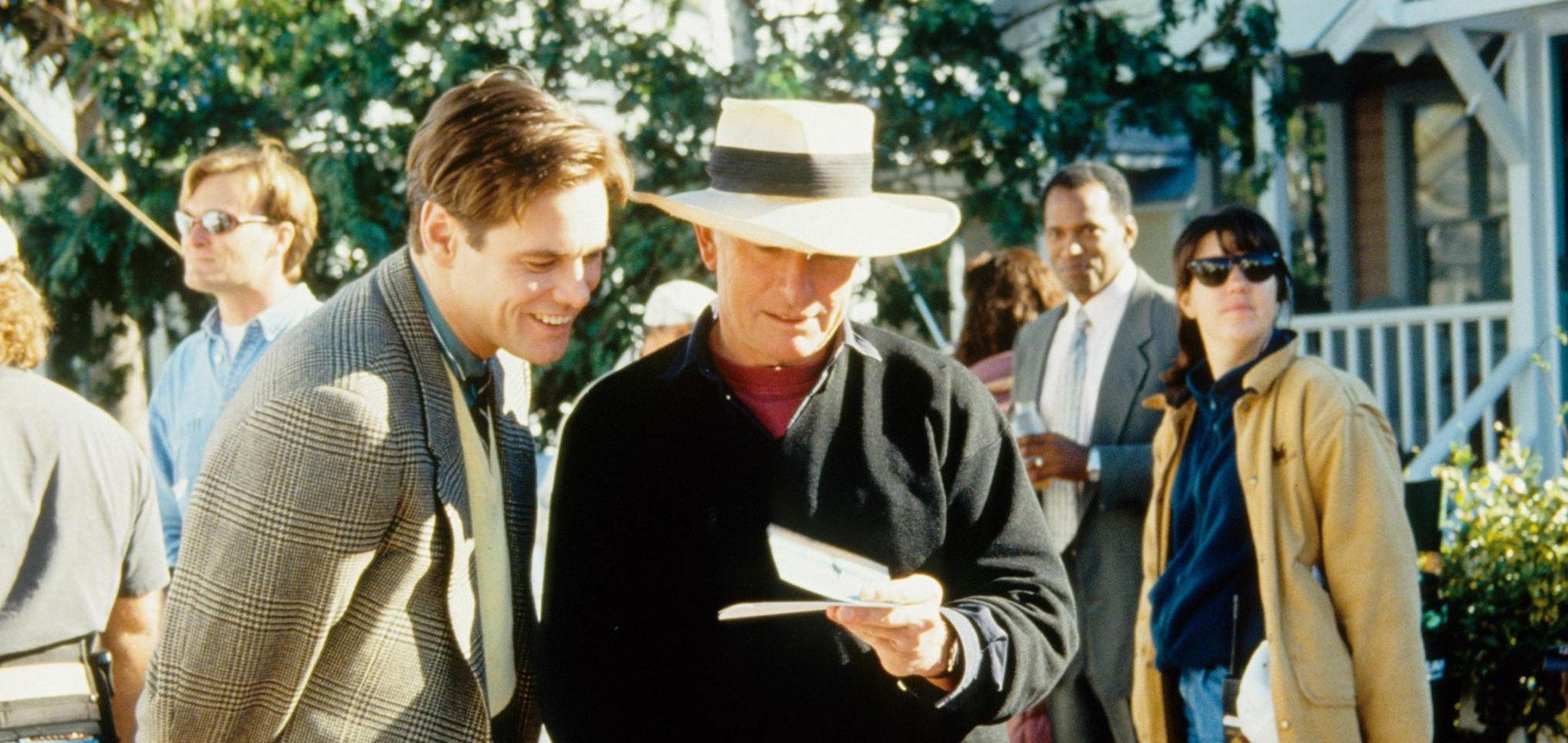
The Truman Show © 1998 Paramount Pictures
Memoirs and Misinformation by Jim Carrey & Dana Vachon
Okay, this book is not like the others, and that’s what makes it valuable. This isn’t entirely a biography, and it’s also not entirely non-fiction. Carrey and Vachon blend fiction and autobiography while playing with identity, fame, and above all, self-mythology. It will absolutely feel surreal at times, but underneath that sensation is a very real question: what happens when your public persona becomes bigger than you? This might be the best companion book to read after Joyce Chopra’s memoir, actually. For today’s creators (especially those building audiences online) it’s deeply, deeply relevant. It’ll make you ask (if you haven’t already) “who am I beyond the algorithm?” We felt like Carrey and Vachon were inviting us to protect our inner creative life, even when the world wants a character.
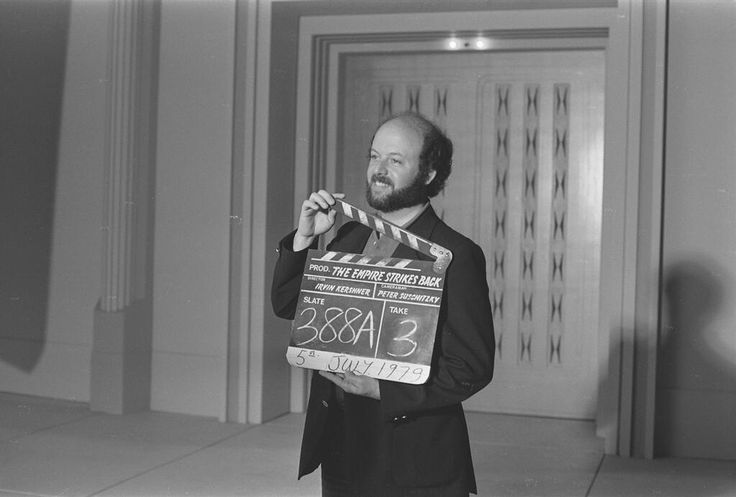
Paul Hirsh on the set of The Empire Strikes Back
A Long Time Ago in a Cutting Room Far, Far Away by Paul Hirsch
We love this book, and it’s most likely one you’ve come across on other book lists before. Paul Hirsch’s memoir is a love letter to editing and celebrates it as the invisible craft behind the writing that shapes emotion and meaning. What makes it unique, and often discussed, is how it solidifies the concept that filmmaking is rewriting…again and again, and again, and all in the edit. It’s full of practical insight about collaboration, rhythm, and the sometimes essential, quiet power of structure. For creators working in YouTube, TikTok, podcasts, or even documentaries, this book might feel especially useful because it will do it’s best to remind you that pacing is storytelling, too. The cut is not technical, despite all the tech talk involved, no – the cut is emotional. Sometimes the real film doesn’t appear until you start trimming away what you thought you needed.
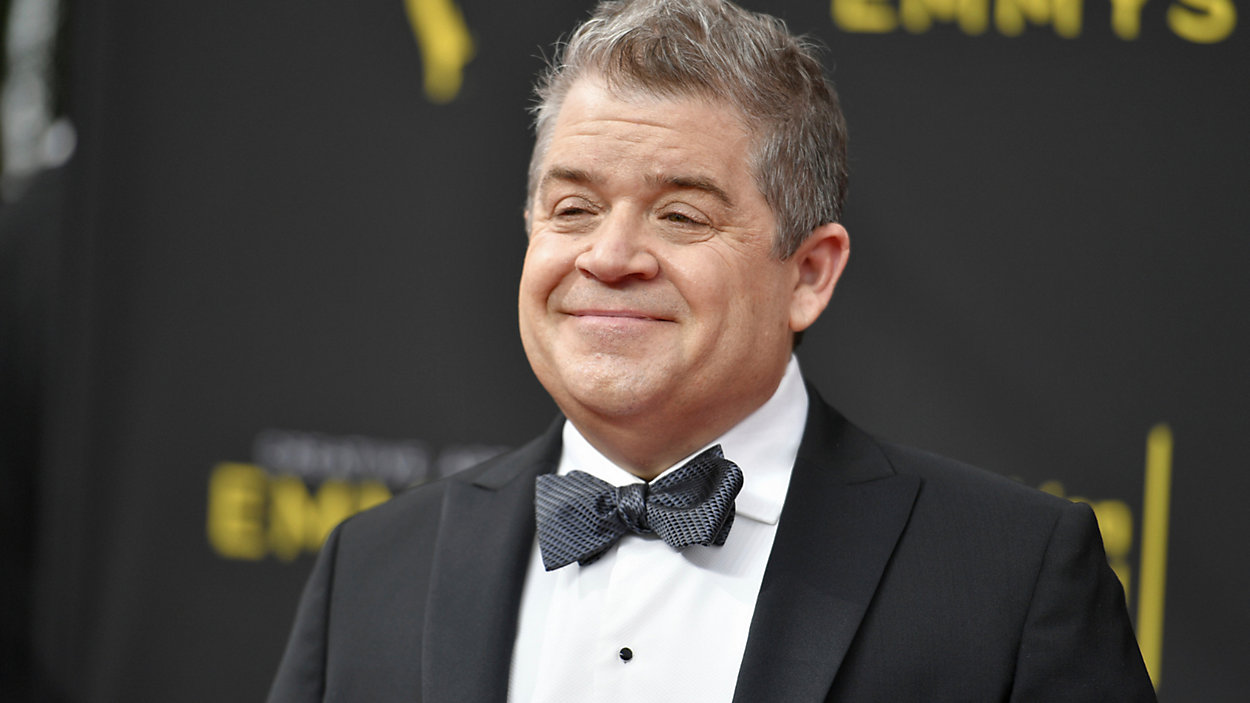
Patton Oswalt at night two of the Creative Arts Emmy Awards by Richard Shotwell
Silver Screen Fiend by Patton Oswalt
This is the lofty book in the list that makes us swoon. You probably said to yourself “I love movies, I should make them!” Patton Oswalt’s memoir is fantastic, and sprinkled all over it is the idea that just because you love movies, that doesn’t mean you should make them. Oswalt spends time talking about his obsession in the best and most human sense. This book is an actual love letter to movies, so much so deeply that, like so many of us, they shape who we become. Oswalt captures the feeling of being a fan before being a creator, which 99 percent of us often are and frankly, for anyone building work today, it’s reassuring. Your passion matters. The nights you spent watching, analyzing, caring; Oswalt reassures you that they weren’t wasted, they were building your taste. And taste, more than anything, is what carries a creative voice through decades.
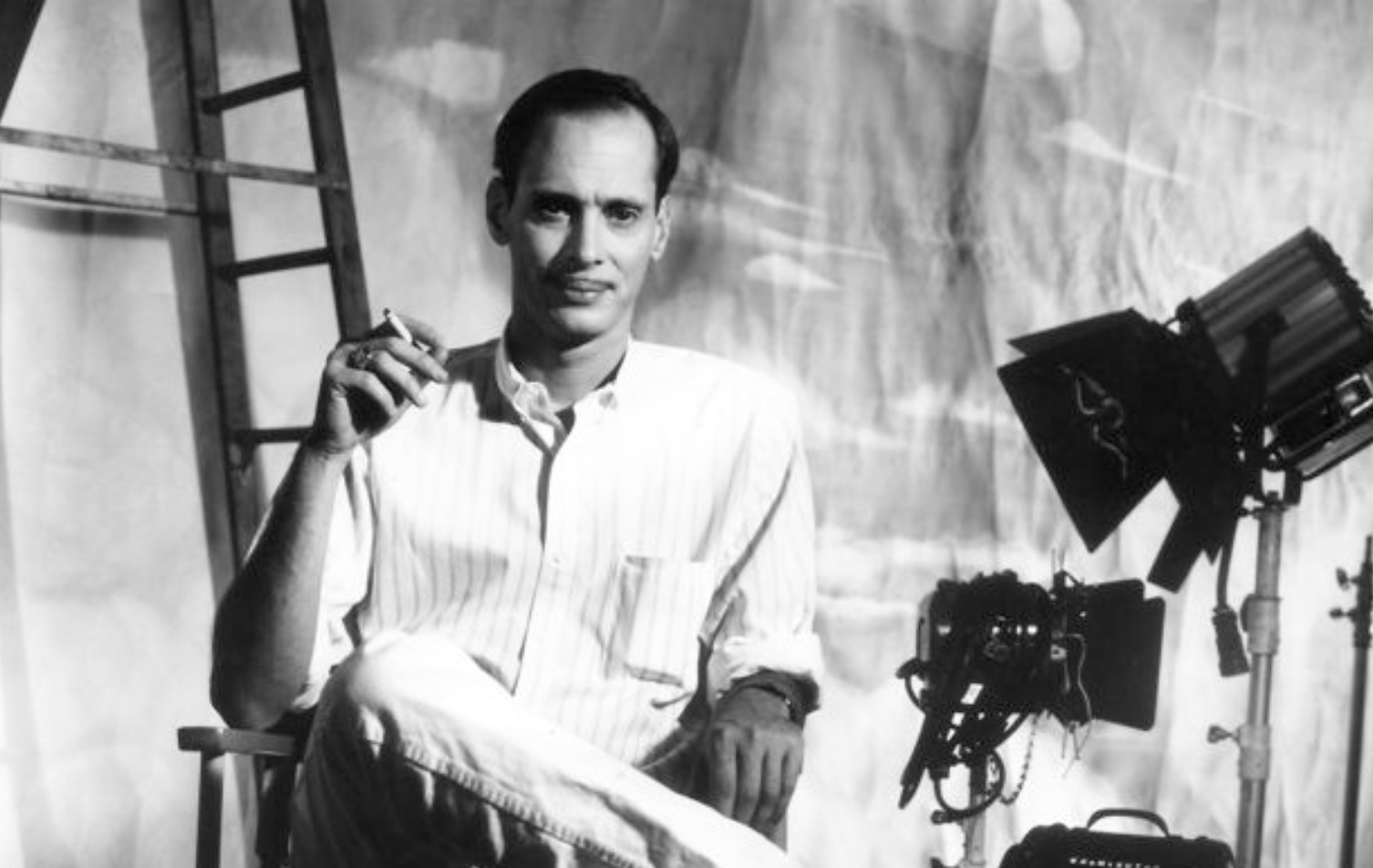
John Waters by Henny Garfinkel
Shock Value: A Tasteful Book About Bad Taste by John Waters
We wouldn’t properly be honoring John Waters if we didn’t start with honesty and crudeness; so, we’ll just say this book f*cking rocks. If you somehow don’t know John Waters, that’s your own damn fault. Waters writes the entire book with humor and total self-awareness about making films that many people initially dismissed as outrageous, rightfully so; this man broke every rule. This is an important memoir for anyone who want so to use a lens in some way and it’s unapologetic. True to the spirit of the man he is, Waters didn’t try to soften his vision to appeal to everyone; that would be a betrayal of himself, instead, he leaned right into it with every story and admission. In a world that very often rewards broad appeal, this book is a mandatory reminder that niche is powerful when it connects with the right community and support. Cult audiences are built through honesty and compromise has no place there. Your weirdness might be the very thing that sustains you.
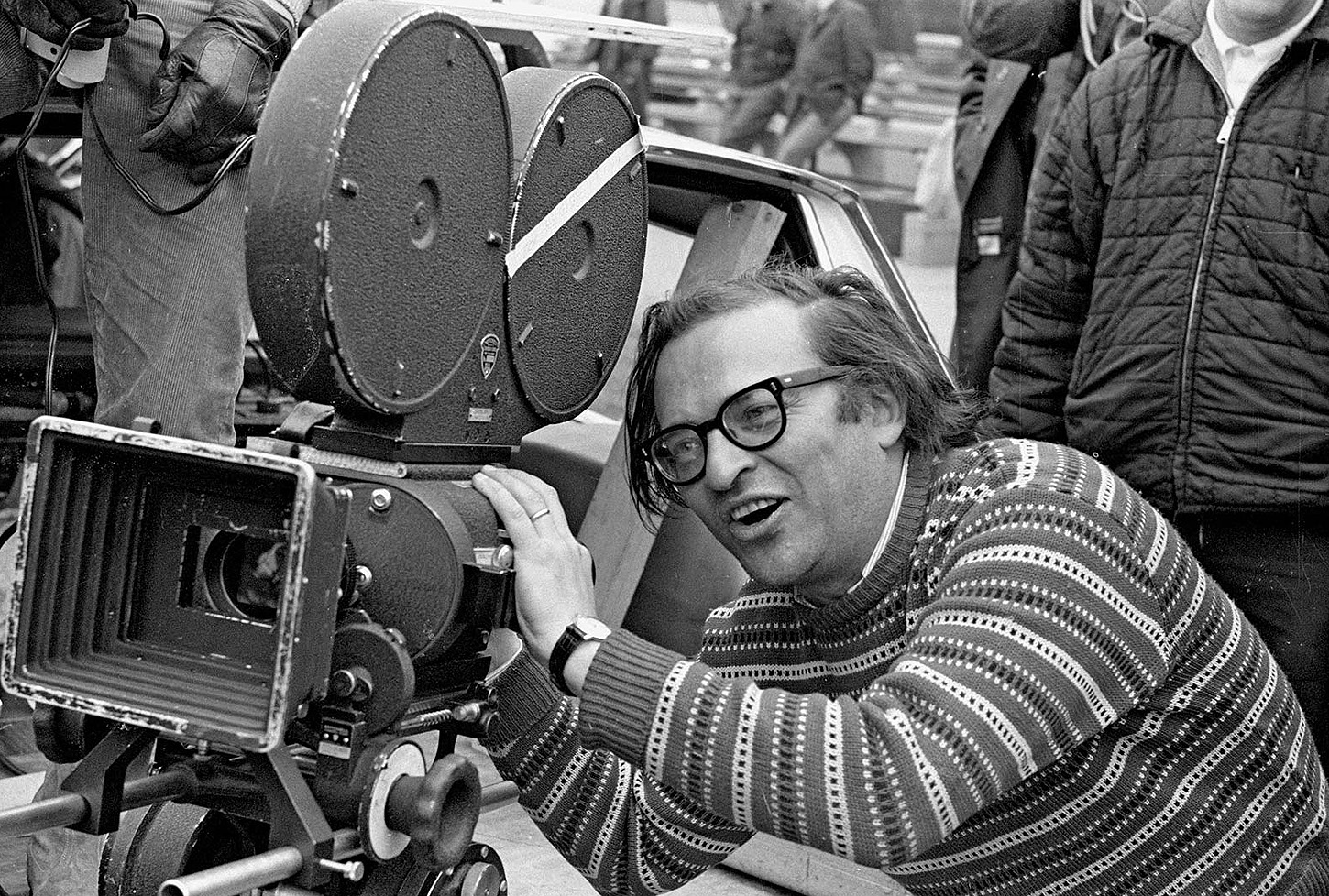
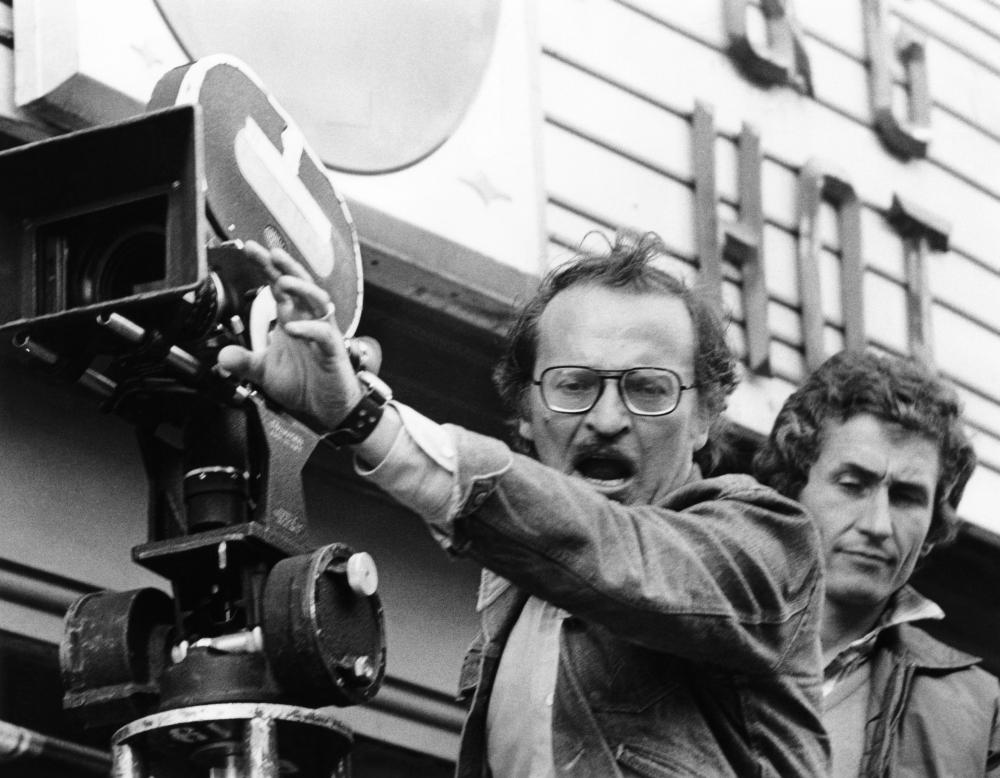 DOG DAY AFTERNOON, director Sidney Lumet lining up a shot via TVInsider
Making Movies by Sidney Lumet
If you went to film school, you’ve read this book. If you haven’t gone to film school, you need to read this book. Sidney Lumet’s calm, experienced voice guides you through his experience as a director who simply wants to explain how it all works so you don’t make the same mistake he made. The lessons here are practical and clear; but beyond that, they’re generous. Lumet didn’t have to share what he learned, but he rose to the occasion. He focuses on processes that always yield the most base level of success; preparation, rehearsal, collaboration, actually making a damn decision. Everyone is juggling budgets today, fighting with timelines, and feeling the constraints of small teams, but this book might make you feel a little comfortable with that. Lumet is a true luminary that shines a simple message- discipline is not the enemy of art; it’s often what allows art to happen consistently.
Filmmakers are working with the world's biggest brands on Tongal.