
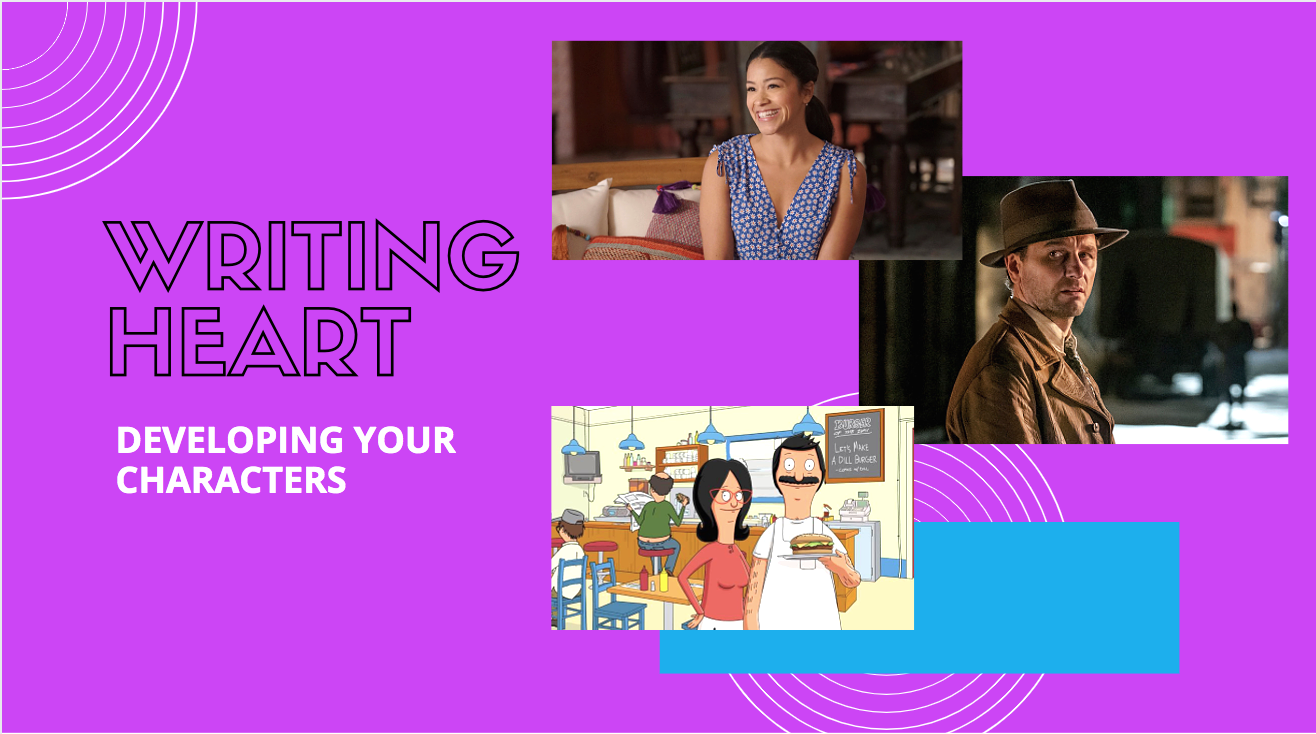
Why do we read books, or watch movies and TV? We want to be pulled into a new world, a feeling, a state of mind. And what exactly gets us there? Characters’ hearts. When we watch a character that feels so real, so raw, so true, we can't help but gasp internally and think, "YES! That's the truest thing in the world! That's how I feel! That's my struggle! I haven't been able to put that into words before!" We tune in to watch characters who make us feel something. But before they can connect with us, they have to have the heart for it. The writer needs to breathe life into them.
As writers, we need to know them as well as, if not better, than our own family members. What are our characters goals, dreams, allergies, quirks, hobbies? Basically, we need to be obsessed with our characters to an unhealthy, but oh-so-helpful level.
Using TV and movie examples, here are three ways to bring a character to life, give them heart and make them feel real.
1.) Quirks
Bob Belcher from Bob’s Burgers is a man with one simple desire, to keep his restaurant open and make good burgers. He’s not a man of flash, or crazy parlor tricks. He wears plain white shirts, tends to be a passenger in his family's crazy train of antics and doesn’t like adding anything “trendy” to his menu, like sweet potato fries. So how does a guy who doesn’t like anything flashy, spark his way into our hearts?
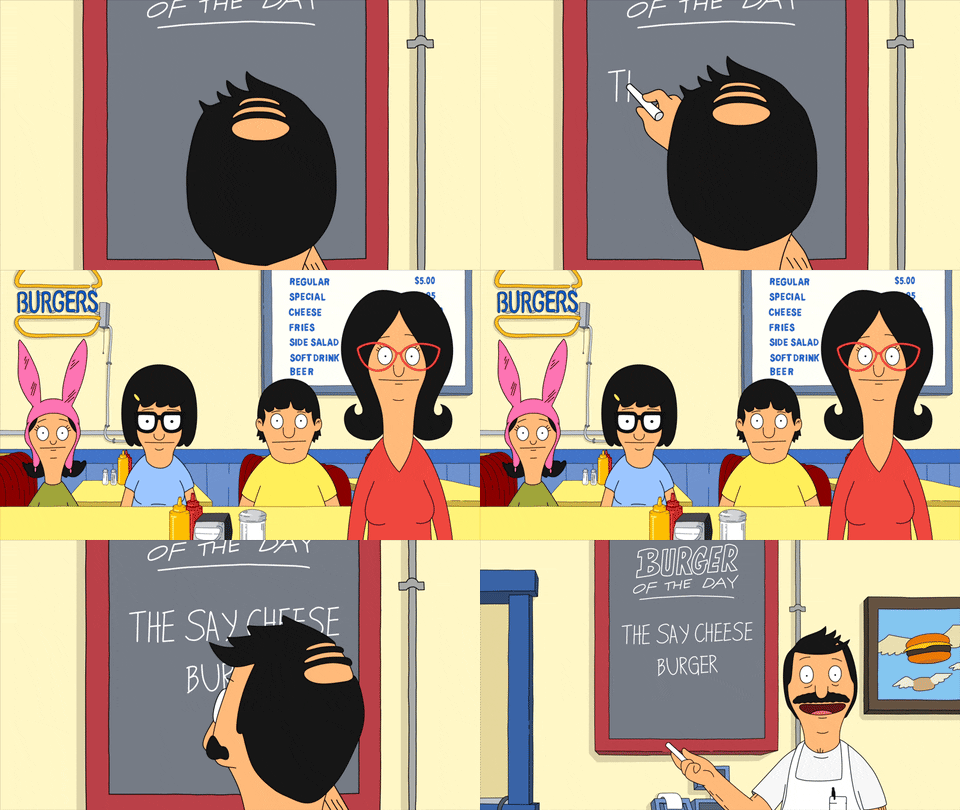
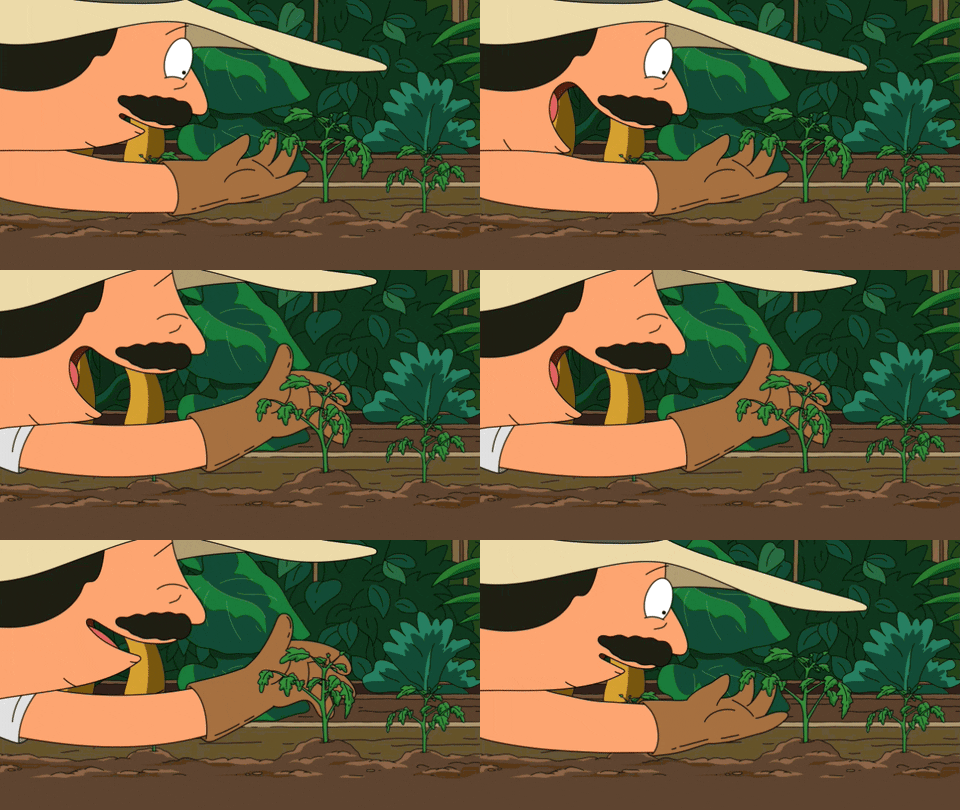
Simple. Through his quirks. He talks endearingly to his food while he prepares it and uses a high pitched voice, pretending that it talks back. He mutters in disbelief when things get out of hand, and giggles like a child when he gets a clever pun-filled burger idea that no one seems to appreciate. You find yourself rooting for this somewhat normal, yet completely endearing man because he makes you laugh by just being his well-fleshed-out self. We like how human he seems, how he handles the craziness of his situations and appreciate how easy he is to understand. His quirks not only show the viewer how much he cares about his work by literally cheering it on verbally, but gives off a sense of vulnerability that makes the audience root for him. And just like that, your heart is captured, all with a simple set of quirks.
2.) Hobbies
Ron Swanson, the manliest man on Parks and Rec—and perhaps planet earth—comes across as a serious, unflappable person on his first impression. But he quickly grows to be a fan favorite. How does he do it when he tries so hard to redact every piece of information about his personal life? His reserved nature actually plays to his advantage because when we finally get to see anything about his life, it feels like a secret club, a gift only given to a select few. It is through his hobbies that we finally get a look into who Ron Swanson is.
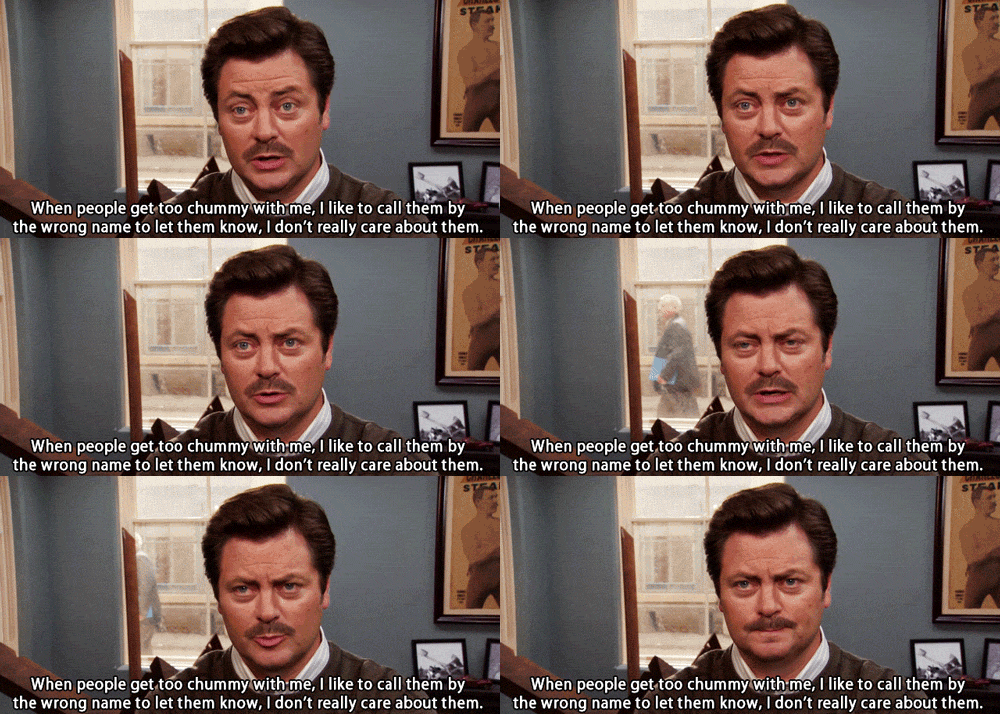
He is a wood carver, a hunter of all things meat, a whisky man and a committed Libertarian. Even if the viewer can’t relate to any of those hobbies, they are pulled in by his convictions.
By getting to see a few small things that he loves fiercely, we get to know his heart. We are let into a secret club and know how he will react when those hobbies are threatened. We know that as soon as someone claims tofu is better than beef or claims that putting together IKEA furniture is better than making something yourself from scratch, Ron Swanson will come in and either silently judge you with an intense stare sitting above his intimidating mustache, or vocally judge you while carving out a wooden spear with a knife. We watch him because even with that outward wall, we love the conviction and passion that is always consistent – someone we can set our Swanson-made clocks by.

3.) Goals
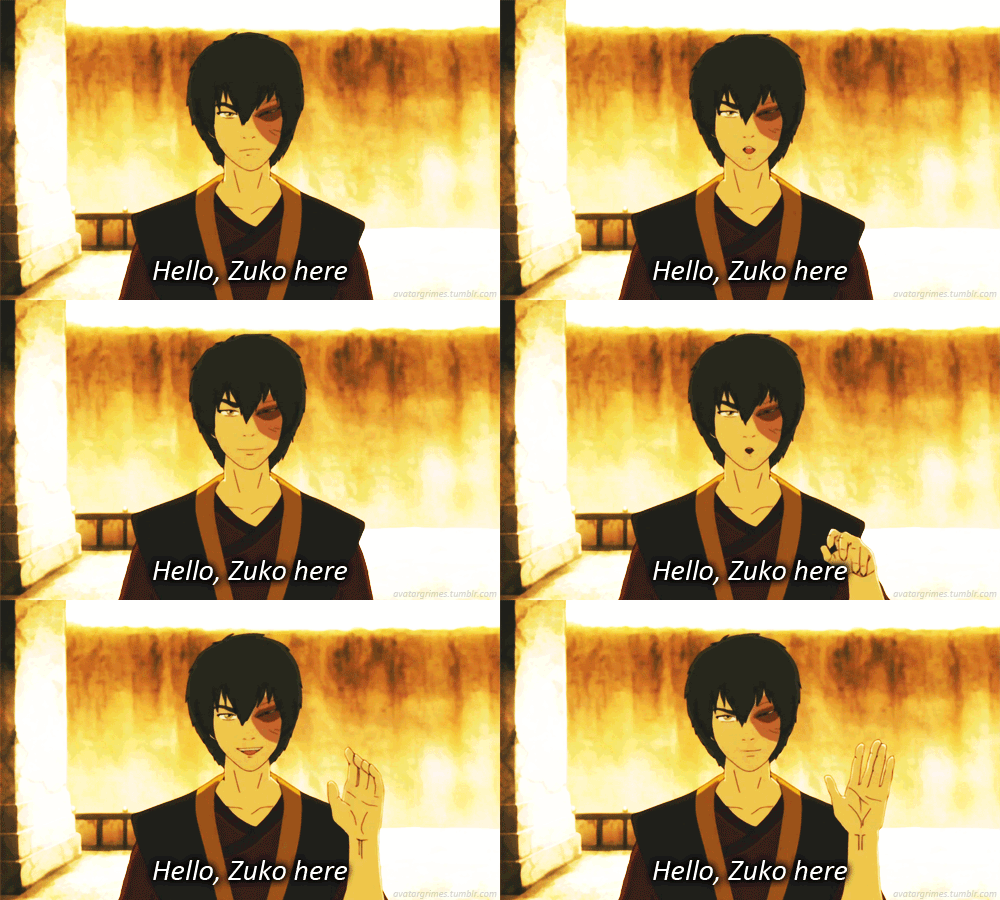
Zuko from Avatar the Last Airbender is a boy with a clear goal. Capture the Avatar to make his father proud and be welcomed home with open arms. And for anyone who has family issues… which, frankly, is most people, he is immediately relatable even if he is very rough around the edges. We don’t have to like him, we just have to feel for him, understand him. Not every character that we tune in to watch is completely likable. But just like any well fleshed out character, Zuko is met with obstacles that cause him to struggle, questioning himself and his goal.
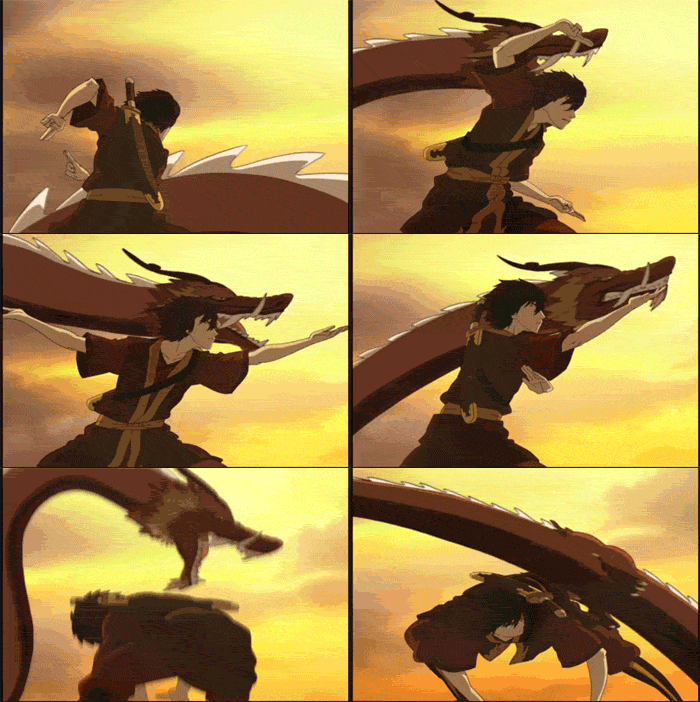
And that doubt, that sense of uncertainty makes him relatable in a huge way. Doubting a goal, or a dream, or even ourselves is human. Zuko is a mess and frankly, it’s nice to know we aren’t alone in that department. Zuko’s journey towards his goal and how he tackles it, brings the audience to their feet when he finally realizes who he is and what he is meant to do.
We root for characters that struggle to learn about themselves. Having a goal that shatters, having a goal that changes, or questioning the point of the goal itself, is human. That is why Zuko works so well. He is a boy who struggles and through those struggles becomes the character that audiences talk about for years to come. He feels real because he feels human.
Characters make or break a movie, show or book. If we don’t understand them or connect with them, we can’t expect the viewer to care or stay for the whole story. So get to know your character. Learn what they want, what they love, what quirks they have and what hobbies they keep. Are they afraid of heights? If so, show how they cope with that? Be mischievous by putting them in a tall building. What are their goals or dreams? Create a scenario where that want is threatened? What hobbies do they pour their time into? Are they a secret Jazz musician? Create a scenario where the last person they would ever want to share that with, watches them play.
Humans are complicated and vulnerable. We relate to messy, fleshed out, quirky characters because they feel human and make us feel seen, heard and understood. So get out there and breathe life into your characters. Allow yourself to know WAY too much about them. You are going to spend a lot of time with them, might as well make ‘em interesting. The audience will thank you.
Now get to it!
--
Note From Tongal: "Writing Heart: Developing Your Characters" is part of a series of Tongal Community-written blog posts that were originally sourced in the Tongal Blog Open Call Project. The views and opinions expressed in this article are those of the author(s) and do not necessarily reflect the official policy or position of Tongal. Read more Tongal Community-written posts here and then Pitch us a topic you'd like to write about for the Tongal Blog!