

I have a story, a team, and a deadline. We've divided out the shots amongst our team, but I am concerned about our project coming together into one cohesive look to match the art direction. How can I best equip my team to animate on model?
Creating character design sheets is an important process for animators and designers as it helps to maintain consistency in the character's design, proportions, and features throughout the animation process. This reference sheet will become the ultimate guide for any animator who has to work with the character, so it is important that it is thorough but only has the most relevant and accurate information necessary for artists to cooperatively animate shots regardless of which animator is executing any given performance.
Common errors such as lack of consistency, overcomplicating the design, and insufficient details can result in artists not having enough information to satisfactorily animate a character, or being overwhelmed with irrelevant information hindering the process.
People often get tunnel vision when it comes to characters. It is easy to do so! They are super fun to explore as part of the story, but the story–and how this character performs within it–should be what is at the forefront of the mind while creating a character design sheet that likely will be referenced by several artists. In this article, we will explore some best practices to consider when creating character design sheets for animation.
When creating character reference sheets, a turnaround is crucial in ensuring consistency throughout the animation process. The purpose of including a turnaround in a character reference sheet for animation is to provide a comprehensive view of the character's appearance from all angles. It helps animators maintain accurate proportions and details for the character, no matter which angle they are animating from.
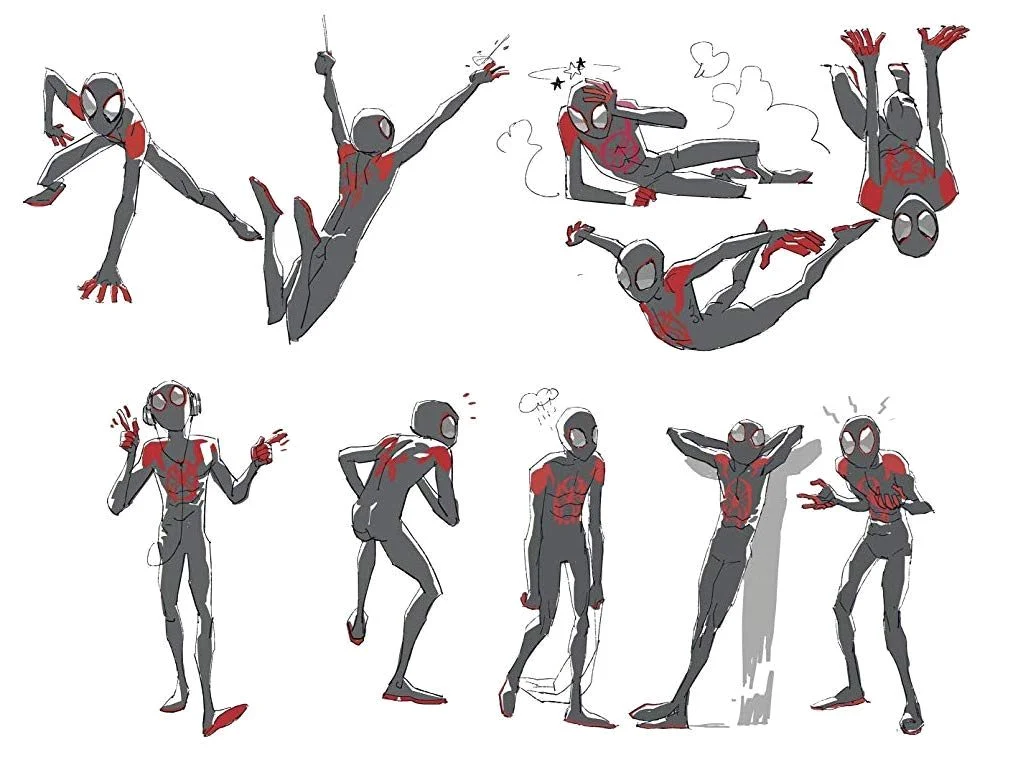
Designers can also include a variety of poses, including standing poses, action poses, and expressive poses, depending on the needs of the project. These should be a tasteful selection of poses that center on the performance expected of the character and help animators have designs to work with that are not stiff and unnatural to look at.
For a standing pose, animators often prefer using the 3/4 view as it is a more dynamic and interesting pose compared to a straight-on, or front-facing, view. It allows for a better sense of depth, and it gives the character a three-dimensional feel. More practical for animation purposes, 3/4 view effectively shows movement and action. It is also easier to see the character's facial expressions and body language from this angle, which is important in conveying emotion and personality.
A turnaround is great, but don't be shy to include poses relevant to the story! If the character is involved in action scenes, designers may include poses of the character running, jumping, or in other dynamic movements to help inform the animation team of the character's physical capabilities. This also lets animators all agree on what a specific character looks like when they perform a specific action. Let’s say a project has a knight character who dramatically wields his sword in most scenes as he enters. That is a great pose to have included in his character reference sheet.

Now for expressions! Show the range and demonstrate how much energy they have. Designers may include a range of poses that show the character's emotions and expressions, such as smiling, frowning, and gesturing. These poses help animators understand how the character should look and move in different emotional states. The point of animating is to bring a story alive! Character reference sheets should be the resource that supports the depth of a character’s heartbreak or triumph or malice or whatever pain the story puts them through.
For characters who interact with specific props or objects in the story, designers may include poses that show the character holding or using those props. This helps ensure consistency in how the character interacts with the props throughout the animation. In Netflix’s 2019 movie, Klaus, the sarcastic ferryman Mogens, who fiddles with his pipe in nearly every shot, and Klaus himself with his ax are great examples of highlighting the relationship between a character and their props to demonstrate to animators how involved they can be with the tool.
If the story takes place in a specific environment, designers may include poses that show the character standing or interacting with elements of that environment, such as leaning against a wall or sitting on a tree stump. If a character is heavily influenced by their environment, it is worth showcasing in the guide animators use.
For example, in the 2000 Dreamworks movie, The Road to El Dorado, Tulio and Miguel build up the premise of the movie by obsessing over the lost city of gold. By the time they come face to face with it, they lavishly adorn themselves with the gold and are nearly swimming in it. Illustrating this hungered love of materialistic things and how satisfied they are to lounge on it–though it could not have possibly been as comfortable to do–demonstrates how they are reacting to this instrumental part of the narrative as an environment and would make a great reference to a character design sheet for characters like Tulio and Miguel.
Things to Avoid in Your Character Design Sheet

We’ve covered what should make the cut, now we will cover a common flaw in character design sheets artists tend to add out of habit from the writing stage: “likes and dislikes”. “Likes and dislikes” clutter up too much space to be helpful for animators. Text-wise, professional animators typically do not include this and similar character details because they are not relevant to the animation process. Instead, animators focus on providing clear and concise information about the character's physical appearance, including details such as hair color, eye shape, and clothing. These visually guide an animator how a character would look or move in certain situations.
At this point in the process, the animator wouldn’t have input on the story because it is already written. Making knowing that Lucy loves strawberries and yellow planners but dislikes long car drives and math class completely irrelevant information to include in this particular reference. The writer would probably have that information on hand in their character guide! It’s all about being able to prioritize what is necessary to know for the job at hand. In some ways, adding nuanced information like the “likes and dislikes” open up opportunities for inconsistencies for animation because animators might imagine these reactions uniquely.
It is ideal that character reference sheets limit the amount of text on it. This should be a visual reference for you and your team. Only the character name, the show, maybe the designer, labels if need be, and exclusively notes relevant to a character’s performance warrant enough importance to occupy space on the character reference sheet in the end.
In summary, creating character reference sheets for animation requires prioritizing the character's personality, story, and movement abilities while keeping the design simple and clear. Using the 3/4 view, and including a turnaround and well-chosen poses to demonstrate the depth of the character, are essential in ensuring consistency throughout the animation process. Including too much focus on aesthetics can lead to overcomplicating the design, making it difficult for the animation team to understand the character's movements and abilities.
The same can be said about adding too much detail in the margins. Including personal details or preferences on a character reference sheet can introduce inconsistencies and confusion among the team. So be vigilant!
By following these best practices, animators can create effective and interesting character designs for animation. You and your team deserve the best quality of guides to support the final project coming together with a strong finish!
Animators are working with the world's biggest brands on Tongal.