

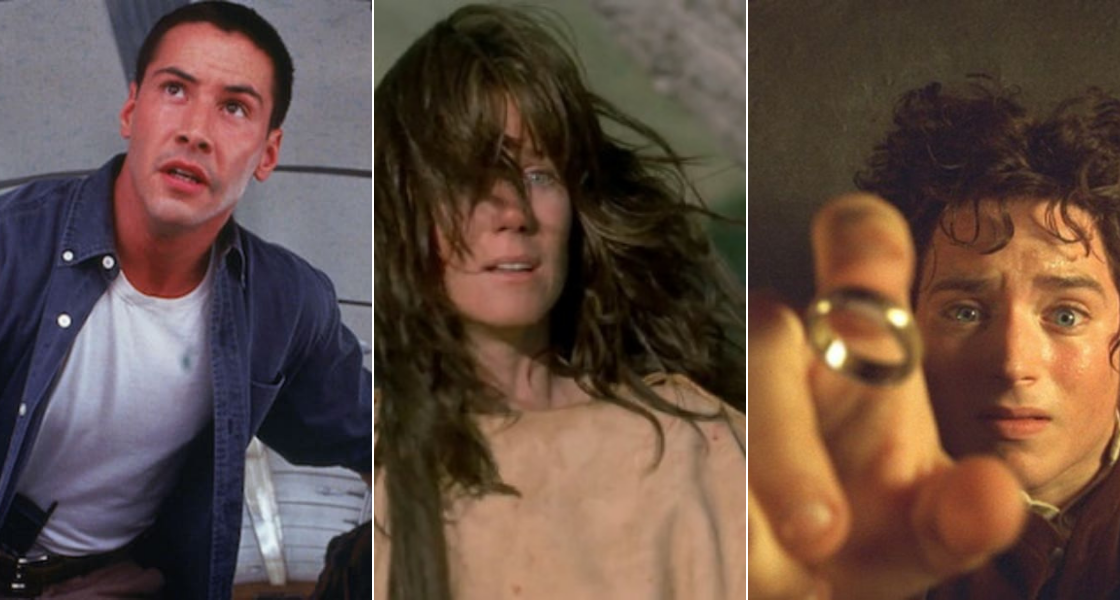
Every filmmaker gathers a unique set of tools and resources to hone their craft, from reading books to gaining on-set experience.
One underrated resource that filmmakers should utilize is listening to directors' commentaries, which are often found in the special features on films' blu-ray or digital copy. Directors' commentaries can make you feel like you have a personal mentor, providing practical insights into the real-life day-to-day workings of a filmmaker.
So, what makes for a great directors' commentary?
Great commentaries are those where the filmmakers aren’t holding back in telling you about the craft. They are the ones that feel like a crash course in filmmaking. Directors might divulge how they entered the industry, what their creative and decision-making process looks like, how they collaborate with actors and their crew, how they handle the raw technical aspects of filmmaking, and what it's like working with studios and investors.
Watching these commentaries, you'll gain the courage and inspiration you need to become a fully capable filmmaker yourself.
Here are the top 5 directors' commentaries that every filmmaker should check out:
Commentary by Jan de Bont
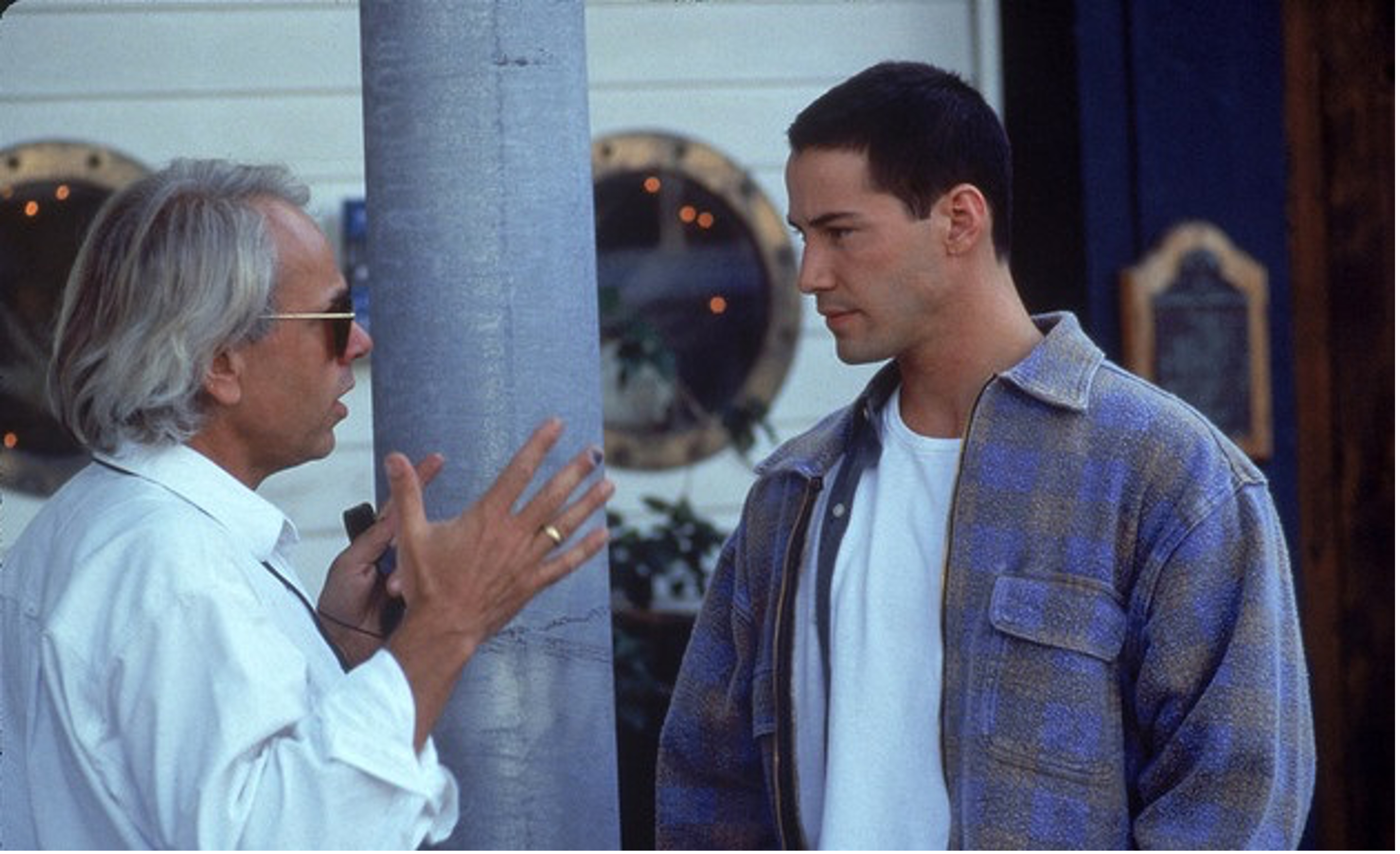
Jan de Bont began his career as a cinematographer, with Speed serving as his directorial debut several decades into his career. On his director's commentary, he talks about why he made the decision to move from cinematography to directing and how important it is to carefully choose your very first film, especially when the industry tends to pigeon-hole filmmakers.
A unique aspect of this commentary is that it is broken down into chapters, each focused on a specific topic like choosing your very first film, sound design and practical effects, and working with actors. This makes it easy to navigate to topics of interest.
One topic de Bont discusses is how he was able to make the most of his limited budget (Speed was made for only $30M). Another interesting topic is the way he works with actors. All filmmakers should strive to match his admiration for and dedication to his actors. de Bont truly understands what each actor brings to the film. An interesting part of the commentary is hearing how de Bont convinced Keanu Reeves, who at the time had little interest in action films, to take on the role. He also talks about how to create a safe environment for his actors on set, even to the extent of not allowing them perform stunts unless he himself was able do it.
2003 Commentary by James Cameron and the Cast and Crew
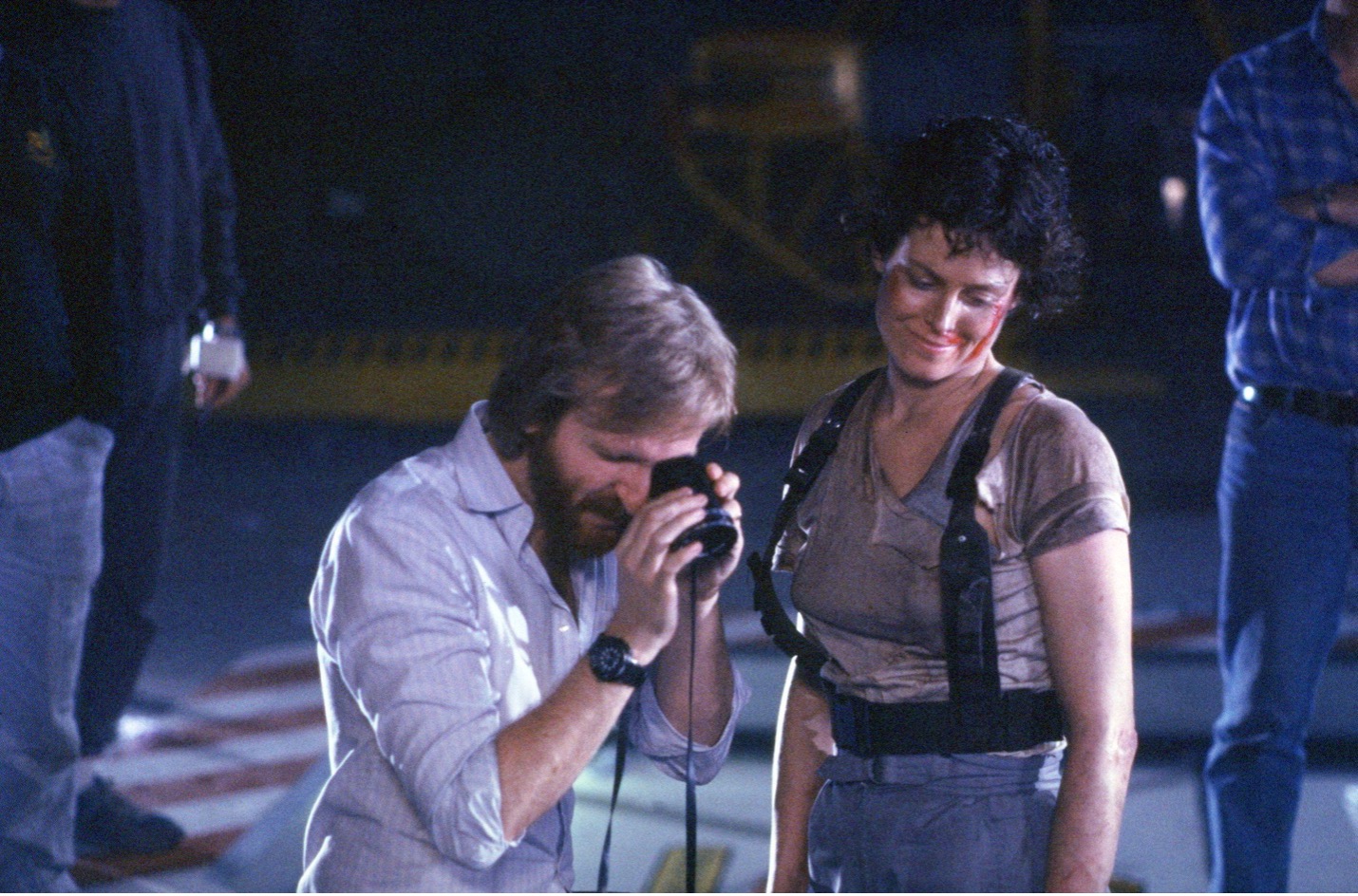
If there is one director whose commentary every filmmaker should listen to, it's James Cameron. A true master of his craft and the king of blockbusters, Cameron is not only incredibly skilled, but also a gifted communicator when it comes to explaining his filmmaking process. In his interview on Inside the Actor's Studio, Cameron shared how, as truck driver, he spent his days off at the USC library reading research papers on optical printing — almost like he was taking apart a watch to understand how it works. That passion for detail shines through in how he dissects his films.
Cameron filmed Aliens at a time when he was an up-and-coming writer-director. In the commentary for Aliens, he reveals how he landed the job and managed to write three scrips in just three months — Rambo, The Terminator, and Aliens. As Aliens was a sequel to Ridley Scott's Alien, Cameron explains how he studied Ridley Scott's cinematography for Alien to maintain stylistic continuity. He also discusses his decision not to shoot Aliens in anamorphic, as the experience of working with models led him in a different direction. Cameron expertly balanced the challenge of crafting a sequel with stylistic and storytelling continuity, all while imbuing the film with his own unique vision.
The commentary also gives you an in-depth look at the technical side of filmmaking, from filming miniatures at 48 frames per second to executing practical effects. It also features insights from key cast and crew members, including Visual Effects Supervisor Stan Winston. These contributions provide valuable context on the role and dynamics of a film crew — essential knowledge for any filmmaker looking to understand how a film comes together behind the scenes.
Commentary by Kevin Costner and Producer Jim Wilson
In the '80s and early '90s, Orion Pictures took big risks by producing films like Robocop, The Silence of the Lambs, Amadeus, and Platoon (all of which are now revered as classics). One such gamble was Dances with Wolves, a film with a modest budget and plenty of subtitles that which went on to win seven Oscars.
On the film's commentary, director Kevin Costner and producer Jim Wilson talk about the challenges they faced in getting the film financed and shot, and the importance of fighting for your creative vision despite these difficulties. This commentary, from an actor making his feature directorial debut, offers valuable insight into directing from an actor's perspective. Actors often make good directors, as they know what their fellow actors need to be successful. Listening to Costner can teach aspiring filmmakers how to better collaborate with their actors.
Kevin Costner is refreshingly candid about his experiences on the film. He talks about his nerves on the first day of shooting, his decision to reshoot a scene he felt he'd gotten wrong, and how he quickly found his rhythm for the rest of the film.
Commentary by James Cameron
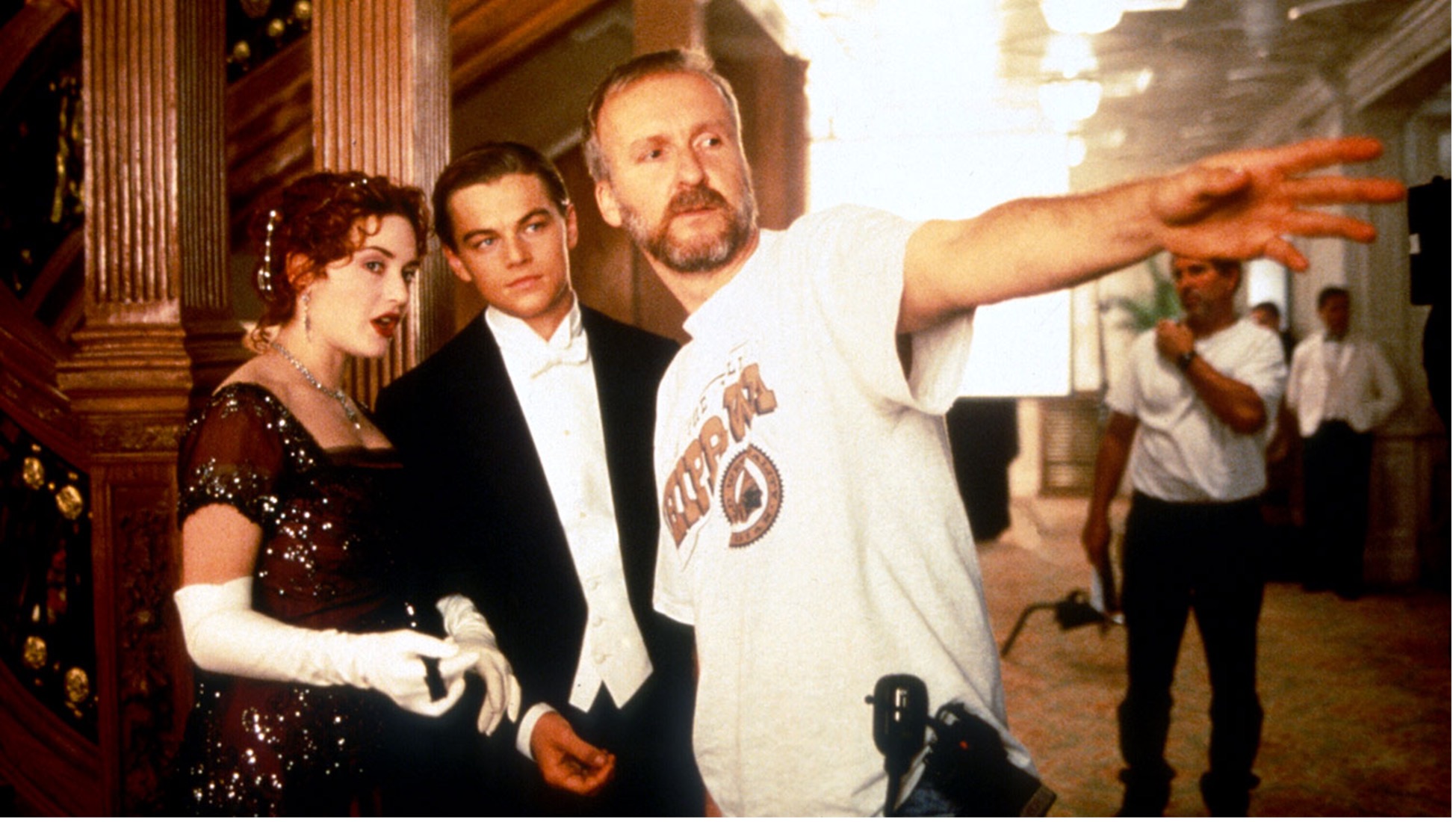
Another great commentary from James Cameron. Cameron’s commitment to Titanic went beyond just creative vision: he put his director's fee on the line to prove his dedication to making the film work. Faced with a massive budget and high stakes, he promised his investors that he would deliver a truly groundbreaking movie. He stayed true to his vision despite the financial pressure, e.g. forgoing less expensive physical sets in favor of more effective but costly CGI backgrounds.
As we all know, his gamble paid off, and Titanic became one of the highest-grossing film in history. In filmmaking, sometimes taking big risks is the key to achieving the extraordinary.
Writing Titanic, a piece of historical fiction, required Cameron to do an extraordinary amount of research. In his commentary he reflects on where he maintained historical accuracy, and where he chose to take some creative liberties.
Another interesting part of the commentary is when we learn of the fallout Cameron and composer James Horner had during Aliens. Despite the tension between them, Cameron was so impressed by Horner's score for Braveheart that he reached back out to try to bring him onboard for Titanic. They went on to have a successful partnership, creating one of the most iconic scores in music history for Titanic. In the director's commentary you can hear Camerons's genuine admiration for Horner's musical genius.
#1: The Lord of the Rings (Extended Edition) (2001)
Commentary by Peter Jackson, Fran Walsh, and Philippa Boyens
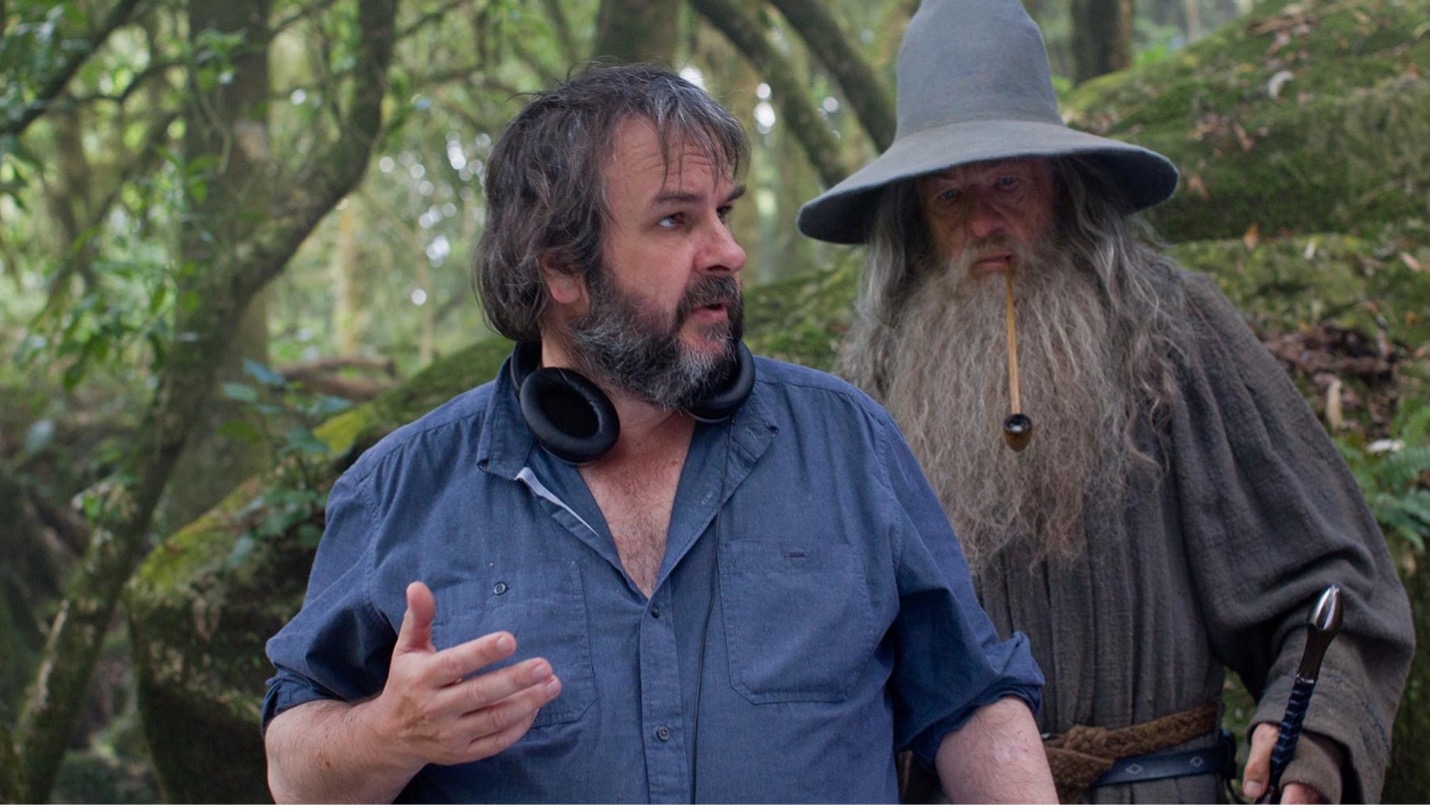
For a monumental project like The Lord of the Rings, the special features are a goldmine. With nearly 9 hours of commentary from director/co-writer Peter Jackson, co-writer/producer Fran Walsh and co-writer Philippa Boyens, this extended cut commentary is a filmmaker's dream. It's almost like attending a film school. The commentary is a deep dive into the challenges of adapting such an epic story. On such an immense project that required so many departments to collaborate with each other, it was vital for Jackson to trust his crew. With the goal of adapting the books as closely as possible, The Lord of the Rings required daily script changes and pick-up shoots to add energy or clarify the story. Listening to the commentary, you'll realize that at the end of the day, no script is finalized until the final edit.
These are just a few of the commentaries that every filmmaker should hear. Packed with substance and very little fluff, they offer real, candid insights from the trenches. Directors like Paul King, Edgar Wright, Sam Raimi, and Chad Stahelski also offer valuable knowledge in their own commentaries. Turn one on while your work on your next project, and let the wisdom of the film greats inspire you.
Filmmakers are working with the world's biggest brands on Tongal.