
When it comes to the entertainment industry, copywriting is more than penning words; you’re crafting experiences, sparking imaginations, and telling stories.
Whether it’s for a movie trailer, a concert poster, adverts, or a video game description, the words you choose can make or break a project’s success. Let’s dive into some creative copywriting tips that can help you stand out in the fast-paced, ever-evolving world of entertainment — and consider what you can learn from each tip.
Tip: Before you put pen to paper (or fingers to keyboard), dive deep into understanding your target audience. Who are they? What do they like? What excites them? Tailor your language, tone, and messaging to speak directly to them.
Lesson Learned: Imagine you’re writing copy for a new indie film aimed at young adults who are passionate about social justice. Using corporate jargon or a formal tone would miss the mark entirely. By truly knowing your audience, you can craft messages that resonate on a personal level. A successful campaign for this film would involve using language that is relatable, current, and even a little rebellious.
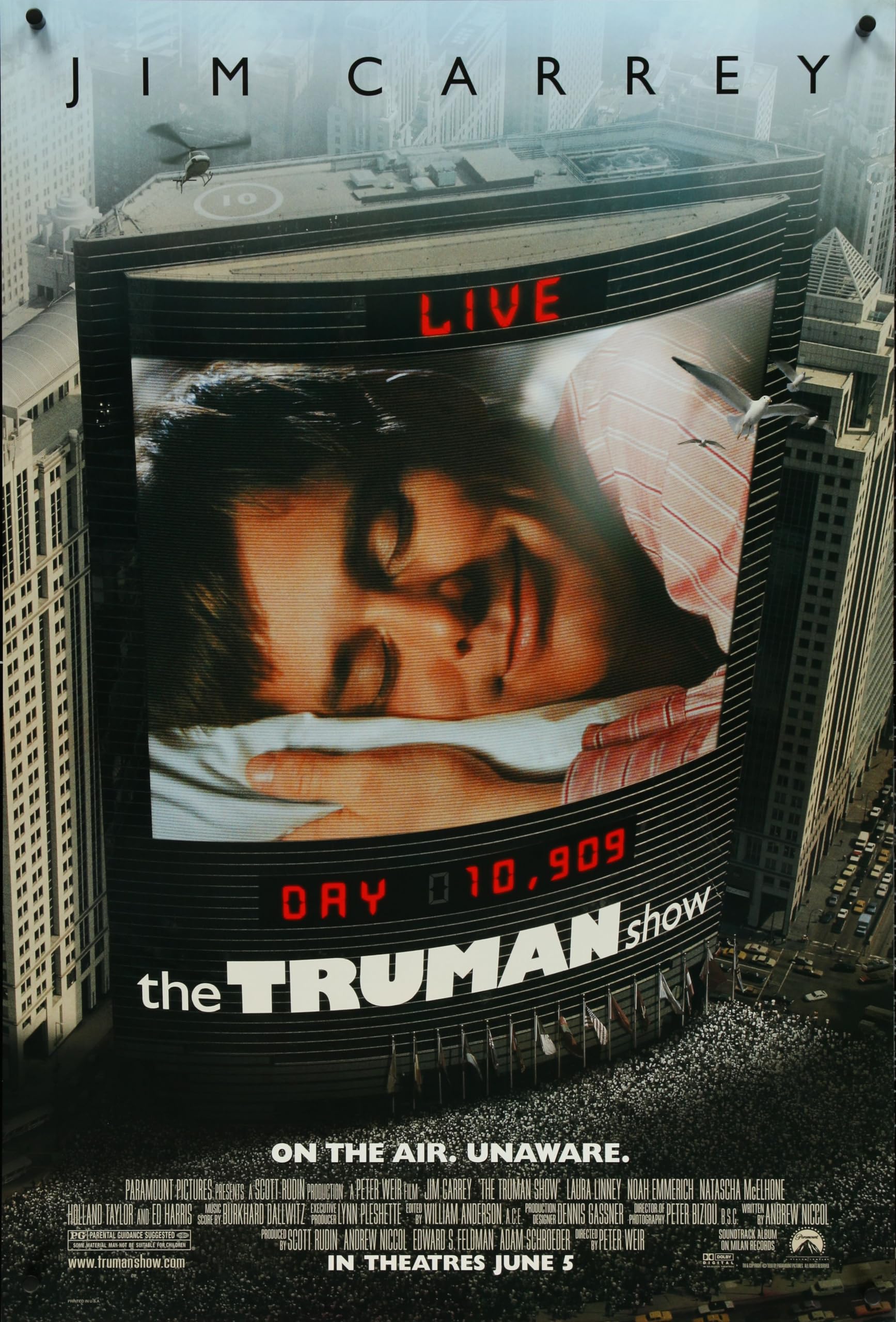
This tagline for The Truman Show (1998) was short, sweet, and smart
Tip: In the entertainment industry, attention spans are short. Whether it’s a movie tagline, an event flyer, or a social media post, your copy needs to be concise and impactful. Every word should serve a purpose — no fluff allowed.
Lesson Learned: Let’s say you’re writing a slogan for a new action-packed video game. “An intense, thrilling, and exhilarating experience that will keep you on the edge of your seat” is too long and repetitive. Instead, “Thrill. Power. Dominate.” delivers the same message in just three strong words. The lesson here? Brevity can amplify impact.
Tip: In the entertainment industry, imagery is king, but sometimes you need to paint the picture with your words. Use vivid, sensory language that helps the audience visualize the experience.
Lesson Learned: Imagine you’re crafting copy for a music festival. Instead of saying, “A great time with awesome music,” try, “Feel the bass pulse through your veins.” This approach helps the audience not just read the experience, but feel it. The key takeaway? Descriptive language can turn simple words into a full-blown sensory experience.
Tip: Entertainment is all about storytelling, and so is effective copywriting. Whether it’s a headline, a product description, or an email subject line, try to weave a narrative that draws people in.
Lesson Learned: Think about a movie poster tagline like, “His past will hunt him down.” In just five words, there’s a whole story—mystery, danger, and intrigue. Now, compare that to a flat statement like, “A man’s past causes trouble.” Not nearly as engaging, right? The lesson here is that even a few words can create a compelling narrative that hooks your audience.
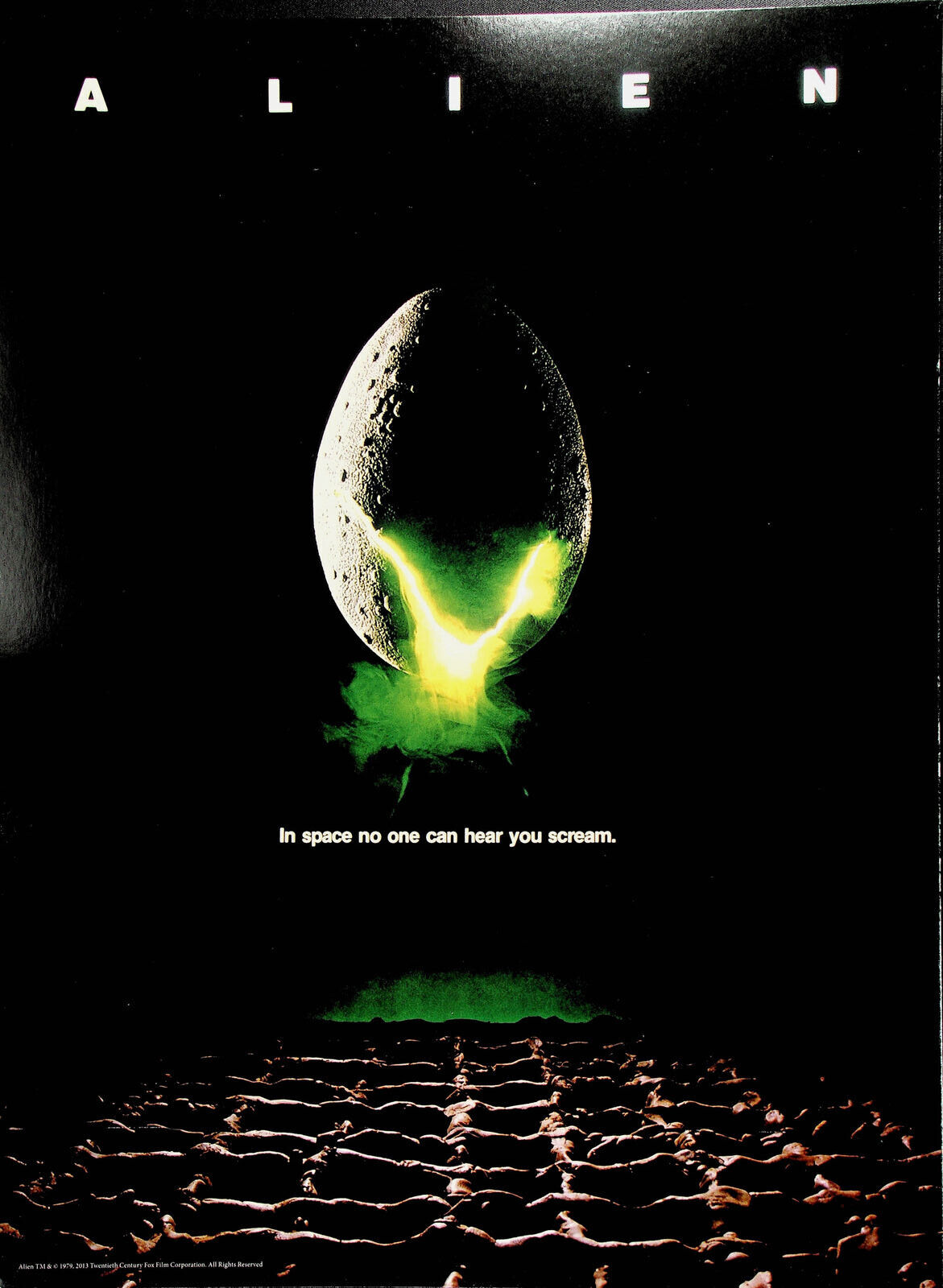
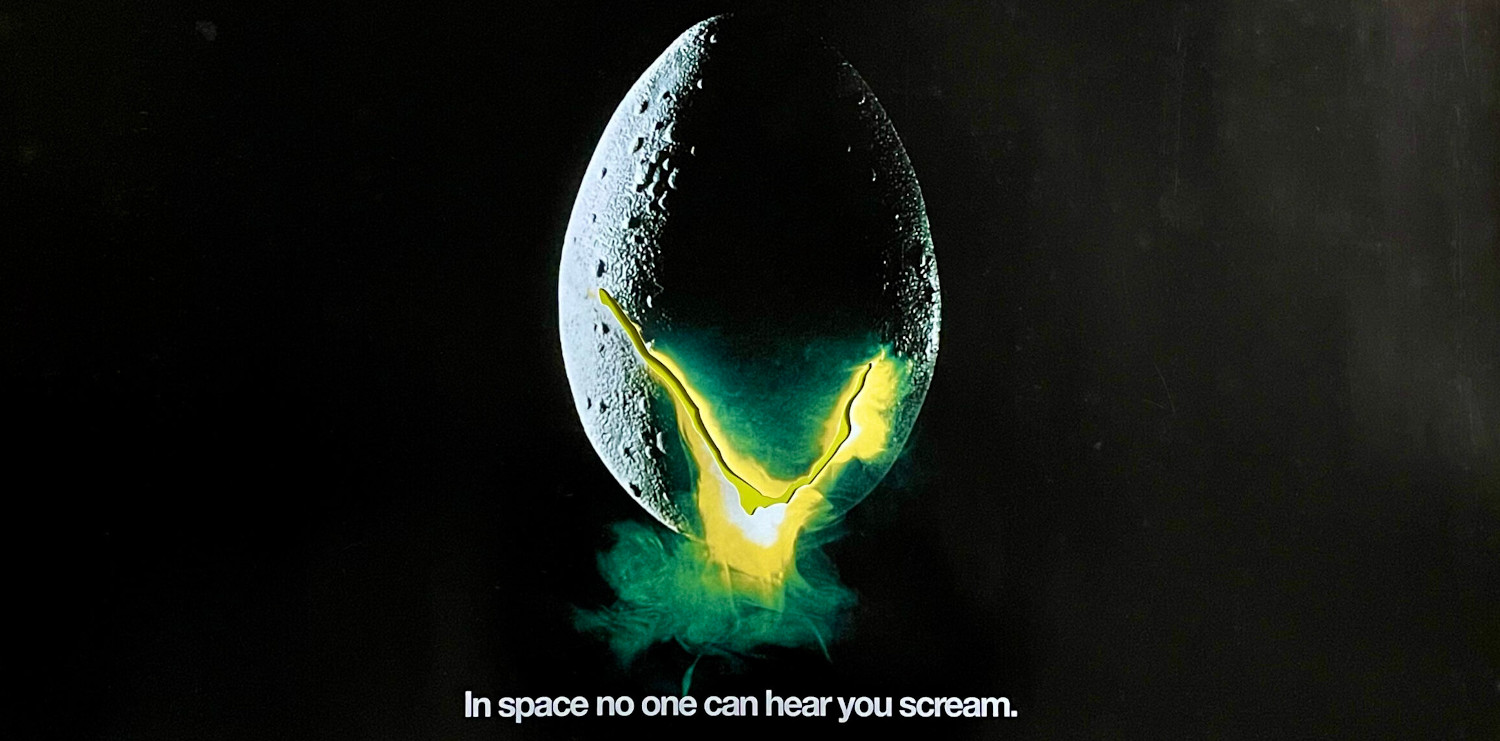
The poster for Alien (1979) captured attention with some copywriting magic
Be Authentic, Even If You’re Selling
Tip: People can smell inauthenticity from a mile away, especially in the entertainment industry, where emotions run high. Your copy should be genuine, relatable, and true to the brand or project you’re representing.
Lesson Learned: Let’s say you’re promoting a heartfelt documentary about a grassroots movement. If your copy is overly polished or too salesy, it can come off as insincere. Instead, keep it raw and real, like, “Their voices sparked a revolution. See the story unfold.” This approach maintains authenticity and connects with the audience on a deeper level. Remember, realness resonates.
Tip: The entertainment industry is heavily influenced by trends, current events, and cultural shifts. Tap into what’s happening in the world right now and use it to make your copy more relevant and engaging.
Lesson Learned: Consider a scenario where you’re writing promotional content for a comedy special. If the comedian touches on recent events or popular culture, your copy could say, “Laugh your way through the headlines.” This not only makes the copy timely but also aligns it with the content itself. The takeaway? Being current and culturally aware can make your copy feel fresh and in-the-moment.
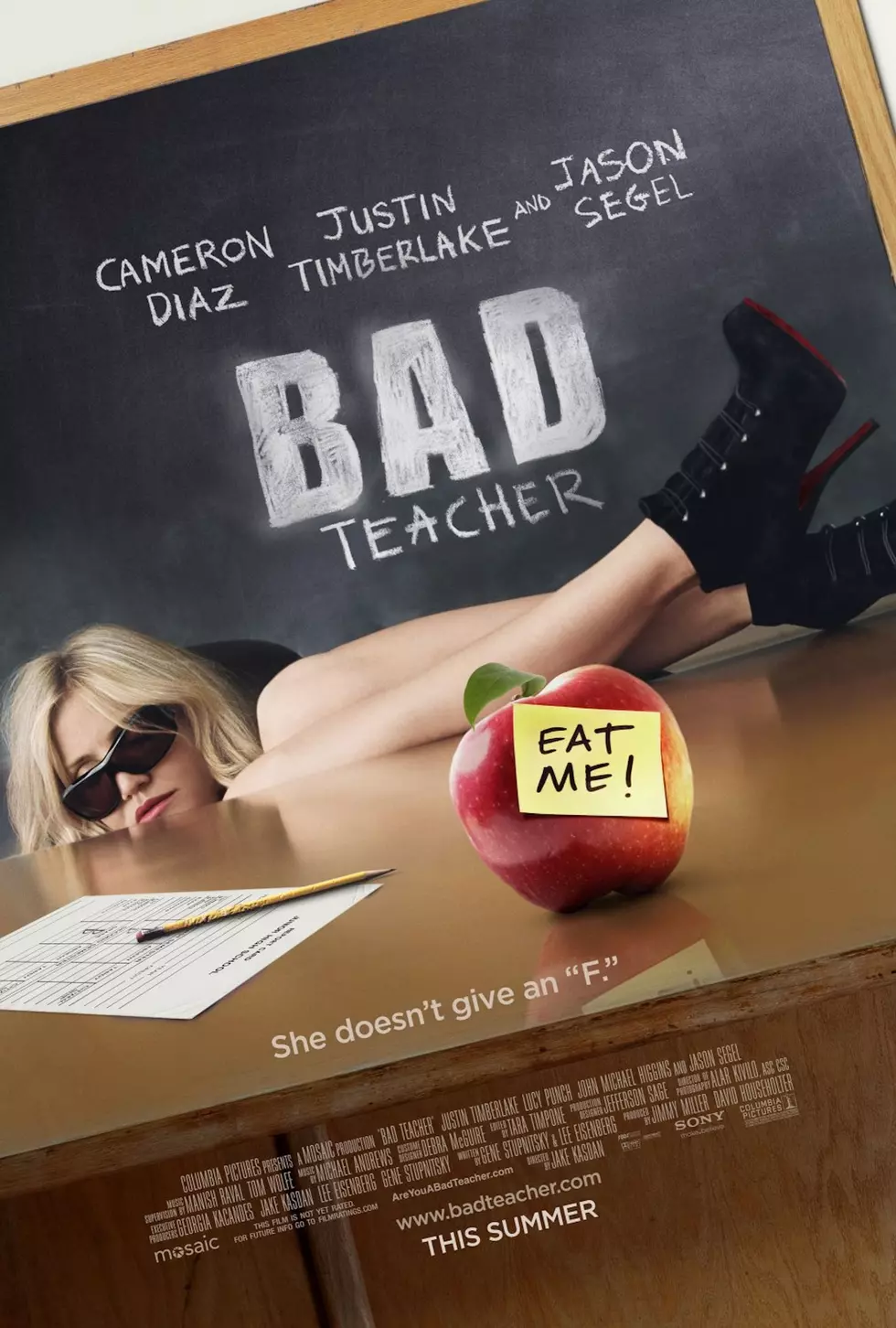
A+ for humor on this Bad Teacher (2011) poster
Tip: This is my favorite tip! Don’t be afraid to inject humor or wit into your copy. A clever turn of phrase or a well-placed joke can make your content more memorable and make your job pretty easy.
Lesson Learned: Imagine you’re writing copy for a comedy film. A dry, straightforward description won’t cut it. Instead, something like, “Warning: Side effects may include tears of laughter and abs of steel” adds personality and humor, making it more likely to stick with your audience. The lesson? A little humor can go a long way — it’s like adding seasoning to a joke; without it, you’re just a bland punchline waiting to happen.
Tip: The entertainment industry is collaborative and often involves multiple stakeholders. Be open to feedback and willing to pivot your copy if necessary. Flexibility is key to success.
Lesson Learned: You might craft a piece of copy you’re proud of, only to have a producer or director suggest changes that you initially resist. However, after some back-and-forth, you might discover that the changes actually enhance the message. The lesson here is that collaboration and adaptability can lead to stronger, more effective copy.
Final Thoughts
Creative copywriting in the entertainment industry is a delicate dance between art and strategy. It’s about understanding your audience, crafting compelling messages, and staying true to the essence of the project. By applying these tips and learning from each lesson, you’ll not only write copy that captivates but also contributes to the success of the entertainment projects you’re passionate about. Remember, your words have the power to shape experiences—so make them count!
Copywriters are working with the world's biggest brands on Tongal