
There are countless tutorials on the web teaching you how to use editing software, but before getting familiar with the technology that helps make that unforgettable movie magic, let's take a step back to learn the fundamentals. Why does editing even matter? Simply put, the order of your clips and the length of each clip have a psychological effect on the viewer.
A prime example, often cited by legendary filmmaker Alfred Hitchcock, is to imagine you have a shot of an old man staring off into the distance. He stares, then he smiles. Now, if an editor placed a shot of a mother playing with her child in between that take, the scene would play out as such: the old man stares, the mother plays with her child, and the old man smiles. The audience would assume that this old man is kind and nurturing and that he loves children.
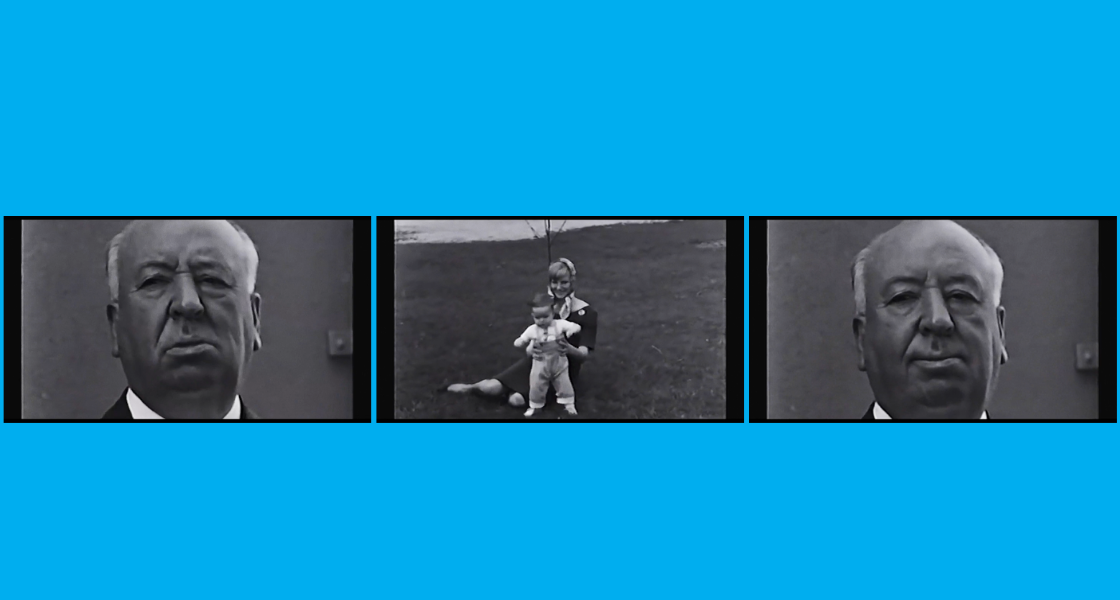
Now, take the same shot of the old man, but instead of a mother playing with her child, the editor places a shot of a woman in a bikini. The old man stares, there’s a woman in her bikini, and the old man smiles. With just a simple shot replacement, we might assume the old man is attracted to the woman.
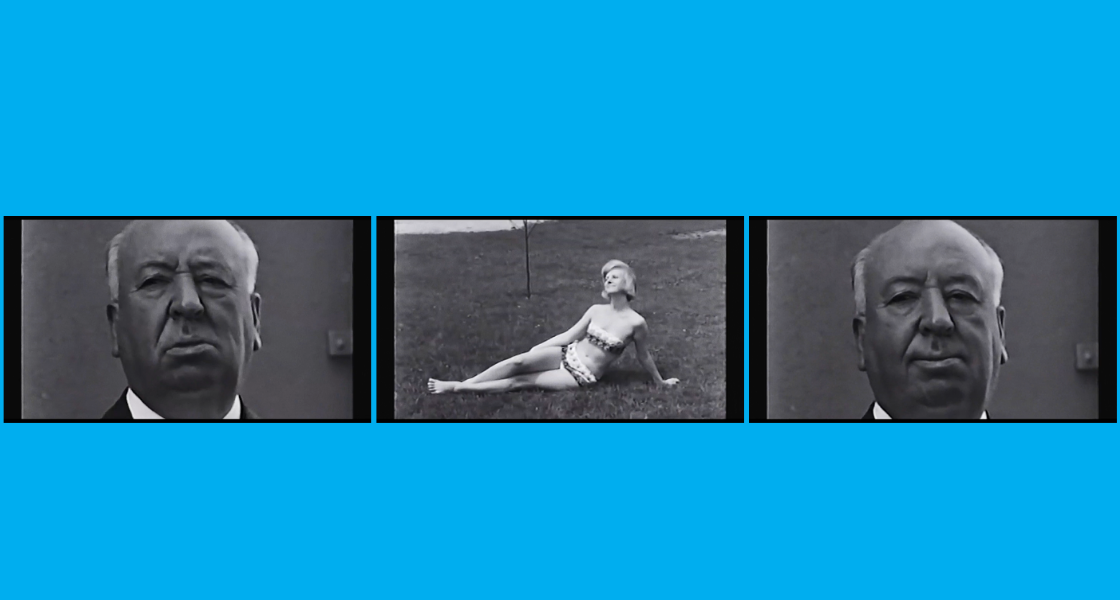
This is the power editing has when you apply the theory of how cuts in a film affect the psyche of audience members.
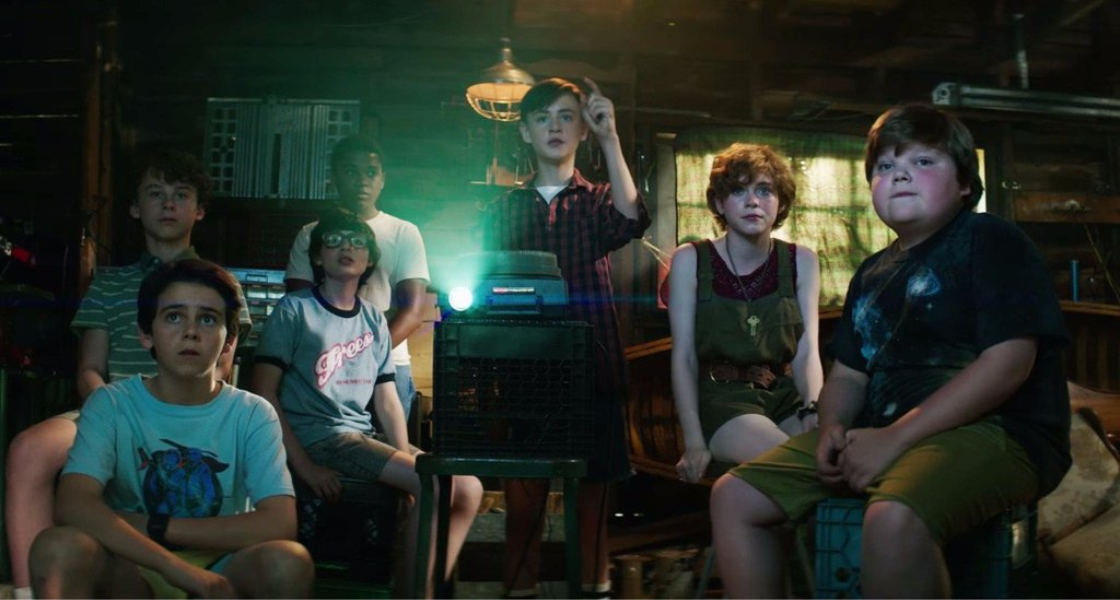
Using something more modern, I’d like to explore a well-orchestrated scene from the 2017 horror movie It. This film is riddled with scary moments, but one that I felt was really well edited is the scene in which the viewer is introduced to the main character’s (Stanley) fear of The Painting Lady.
As Stanley walks into the office, he passes the painting with his hands shielding his eyes. Given the context of the film, this cues the audience to what his fear is, and what will likely be the monster at the end. Keep note of that for the last point of discussion, but for now, I’d like to focus on something interesting in this first series of shots.
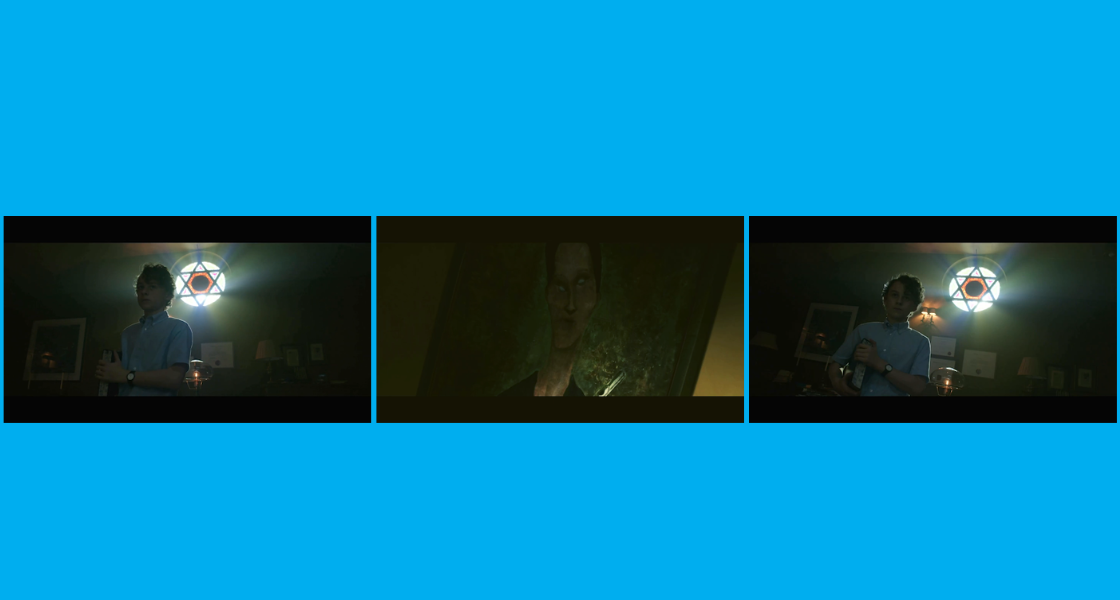
We first see Stanley looking at the painting in a level medium shot. Then, we cut to a close up of the painting. Though the framing is still level, the painting is hung crookedly. Cue the horror sounds. Finally, we cut back to that same shot of Stanley, only now, we’re at a Dutch angle (or a slightly tilted camera angle that is commonly used to give the audience a sense of unease). While a Dutch angle is usually done in-camera, I’m going to assume this one was done digitally, since we had the first take where Stanley is level. This tilted angle is unnatural to the eye, which is why it works so well to help build suspense. It cues the audience that something discomforting is about to happen. However, this is where the scene decides to take a classic horror trope and reverse it.
In this same Dutch angle shot, Stanley walks up to the camera and fixes the angle. At this moment all sounds stop, and from a discomforting angle we are now observing something more familiar.
I thought this moment was brilliant because it misleads the audience. For a brief moment the scene tells us everything is better. The picture is straightened, the camera is level, and the weird horror sounds have stopped. This scene could have easily just ended here, by having the monster reach out just as Stanley leans in to fix the picture, giving us quite the jump scare. However, rather than choosing to scare us, the film does something far worse by making us think everything is okay.
Stanley proceeds by walking over to the bookshelf. He places the Torah on the shelf, then suddenly, we hear an object fall from offscreen. Stanley slowly turns and the camera pans over to reveal that the painting has fallen.
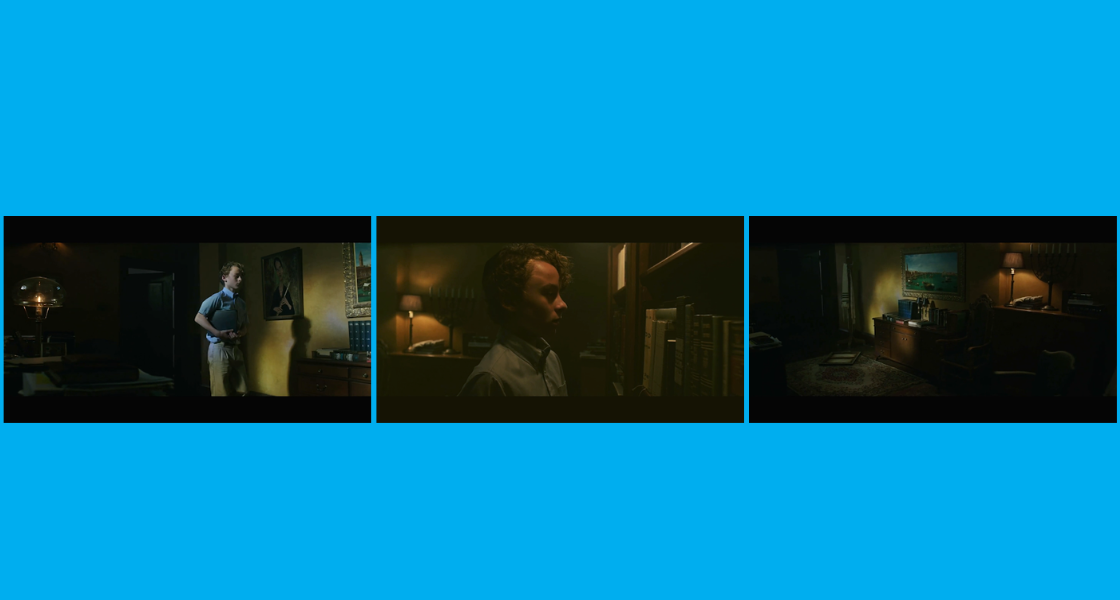
All these actions take place over the course of a roughly twenty-second take. That may not sound very long in real-time, but when it comes to film, this is a pretty lengthy take. Though long-takes mainly rely on the actor, the director and the cinematographer, long-takes can be very useful in the editing arsenal. While it’s important to know when to cut, it’s equally important to know when not to. Because there are no cuts to direct the viewer's attention, the audience is forced to explore the scenery for themselves. We know that the monster has to be somewhere, so to go from a series of fairly quick cuts to a long-take, it’s as if we’re tasked to look for the monster. Before we can come to any conclusions, we hear the painting fall. Everything is now hyper-focused on this painting.
Stanley slowly walks back to the painting. Behind him, the lights flicker before completely encasing the frame with darkness. As Stanley lifts the painting back up, our disfigured painting is now missing as the blank canvas is revealed. Frightened, Stanley slowly backs up as he begins to breathe heavily. Behind him, a door opens, and we hear a flute playing.
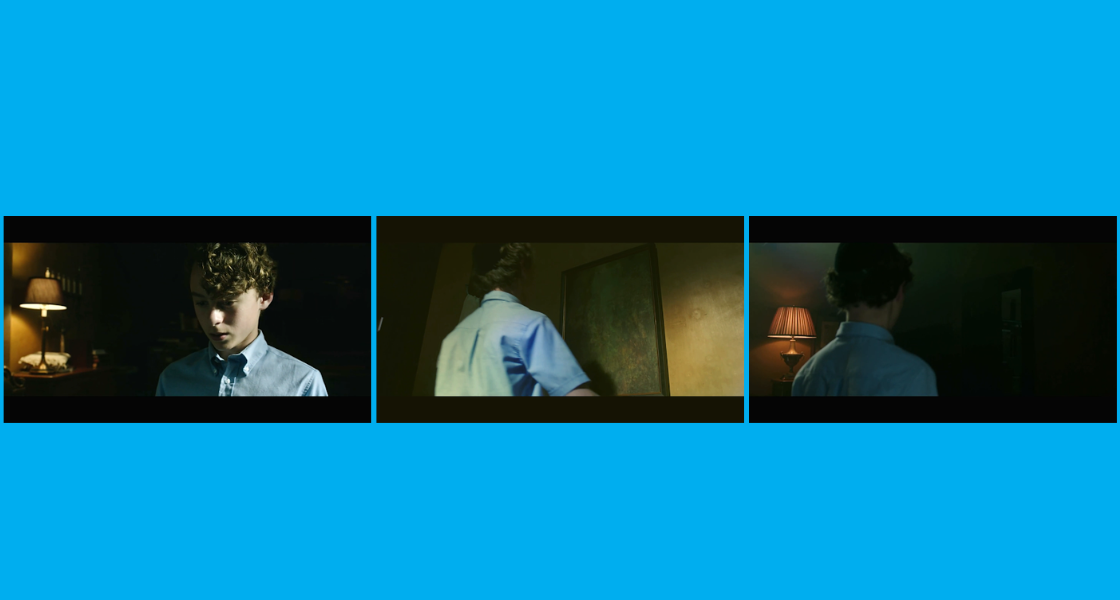
While all these elements add to the fear factor of this scene, revealing the blank canvas and the flickering lights mainly rely on the set design. However, one thing that was strictly post-production was the sound design. Something I found very interesting is that if you listen closely, the flute is heard from the right side of the screen. It’s as if the sound were coming through the door, but as the camera dollies around Stanley, the sound moves across the room and is heard on the left side of the screen.
It is a very subtle and very easy effect to do, but what makes it so impactful is it puts us in the mind of Stanley. He sees the door open, and hears a flute playing, so naturally he thinks the source is coming from the door. The sound designer (and perhaps even the editor) places us in that same mindset by essentially “lying” to us and playing that sound from the door as well. This builds that anticipation that perhaps the monster will be coming from there. Once again, the audience has been misled.
Finally, the big reveal. The monster is, at first, vaguely seen behind Stanley. Stanley turns to examine, then the scene cut to black. From the blackness enters a horrifying personification of The Painting Lady. Stanley screams. The audience screams. And therapists cash in on our collective trauma.
What separates this scene from most horror scenes is the filmmakers’ ability to constantly mislead their audience. As stated in the beginning, we as audience members were immediately cued into what the monster would be. Stanley visually told us to beware of the lady in the painting. We knew it was coming, and yet this scene still terrified audiences.
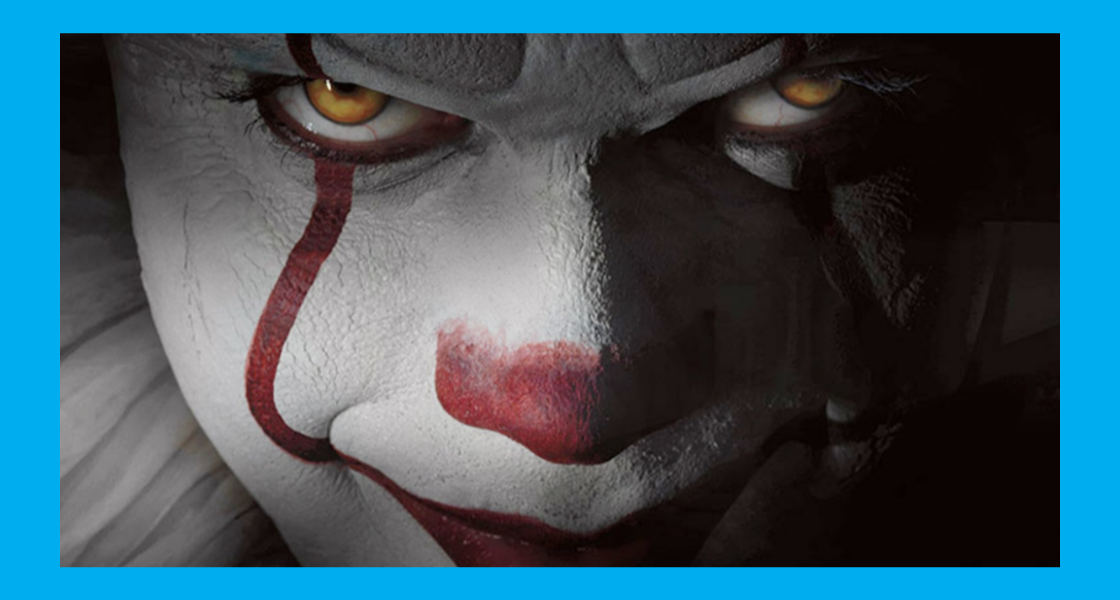
This scene was just extremely clever, because in a way, I think the Creators behind this production were aware of their audience. With horror movies becoming more and more popular, audiences begin to form expectations. This scene felt aware of that, and utilized that knowledge to tease us before finally giving us the big reveal. An amateur filmmaker might’ve just ended the scene by having Stanley walk up to the painting and have the monster jump out to scare us. Instead, it constantly kept us on edge by playing into classic tropes and then not revealing the monster. Finally, when the monster was revealed, even though we knew it was coming, it still managed to frighten us.
I want to re-emphasize that this is the power of editing. Editors have this capability to manipulate the audience any way they’d like, and this doesn’t just have to apply to horror. I’ve seen this level of misdirection happen in action movies and comedies as well.
So when approaching your next edit, consider Hitchcock’s advice and think about how your clips play off one another. Think about how this scene from It utilized various editing techniques to manipulate the audience. Whatever your next project may be, carefully consider the power you have as an editor and the theory of editing.
__
Note From Tongal: This blog is part of a series of Tongal Community-written blog posts that were originally sourced in the Tongal Blog Open Call Project. The views and opinions expressed in this article are those of the author(s) and do not necessarily reflect the official policy or position of Tongal. Read more Tongal Community-written posts here!