
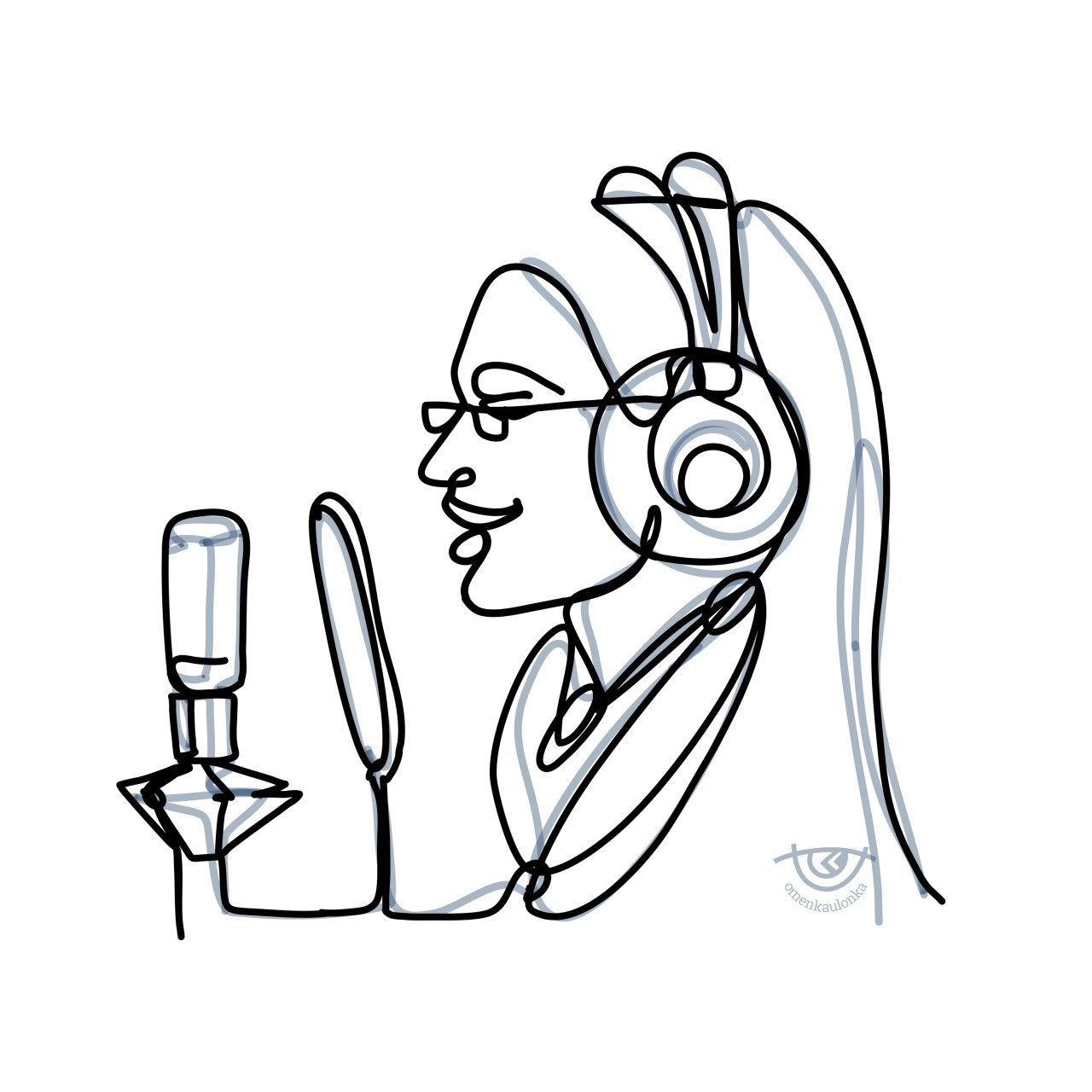

Voice actors are part of our everyday life, and they play a huge role in the success of every project. Think: TV and radio commercials, documentaries, medical training videos, navigation tools, automated phone systems, talking toys, cartoons and video games, there is always an “invisible” actor breathing life into the project. There are even data points that prove that audio generated by voiceover actors increases an audience's level of engagement with a piece of content.
If you want to begin auditioning and booking voice-over jobs, you will need a good demo reel, which can be a :30 to :60 compilation of audio clips. Think through what you want to present and what you want to achieve.
Whether you want to record a voice-over for your own projects or you aspire to become a professional voice-over talent, there are some essential elements you need to start with.
Your Set Up

I usually record in a professional studio, but sometimes I also record in my home studio which is not so hard to make. If you are just starting, then you don't want to rush to a professional studio without knowing what you are doing. Start small before you are ready to upgrade.
Find a quiet space and work on additional soundproofing and insulate it from outside noise. In the process of creating your soundproof creative corner, you can get very inventive by following many helpful tricks. If you are just starting, you will appreciate some more affordable ways to achieve it. You can use mattress covers, carpets, and fluffy sheets on the floor, walls, and windows.
You will need audio recording software, and you can find plenty on the market. Remember to identify your needs, research, and ask questions to find out what suits you. I personally use Adobe Audition, but there are many other great softwares like Audacity, Pro Tools, GarageBand, Logic, etc.
You'll want to pick up a microphone and mic stand. I would also recommend buying a pop filter because it helps a lot. With a bit of research, you can find a good USB microphone for a reasonable price. Admittedly, this part of the equipment is the one that you won't regret investing in!
Get Your Engine Running

Once you have the equipment you might ask yourself what to do and how to do it. To run the race, you must warm up.
Prepare before you start recording by warming up your body, your voice, throat, and tongue. There are plenty of exercises for warming up your voice, but you don’t have to do all of them. Just a few will do to get that engine running. My favorite warm-ups are facial stretch with a big yawn, humming in different frequencies, and lip trills (pushing the air through lips and letting them flutter).
Do the test first. Make sure that the volume level is not too quiet or too loud before you start recording the whole script. Adjust the microphone to find out the position and distance that works the best. Even though 5 inches or 12 centimeters distance is a good recommendation, try to change positions and discover the sounds you like best.
Because you will definitely discover some sounds you won't like, annoying sounds – like mouth-smacking, popping, and the sharp cutting ess sound Again, using pop filter helps with that. Moving the mic off-axis (for example, mic above and pointing down) works too. You can later work on solving that popping sound on your recording during editing, but it's much easier and faster if you avoid having it at all.
Be Kind to Yourself: Breathe, Smile, and Hydrate

One of the best tips I got when I was starting with voiceovers was to put a smile on my face while recording. And it really worked well for me because it works wonders in achieving good articulation. It also helps with those popping sounds I mentioned earlier. Here are a few more tips to help you achieve great tone and pace.
Breathe! You don’t want to rush and struggle for breath like you just ran a marathon (unless you are recording a role that requires such sound). Record at a natural pace and breathe normally, take a natural pause but keep the same volume through the sentences. When you make a mistake, don’t get distracted. Just keep recording, keep the tone and pace. Mistakes will be solved in the editing process.
Speak with your entire body. Keep in mind that your voice is not the only thing you need to use during the recording. Include your entire body. That means that you should stand on your feet when you record and gesticulate with your hands. It will help you breathe fuller and smoother, as well as articulate your lines sharper. No matter what you record, these techniques will allow you instrument to engage fully you instrument.
Keep your vocal cords hydrated. A bottle of water should always be close to you when you’re recording. Being well hydrated will reduce clicky sounds (like saliva crackles and mouth clicks), but at the same time protect your vocal cords.
Never Forget to Enjoy Yourself. Don't Give Up.

Have fun! This is as important as any other piece of advice I've offered! Just enjoy the process. As Charles Martinet, the voice of Super Mario (who holds the record for the most video-game voiceover performances as the same character) says, “A world of happiness is waiting for you when you are committed to your own happiness and joy.”
Keep in mind that it takes time. Recording voiceovers is fun, but the market is tough. While there is no simple formula to the question of how to become successful in the voice-over industry, one thing is certain it takes time and endurance. It’s a competitive market out there, but there is always space for fresh new voices.
Excellence requires time. You need to start somewhere, so I suggest you define what you want to achieve, and get to know your boundaries. Some voiceovers are amazing for documentaries or commercials but not that amazing in animation and animated characters. Only through attempts and exercise can you discover how much you can transform your instrument, what ratio of voices you can deliver, and improvisations you can perform.
Practice As Often As Possible

Coaches or voice workshops are great, but if for the moment you can't invest money in those resources, I would advise that you invest time in studying commercials, tutorials, and other audio projects. Pay attention to pace and tone. Be mindful of how the voice actors emphasize certain words or sentences. Listen, build, and hone your skills.
It took me a long time to find my own place on the market and perfect my own expression, tone, and style. Also, it took countless emails, contacts, and auditions before I got to where I wanted to be. I had to build confidence, learn to relax, and follow my own voice
I can't point out enough how much proper communication with clients plays a role (in the success of a project).
Connect with creators, join platforms and forums, contact talent agencies, ask questions, get inspired, and ask for feedback because sometimes it takes just one right job for you - someone who wants what you offer and trusts you - to set you on the lane towards where you want to be.
__
Note From Tongal: This blog is part of a series of Tongal Community-written blog posts that were originally sourced in the Tongal Blog Open Call Project. The views and opinions expressed in this article are those of the author(s) and do not necessarily reflect the official policy or position of Tongal. Read more Tongal Community-written posts here!