
In the tapestry of human experience, stories are the threads that connect us all. They transcend borders, cultures, and eras, carrying the essence of our collective dreams, fears, and aspirations. At the heart of this storytelling tradition lies an incredible power: the power to bridge worlds. This is the realm of collaborative storytelling, a space where diverse voices come together to weave richer and more intricate narratives than any single perspective could offer.
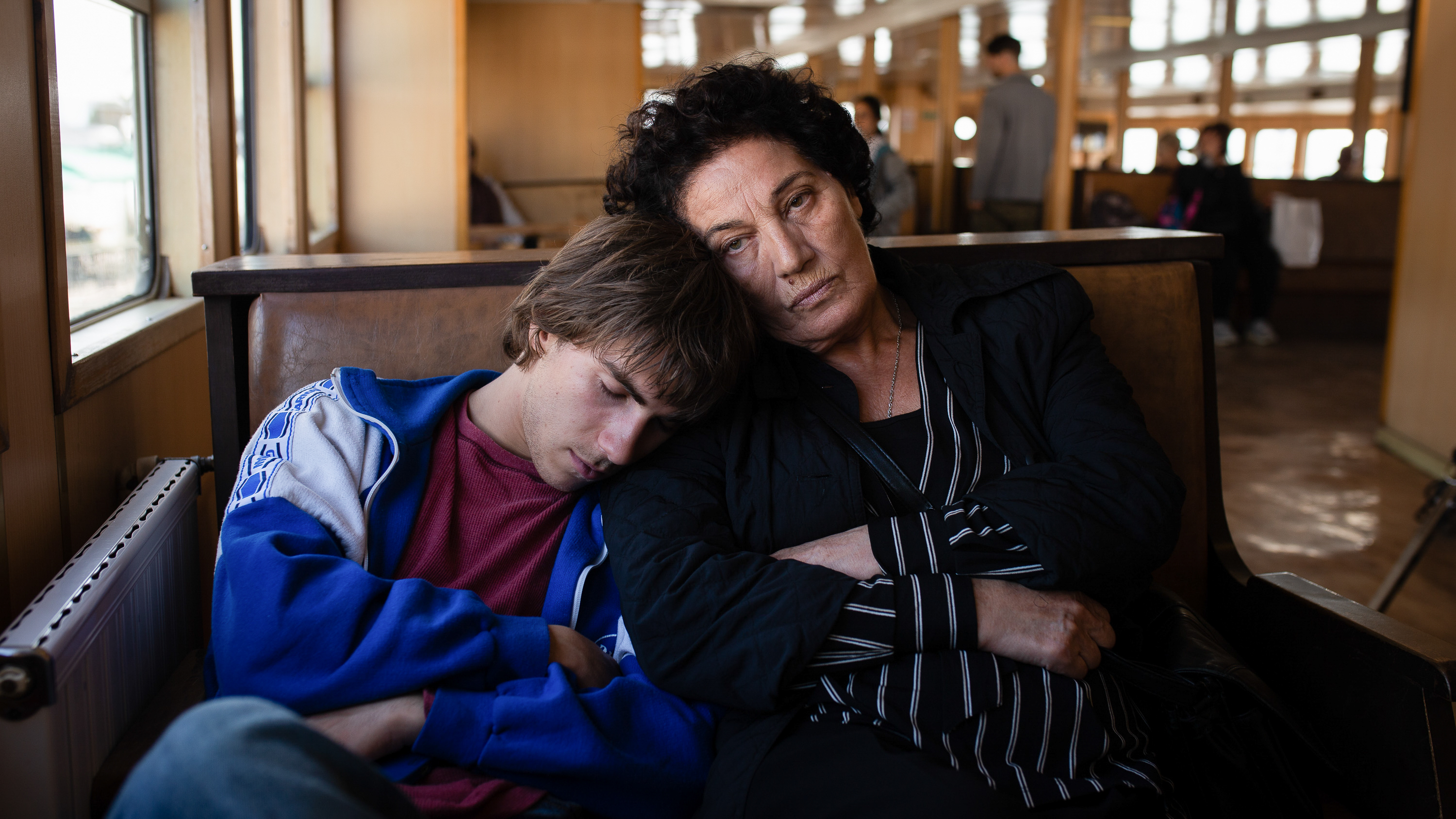
The Crossing
Collaboration in storytelling is as old as time. From the sharing stories at ancient firesides to the elaborate productions of modern cinema, stories have always been a collective endeavor. Yet, in today’s globalized world, collaborative storytelling takes on new dimensions. It becomes a deliberate act of bridging differences, combining distinct viewpoints to create something specific yet universal.
We cannot overstate the value of such collaboration. When creators from different backgrounds unite, they bring with them the uniqueness of their experiences, enriching the narrative fabric. This combination of perspectives makes stories more nuanced, ensuring they resonate with a broader audience. It’s a reminder that in our diversity lies strength, and in our shared stories, a bridge across our differences.
The power of collaborative storytelling is best illustrated through examples that highlight its profound impact on both creators and audiences worldwide.
#1: An International Film Project
Consider the journey of The Crossing, a film project that brought together filmmakers from six different countries. Despite the logistical challenges, the project thrived on its diversity. The film's narrative, rich with varied cultural insights, not only won international accolades but also showcased the potential for collaborative art to foster global understanding.
#2: An International Theater Collaboration
The Seagull Project is an initiative inspired by the artistry and humanitarian legacy of Anton Chekhov, bringing together theater artists from different countries to create productions that blend various cultural perspectives.
Their production, Imagining America: A Promenade Through the American Avant-Garde, involved collaboration between Bulgarian and American theater artists, showcasing the potential for international collaboration to create innovative and thought-provoking performances. This project exemplifies how diverse artistic practices can come together with great storytelling to create a rich and engaging theatrical experience.
#3: A Collaborative Novel Project
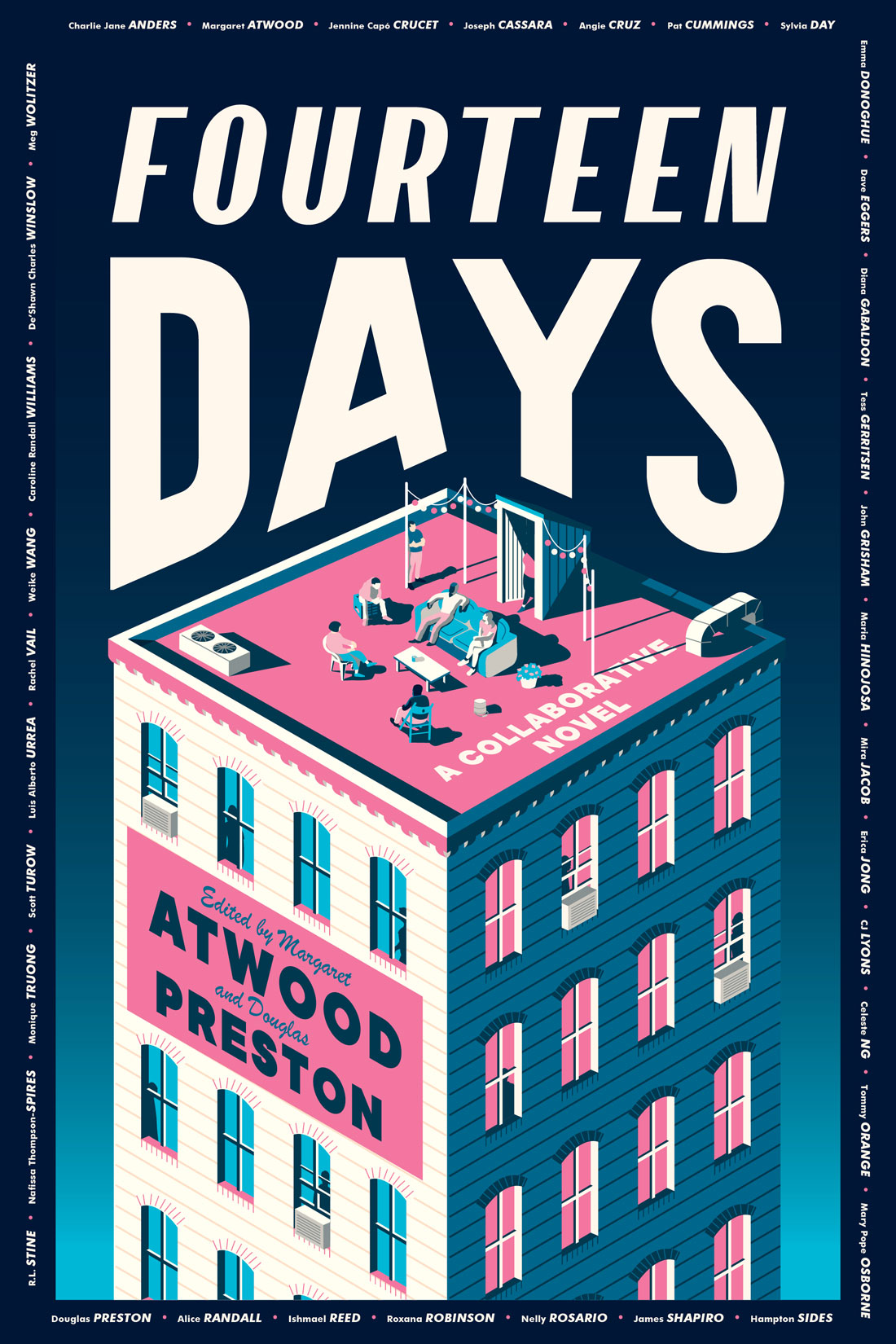
The novel Fourteen Days, is a collaborative effort brought to life by 36 authors from diverse backgrounds, including prominent names like Margaret Atwood and John Grisham. Set during the early days of the COVID-19 lockdowns, this novel tells the interconnected stories of residents in a Lower East Side tenement in New York City. Each character’s voice is written by a different author, weaving a rich tapestry of experiences and perspectives.
Look beneath the surface of this text to find storytelling tips in action, highlighting how collaborative work can bridge cultural and experiential gaps to create a compelling and unified narrative.
These stories of collaboration do more than entertain; they educate and inspire. They break down barriers, fostering a greater understanding and appreciation of the diverse tapestry of human culture.
For creators, the process is transformative, challenging them to step outside their comfort zones and engage with perspectives far removed from their own. For audiences, it’s an invitation to see the world through a multitude of lenses, to recognize the humanity we share beneath the surface of our differences.
Overcoming Challenges
The path of collaborative storytelling is not without its hurdles. Language barriers, cultural differences, and logistical complexities are but a few of the difficulties that collaborators often face. Yet, it is precisely through navigating these challenges that the true value of collaboration is realized, and great stories are created.
Communication, respect, and a willingness to learn are key. Tools like translation software and cultural consultants can bridge linguistic and cultural gaps, while project management platforms facilitate logistical coordination. But beyond these practical solutions, successful collaboration requires an open heart and mind — a readiness to embrace difference as not just an obstacle, but as the very source of the project's strength.
In our interconnected world, technology plays a pivotal role in enabling collaborative storytelling. Platforms like WritersCafe and Scribophile offer spaces for writers to discuss storytelling skills and critique work, fostering a sense of community. For filmmakers and multimedia artists, platforms like HitRecord and Tongal invite creators to collaborate on projects from the ground up. These tools and communities not only facilitate the mechanics of collaboration, but also build networks of creators eager to share and blend their visions.
Building Bridges
The power of collaborative storytelling lies in its ability to build bridges — between individuals, cultures, and communities. It reaffirms that despite our many differences, the stories we tell can bring us together, highlighting our shared humanity. As we look to the stories of tomorrow, let us embrace collaboration not as a challenge to be overcome, but as an opportunity to expand our horizons, to learn, and to grow.
As creators and consumers of stories, we hold the keys to these bridges. Whether you’re a writer, a filmmaker, an artist, or simply a lover of stories, I encourage you to explore the rich possibilities of collaborative storytelling. Reach across the divide, join hands with someone from a different world, and together, let’s tell a story that only we can tell.
Filmmakers are working with the world's biggest brands on Tongal.