

Note From Tongal: "Stop-Motion Animation: The Bare Minimum to Get Started" is part of a series of Tongal Community-written blog posts that were originally sourced in the Tongal Blog Open Call Project. Read more Tongal Community-written posts here and then Pitch us a topic you'd like to write about for the Tongal Blog!
---
Stop-motion is a classic technique, dating back to the early days of motion pictures. From the early work of such legends as Willis O'Brien and Ray Harryhausen to today's jaw-dropping films like Kubo and the Two Strings, the technique has been entertaining audiences for over one hundred years. Many filmmakers don't realize how accessible an art form it is though, and with just a few basic tools and materials, you can be bringing the inanimate to life. The “barrier to entry” could be as simple to hurdle as reaching in your pocket, literally.
As a professional stop-motion animator, even on the small scale we operate at, we have thousands of dollars invested in cameras, C-stands, lights, sandbags and all the other things it takes to make our lives easier and production quicker. And of course there’s software, we use Dragonframe, the industry standard used by pretty much all the professional houses.
But what if I told you that you could be animating in just a few minutes, with barely any investment (well, additional investment)? There are quite a few stop-motion apps available for iPhone and Android. I can’t speak for them all, but one, in particular, I’ve used is Stop Motion Studio. The basic version is free, and with some in-app purchases, it is even more powerful. The only other things you’ll need are some desk lamps, which you already probably have around, a way to mount your phone and something to animate (the sky’s the limit there).
It’s important to control lighting during animation. While the light in your kitchen during the day seems constant enough when you start animating and the shot takes a while (and they always take a while, it’s part of the process) you’ll be surprised how much the light changes. It’s better to pull the shades and use some desk lamps to light your scene. The lighting will be consistent and the results are better.
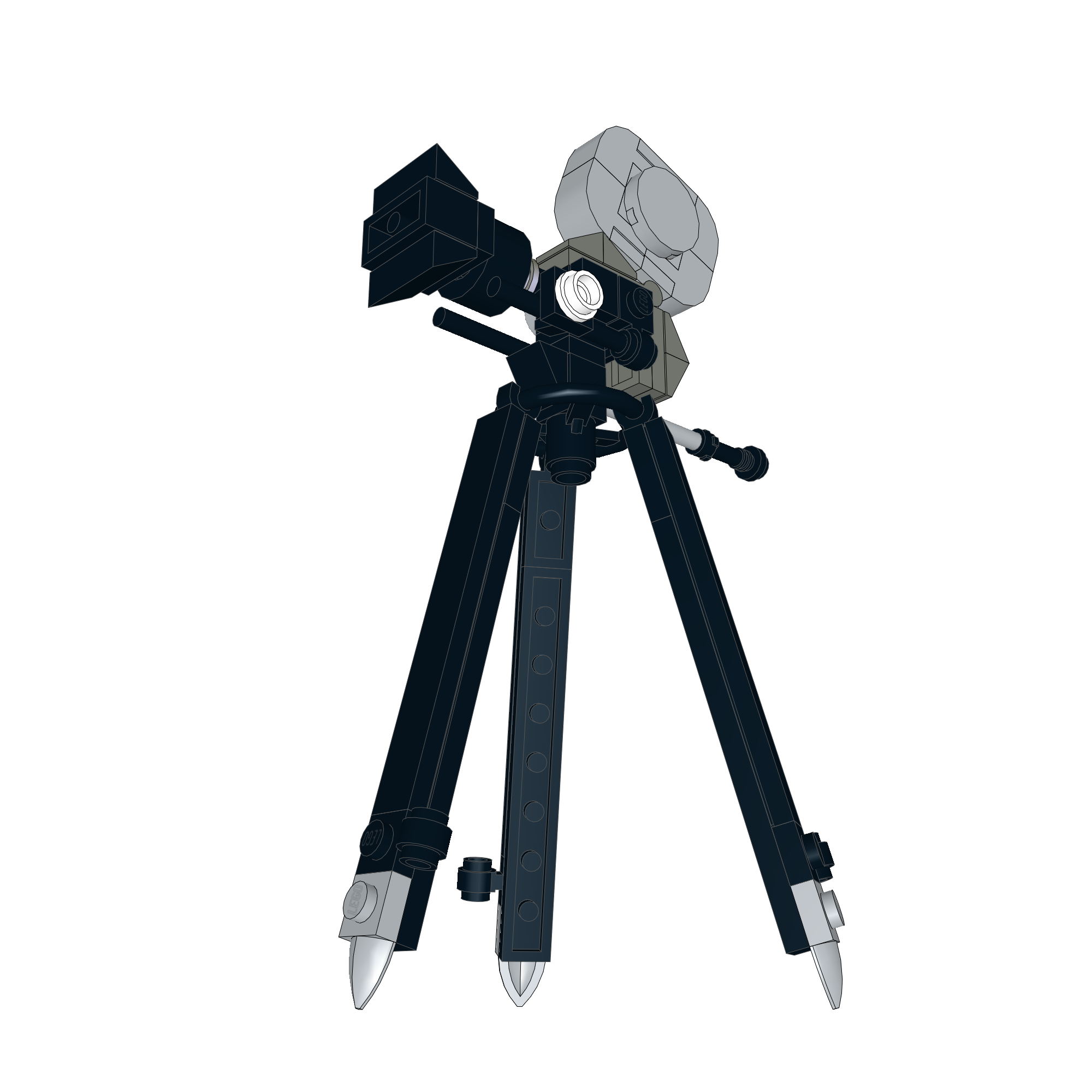
Mounting your phone will probably be the biggest problem, but there are tons of solutions, and the easiest one might already be in your car. If you have a car mount with a 1⁄420 thread on the bottom, just attach it to a tripod. There might be threads on that selfie stick you’re not using anymore too. A Google search for “phone tripod” will result in loads of options, some really cheap. The important part of this is to make sure your camera doesn’t move while you’re animating, so a sturdy mount is a must.
As far as something to animate, it’s really up to your imagination, and absolutely limitless. But if you want some suggestions, try starting out with some simple toys, action figures or my personal favorite, LEGO. LEGO figures are easy to pose, hold fast to the studs you place them on and automatically register in place so frame to frame drifting isn’t a problem. You can also just use some simple paper cutouts on a flat surface, try butchering a magazine Terry Gilliam-style, it’s great fun. [Ed. Note: We suggest getting inspired by the stop-motion animation projects we occasionally launch on Tongal!]
The basics are super simple: compose your shot, take a picture, move something a small amount, take another picture, repeat. We all know the premise, but have you actually ever tried it? As juvenile as it sounds, I guarantee you’ll feel a tinge of magic when you play back that first series of frames. Watching that inanimate thing suddenly come to life and move on its own is always a thrill when you’re the one that brought it to life. And I’ll bet you’ll be pumped to do another shot right away, it’s totally addictive.
When you’re ready to take it to the next level you can gradually scale up. Try moving the camera while you animate, making shots dynamic. Break out that webcam, or DSLR you thought you’d be using all the time, pick up a cheap lighting set on Amazon, download some software (there’re quite a few stop-motion apps to choose from) and dust off those old action figures, they’re about to have a battle.
Telling stories through animation is truly magical, and far more within reach than you might think. Even on a shoestring budget, or no budget at all for that matter, you can actually be animating in the time it takes to order a pizza, give it a go.