

There comes a time when you are staring at a character that you hate, begging them to become more likable so your audience has a chance to fall head over heels in love with them. But you can’t seem to get your character and that goal on the same page when it comes to likability. You are left angry, glaring at them, promising the world if they would JUST. BECOME. LIKABLE! What do you do if you are dealing with a character who is inherently a jerk, psychopath or something else that feels too out there to get the audience on their side?
When this happens, you can lead your audience to start warming up to your character and eventually cause them to scream at the screen when your character is hit with adversity. You can take even the most frustrating characters in existence and guide them towards the path of likability. Using TV and movie examples, here are four ways to get your audience cheering for even the most infuriating characters:
#1 Creating an Underdog
Andy Bernard from The Office goes through a severe personality makeover in the show. He starts off as an antagonist, causing the audience to hate him when he sabotages one of our favorite characters and gets him fired. If Andy was going to survive, and not be ripped apart by viewers, mean tweets and angry YouTube reaction videos, the writers needed to give him an attitude adjustment.
And they did, literally. The moment he came back on screen after the balance had been restored, he explains that he was a “new version of himself,” asking to be called by a new name and sets the stage for the audience to wait and see how true his claim was. To drive home the change, he was made fun of and pushed around mercilessly to the point where the audience was left thinking, “Okay… I think he learned his lesson. You can cool it.” By the end of the episode, he had changed before our eyes and became the underdog, leaving the audience to instinctively welcome him back.
Moira Rose from Schitt’s Creek is another example of a character who is difficult to love. The writers found this over-the-top character’s sweet spot and played up her underdog qualities, reminding the audience that she was down on her luck. Even though she is out-of-this-world dramatic, we understand that her life isn’t easy. This drives us to relate to her challenges. But there is something else that makes her likable. She fights for other underdogs. We see her go out of her way (however rare) to help others. Which leads to example number two…
#2 Fighting for the Underdog
Joe Goldberg from Netflix’s You is a character with a clear goal — he wants to be loved and will do ANYTHING to make that happen. With a mentality like that, it’s hard to root for him when he does unspeakable things. But we care anyways, why? Because throughout the show, he is seen helping underdogs. And not just any underdogs, but children in need of help. This helps balance his unbalanced behavior, allowing the audience to justify following his story and stay invested. Because he does good, we see good in him, and can’t completely write him off.

He also encounters people who do worse and behave worse, causing us to think, “Well at least he isn’t like that guy,” which keeps the audience on his side because he is the lesser of two evils.
#3 Humor and Charisma that Outweigh Jerky Qualities
Another character type you may have to work with is the “too smart for their own good,” personality. These characters can be unbearable, irritating and obnoxious. So how do you take a know-it-all and make them liked by all? Humor and charisma! A classic example would be Tony Stark. The guy has a talent for pissing people off. But he also has a talent for witty banter and a confidence that leaves the audience laughing. His ability to make the audience laugh, and do so with charm, causes us to like him because he offers us something in return for his irritating behavior.
Tony also has moments where he shows vulnerability. In the first Iron Man movie, he is left in an injured, near-death situation, giving the audience a look into his vulnerable side. The man who has everything suddenly is no different than everyone else. We all get injured, we all get hurt. We are left full of compassion, wanting him to fight his way free to live another day. Which leads to my final example…
#4 Vulnerability
Walter White from Breaking Bad starts off as a protagonist who is down on his luck and trying to leave something for his family, while his partner-in-crime Jesse is a bit of a loose cannon and hard to like. But as the series progresses, we watch them switch places. Walter White goes from being a man who is near death’s door, doing things to protect the ones he loves with the audience behind him, to becoming a man who wants power and is willing to push away everyone and everything to get it. By the end, we are left rooting for Jesse as he becomes the vulnerable boy who has lost so much while helping the underdog. Jesse becomes the likable character in the series, the one we root for. Meanwhile Walter has shed every aspect of likability he had, leaving us shocked, confused and changing teams.
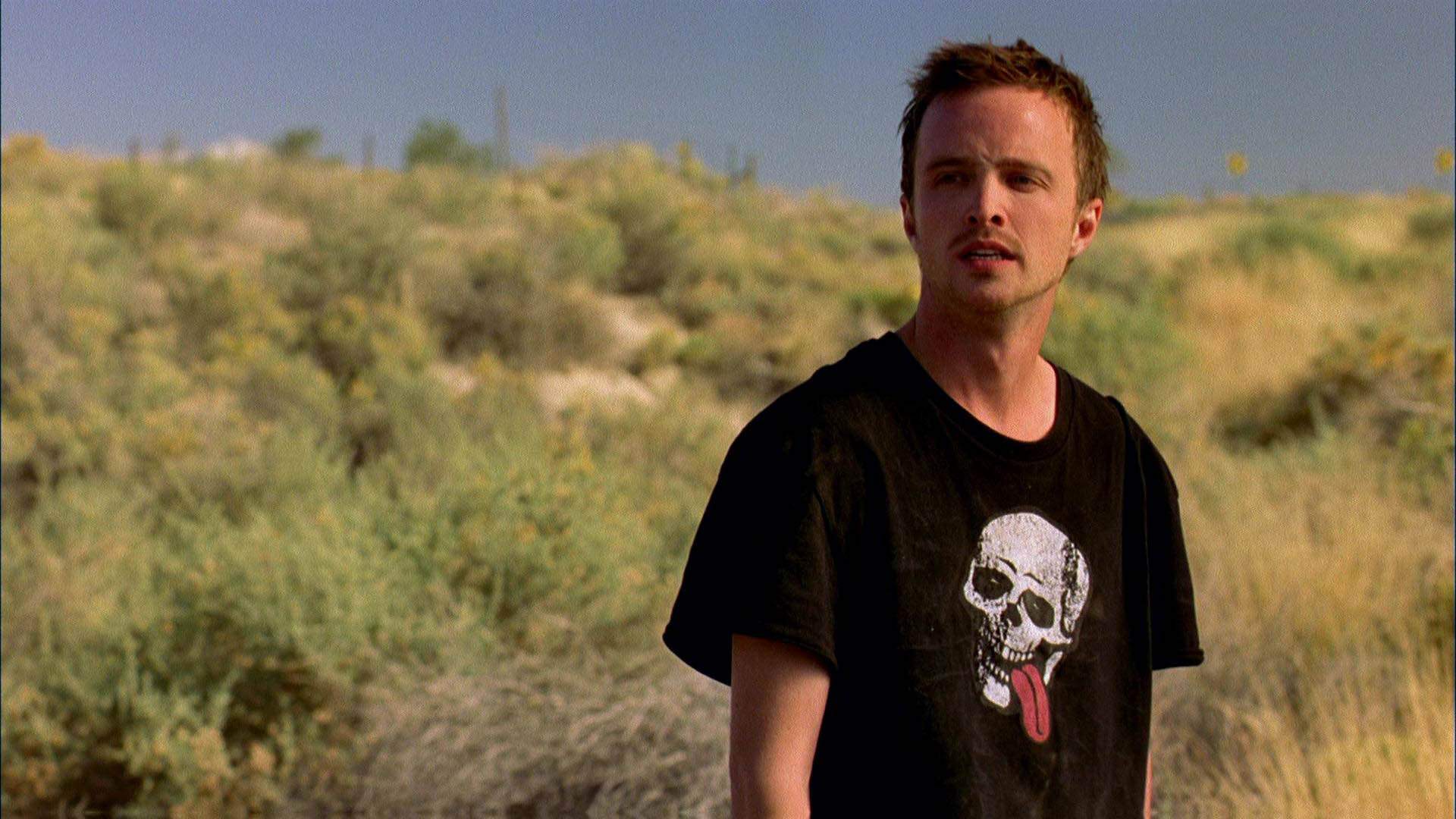
So if you are dealing with a jerk, a drama queen, a psychopath, or any other character type that needs a little likability to make your life easier, take a moment and ask… Is there something that makes them vulnerable? Is there someone they fight for? Is there something that makes them an underdog? Are they funny or charismatic? Find the piece of them that makes the audience go, “I want to see where this goes.” The character doesn’t need to be a morally upright person to be liked. They just need to be someone you would spend two and a half hours (or a season) watching.
So get back to that character and give them an attitude adjustment! Walk them down the path of likeability. You can do this. A part of you knows you can, if you didn’t you wouldn’t have bothered to read this far. So get to it!
Note From Tongal: “Making Your Characters Likable" is part of a series of Tongal Community-written blog posts that were originally sourced in the Tongal Blog Open Call Project. The views and opinions expressed in this article are those of the author(s) and do not necessarily reflect the official policy or position of Tongal. Read more Tongal Community-written posts here and then Pitch us a topic you'd like to write about for the Tongal Blog!