


One of the most surprising and underrated perks of attending film school is how much money it can save you when creating your portfolio pieces and short films. From free access to permits to state-of-the-art facilities and professional-grade equipment, film school can dramatically cut production costs.
While at Art Center College of Design, I made three spec commercials — crafted to double as short films with strong concepts and storytelling — for under $3,000 each. Without the support of my film school, those same projects would have cost me nearly $30,000.
Whenever I showed my portfolio, people were amazed by how professional my work looked, given that I created it with such small budgets. This in itself became part of my marketing as a filmmaker. Any studio, producer, or investor wants to know that you are a responsible filmmaker regarding finances. You gain a significant advantage when you can take a budget and make the film look three times more expensive than what it costs.
In this blog post I'll tell you how I created my portfolio pieces without breaking the bank, helping you understand what to prioritize in your spending, and where you can save money.
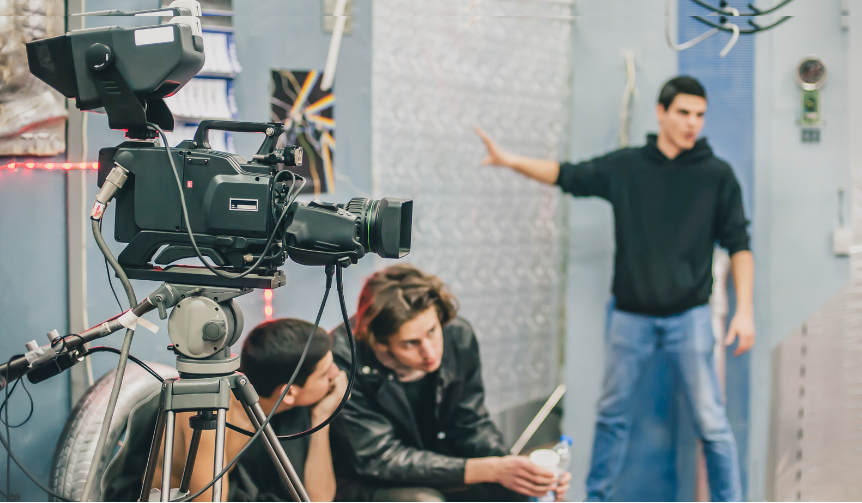
One tip for learning budget filmmaking hacks: crew on other people's projects. Before I shot my own portfolio work, I worked on fellow students' film sets and observed how they would spend money. Some of these projects were micro budget films, and some cost tens of thousands of dollars.
By participating in these different projects, I quickly learned to see where expenses were warranted and where they were wasted. Watching the filmmaking process will help you understand what you find important and where you should prioritize your own spending.
3 Pillars of a Great Short Film: Performance, Dialog, and Sound
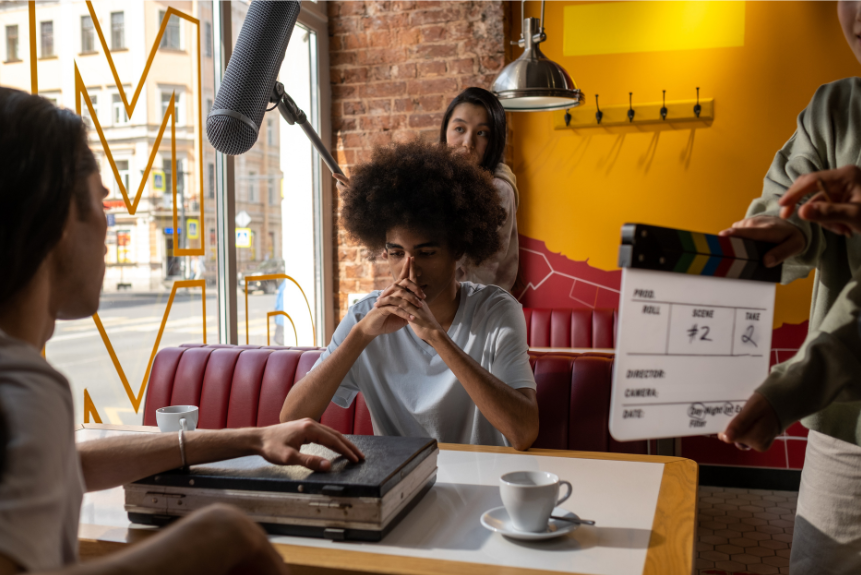
When it comes to making a great short film or spec commercial, people often ask: What matters most? The answer is simpler than you might think: performance, dialog, and sound. These three things are non-negotiable for capturing your audience's attention.
Everything else, like editing, cinematography, or even set design, takes a back seat. The average viewer can overlook you filming in black and white with minimal production value. But if they aren't emotionally invested in the story, or worse, they can't hear what the actors are saying, no amount of beautiful cinematography or skillful editing can save your work.
A well-crafted script, authentic performances from your actors, and crystal-clear sound will keep viewers hooked. Get these right first, and then you can elevate your storytelling with editing and other cinematic touches. Remember though, at the end of the day, audiences will forgive low-budget aesthetics if the story sweeps them away.
The lower the budget, the more time you need in pre-production. You don't have the luxury to waste even a dollar, so you need at least 2 to 3 months to make sure that everything is thoroughly prepared. You'll need detailed storyboards, thorough rehearsals, the right crew, and of course, a meticulous game plan to execute your short film.
Prepare for the unexpected, and be ready to think on your feet and make changes to your shoot as issues arrive. Along these lines, you'll want to add 20% on top of your budget for emergencies. In filmmaking, there will always be issues you haven't accounted for, such as a falling out with a crew member you had to pay, damages to sets, or just under-budgeting and forgetting about a certain expense. The padding in your budget will help you overcome these challenges.
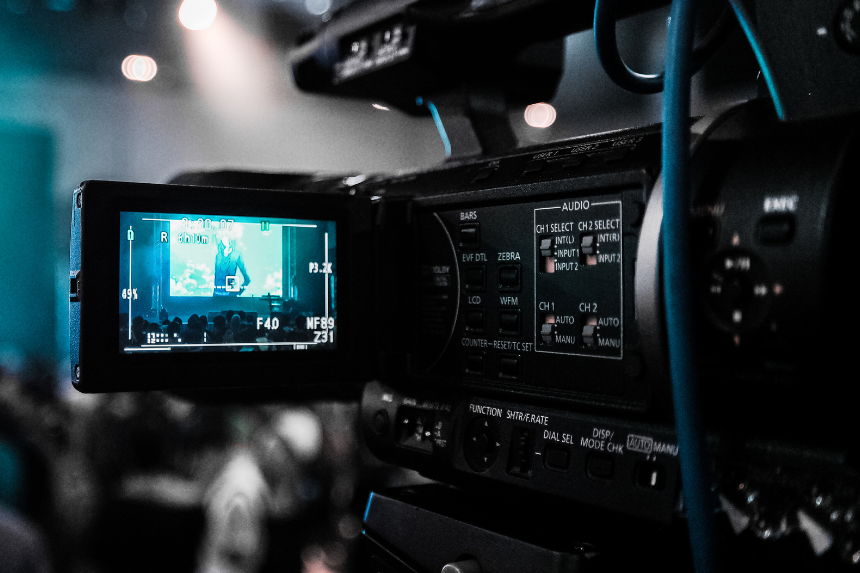
One great advantage of shooting short films while at film school is that your school will usually have a camera (often a standard RED camera), dollies, grips, and other equipment that you can rent for free.
The one thing many film schools don't have are high quality lenses. If they don't have good lenses for rent, the school will usually have affiliations with rental companies where you can rent a high-quality lens at a discount. You can also check Tongal's partner offers page for discounts on lens rentals. Rental prices may still be a bit steep, but at the end of the day, the camera you choose is not as important as the lens you film with.
The camera can help with post-production and how much you can stretch the film, but to get the actual cinematic look and image quality, lenses are what do the job. Even poorly framed images can look professional with the right lens.
Lenses can also help you set the tone for your film. For example, I used an anamorphic lens for a Make-A-Wish commercial to get a dreamy look, and a zoom lens to get a comic book look for a comic book-style commercial.

Another important place to prioritize your spending is on food. On student films, your crew and actors will be working for low or no pay. The key to keeping them happy is to serve them great food — that means no pizza!
Don't be afraid to reach out to your network for help saving money on your film. One way I was able to save on craft service costs was by enlisting the help of a friend who had done catering for her church. She offered to cook for my crew for free as long as I covered the cost of ingredients. Her food was delicious, my crew was happy, and I spent less money serving 40 crew members than I have on ordering food from a restaurant for 10.
Don't forget about people with food allergies and dietary restrictions. You need to accommodate everyone, which can be challenging on a low budget. One cost-effective solution for this is to order some dishes that combine all common food restrictions, e.g. both gluten free and vegan.
One major place to save some cash is on location rentals. It’s not unusual to be charged $1,000 a day for a location rental, so find locations that are free. Check to see if there are any production studios affiliated with your school. I got to use Paramount Studio’s New York Street backlot set because they would rent out the backlot for free to students during the summer.
Ask your friends too! On another project, I was able to use a classroom because a few of my friends ran a school and were more than willing to let us shoot there for a weekend.
Being a film student, you can often save money on hiring cast and crew as well. There are usually plenty of other students who will be willing to work for free on your project. Just don't forget that this is a two-way street, and you need to provide them with a quality portfolio piece in exchange for their participation on the project.

Finally, you can save money on props and costumes in your films. You can lower your set dressing and wardrobe budget by borrowing clothes and props from friends or renting from your school’s prop store. There will be times when you do have to buy items, but for the most part you can borrow them for free if you're just willing to ask.
Just remember, whatever you shoot is a marketing tool. Your spec commercials and short films show that you are a filmmaker capable of telling compelling stories.
Filmmaking on a tight budget is an advantage, not a disadvantage. It shows the people who might hire you that you are capable of handling their money and that you will make the most of what you are given.
Above all, be gracious and help the people who helped you on your journey to becoming a filmmaker.
Filmmakers are working with the world's biggest brands on Tongal.