
The Job Ain't Over Until the Paperwork is Done
The list of things-they-don't-tell-you-in-film-school is a click-bait perennial we have all seen a thousand times. But when you finally finish your epic, you might be surprised at some of the arcane and just plain weird things that you are expected to sign off on.
Do you really have to write a check to a company that guarantees you came up with the title "Johnny Beef-stew Versus the Incredibly Strange Space Monster that Ate Wilkes-Barre"?
"The Harding Flash and Pattern Analyzer Test" isn't the kind of thing that Orson Welles had to deal with but it is just one of the strange obstacles you might encounter on your way to a locked picture.
Only a lawyer can tell you what you need to do with this kind of information, but here's a look at some of the obscure and often bizarre things you might have to address before a distributor cuts a check for your final payment. [Ed. Note: And we strongly advise you to speak to an entertainment lawyer about your film]
Keep in mind that almost anything you create for online platforms is going to be accessible anywhere around the globe. The reach of content providers like YouTube or Netflix is effectively worldwide, which means your commercial for the local pizza parlor is being seen everywhere from Dubai to Muncie, Indiana and you might have to contend with some rather obscure standards and practices.
Clearing Your Title
The oft-stated rule of thumb says titles are not typically protected by U.S. copyright. But the reality is much more complicated. If you are releasing a film or television work through traditional means like a studio or a network, they are going to ask you for a title report. The title report will cost you anywhere from $500 to $1000. Some distributors will do this for you but you are usually paying for it in the long run as they will tack it on to the expenses that they need to recoup before you start receiving royalty payments.
So what exactly do you get when you shell out for a title report? You get a summary of works that have a title even remotely similar to yours. The word they like to use is: confusion. Is your title going to cause confusion in the marketplace? Is it intentionally meant to cause confusion? What's the difference between “Transformers” and “Transmorphers”?
If a title report sounds like something that you could do yourself using Google and IMDB, you are probably right. The difference is the title clearance people are being paid to do the kind of diligence that will hold up in court if your distributor has a problem down the line. The title clearance company does not directly protect you if a problem rears its ugly head but your distributor or insurance company has a piece of paper that they can point to and say “Hey, look! We went to all this trouble to check this stuff out!”
And, yes, there are countless films on IMDB with matching titles. We can't explain it either because we're not lawyers. But we can guess that it started with lawyers. And in the end, everyone decided that the best practice in the future was more paperwork. And more lawyers.
Errors and Omissions
While Errors and Omissions insurance is a budget item in almost every film project, plenty of other businesses pay for this type of coverage. The quick answer is E&O is a fairly broad concept that covers anything from professional negligence to failure to deliver as promised (depending on your insurance policy). In film and television productions, the focus is typically on insurance against intellectual property rights claims. If you get taken to court over music rights or because your lead actor was visibly swilling Budwiser and munching Hershey Bars, you might regret not shelling out for the coverage.
The Harding Flash and Pattern Analyzer Test
You can blame Pokemon for this bit of arcane science. In 1997, an episode of the cartoon series featured a segment with a series of rapidly flashing lights. The widely reported light show was enough to induce seizures in a small number of viewers. In the U.K., the Advertising Standards Authority runs commercials through special software, the Harding Flash and Pattern Analyzer Test which checks video for specific patterns of flashes and contrast. Apparently the test is not foolproof. A 2012 car commercial passed the test, yet still managed to generate reports of seizures.
Streaming services are beginning to take notice and the test is routinely used by quality control departments.
The Eiffel Tower at Night
Finding a perfect shooting location is a combination of legwork, research, and just plain luck. If you are shooting on private property, you need written permission from the owner to feature his dog grooming salon in your low-budget, avant-garde thriller. But what happens when a would-be Spielberg sets his tripod down on the very-public sidewalk in front of your house? Does he need your permission to use your humble cottage as background scenery for a car chase? Are public buildings intellectual property? Are they works of art? Are we going to tell you to talk to a lawyer (again)?
The answer is (again) complicated.
The Eiffel Tower is a bit of a strange outlier in the weird world of intellectual property rights. Typically, European Union protects copyrighted works for the life of the author plus 70 years. Stephen Sauvestre, the designer of the Eiffel Tower, died in 1923 so the tower's iconic silhouette entered the public domain in 1993. Hence, the ersatz towers in Disney World and Las Vegas.
But here's where it gets weird. In 1985, the tower was illuminated for the first time. The design of the lights are considered an artistic work protected by copyright. While there are no reports of anyone getting hauled into court for taking a selfie in front of the landmark, you could technically be required to get permission from the lighting designer.
Other iconic buildings like the New York Stock Exchange or the Chrysler Building are protected by copyright but most countries allow filmmakers some latitude shooting panoramic views of public cityscapes.
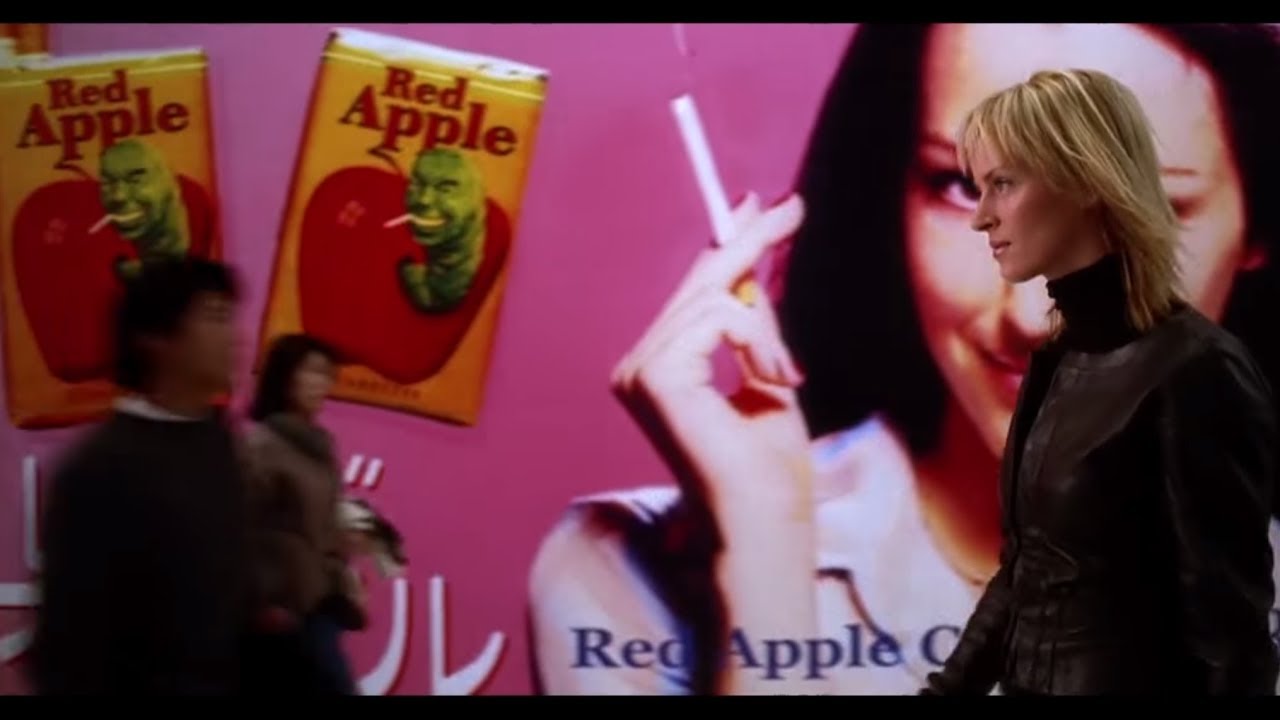
Recognizable trademarks of almost any kind can be trouble. That includes logos and the sort of unavoidable outdoor advertising that's ubiquitous in public. There's an entire industry of prop makers who create “look-alike” alternatives to common household items like beer cans or magazine covers. There is a good reason Red Apple cigarettes are the brand of choice for Uma Thurman in “Pulp Fiction” and get prominent play in “Once Upon a Time… in Hollywood.” If you haven't guessed already, the brand is a wholly fictional creation of director Quentin Tarantino.
Do I Need a Lawyer?
If you have to ask, the answer is a resounding “YES!” and this is the likely answer Tongal’s lawyer would hope we pass along. But there is some solid logic at work here. If you're not sure about something, throwing a few bucks for a meeting with a lawyer is a good investment.
Lawyers cost money. Sometimes they cost a lot of money. Lawyers come in all flavors and price points and it is hard to pin down legal costs. A lot of variables come into play. If you are wrangling a local commercial with a $2000 budget and a legal eagle is going to cost you a thousand dollars, it's a problem. If you are working under a contract for someone, you might be covered by their own insurance and legal team but it's far from certain. You have to do the work and that might include consulting a lawyer on your own dime.
None of this should cause panic. But the job ain't over until the paperwork is done.
---
Note From Tongal: “Lawyers, Guns, and Money: A Guide to the Unexpected Costs and Legal Work When Finishing Your Film" is part of a series of Tongal Community-written blog posts that were originally sourced in the Tongal Blog Open Call Project. The views and opinions expressed in this article are those of the author(s) and do not necessarily reflect the official policy or position of Tongal. Read more Tongal Community-written posts here and then Pitch us a topic you'd like to write about for the Tongal Blog!