
It’s no secret that Hollywood lags behind many other industries when it comes to diversity. As noted in last week's post, Women and Hollywood announced that, of the 51 films killing it at the box office in 2021, no more than 7 were helmed by women directors. Additionally, only three of those 51 directors identify as women of color.
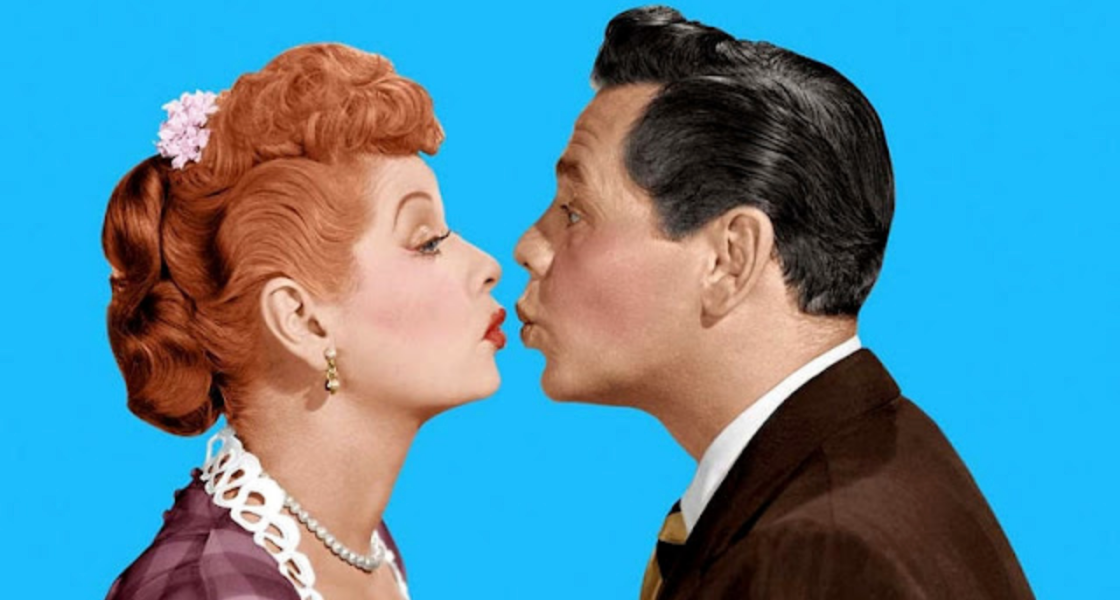
It’s amazing to think that this is where the numbers stand given that the “glass ceiling” of women participating in the industry was cracked sixty years ago. That was the year that Lucille Ball bought out Desi Arnaz's part of Desilu Productions, becoming the first woman to run a major TV studio. Clearly the modern television landscape owes much to Lucille Ball, and it’s undeniable that her work partnership with Desi Arnaz formed the bedrock of both of their eventual successes.
When Lucy Met Desi
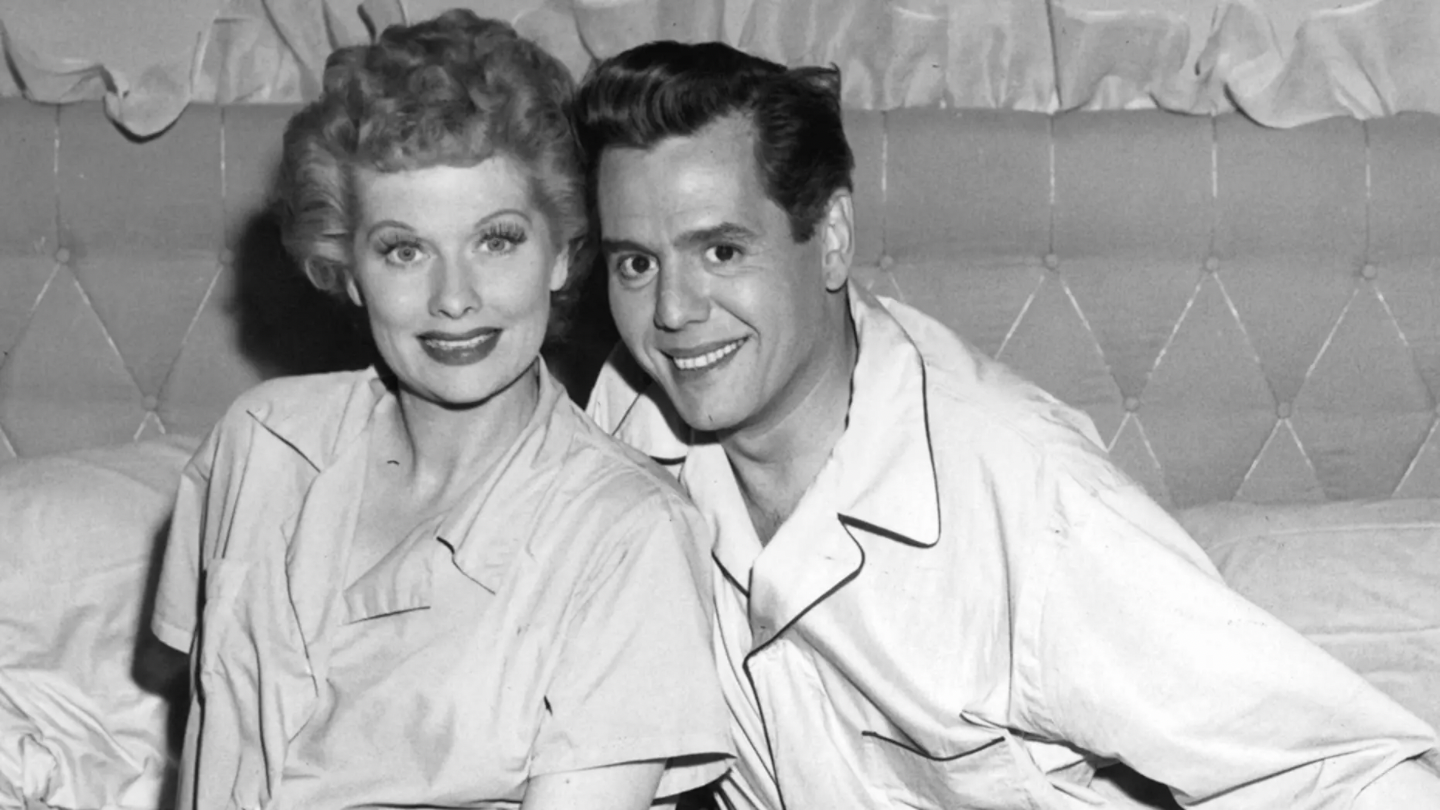
Lucy had a mildly successful start to her career. After attending drama school in New York where she was told she’d fail in entertainment, Lucy became an in-house fashion model and briefly worked as a Broadway chorus girl before being fired off of two different shows. She had more luck in Hollywood, landing various roles in movies and plays. Desi, for his part, was a highly successful band leader, credited with introducing New York City to the conga line.
Lucy met Desi in 1940 during a run of the musical Too Many Girls, and married six months later. During this period, Lucy starred in enough B-movies that she earned the nickname “Queen of the Bs” around Hollywood. By the time Desilu Productions launched, Lucy had already appeared in over 75 movies.
The Rise of Desilu
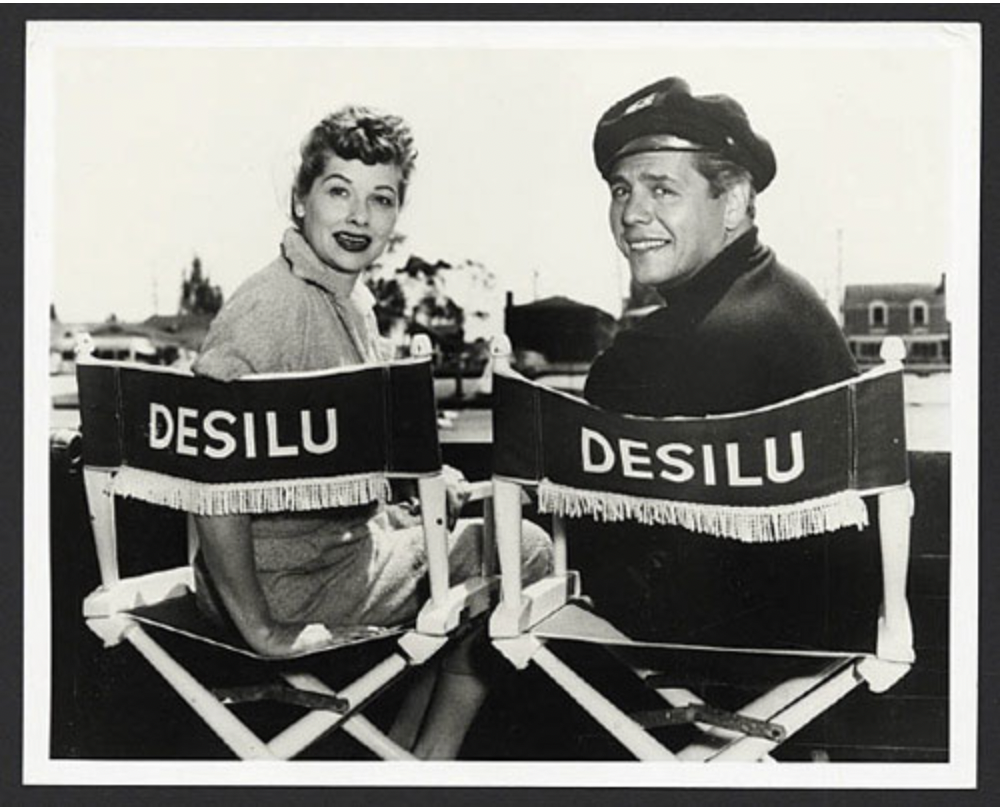
Desi and Lucy created their studio in order to produce a version of their live vaudeville act as a TV show and sell it to CBS. What CBS wanted, however, was an adaptation of Lucy’s radio show My Favorite Husband starring Ball and her radio co-star Richard Denning. Lucy put her foot down and insisted that Desi play her husband instead. CBS agreed, and I Love Lucy was born.
Lucy’s role as a creative executive at Desilu is widely recognized, and especially in the later years of the studio she played a major role in guiding what hopeful pilots went on to be television shows. Despite these accomplishments she credits Desi, who despite his pre-revolution high-class upbringing had no formal business training, with having driven Desilu’s underlying success. “Don’t make any mistake,” the Paley Center for Media quotes Lucy as saying:
“They talk about my business acumen. They’re wrong. It was all Desi. He built Desilu into an empire. [...] I never wanted to be an executive, but when my marriage to Desi broke up after nineteen years, I couldn’t just walk away from my obligations and say forget it. We were an institution. So I took on all the responsibilities.”
Not only did Desi run a successful business operation, he also helmed technological developments that changed the way television was made. He and I Love Lucy cameraman Karl Freund are credited with developing the linked multifilm camera setup that enabled the filming of adjacent sets in front of a live studio audience. This method became the standard for producing sitcoms and allowed for the broadcast of film recordings instead of the then-typical kinescope recordings, which relied on filming a video monitor resulting in the broadcast of a lower quality image and the potential for damaged or misplaced tapes (and therefore “lost episodes”). CBS executives were hesitant to adopt the more expensive shift to film instead of just broadcasting the show live, but Desi convinced them to allow his studio to cover additional costs in exchange for ownership of the film prints and negatives. This incredible business deal allowed Desilu to make profits from all of the show’s reruns — an unprecedented arrangement at the time.
Desi and Freund also designed the first sound stages that were deemed safe enough for an audience while not violating safety, fire, and health codes, giving I Love Lucy its characteristic live audience participation. Desilu grew to the point that in 1957 they were able to buy RKO Pictures’ facilities, giving the studio a total of 33 sound stages (more than MGM or 20th Century Fox at the time). The next season, Desilu generated more than $32 million in production revenue — that would be over $311 million today.
The Legacy of Desilu Productions
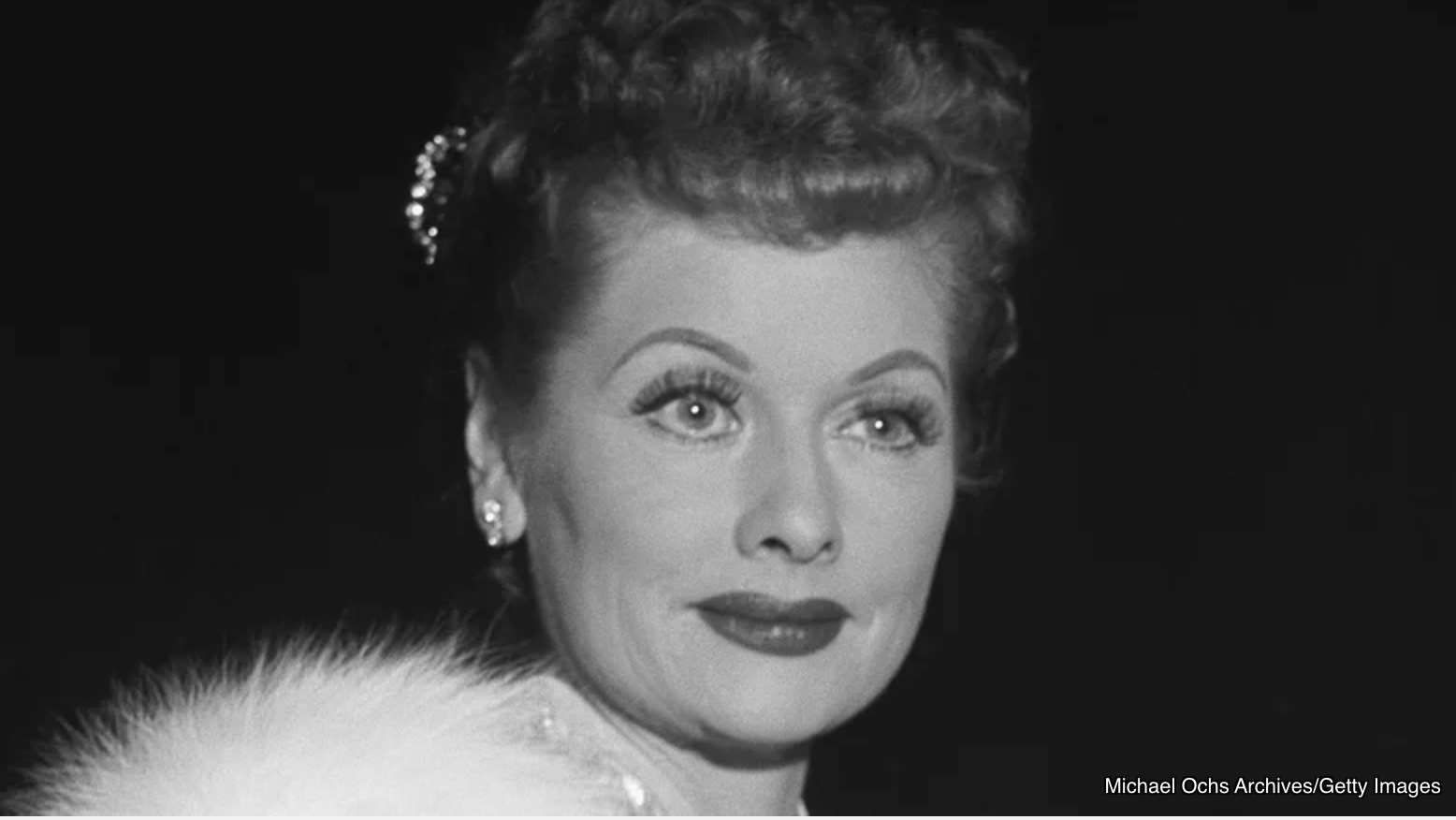
After the two powerhouses divorced, Lucille Ball became Desilu’s president and CEO while also starring in her weekly series. As the company’s leader and tastemaker, she was the voice of approval for shows like Star Trek, Mission: Impossible, and The Untouchables, favoring shows that would be popular with audiences and have significant rerun potential. Many classic productions shot on Desilu backlots and stages, including The Andy Griffith Show, The Dick Van Dyke Show, and Lassie. In expanding the Desilu empire, Lucy launched Desilu Sales to oversee domestic and foreign TV syndication.
In the late ‘60s Lucy sold Desilu to Gulf+Western, which established the studio into Paramount Television. Lucy and Desi’s daughter Lucie Arnaz later launched Desilu Too, which mostly licensed I Love Lucy merchandise. I Love Lucy and The Lucy Show continue to play in syndication to this day, demonstrating the incredibly long-lasting impact that the partnership between Desi and Lucy had both on the screen and in the continuing fight for equality in Hollywood.
__
Note From Tongal: This blog is part of a series of Tongal Community-written blog posts that were originally sourced in the Tongal Blog Open Call Project. The views and opinions expressed in this article are those of the author(s) and do not necessarily reflect the official policy or position of Tongal. Read more Tongal Community-written posts here!