
Writing is a lone job. You imagine a person sitting in a dark room, eyes glued to their computer screen for hours on end, hair a mess of chaos, old take-out containers sprinkled around them like forgotten spoils. And although writing is solitary, and isn’t the most glamorous of experiences, when it comes time to share a script, the writer has to clean up and allow others into the world that has just been theirs for months— maybe even years.
This is where that beloved script can either be punched up, or torn down. And this is where the true test begins. For all those writers out there looking to improve their work, grab your pens and get ready for some of the best ways to punch up your script.
Assistant Chefs
The punching up process is a lot like allowing a bunch of extra cooks into the creative kitchen. Every writer, whether working on a book or script, has editors and close readers that they trust to point out things that are working and offer constructive suggestions on things that aren’t. These are your allies, or assistant chefs. Your extra eyes that see the blind spots in your work.
You want to surround yourself with honest helpers. People who push you to be better, know the heart of your script, and want to help you tell the best version of that story. These aren’t ‘yes men,’ or ‘nitpicky people.’ When you leave a room after you’ve shared your work with them, you should feel encouraged, set back on the right path, and closer to your script becoming that much better.
The important thing to remember when choosing your allies is that not all criticism is constructive, and not all constructive criticism is helpful. That’s why you need to think carefully when looking for feedback. Find the allies who will build you and your script up, through constructive criticism instead of using phrases like, "I don’t like it, but I can’t tell you why. I just don’t." Even if something isn’t working, your allies' job is to be able to find ways to tell you WHY something isn’t working.
Same with a chef. If they ask their assistant chefs to taste something because something isn’t working, do the assistant chefs say "Meh. I don’t like it. Don’t know why though." NO! They try to nail down what the problem is because everyone standing in that kitchen knows you can’t serve something that tastes bad! So find helpers that will do their best to help you serve up something good.
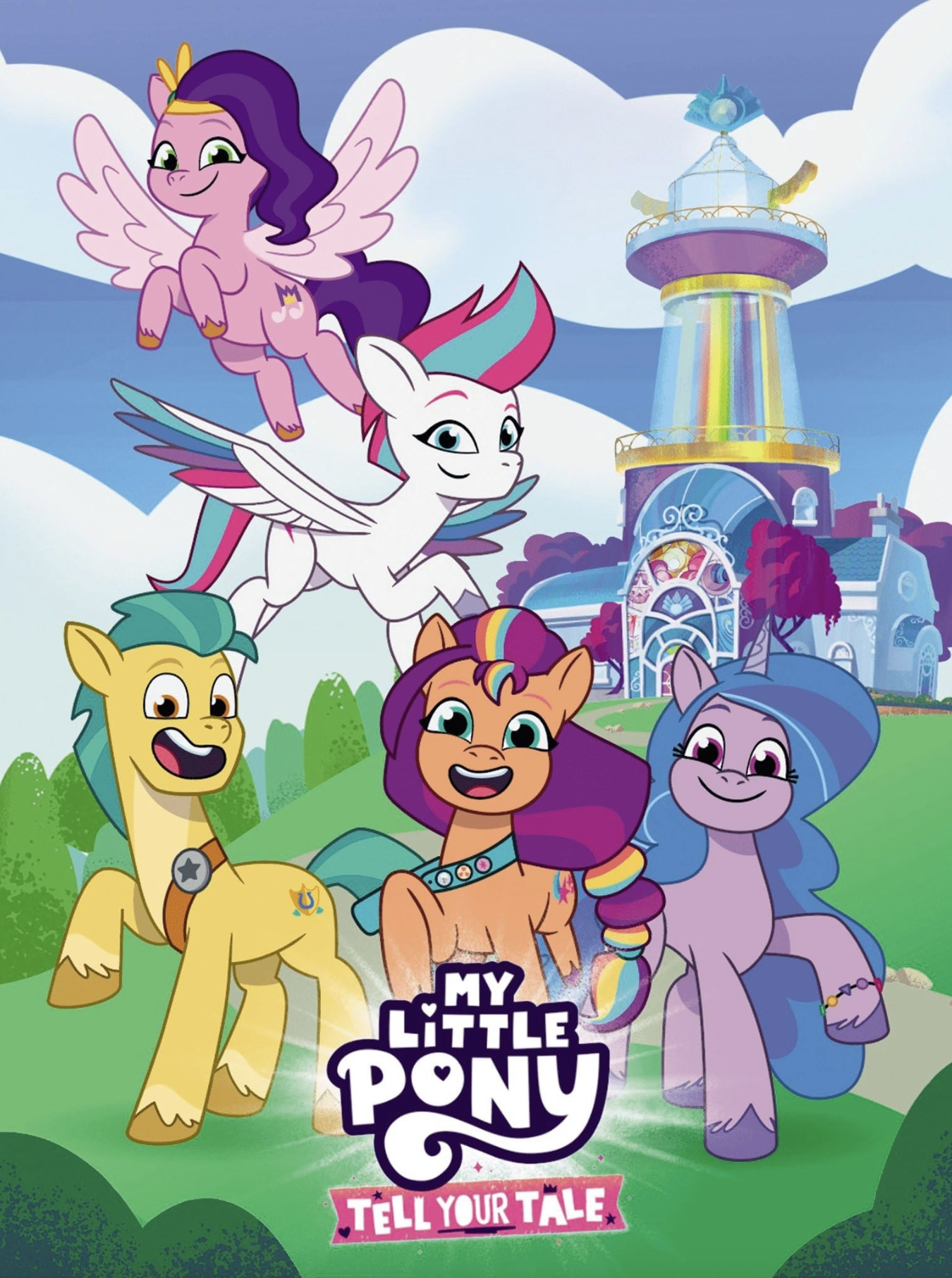
Celina Frenn worked as a writer on My Little Pony: Tell Your Tale
Too Many Cooks
You know what story you are trying to tell, and after you’ve received feedback, and had dozens of extra ingredients handed to you to add to your creative cooking pot, you need to take a step back and duck back into your creative cave alone to take another look at your work.
If you don’t do this, pretty soon you’ll have too many cooks in your creative kitchen, and the heart of your story will be lost to all the extra tastes and flavors that give the audience a bad aftertaste.
There is something so frustrating about watching a movie where you can see all the extra opinions shoved into every scene, warping the original vision, making the experience inedible.
No one else knows the story you are trying to tell better than you, so trust yourself when it comes time to sit down with every note you’ve received. Accept the ones that push the script in the right direction, and set aside those that don’t. Not every note will work for you and that is okay! You don’t have to take every one.
Just as a head chef takes all the information the assistant chefs throw their way, and decide what to do with it all, it is up to you as the writer to decide what ingredients to keep, and which ones add the wrong flavor.
New isn’t Always Better
Not every joke or line needs to be there, and not every reveal needs to be large. Sometimes less is truly more. Don’t be afraid to play with the details until the best ones stick. There is a reason why some of the most beloved meals are things that have been served for decades.
I’ve been in enough creative rooms to know that the newest joke or idea isn’t always better, but at the time, we’ve seen our old joke, or moment so many times that we cast our original idea aside, clutching to the new like a life raft. FINALLY SOMETHING FRESH!
But how do you know if the new ending is better, or if the new joke will make people laugh harder? This is when the next step comes into play.

Celina Frenn wrote on LEGO Star Wars: Celebrate the Season
Taste Testers
Have someone brand new read your work! If you aren’t sure about a scene, let them read through the alternates. The new reader doesn’t have the baggage of the previous draft. They don’t have their own notes from the last draft of the script, so they won’t be sitting there thinking, "Why didn’t my joke make the cut?!" Instead, they go in with no expectations and are the closest you will have to a true audience member at this stage. They come in with a clean palette. If you still aren’t sure, the final step below is key.
Live Read
Having a table read is one of the BEST ways to know if your script is working. It’s a lot like watching a cooking show. Instant feedback from judges as they try your food.
Letting others read your script aloud, while you listen is one of the FASTEST ways to know if something is working. If that joke is landing. If that scene resonates as true. Real people sitting before you, reading your work reveals all the great things about your script and all the things that may need to be adjusted to land properly.
The bonus of this stage is getting to see your work come to life!
Serve the Meal
And finally, after you’ve had time with your script one more time — because writing is a constant battle with the delete button— it’s time to get that beautiful script made!
So surround yourself with people who strive to give you helpful criticism, learn when to stop taking suggestions and go back to the creative kitchen on your own, get fresh eyes on your script to know what is working after all the changes, do a live read to take in the script in a new way, make final adjustments, and finally, take it out into the world.
Writing may be a lone job, but when done right, we should spend a decent amount of time letting others peek in and help us see the world we are building. It can be stressful to share but all in all, it makes things better when you pick the right people. So get back into your writing space, finish that draft, and find your assistant chefs who will help you punch up that script!
Now get back to writing!
Celina Frenn is a freelance writer and showrunner who has worked for the LEGO Group and other iconic brands via the Tongal platform. She worked in development at Hasbro as the “Allspark Creative Steward” on the My Little Pony franchise and the Play-Doh brand. She also worked as the lead writer on the web shows "Hello Pinkie Pie'" and "My Little Pony: Stop Motion" before becoming a writer for "My Little Pony: Tell Your Tale." She served as showrunner on 'LEGO Star Wars: Battle Stories," and a writer on "LEGO Star Wars: Celebrate the Season," and several other LEGO projects. She recently adapted the New York Times Best Seller "Keeper of the Lost Cities" into a graphic novel and her middle-grade adventure graphic novel, "Spy Grandma", is coming out with Simon and Schuster in 2026.
Writers are working with the world's biggest brands and studios on Tongal