

Note From Tongal: “How to Legally Fly a Drone and Pass the Part 107 Pilot Test” is part of a series of Tongal Community-written blog posts that were originally sourced in the Tongal Blog Open Call Project. Read more Tongal Community-written posts here and then Pitch us a topic you'd like to write about for the Tongal Blog!
--
This blog post won't drone on like my last one...
As a real estate photographer, my drone is an invaluable tool I use on a daily basis. With all the new rules and regulations affecting drones and pilots, it’s crucial to pass your Part 107 test if you plan on flying commercially for your business. Not only does it prepare you to fly safely amongst your fellow pilots, it also covers you when nosey neighbors or police officers attempt to ground you with their “expert” knowledge of drone laws! When you can whip out your Part 107 License issued from the government and show you’re obeying all of the documented laws, it makes life a lot easier!
First things first, you don’t need to have ever flown a drone in your life to pass your Part 107 test. They aren’t interested in finding out how great of a drone operator you are, they want to know how well you know the rules and regulations, comprehend the maps and weather conditions, and how good you are at reading their trick questions during the test. While I’ve been sworn to secrecy when it comes to actual test questions, I’d like to share how I prepared for the most important test I’ve taken since graduating from college.
254 Heather Lane Nazareth PA 18064 from HomeSpot Media Inc. on Vimeo
The company I work for has had great success using the online course RemotePilot101 that breaks down every aspect of the Part 107 test into individual lessons you can watch at your own pace. It also features practice tests that seem like they were pulled directly from the actual test questions. It’s incredibly important to know the basic rules and regulations of operating in each controlled airspace category. If you’re given coordinates on a map, you’ll be expected to identify the airports, tell what type of controlled airspace surroundsthem, and see if you can legally operate your drone in the vicinity of that airspace.
The next biggest thing to do is learn how to read a METAR (Routine Aviation Weather Report). This is one of the few things that will actually be helpful when it’s time to fly your drone. It’s always important to know the weather conditions when you’re about to take flight. This is an example of a METAR:
METAR KJFK 172025Z 28018G30KT 8SM -
RA BKN009 OVC020CB 25/24A2998
It might look like a bunch of random letters, but it really gives you a ton of information and plenty of content for test questions looking to root out people who thought they could pass the test without studying! The station ID is KJFK (JFK Airport), it was prepared on the 17th at 2025 Zulu time, the winds are from 280 at 20 knots gusting to 30 knots, visibility is 8 statute miles, rain (RA), a ceiling of 900 ft broken, 2000 ft overcast, cumulonimbus clouds, temperature of 25 degrees C and dew point of 24 degrees C, and the altimeter is 29.98. If you spend a few minutes learning how to read a METAR you’ll be well on your way to passing your Part 107 test.
If you don’t want to spend money on the professional courses offered online, I found that YouTube has a wide variety of good resources that go over the main things on the test. One video, in particular, is located here.
This video also includes a written study guide featuring a ton of helpful information you can expect to see on your Part 107 test. Spending two hours to go over the basics and learn this information could be the difference between passing your Part 107 test, or wasting $150 and being forced to retake the test.
After countless hours of studying and practice tests, you pass your test with flying colors! It’s important to register your drone and submit your Part 107 test information to the FAA to obtain your official drone license. It will take several weeks for them to mail the actual ID, but you’ll get a temporary ID emailed to you so you can start flying commercially immediately.
So, you’ve got your license and it’s time to start flying! You’re going to want to check the Notices to Airmen (NOTAMS) and make sure there aren’t any temporary hazards or flight restrictions that might impact a safe flight. These can include airshows, military and government operations, rocket launches, and any other air traffic that isn’t normally operating in that airspace.
Make sure you’re at least 5 miles away from the airport or be prepared to call in to the nearest air traffic control tower and ask for permission to fly. Even if you’re planning on staying well below the 400 feet, it’s better to be safe than sorry and contact the tower if you’re anywhere near an active airport. While it might seem intimidating to contact air traffic control, I can assure you it’s a simple process and usually only takes a few minutes to get the green light to fly. The last thing you want is for your drone to have a fly away and end up in occupied airspace without warning. Air traffic control will want to know your address, drone license number, address you’ll be flying the drone in, how high you plan on flying the drone, and how long you plan on being in the airspace. It’s really not as scary as it seems!
Finally, if you’re hired by a company to fly your drone in a situation that seems too dangerous or would be breaking any rules, you have the final say in whether or not you fly your drone. Don’t let other people peer pressure you into flying into a dangerous situation. Know your limitations. When you’re putting your own equipment and your Part 107 License at risk, it’s YOU who will be paying the price if things go wrong. We have plenty of agents who try to get us to fly in class B airspace next to airports, through heavily wooded areas, in the rain and high winds, and in other dangerous situations. As the remote pilot in command, it’s your job to make sure you take every safety precaution to prevent a catastrophe.
When used properly, a drone can make your video stand out amongst the crowd. When used improperly, you could be looking at a costly repair bill, your drone operator license being revoked, or even jail time for violating the rules and regulations. It’s not worth potentially throwing away your career to appease a pushy client. Instead of just saying, “No, I can’t fly here” it’s good to explain in detail all the reasons why flying in this location wouldn’t be safe. Most reasonable people will understand once you explain the reasons why. If they don’t understand and still want you to risk it anyway, they’re not the type of client you should be trying to appease.
If you’re just getting into drones, the best thing you can do is take your drone out to a wide-open field and PRACTICE! All the knowledge in the world can’t help you when it’s time to actually fly your drone. I recently upgraded to the DJI Mavic 2 and spent a good hour in an open field practicing normal flight maneuvers and learning how all the different flight modes work. Even though most new drones have anti-collision sensors, these don’t make your drone un-crash-able. Tree branches and power lines will forever be the enemies of drone operators.
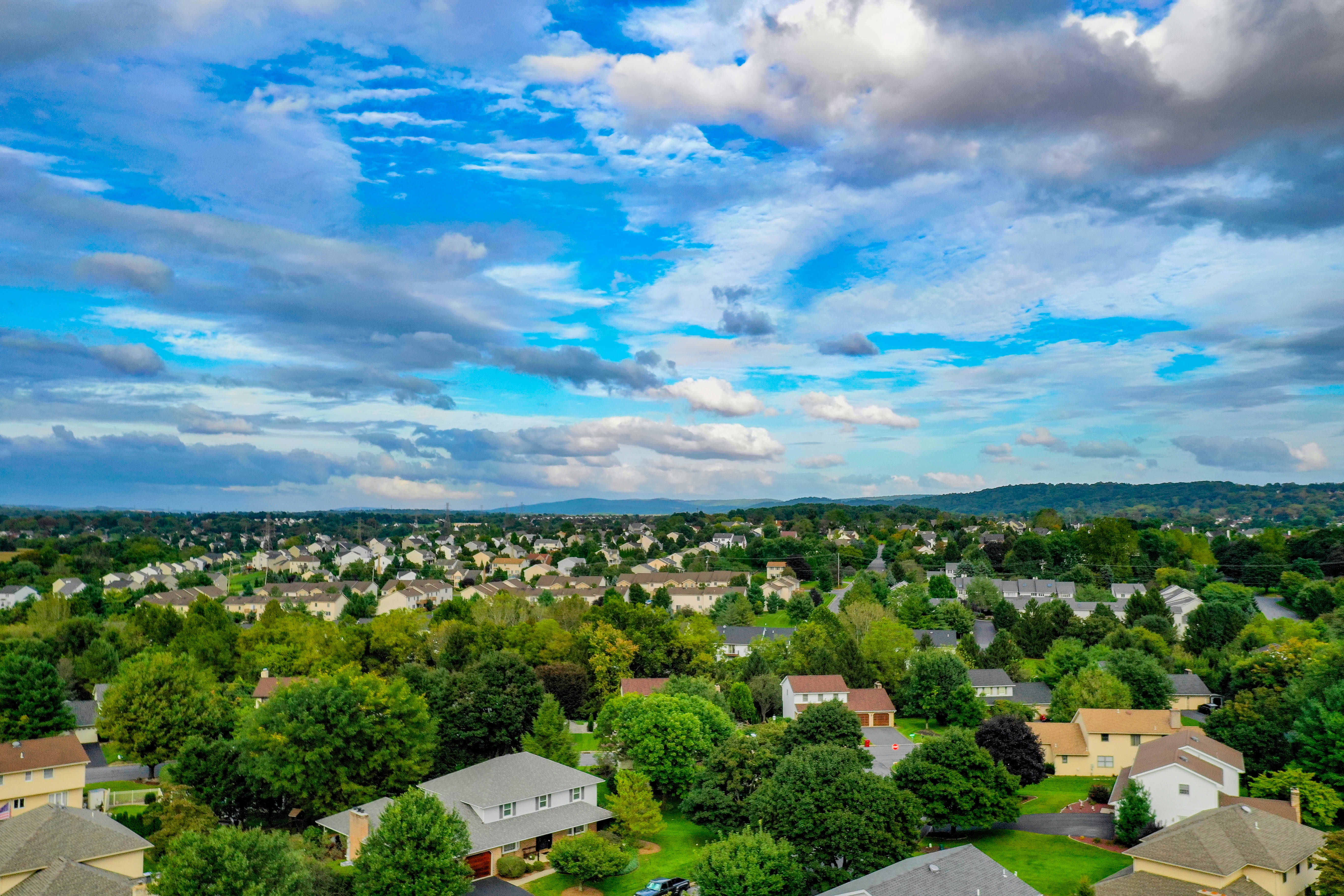
With Great Power Comes Great Responsibility.
It’s up to you to stay up to date on all the new rules and regulations, keep your drone firmware updated with the newest maps and bug fixes to prevent fly-aways, perform all pre-flight safety checks, make sure you’re in unoccupied airspace, and contact the control tower when applicable. Your drone will be an amazing tool to add to your filmmaking arsenal as long as you fly responsibly. I know plenty of Tongalers have been flying professionally for years, and I can’t wait to see how everyone uses their drones in future projects!