Filmmaking is collaborative. Along the way you're bound to get notes about your work. Whether it's in development, while on set, or in post, you'll run into feedback along the way. We all welcome the good notes, but how do we handle the notes we don't want? The ones that come from the clients and the networks. They all have thoughts and most of them drive us nuts.
In this blog we'll explore the best ways to handle these notes. How to graciously take them even though they make you fume. How to look past the surface and get to what the note is really about. Or how to turn the note down without offending anyone. We'll also talk about boundaries with notes, how to protect yourself on set from the nonstop feedback.
Let’s take an example that happened to me recently. After setting up and filming a few takes, I walked over to see how the client was feeling. I was met with smiles and happy faces. Then the note came in, “We like it, we just feel the shot is too wide.”
First Step: Breathe.
Ok, take a breath. Your initial reaction may be to snap and scream, “I know what I’m doing!” This is why you need to take a moment before saying anything. Everyone on set wants to help make the best piece possible, some just have different opinions on how to go about doing that. The worst thing you can do is react quickly causing friction and a strained relationship, especially with a client or ad agency.
So instead of freaking out, take a moment. If you’re on set and facing the note giver in person, the best way to do this is to take a beat and give a polite “hmm” or “okay,” something to that extent. Let them know you’re thinking about what they said. Try and stay calm on the outside. On the inside, the bombs may be going off, but again, breathe through it. If the note is given in post and you’re not face-to-face, it’s much easier to hide your reaction. Heck, even let it all out for a second. If you’re in a safe space, by yourself or with a trusted colleague, let out your emotions, but again, before responding, take a breath.
Second Step: Ask & Listen.
We have the tendency to surround ourselves with people who speak a common language with us on set. We know what people mean when they say certain things, heck we even work with a lot of the same people so we have the same taste and sensibilities. Oftentimes when working with a client or agency, it’s the first time or still early on in the collaborative process so we still don’t have the shorthand that we may have with our crew members. People might even be afraid to say what they really want to so they tip toe around their thoughts a bit. It’s important to really listen to the notes they give. When the note of “we like it, we just feel the shot is too wide” comes in, we know they want to make a change. Do they want to zoom in? Do they want to bring the action closer to camera? You need to figure out what the note behind the note is here.
The best thing to do is follow up and ask questions, “What about this wide shot is bugging you?” They might be able to explain it succinctly, but oftentimes they don’t know and it’s part of the job to get it out of them. What about this wide shot do they dislike? Is it the framing, is it the action, or is it simply that they always saw this playing out in tighter shots? Asking questions to figure out what the exact problem is will help you in the long run. Rather than trying to guess and making a bunch of changes only to find out they’re still unhappy, take five minutes to talk it out. Five minutes here will save you 30-45 minutes of shooting time, your AD will understand.
Follow up and try and get their note down to something actionable. “Is there something you feel is missing because we’re so wide?” “Well, the product is hard to see.” There it is! Now we know what the issue is. They want to see the product better! Whether you agree or not doesn’t matter yet, take it in. Let them know you hear them. A simple “gotcha” or “copy that” goes a long way in keeping that collaboration strong.
Third Step: Create A Plan.
Now that we know what their note really means, we can formulate a game plan. There are multiple paths to take here and you have to listen to your instincts. You can take the note and zoom in or find a way to make the product look bigger in frame, you can disagree with them and move forward as planned, or you can find a compromise that will make you all happy. A lot of reasons go into why you may choose one or the other, but at the end of the day it’s about creating something you can be proud of while trying to keep your relationship strong with these partners. How can you maintain your vision while being collaborative enough that they’ll want to continue working with you?
It’s one of the hardest parts of the job. Often, I prefer to fulfill their note but get a few takes for me first. I’ll usually tell them, “I hear you 100%, let me just get a couple of takes like this and then we can push in and get a tighter shot where the product is bigger in frame.” This way their note is being heard; I’m taking it into account but I’m not compromising on my vision. However, sometimes we’re running short on time so I’ll try and find a happy compromise: “Well we’re running short on time, I prefer this frame, but I understand where you’re coming from. Perhaps we keep the camera where it is but bring that table in closer so we can see the product on the table better. This way we still have our wide framing that I like but we can see the product better as it appears bigger in frame.” Try to find a plan that works for the both of you, it’s okay to compromise from time to time. Occasionally you’ll even find something you wouldn’t have thought of that may make the project all the better.
Sometimes, however, you just don’t agree with their note. Tell your partner you understand them, and then explain the reasoning behind your creative decisions. Perhaps you’re already planning on showing the product another way, now is a great time to tell them the plan moving forward, “I hear you, but for this shot I feel like the product should feel a bit more natural. We are shooting a product shot later that will be a great close up which we can use in the edit.” Oftentimes clients and agencies aren’t able to piece it all together like you can, so you have to help them a bit by explaining the shots to them. Letting them know that you understand what they want and that they’ll get it in a different way can be enough to fulfill their note. They want to know what’s happening and be kept in the loop. This is why creating a strong working relationship is important. When there is mutual respect, it makes the whole process easier. It’s also why, from time to time, you will want to fulfill their notes. Don’t just say no to everything because they’ll start to feel like you’re not being collaborative or easy to work with. Always be honest with them but remember to be a good collaborator as well. And, at the end of the day, they’re the client so it’s your job to make sure that they’re happy with the end product.
Fourth Step: Learn & Adjust
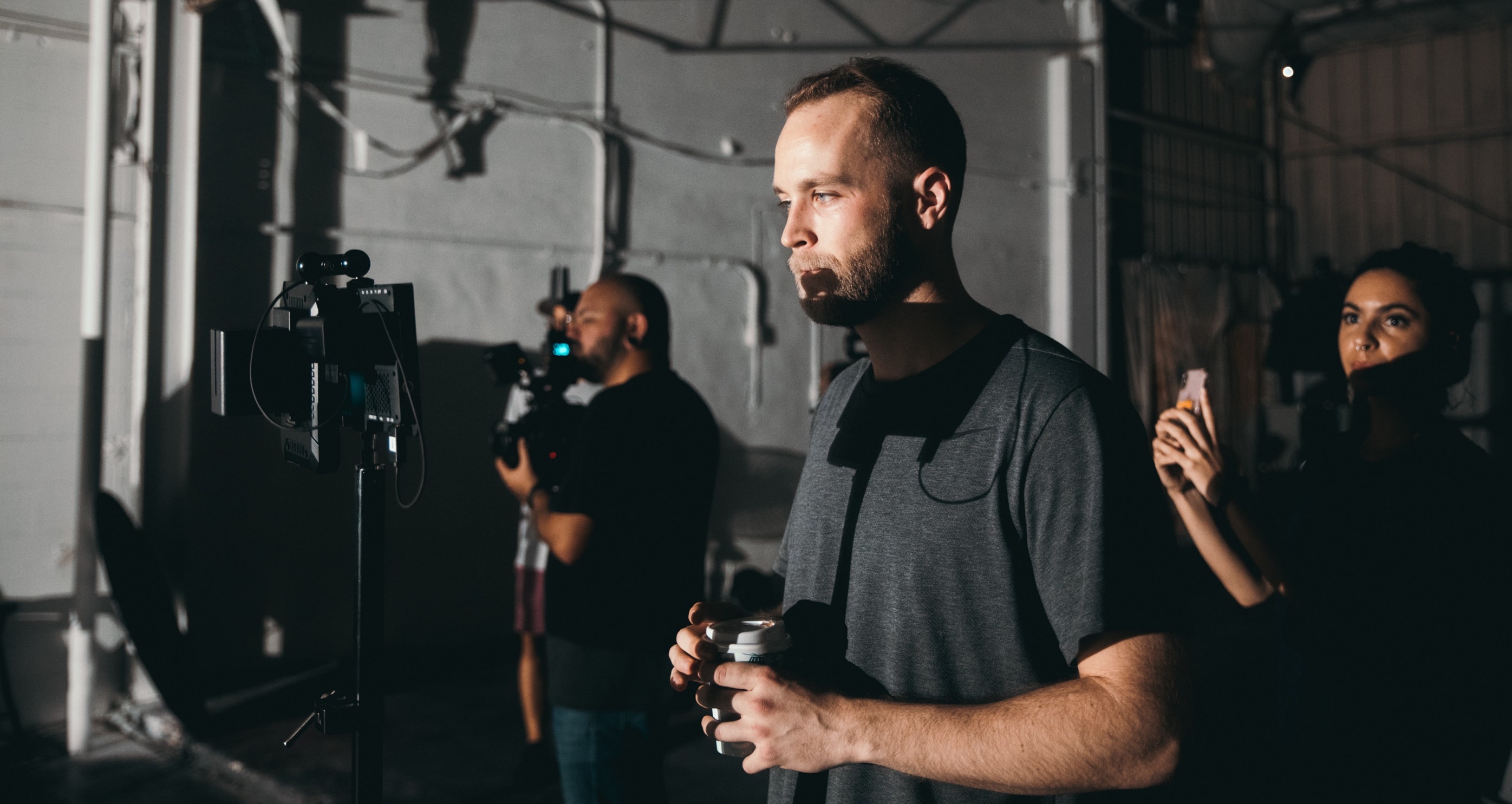
Now that you can successfully navigate the process, it’s time to try and streamline it as much as possible. On set, it’s almost impossible to have a discussion with the client on every single note so it’s important you set up some boundaries. Having a video village on set for the client will give the director space while working. Having a good producer there with them can be a huge help. Your producer can act as a liaison between the client and you. They can filter some of the notes and ask questions to get the most specific thoughts possible before they get to you. This process isn’t to keep you and client away from each other, rather it’s a way for everyone to be able to collaborate without stepping on each others’ toes. It’s still important to pop in and check on the client from time to time. After all, they’re paying the bills. Happy filming!
—
Note From Tongal: "How to Handle the Notes You Don't Want" is part of a series of Tongal Community-written blog posts that were originally sourced in the Tongal Blog Open Call Project. The views and opinions expressed in this article are those of the author(s) and do not necessarily reflect the official policy or position of Tongal. Read more Tongal Community-written posts here and then Pitch us a topic you'd like to write about for the Tongal Blog!