
In early 2019 a friend of mine approached me with a 600 dollar budget to make a music video. This is a conversation that many filmmakers have with artists, and it involves listening to the song about 1,000 times trying to think of creative ideas that will also miraculously cost nothing to make!
Many people don’t understand the cost involved in filmmaking, and putting limits on your financial resources can put you into a creative prison. Here’s the way I used to think about it: Two children are drawing pictures of a jungle in crayon. One has the 128-color crayon set. The other has one RED crayon. Who do you think is going to get more imaginative in this scenario?
This was my mindset when I decided to make this music video. All I have is ONE red crayon and I have to draw an entire jungle! When you try to start drawing the jungle you can despair, but it also might just inspire you to get a little more creative. What if this jungle was entirely comprised of Macaw parrots? What if this jungle wasn’t a drawing at all? What if it was a multimedia art piece with glued-on plants and melted crayon wax? Okay, this metaphor is starting to fall apart, but the point is that thinking way outside the box can help you work around limited resources.
I had recently seen a short film at a film festival that was in a circular aspect ratio, and when asked, the director explained that cropping to a circle allowed them to halve their budget because of the limited resources they needed in the frame. I had always thought of aspect ratio as a very odd part of the language of film, and circular aspect ratio felt like a big middle finger to the Rectangular Aspect Ratio establishment (does this actually exist?). Watching these circular projects, I thought I could take it a bit further. We watch our content on rectangular screens, so using a circle leaves a majority of the screen unused (okay maybe the Rectangulists have a point). What if I could utilize that empty space with a changing aspect ratio? And what if the aspect ratio started becoming part of the video itself?
And BOOM I had my concept. A circular frame could easily be framed in my bedroom, and I wanted brightly colored backdrops to help fit with the funky 80’s vibes of the song. I was advised to shoot with a green screen backdrop so I could put in any color I wanted in post-production (more on that later…). I decided there needed to be dancing, and lots of it. This revelation came to me after I proceeded to watch my roommate dance in his socks down our slippery hallway every time he heard the song. Now I had a concept that worked in harmony with my lack of resources.
Yep, that’s a bedroom.
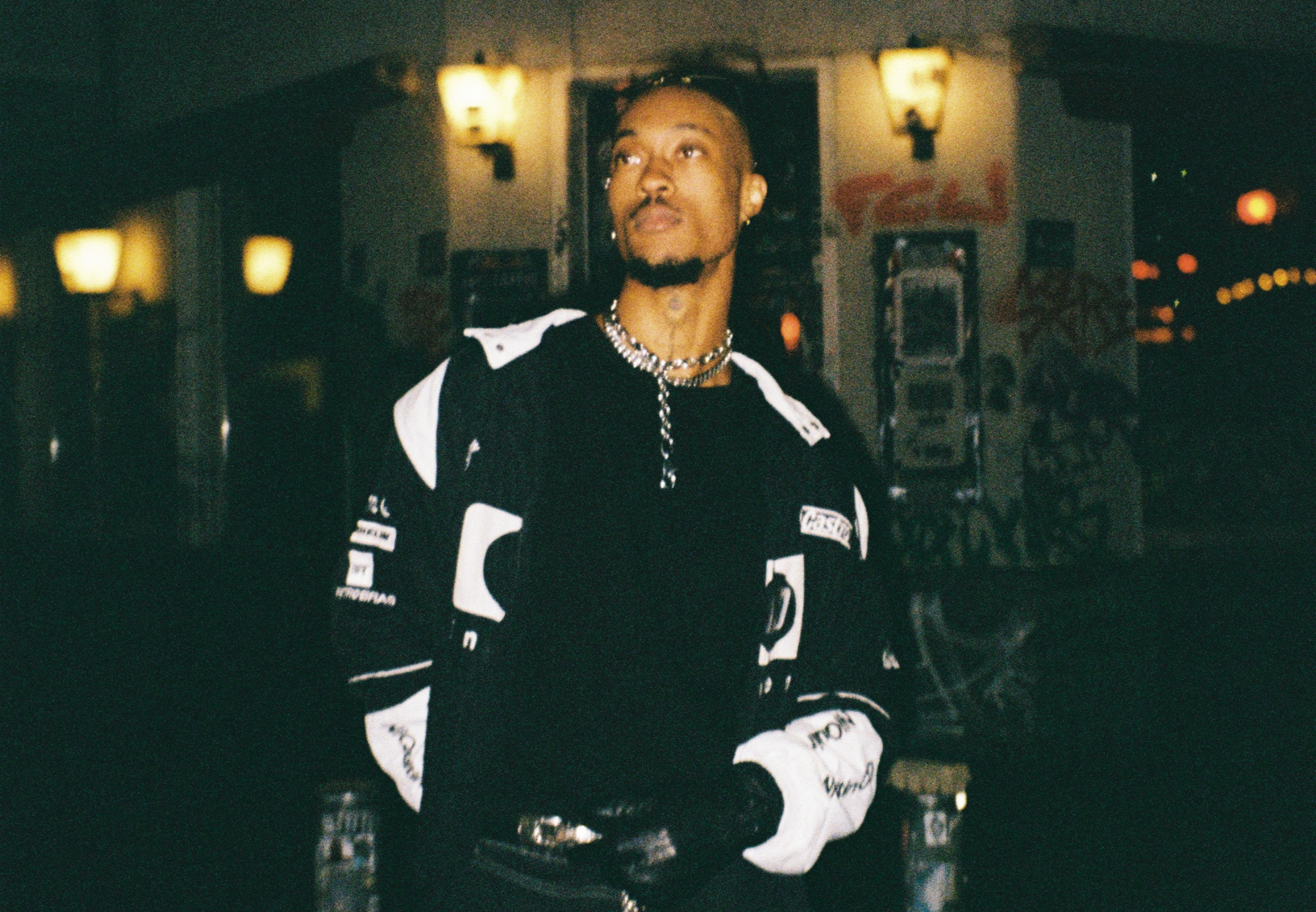
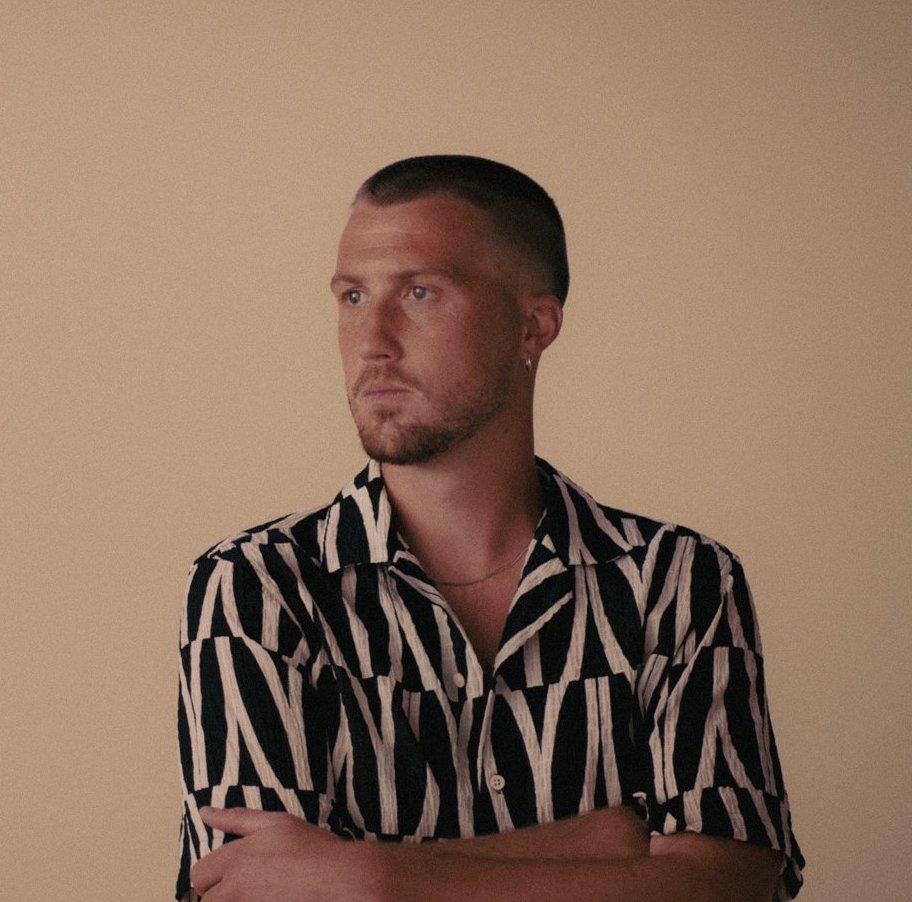
Everyone worked for free on this project, which is a hard thing to ask once you’ve graduated film school, but something I’m still comfortable asking of very close friends. Just pay it forward when you can! My dancing roommate (Keelan Williams) helped produce, and the artist (“Starbuck”, go check him out!) brought on our wonderful choreographer Angellica Migliazza and she provided the dancers as well. We had two cinematographers (a first for me). Adam Lee focused on the framing and lighting, while Luc Delamare was brought in to help with the technical side of shooting with a green screen. We shot for about 10 hours in my bedroom and the budget went straight to the lighting equipment and to lunch for the crew.
That was 8 months ago…
Now, I did leave out some information that is part of the cautionary nature of this tale. I forgot to mention that before this project, I had barely even OPENED After Effects or done any kind of special effects before…While Luc is a wizard, I could only ask him to help with a few of the most complex shots. That left the majority of the work to me.
If you come up with something creative and unique, you must be able to execute it yourself, because you can’t pay anyone else to help you with it. Over the next 5 months, I proceeded to make an edit of the video, learn something new, and then re-edit it. It was very frustrating at times, rewarding at others, but I would estimate that I probably spent over 250 hours in front of a computer for this project. To get technical for a moment, I did all the basic editing in Adobe Premiere and eventually created 5 linked composition sequences into After Effects. I made countless mistakes that caused me to have to redo work I had already done, and spent plenty of time with my head in my hands ruing the day I agreed to do a project on greenscreen when I had no experience doing so.
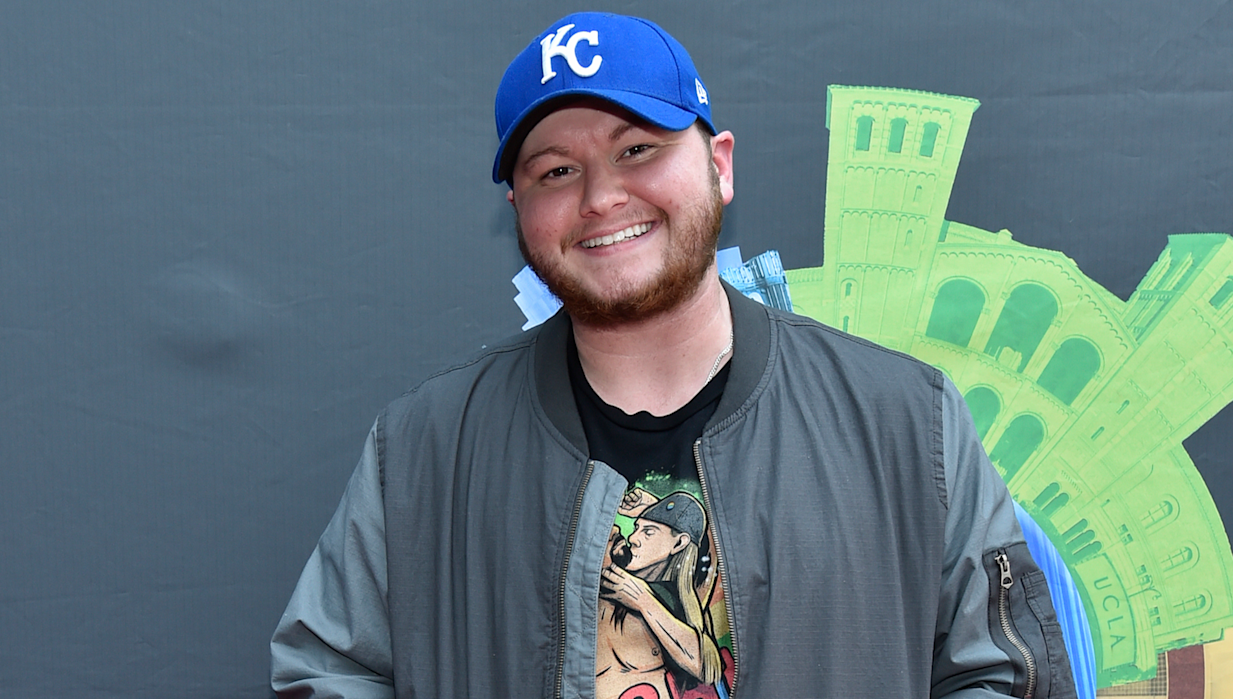
The author, left, before realizing greenscreen is a beast.
I learned a vast amount on this project and learned skills that I will use on countless projects I do in the future. Ultimately, when you have limited resources, you need to realize that YOU are a resource, even if that means developing new skills. Music videos are one of those mediums where ANYTHING is possible, which can make coming up with a concept on a low budget very difficult. But don’t limit your creativity just because you don’t have the tools you need to make a video happen. There are so many artists out there like Starbuck that need creative content but simply don’t have the financial means of executing a low-budget music video. Projects like these challenge me to find new ways to tell stories, and I hope that having limitations will help me become a better filmmaker.
---
Note From Tongal: “How I Shot a Music Video in My Bedroom for $600" is part of a series of Tongal Community-written blog posts that were originally sourced in the Tongal Blog Open Call Project. The views and opinions expressed in this article are those of the author(s) and do not necessarily reflect the official policy or position of Tongal. Read more Tongal Community-written posts here and then Pitch us a topic you'd like to write about for the Tongal Blog!