Imagine creating something awesome like a song, a video, a piece of art, or a story, and wanting to share it with the world while still keeping some control over how it's used. That’s where Creative Commons licenses come in. They’re a simple, standardized way for creators to let others know how their work can be used, shared, or remixed, all while keeping some rights reserved.
Creative Commons (CC) is a nonprofit organization that provides free licenses you can use to mark your creative work. These licenses let you choose how your work is shared and what people can do with it. Instead of the typical “all rights reserved” copyright, CC licenses range from “some rights reserved” to “public domain.” This makes it super easy for others to know exactly what they can and can’t do with your work.
Using a CC license is great if you want to share your work but still set some boundaries. It makes your content easier to find and use by others while giving you credit for your creativity. Plus, it supports the idea of an open culture where knowledge and creativity are accessible to everyone.
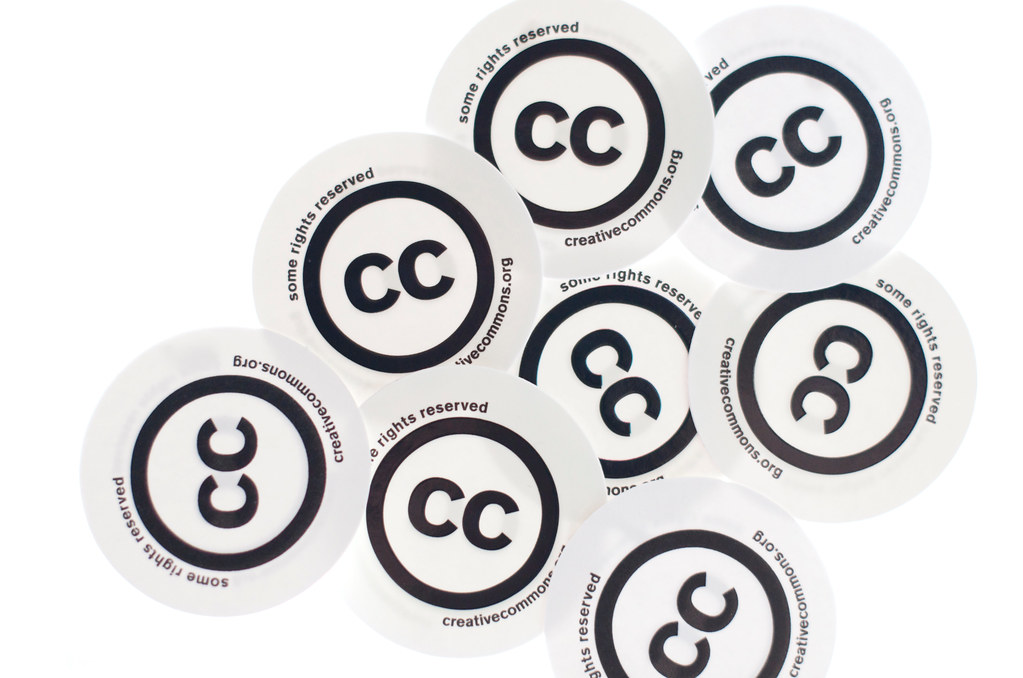
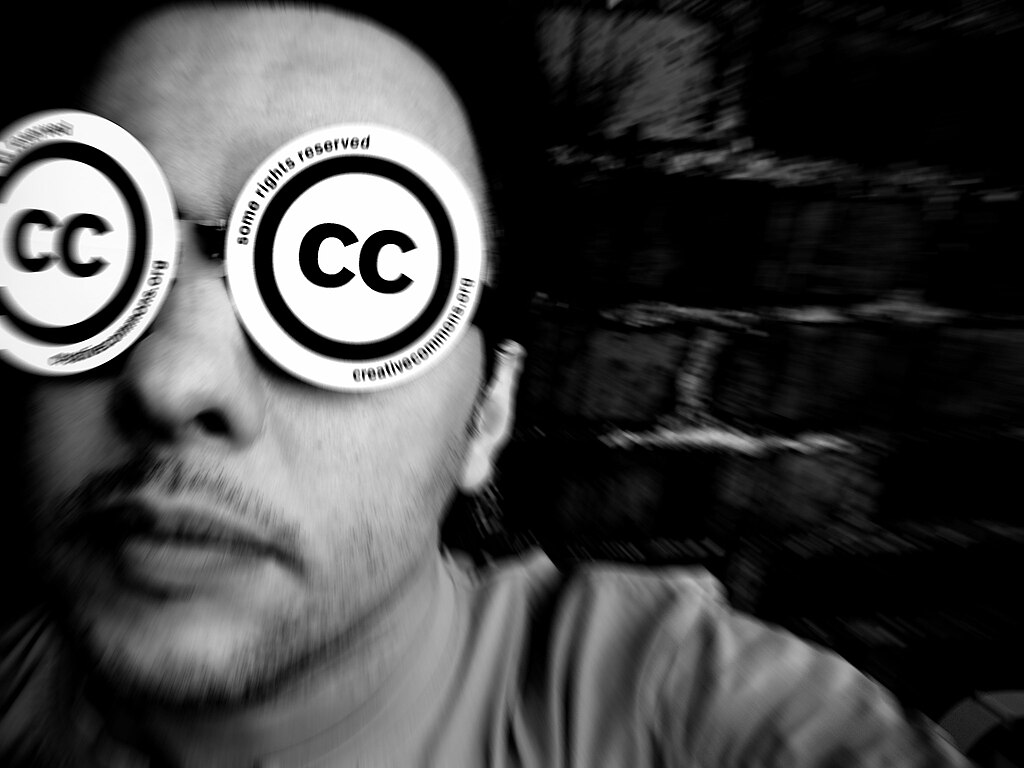
"Creative Commons - cc stickers" by Kalexanderson is licensed under CC BY 2.0.
There are six main types of CC licenses, each allowing different levels of freedom:
If you’re creating something and want to apply a CC license, you can go to the Creative Commons website and use their tool to choose a license that fits your needs. They’ll give you a simple code to add to your work, like a badge or a link, to show what kind of license you’re using.
If you’re looking for CC-licensed content to use in your own projects like images, videos, or music, you can search here. Be sure to check the specific license to know how you can legally use it. And always give credit where it’s due.
Creative Commons licenses are a fantastic way to share your creative work while keeping some control. Whether you’re an artist, writer, musician, or filmmaker, these licenses help you protect your rights while encouraging collaboration and creativity. So the next time you make something amazing, consider how you’d like it to be used and pick a license that fits your vision.
Main image credit: "Creative Commons" by Franz Patzig is licensed under CC BY 2.0.
Creative are working with the world's biggest brands on Tongal