
Note From Tongal: “10 Screenplays to Make You a Better Writer" is part of a series of Tongal Community-written blog posts that were originally sourced in the Tongal Blog Open Call Project. Read more Tongal Community-written posts here and then Pitch us a topic you'd like to write about for the Tongal Blog!
--
Writing is rewriting. That’s true. Writing is also reading. That’s also true. Every time a visual storyteller reads a screenplay, there is something to be gleaned from it. Bad screenplays illustrate what not to do and good screenplays can be inspirational. But these ten screenplays, each one of these, will teach you an incredible lesson about screenwriting that you will be able to add to your toolbox and apply to your craft for the rest of your career. [Click on the linked headers below to check out the screenplays.]
This Academy Award-winning screenplay is often heralded for its perfect three-act structure and that is the main attraction. But the sights also include finely drawn characters and thematically relevant scene work and it somehow manages to both pay homage to its genre roots and redefine them at the same time.
The first thing you’ll notice on your very first read of this screenplay is just how smooth the description is. It never once impacts the readability of the script and only ever enhances it. While a screenplay is technically a blueprint, Kasdan makes the case on every page that it sometimes can be filed under art.

The description is amazing as is the pacing and Goldman eliminates scene headings instead just using CUT TO: to get you from one scene or shot to the next. This is a master class in building suspense and holding the reader’s attention.
Before cable TV made popular the antihero lead character who operates in a moral gray area that you are supposed to feel conflicted about rooting for, there was Paul Schrader’s classic character study of Travis Bickle (portrayed by Robert De Niro). You will marvel at the completeness of the piece, how much was conveyed on the page even before Scorsese brought it to life.
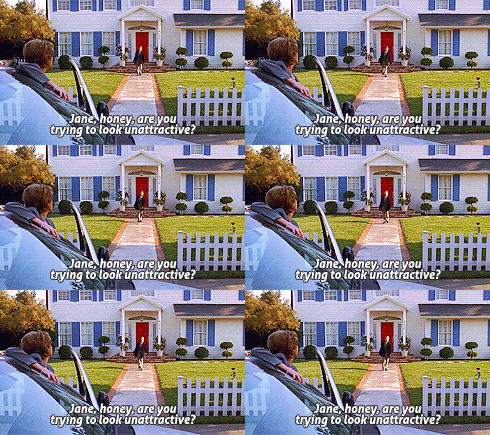

One of the first things you’ll notice early on in the pages of this Academy Award-winning screenplay is how each character is fully formed on the page and how well defined this specific slice of suburbia is. Work on your characters and setting even half as much as Alan Ball did here and you will be very happy with the results.
The Apartment - Billy Wilder and I.A.L. Diamond
Choosing which Billy Wilder script to include on this list was time-consuming, so much so, that it almost made me wish I had pitched to Tongal ‘Top 10 Billy Wilder screenplays’ (wait maybe I still will, nobody take that one!). Billy Wilder’s scripts and movies are timeless masterpieces. Did the Academy Award-winning screenplay for The Apartment invent the dramedy? Not for me to say. But I will tell you to read as many Billy Wilder screenplays as you can get your hands on and read this one for its sheer readability and how it effortlessly switches tones between scenes.

The Silence of the Lambs - Ted Tally
It puts the lotion on Ted Tally’s Academy Award-winning adapted screenplay and it also values scene work. The construction of the scenes in this screenplay should be studied regularly. Also take note of POV and perspective. We experience everything through the protagonist and it works so well for this story, and it might work for yours.
Lost in Translation - Sofia Coppola
Sofia Coppola’s Academy Award-winning screenplay is an exemplary text on how to translate silence and honor the little moments. Look to this script for how to build mood into your pages and infuse atmosphere into your script in just a few words.

Eternal Sunshine of the Spotless Mind - Charlie Kaufman
Warning! Do not emulate the long chunks of description in this Academy Award-winning screenplay. That will get you not read and laughed out of town, save that for Mr. Kaufman. Instead, take a cue on how he was able to blend entertainment and thought-provoking drama throughout.
If you are going to include one screenplay with a non-linear structure, why not make it this culturally significant, critically acclaimed neo-noir? Exceptional writing, exceptional storytelling, it will remind you to keep the audience and reader on their toes.