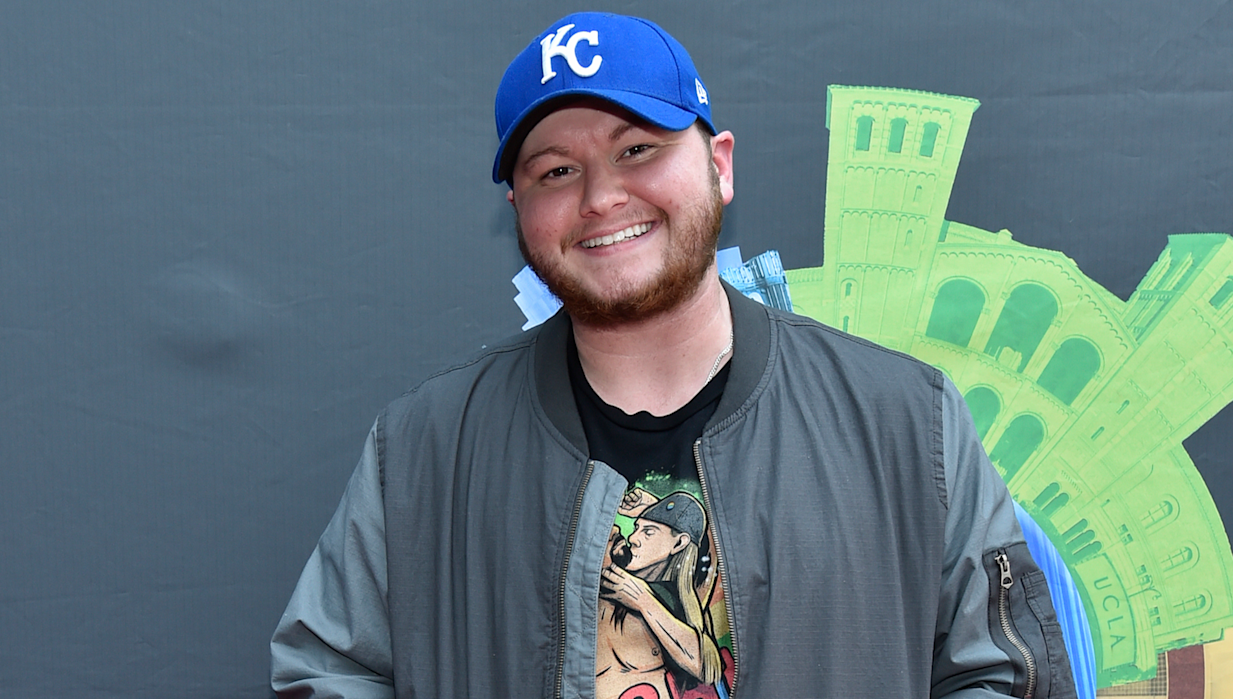


(Photo credit: Allyson Clements)
Note From Tongal: “Troma-tized: An Interview with Cult Filmmaker Lloyd Kaufman" is part of a series of Tongal Community-written blog posts that were originally sourced in the Tongal Blog Open Call Project. Read more Tongal Community-written posts here and then Pitch us a topic you'd like to write about for the Tongal Blog!
---
Ever find yourself out and about, having a seat in a chair that’s been sat in by a thousand passing strangers? You grab the edge, for any reason at all, and your fingertips brush a hardened substance that isn’t part of the chair. You don’t even have to see it to know what it is: “ABC” gum. You are probably utterly disgusted, but also slightly amused, and you find yourself wondering what kind of asshole does something like that. Troma is that old wad of gum, and that asshole is Lloyd Kaufman. Having spent over 45 years in the independent film industry, Kaufman has mastered the art of finessing a budget to produce his cult masterpieces.
Lloyd is the president and CEO of Troma Entertainment, as well as a director, producer, and actor, and he let me pick his brain for a little insight on the magic behind the madness. To start, I asked him to explain what Troma was to someone who had never experienced it.
According to Kaufman, “You see The Toxic Avenger and you love it. Or you see Terror Firmer and you hate it. Either way, you’ll remember it. It’s an adventure in cinema.” Basically, when people see a Troma movie, they know it.
These adventures are executed on low budgets, and this is precisely the nitty-gritty information I was after. With so many years under his belt, I knew he had learned a thing or two about how to distribute a small budget.
When I asked him which departments got the most financial attention he replied, “We’re frugal on living and eating. For Return to Nuke 'Em High we had the crew sleeping on the floor in an abandoned funeral parlor so the money could go into what’s seen on screen. The same with the $400k budget for Shakespeare Shit Storm, it all went into the visuals, from equipment to locations and art department.”
What’s remarkable about the making of these movies is the fans that come far and wide to help bring it to life. “They’re all volunteers,” says Kaufman. “They come for the real experience. If you want to make art, come on. But if you’re looking to make a living, don’t come here.”
The process of production involves a dedicated amount of work. The hours are long, and the conditions aren’t always ideal, but these fans sweat it out to make the movie. If they come in without experience in the industry, they’re guaranteed to leave with plenty. From the art department to the special effects, these fans step up to the plate, and the challenge. I asked Lloyd what his favorite frugal short-cut has been:
“In Poultrygeist we had a scene with ballistics. The squibs that mimic gunshot wounds were expensive, about $200 each. But we had a volunteer who worked in the vacuum cleaner business, and he found a way to use hoses and reverse the vacuum pressure to create the same effect, for $20. We also created a head crushing technique that is used throughout the film industry now. We filled a cantaloupe with a mixture of spaghetti, cranberry sauce, and toilet paper, put a face and a wig on it, and crushing it looked like a human head.”
Without a doubt, it sounds like the practicals and art department take the financial cake for Troma films, but there is also some post-production ingenuity that cuts a few corners for cost. If you are familiar with the 1990 Sgt. Kabukiman N.Y.P.D. film, you’ll notice that the car flip stunt used in that movie, is the same one that they use in every movie. Stunts and picture cars get pricey, so why not use what you have?
Although the original Troma titles might not ring a bell, rest assure that you’ve been exposed to the works of individuals who count Troma films as an influence. James Gunn, who directed Guardians of the Galaxy, was Lloyd Kaufman’s assistant and the writer of Tromeo and Juliet. Trey Parker, prominently known for South Park, wrote Cannibal! The Musical. Other big names such as Eli Roth, Samuel L. Jackson, Carmen Electra, and many more spent some of their early careers here. You’re probably more familiar with this oozing cross-section of the indie industry than you thought.
“From making the movies to putting us in their local theaters, our fans have helped with everything. From the very beginning til now. They make us look like a big industry, but we just have a loyal and dedicated following,” according to Kaufman.
More than ever, a fan base is essential to making it in the industry, especially for independent creators who don’t have the support of major conglomerates. Troma has no problem there. The far-and-wide dedicated following has become a cultural net that promotes, encourages, and supports all things Troma.
Before our call came to an end, Lloyd told me, “Movies should reflect the heart, the soul, and the brain of the director. Movies that endure reflect the artist.”
If that’s true, his movies are a reflection of a wild, crass, but highly-dedicated heart. He creates, produces, and distributes movies that continue to endure. Big budget, low budget, or no budget - Lloyd knows what to do with it and he does it well. For Lloyd, it’s about the art. It’s about manifesting what’s inside and providing the same opportunity to other artists.