
During the Pride Month, the focus on creating and maintaining spaces that allow for self-expression can form a route that allows for the remembrance of one’s heritage. With that in mind, as we move into July (which is French American Heritage Month and National Minority Mental Health Awareness Month), I urge us to take all we’ve learned from Pride to guide us into a greater sense of wholeness.
Heritage can take countless forms. The form or medium that a person chooses to express their heritage is equally important as the medium itself. Creativity allows for the proliferation of a person’s heritage to be communicated in different ways that can be elevated through a medium. Expressing heritage also doesn’t have to be an exorbitant project that requires large production teams or a shift in locale to be understood. Creatives have been communicating heritage since “time immemorial.” I want to explore the ways that ancient language of heritage coalescing through creativity has permeated our “human experience.”
Artists and Illustrators
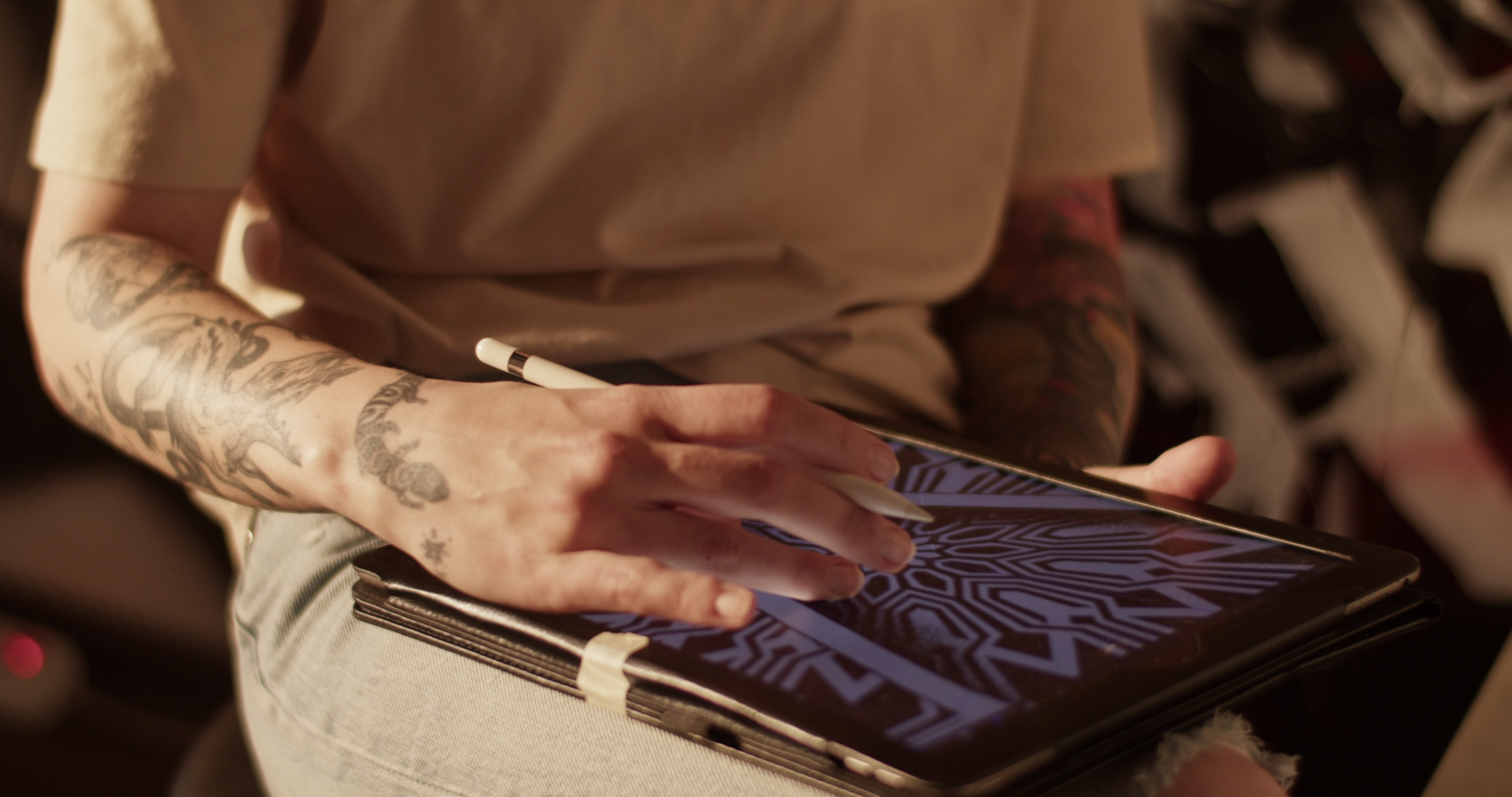
Illustrations are some of the first signs that modern people have been able to link ourselves to our ancient ancestors. Each ancient cavernous ‘installation’ is a message from the past that allows us to glimpse into the lives of ancient people that share our branch on the 'Tree of Life.’ Illustrations, drawings, and paintings allow for a person to describe the world and the life they’ve lived through their mind’s eye. The act of taking something from the mind and giving it a physical state goes part and parcel with the ways that heritage can permeate through the symbols that cultures give meaning to.
Animators
Like artists and illustrators, animators are at the precipice of taking what is inside the mind and giving it a dynamic form. Animators are often heavily involved in the creation of characters, settings, and plots that allow for their still images to be stacked upon one another, which gives audiences time to riffle through each stack the animator pens (or styli in our era of touch screen tech). Animators take what seems still, what seems transfixed on paper or screen, and provide the images a dynamism that reminds us of the motions humans make in our lives. What I love most about animation regarding heritage are the mythologies that are given greater context across moving images that can feel quite similar to the plane humans occupy.
Writers
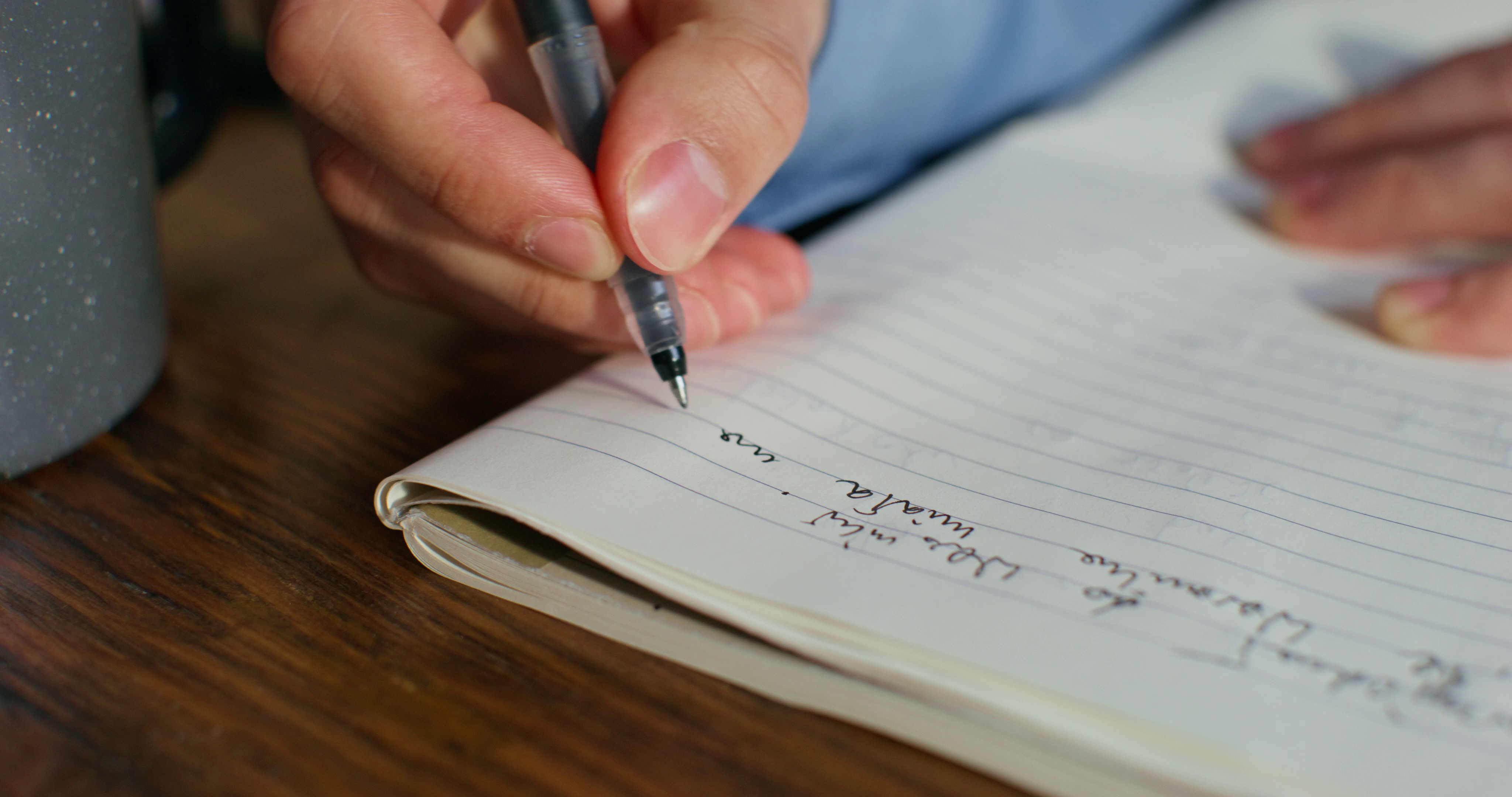
The origins of written language are still hotly debated. Archaeological anthropologists generally agree some of the first human writings were administrative recordings, agricultural records, and receipts of purchase etched into clay tablets by the Sumerians of Mesopotamia (with the greatest body of evidence of the Sumerian progress lying in modern-day Iraq). The “Epic of Gilgamesh” is also regarded as one of the oldest surviving epics following the mythological journeys of an actual historical king. The epic initially was a spoken tradition that was etched into clay tablets. Several centuries later, these individual accounts were officially sequenced into a concise story (at least the parts that weren’t lost to time). Writing allows for the recording of information with such great detail, giving the author the ability to recall even a single seed with as much importance as the forest it comes from.
Audio Storyteller and Podcasters
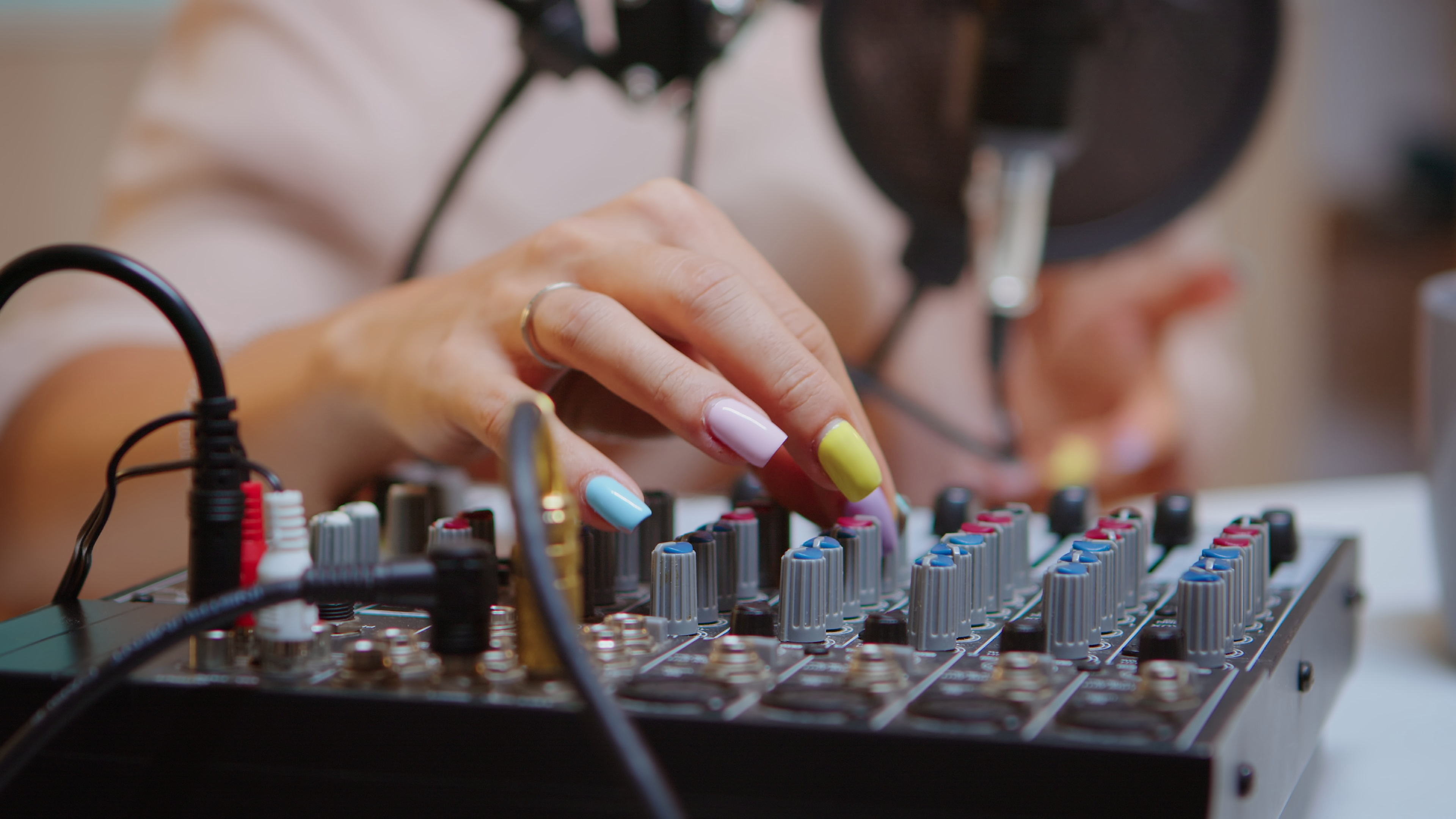
Oral tradition is one of the oldest forms of storytelling known to humans. Stories describing how the world works, where the origins of life and reality stem, even defining the assets that differentiate the animate from the inanimate.
Audio is one of the most accessible forms of storytelling available. Recordings with interesting figures; loved ones since passed; communities like or unlike ours; and educators with an important message to teach. Voices carry emotion. The way we decide to platform those voices is as important as recording a moment in time or painting an image of the mind. Those conversations are what it means to be human. What it means to endeavor in the face of time to preserve heritage.
Photographers
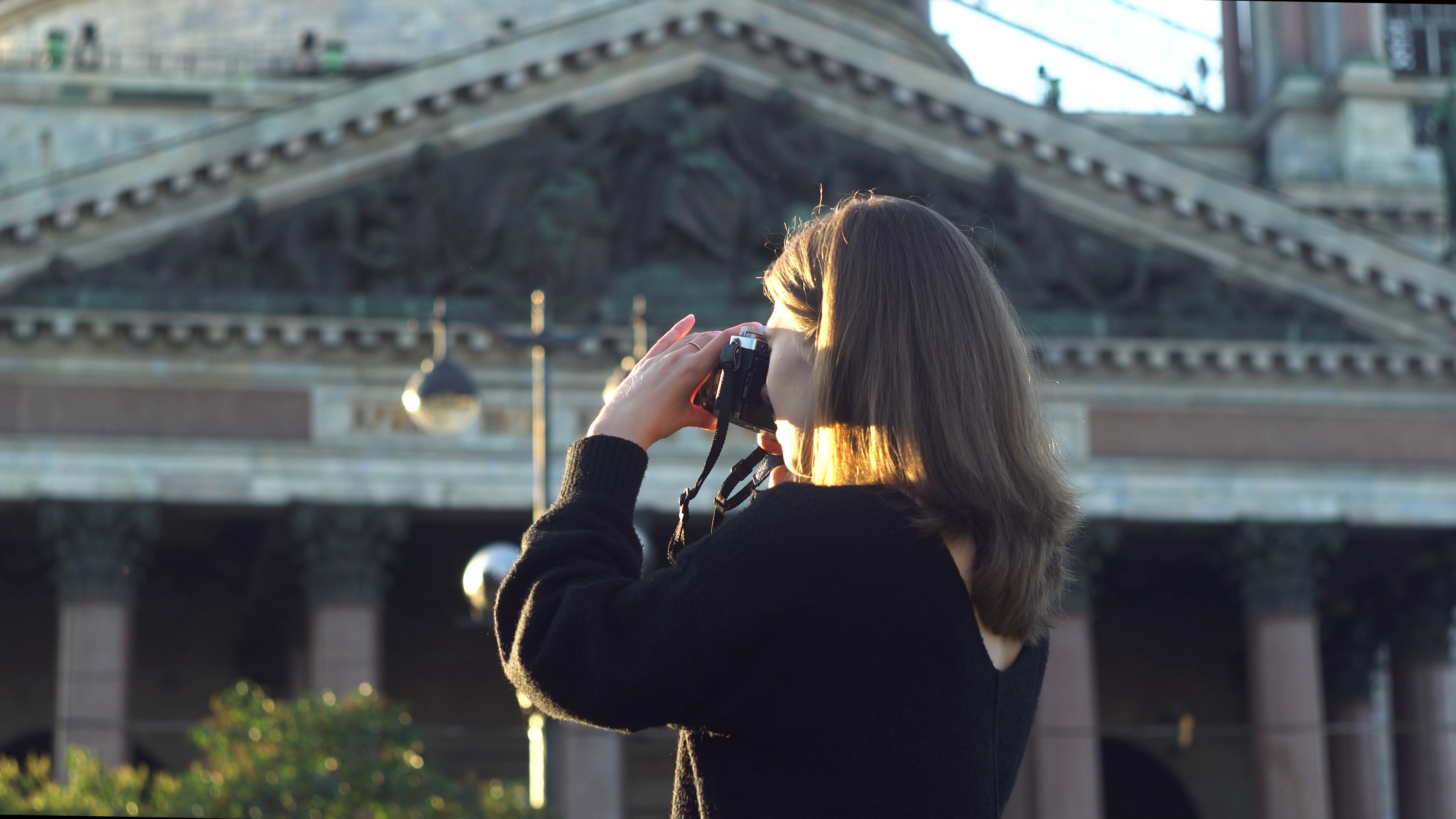
Photography was a revolution that added to the way humans choose to hold onto the moments they cherish. Photographers are at the forefront of recording reality as it is, rather than how reality proliferates in the mind. Photographers choose a subject and angle, always keeping an eagle’s eye for accentuating light and shade. Moments of time embraced by paper, in a frame, and now on the ‘cloud.’ Allowing our cherished moments to persist without the threat of erosion from the elements. Photography allows time to be as tangible as the air in our lungs, the ground that feeds us, and the moments that shaped us. Photographers are the translators of this (fairly new) fixture of our reality.
Filmmakers
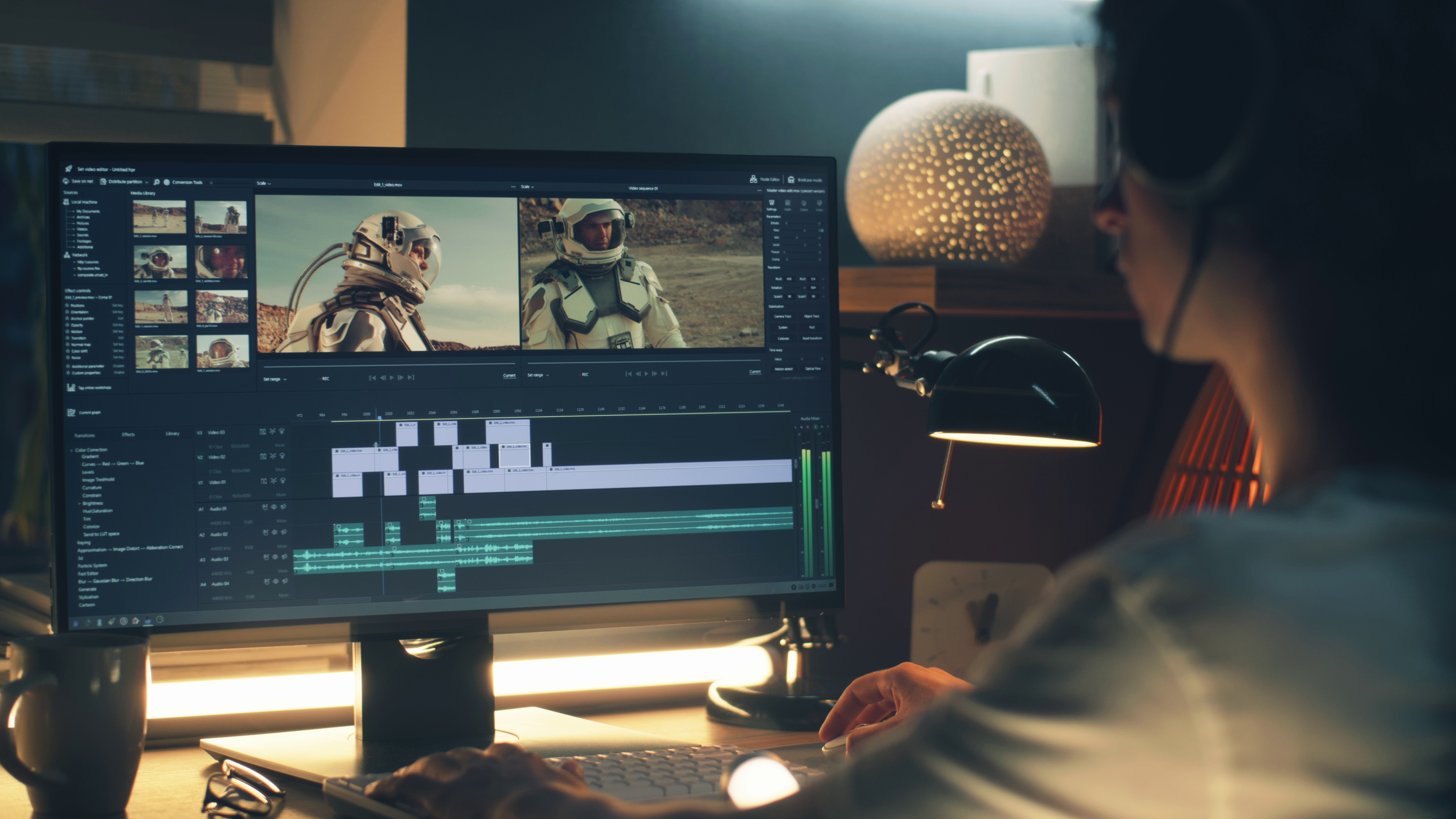
Filmmakers face the same dilemmas that photographers face when recording reality. Film gathers strings of moments to be recorded. Film takes many forms, from homemade videos on camera recorders to blockbuster films being viewed by audiences worldwide, from documentaries to fantastical realms unlike ours. Film allows for heritage to be seen within the context of the moments being shared. The context for the way a meal is cooked for a family. The stresses that come with maintaining health and well-being while bearing the weight of tradition and self-expression. Filmmakers don’t require a large production budget either to make an impact. An open ear, a curious mind, and a camera are often all it takes.

Graphic Designers
Graphis designers are able to utilize information that seems indigestible and build posters, flow charts, diagrams, food webs, brochures, and pamphlets to aid in giving context to the words and images that form the foundation of personal beliefs and knowledge. Graphic designers synthesize great levels of information and break it down in a fashion that allows almost anyone to understand what is being shared.
Web Designers and Digital Creators
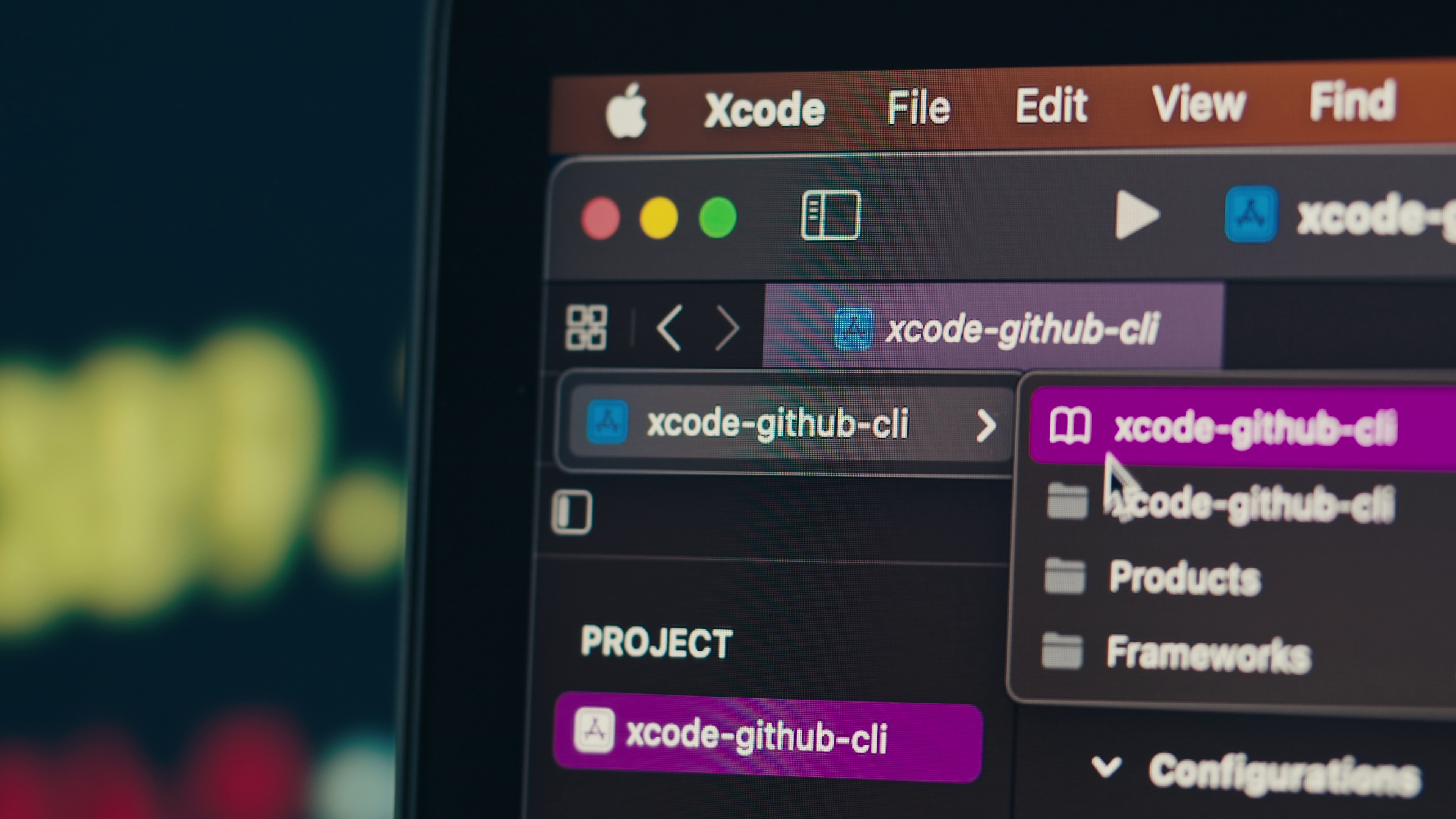
In the great age of ‘the cloud,' web designers and digital creators are at the helm of creating spaces for heritage to persist. For the stories built by tradition to be archived and categorized for those looking to understand experiences outside their own. Spaces that allow people of disparate walks of life to come together and marvel at the similarities and differences everyone shares across diasporas.
Craftspeople and Builders
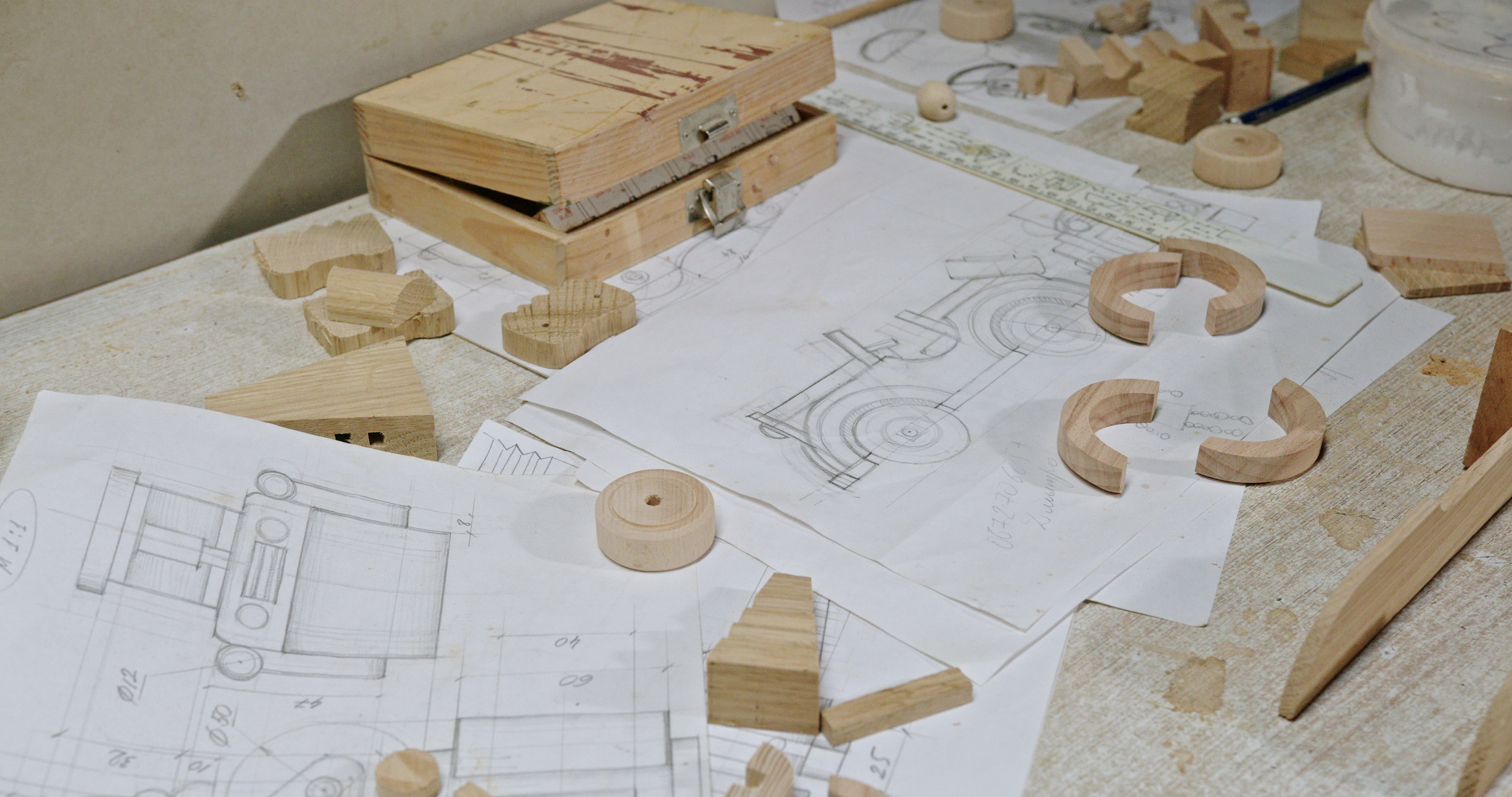
Craftmanship may have been one of the first human occupations. Crafting symmetrical tools for the hunt, tools for building other tools, and even pieces formed for entertainment. Makers of all kinds give all their projects greater meaning than the sum of their parts. The assembly of quilts, woodworks, textiles, ceramics or pottery, sculpting, carpentry, and the like are steeped in traditional teachings from masters to apprentices. From parents to children. From community to family. That ingenuity from heritage was not only necessary to survive but also equally necessary for us to thrive.
Musicians and Composers
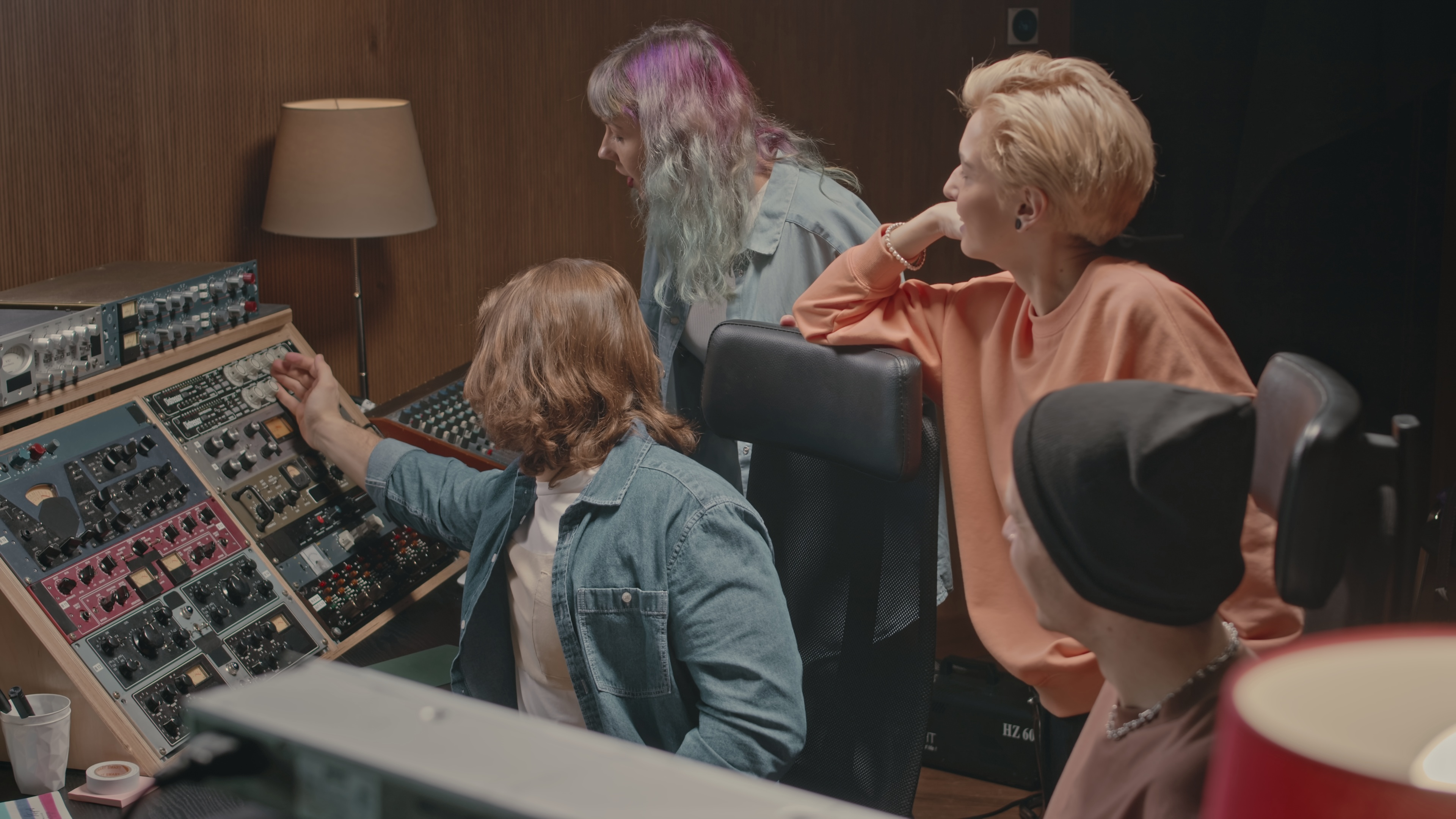
Musicians and composers speak a language of emotion. Music is expressed by nature, from a breeze lazily moving across plains of grass; courting birds singing their loving songs of affirmation upon dusk and dawn; lake waves lapping on a secluded beach; thunder from clouds dark and grey; and crickets reigning in the night as the day comes to an end. Musicians hear nature and think, asking, how does this sound make me feel? How do these sounds make me feel? How will these sounds make others feel? Composers are able to thread together groups of wooden hollows adorned by precise string placements, metal reverberations, percussions, wind, and voice to create an emotion. To express an experience. The heritage of music can be seen from songs sung around the fire, hymns of remembrance, and even tapping in unison to share in the feelings invoked by the sounds being produced. Music ties language and undiscernible sound into a medium that allows for heritage to be expressed through emotion and not simply exposition.
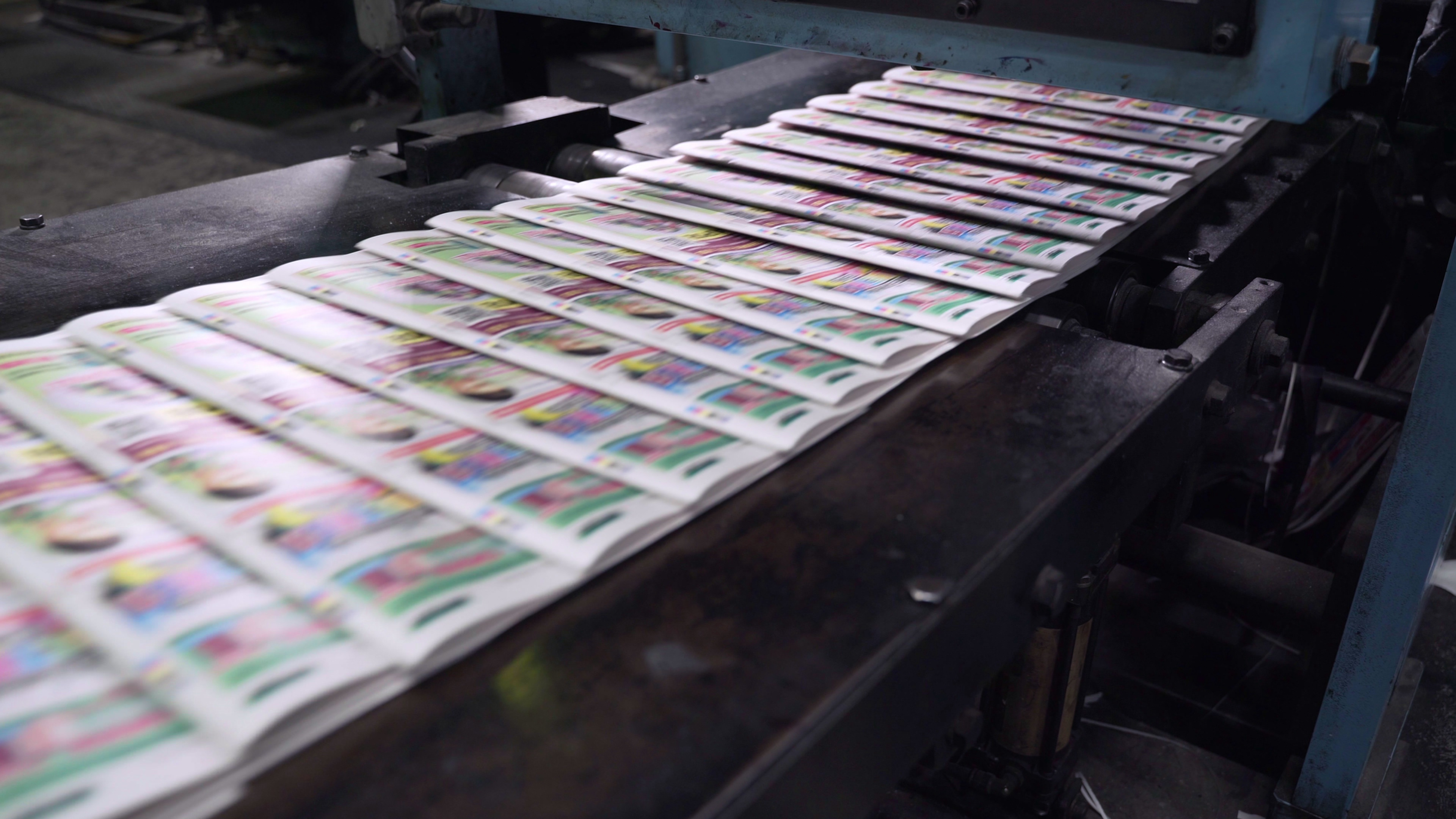
A Zine
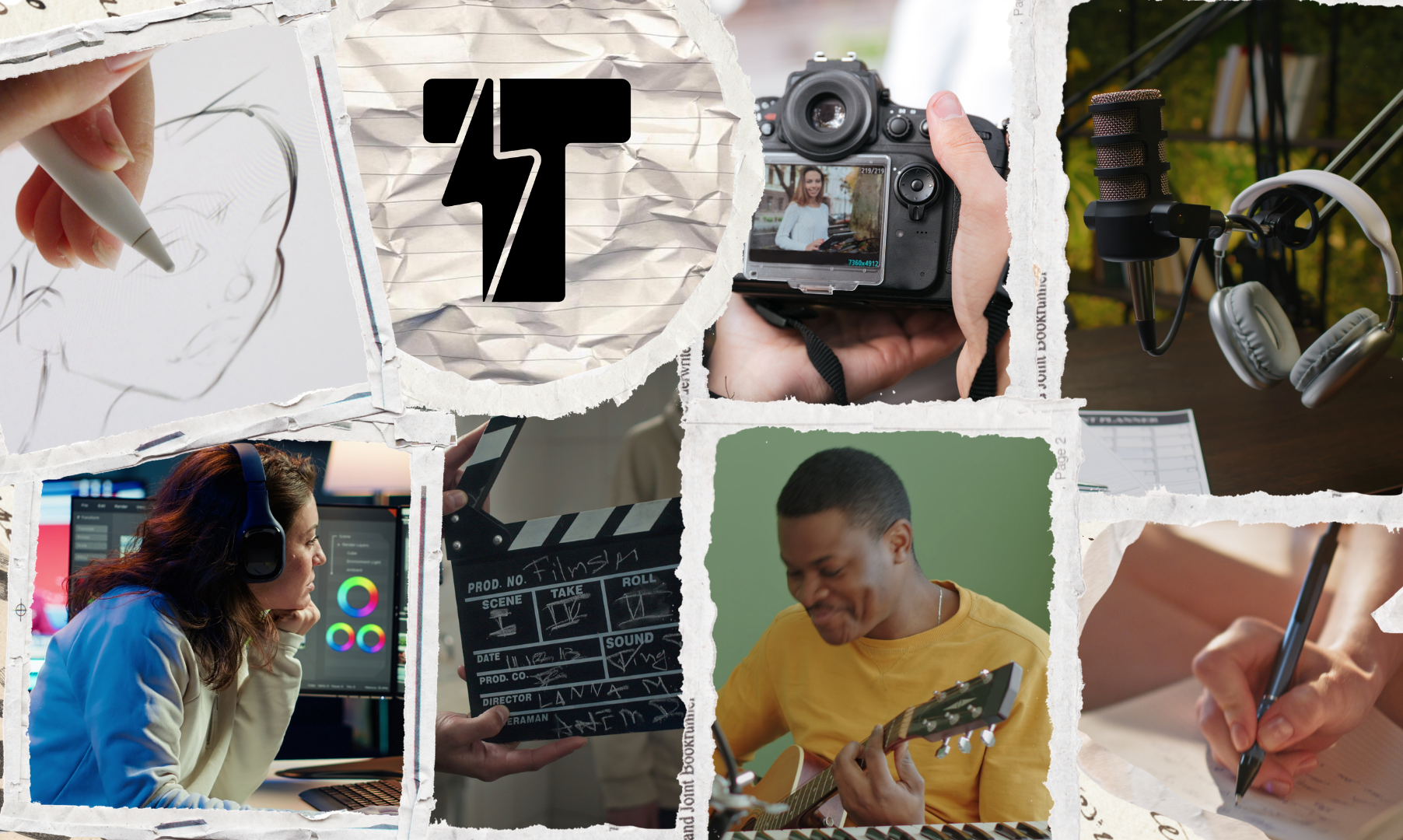
Gather drawings, graphics, recipes, oral traditions, essays, interests, blogs, anecdotes, and short stories; even interactable pages that allow for greater use of mental and physical muscles. Heritage can coalesce across the pages of a magazine that allows for the induction of the audiences to be participants in the lives and experiences of the creators, sharing their hopes and experiences. The stories that are shared from the volumes and issues of magazines can well outlive the months that inspired them. Zines allow for the interesting art of collaging. Forming a page, a poster, or even murals of clippings from the art, images, and words that fill the pages of any magazine.
Magazines are at the intersection of heritage and creativity. Creativity is a potent source for how communities initiate and practice tradition across generations. This intersection allows any creator to share their personal heritage and hopes with those willing to share those experiences.

EVERYONE
The beautiful thing about heritage is that it is a virtue for each person. A painting. A comic. A podcast. A short film. A book of recipes. A playlist. A conversation.
“What can I make?” will always be a beautiful start. Representation can change from era to era. Awareness is something that can quietly slip from memory. Like the saying “out of sight, out of mind,” the less something is made prevalent in presence, the less it is remembered. Creators are the answer to forgotten ideals, beliefs, traditions, and yes, heritage that allows our memories to endure. Answering the earlier question “what can I make?” with “what can I leave behind?”