

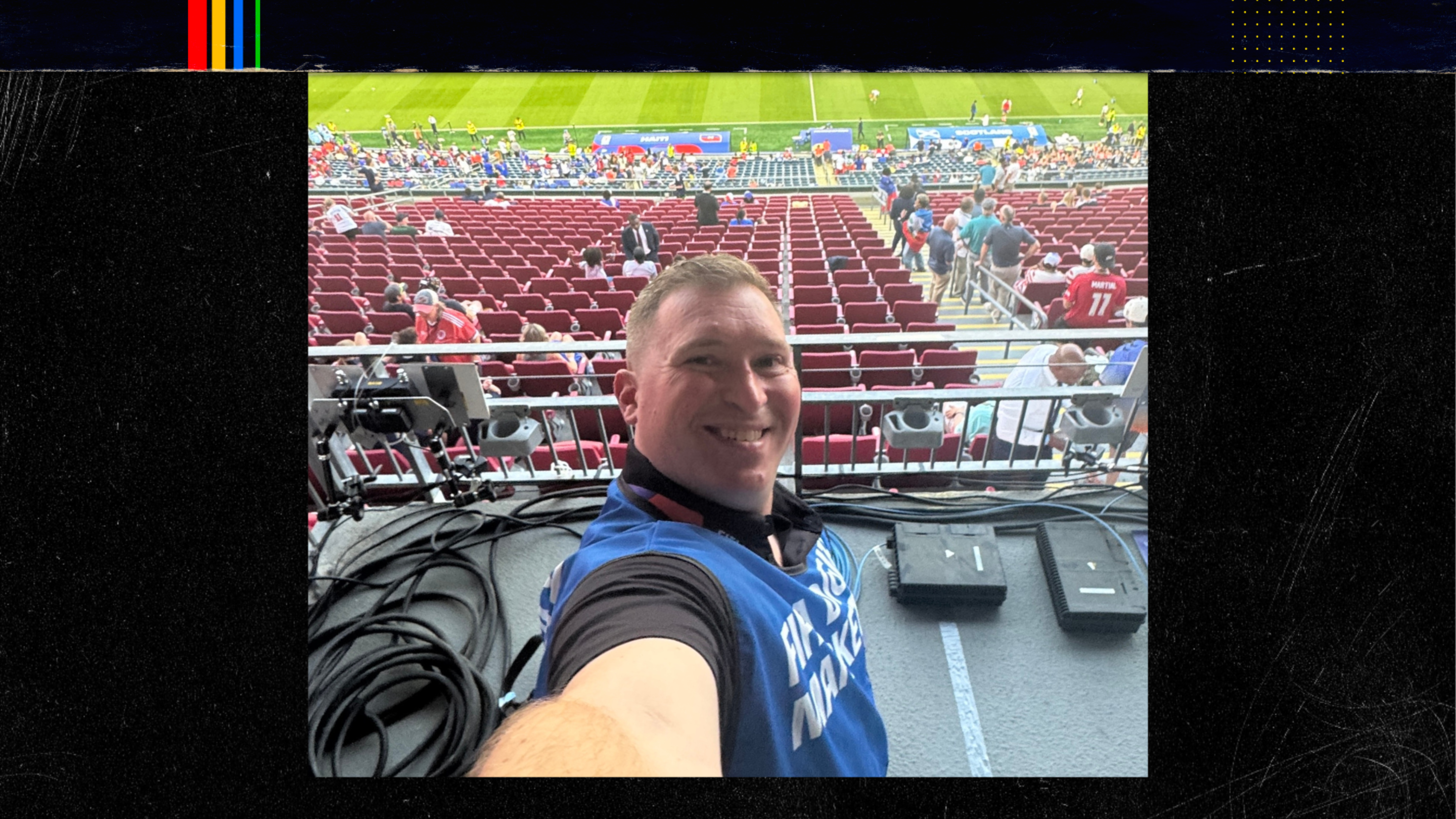
Every sports videographer dreams of capturing the defining moment. The game-winning goal. The impossible save. The celebration that echoes long after the final whistle. Yet those moments rarely belong to the person with the quickest reflexes. More often, they belong to the filmmaker who prepared for them hours in advance. Scott Beer knows that better than most. This summer he's filming the FIFA World Cup for FIFA's social channels through Starting Eleven, creating content that reaches millions of viewers around the world. Behind every clip sits a lesson in preparation, decision-making, storytelling, and trusting your instincts. We asked Scott what filming one of the biggest sporting events in the world has taught him, and his answers offer valuable advice for sports videographers at every level.
1. Make the Most of the Camera Position You Have
Every filmmaker wants to stand as close to the action as possible, though the World Cup taught Scott that proximity isn't always the answer.
"As filmmakers, we always want to be as close to the action as possible. We want to engage audiences by putting them on the field, or the pitch."
That philosophy works well when filming the other football, where breaks in play create opportunities to move around the field. Soccer demands a different strategy.
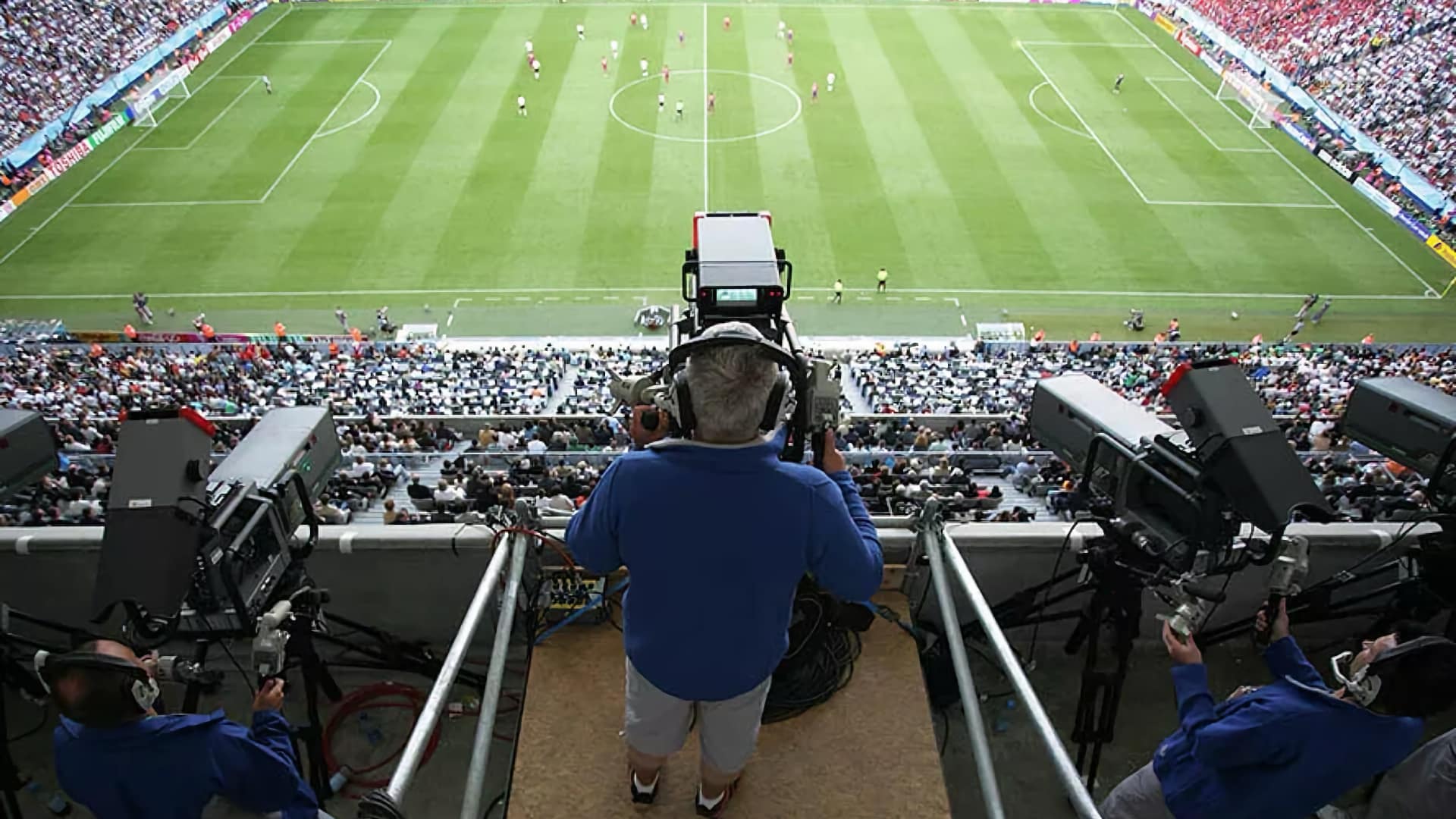
"For the World Cup we filmed from an elevated position to have an angle on both goals, for both teams, to ensure we wouldn't miss a moment."
While standing farther away initially sounded disappointing, the wider perspective allowed Scott to capture goals at either end of the pitch, producing some of the highest-performing videos on FIFA's TikTok account.

2. Preparation Wins Before the Match Even Starts
Sports happen too quickly to rely on reaction alone. Scott believes the work starts long before kickoff.
"Understand the sport, the score, the time, the situation, the player's tendencies, what or who you're shooting for, your camera position, and your camera and lens settings."
He laughs after calling that "super simple," though every piece works together. Once you understand the rhythm of the game, anticipating the next big moment becomes much easier.
Scott puts it another way:
"Are YOU where you want to be, with the right setup, to tell the story when a big play happens? And are you ready for it?"

3. Hold the Shot... Then Move
When asked what newer sports videographers should improve first, Scott answered immediately.
"HOLD A SHOT."
Our eyes naturally jump from place to place, though a camera tells a story differently. Once the decisive moment happens, stay with it.
"If a player scores a goal, stay on that player. You also only have one shot at the celebration, and arguably the celebration is usually more awesome than the goal."
Once you've captured that emotion, it's time for the second part of the lesson.
"MOVE. Use those feet and get around. Stay mobile."
Holding the moment and staying mobile might sound contradictory, though together they create stronger visual storytelling.

4. The Story Isn't Always on the Field
Great sports films capture much more than the final score. Fans, coaches, volunteers, families, mascots, and the atmosphere surrounding the match all contribute to the experience.
Scott encourages filmmakers to keep looking beyond the obvious.
"Tell the full story of every game. Make sure you keep your head up because sometimes your best shots or the best content is all around you. Sometimes the story isn't even on the field."
Learning which moments deserve attention comes with experience.
"Determine what is important and what story you are telling. When you get very good at this, in my opinion, that's what separates a shooter from a professional storyteller."
5. Love the Work Behind the Highlights
People often picture sports videography as nonstop excitement, incredible access, and front-row seats. Scott certainly experiences those moments, though he also experiences the work that audiences never see.
"I had to park 1.5 miles from the stadium and walk with a 60-pound backpack in 90-degree heat with Scotland fans singing songs. By the time I got to the media room, my legs were jello, I was sweating, and I had a big smile on my face."
Why the smile?
"If you don't love the misery that comes with filming sports at the highest level, and sometimes the crap we have to do to make it happen, then this isn't the right camera role for you."
Across three World Cup matches, Scott worked more than thirty-six hours, walked over nine miles carrying gear, and saw only two clips published immediately.
Those two clips generated more than 12 million views and 1.5 million likes.
His response?
"Job done."
He closes with advice that applies to every creator, regardless of sport or camera.
"There is no clocking in and clocking out. There is no help or second chance. You get there early, you know your gear, have fun, be professional, be ethical, GET THE SHOT, get paid well to be in places that people only dream of. Think of the amazing opportunities you can unlock if you truly love this job."