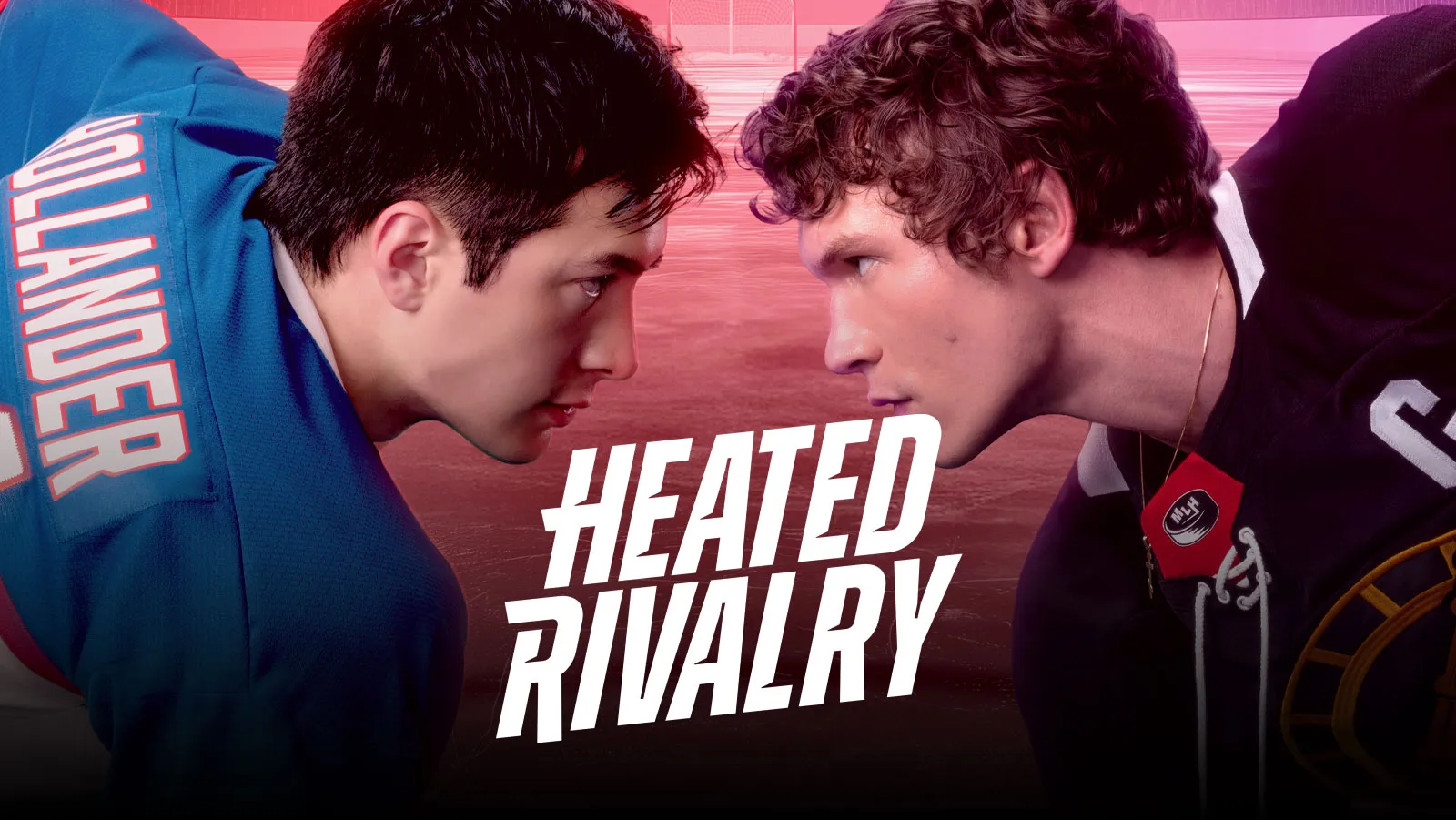
For too long, LGBTQ+ characters in film and television were confined to a narrow set of narratives: coming‑out stories, trauma arcs, or side roles that reinforced clichés rather than challenged them. That landscape is rapidly shifting. Heated Rivalry, a steamy, sport‑drama romance about two professional hockey players who fall for each other, has emerged as one of the most talked-about streaming hits of late 2025; not only because of its provocative content but because it worked on its own terms. Its success, alongside a growing roster of queer‑led stories across genres, shows that LGBTQ+ narratives are not limited to specific formats; they belong in all corners of entertainment culture, from holiday rom‑coms to family‑friendly animated adaptations and beyond.
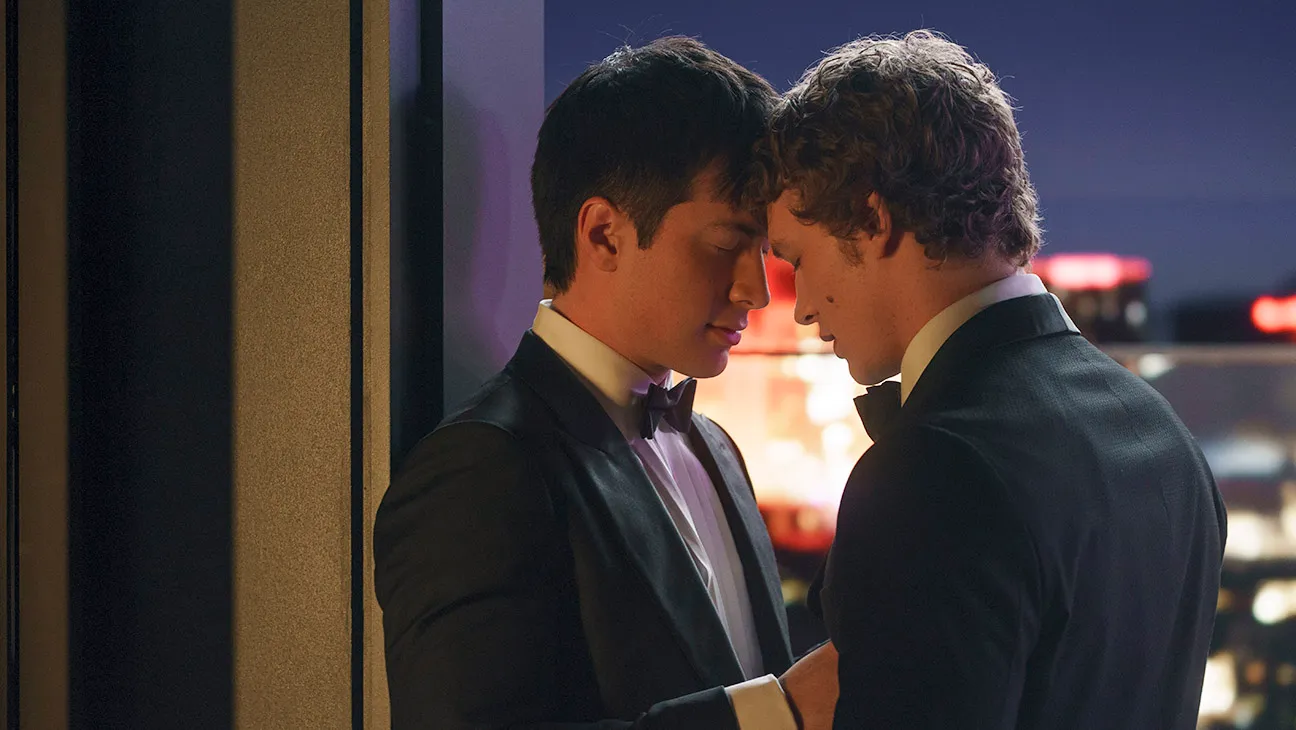
Heated Rivalry premiered on Crave in Canada on November 28, 2025, with simultaneous release on HBO Max in the U.S., Australia, and other markets. Within weeks, the series became the most‑watched original in Crave’s history and climbed the charts on HBO Max, ranking as high as second among the platform’s most‑watched shows in the United States and consistently staying in the top tier of weekly streaming lists across multiple regions. Data show that viewership on streaming platforms jumped nearly 400% within a week of its release, which is a very rare surge for a series with a largely niche built‑in fanbase before its debut.
Critically speaking, Heated Rivalry has earned striking approval ratings of around 95% on review aggregators like Rotten Tomatoes and MetaCritic. and solid audience scores, demonstrating broad appeal beyond the expected core fandom. The passionate response from viewers is visible on social media as well, where fan edits, reactions, and discussions have spread virally, reflecting engagement levels rarely seen for similar genre shows.
What makes this success particularly notable is not just the numbers, but the type of story it represents: a narrative rooted in intimacy, tension, and romance between two queer men, set against the traditionally macho world of professional hockey. In doing so, Heated Rivalry pushes queer storytelling into spaces previously dominated by heteronormative archetypes while also embracing romance that is bold, emotional, and unashamedly sensual.
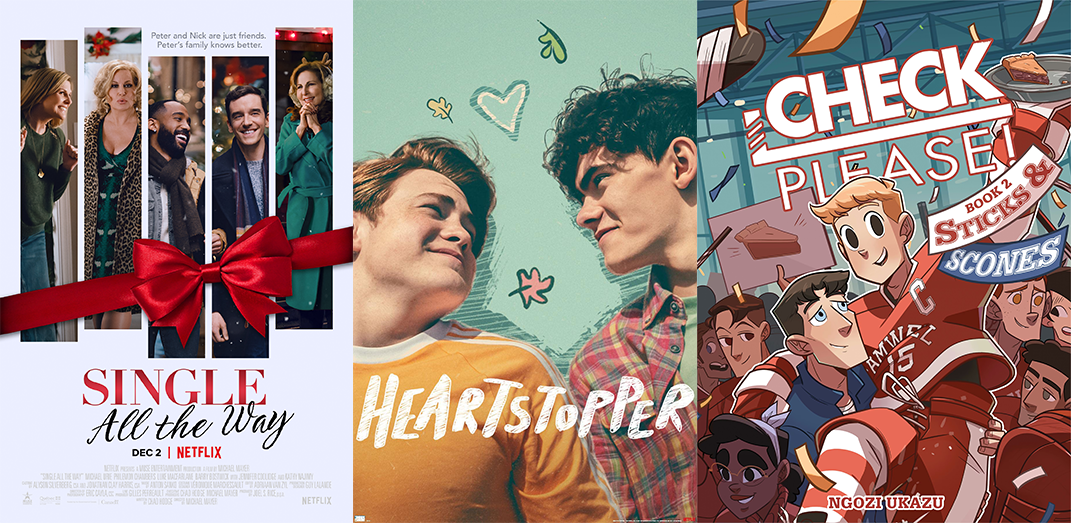
While Heated Rivalry may be steamier than many other examples, it is part of a broader shift toward diverse, genre‑inclusive queer representation:
What unites these varied is a central truth: queer and straight audiences want all kinds of stories, and broader audiences are happy to watch them when they are crafted with care and authenticity.
Genre works as a bridge between specificity and universality. When LGBTQ+ characters inhabit familiar frameworks; whether its sports dramas, holiday films, or slice‑of‑life teen stories, they invite audiences to connect emotionally without reducing queer identity to a single issue. This normalization is vital. It helps dismantle the outdated notion that queer stories only belong in certain boxes or that they must always teach something. Instead, they can feel something: joy, lust, laughter, empathy, or comfort. Heated Rivalry shows that these stories can succeed without conforming to traditional templates. Its success is not just numerical; it’s cultural, a demonstration that audiences are ready for narratives that unapologetically place queer love and desire at the center of compelling genre storytelling.
The landscape of mainstream entertainment is changing. LGBTQ+ characters are no longer background players; they are leads, lovers, villains, heroes, and genre default. The success of Heated Rivalry, Single All the Way, Heartstopper, and Check, Please! suggests that this expansion is not fleeting. It’s a signpost pointing to a future where queer stories are woven into the fabric of all genres, not because they are niche, but because they are good stories; relatable, dynamic, and human- you know, all the things the average viewer loves!
And then, of course, predating Heated Rivalry there’s the Anime/Manga series, Yuri on Ice, considered a landmark series in LGBTQ+ media, because of its tender central romance and of how it seamlessly integrates that romance into a high-profile, competitive sports narrative. Released in 2016, the anime follows figure skater Yuri Katsuki and his evolving relationship with coach and fellow skater Victor Nikiforov. The show garnered global acclaim for its absolutely stunning animation and choreography and its honest and emotionally nuanced portrayal of a same-sex relationship without sensationalism or tragedy, and without ever labeling its characters by their sexuality. Its massive international fanbase, social media virality, and high streaming numbers demonstrated a clear demand for queer romance that felt authentic, joyful, and aspirational.
As creators continue to expand the boundaries of genre, audiences will follow. And as these stories continue to succeed (across platforms, cultures, and age groups) the industry will increasingly recognize that authentic representation isn’t just morally right; it’s infinitely watchable.
The success of stories like these signals a turning point for independent creators looking to tell LGBTQ+ stories across genres; from steamy romance to cozy slice-of-life. These works more than prove there’s a massive, enthusiastic audience for authentic queer narratives outside the traditional prestige drama lane.
For indie creators, this means it’s a prime time to build your own platforms (via webcomics, short films, novels, or newsletters), grow your audience organically, and treat your original IP like gold. Focus on storytelling with heart, character depth, and clear genre appeal; whether that’s holiday rom-coms, sci-fi, or sports drama, and you’ll be well-positioned to partner up when the mainstream inevitably comes knocking. Just remember: authenticity, consistency, and community are your biggest assets.
Filmmakers are working with the world's biggest brands on Tongal.