
Dear Tongal,
I have seen hundreds of documentaries. Some of them are really interesting and keep you hooked, but many of them are just plain boring. I have analyzed them in detail, but can't seem to find any single aspect that separates the interesting ones from boring ones. Is there a magical formula that documentary filmmakers use to keep their documentaries interesting?
- Nanjappan Erode, Tongal community member since 2015
Hey Nanjappan!
Thanks so much for asking this, it’s a great question.
I think “formula” is a great place to start, as there are a number of techniques a documentarian could use to make their films more interesting — from arresting opening visuals to emotional soundbite montages to incorporating a modern-day quest (even for historical docs). The reality is that there’s usually more than one aspect that separates interesting docs from boring ones. With that said, I would argue that having a strong central question is one of the most important and distinguishable elements in a compelling documentary (which is usually stated early and revisited throughout a film). And it is likely a common denominator in the films you find the most fascinating.

Who is Arthur Chu? A documentary by Yu Gu & Scott Drucker
In general, docs that keep you hooked follow a traditional three-act structure — just as a fictional film would. They begin by asking a central question to establish the protagonist’s goals and desires, so you become invested in the narrative arc from the film’s inception. This sends our central character on a contemporary quest, where they will face obstacles along the way, and in the end, we will learn whether or not they’ve accomplished their goal. Often, there’s also an underlying psychological desire driving the life of that person’s existence (elevating them from a simple character to a rich and layered one). All this may seem like film school 101, but the key is that these basic principles are applied to non-fiction films as well to hook your interest in a character’s journey.
Even biographical or historical docs can feel more effective when that person is attempting to accomplish something in real-time, i.e., an opening of an exhibit, putting on a concert, or an attempt to free themselves from a conservatorship (as in the case of “Framing Britney Spears”). The emotional intensity heightens throughout the film, keeping you invested in watching until there’s a resolution (success or failure). So, the binding element is that these films all ask at least one question, if not more (overt or subtle, external or internal). And when done well, you can’t help but feel more invested in the story.
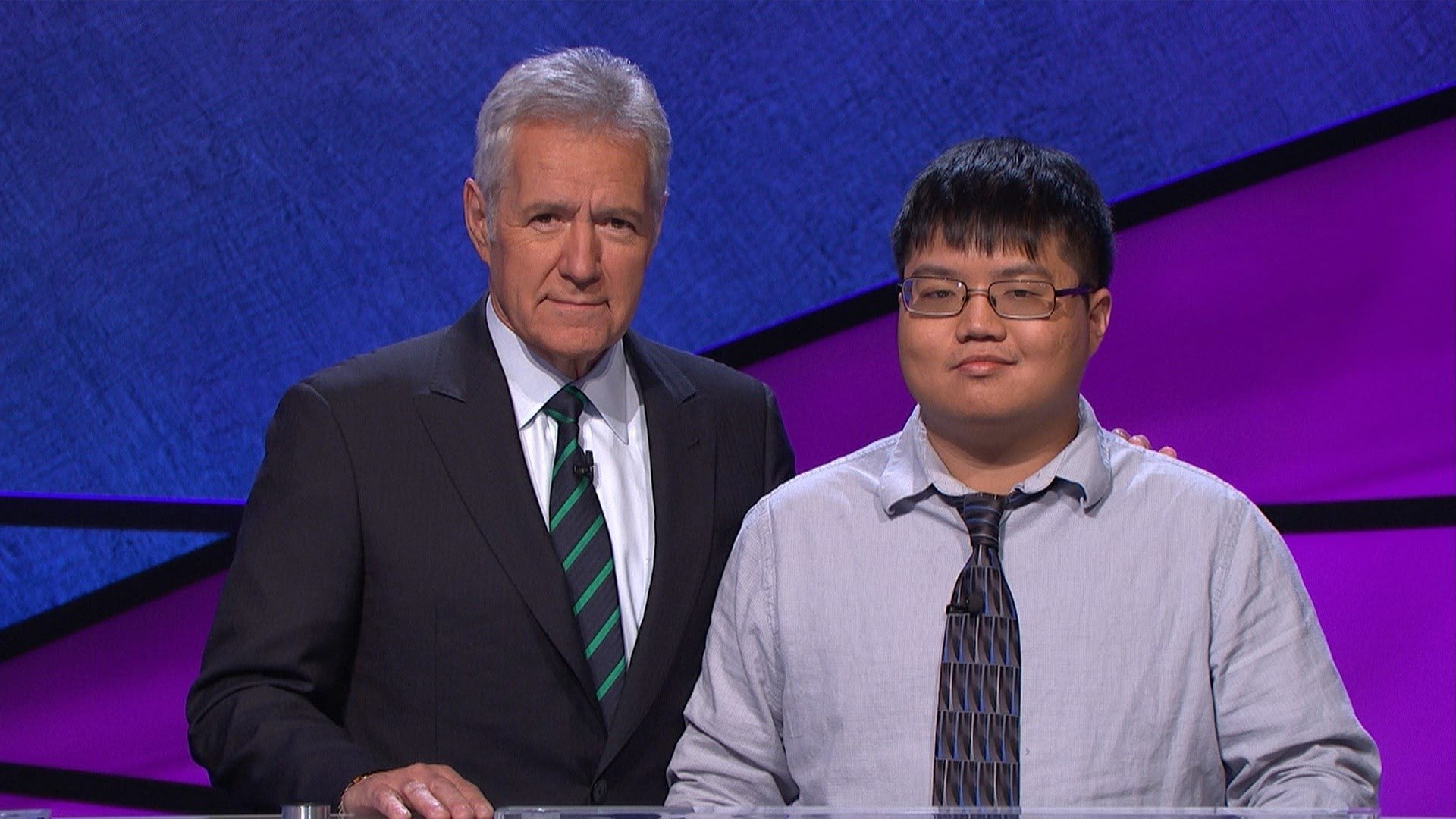
Alex Trebek—a still from Yu Gu & Scott Drucker’s documentary Who is Arthur Chu?
Another important factor is having an interesting character(s) from the very conception of your story. Even though you’re filming real people, there’s still a casting process involved. You’re always looking for the most interesting people to tell your story (just as you would with actors). And if you’re making a biographical doc, there’s often a reason why you chose that person to make a film about in the first place.
Finding someone willing to open up about their experience can hold a viewer’s interest, even if the story structure starts to unravel. Good directors will also go through an intensive pre-interview process, where they spend time with the person before they begin rolling the camera. This helps build trust, especially if they don’t already know them, and will almost always make for more compelling and authentic action on-screen. Conducting a good interview is a skill in its own right and equally important for creating compelling work — listening, empathy, attentive silence, directing tone, sitting close, and wording of questions, are all important practices for a director to implement during the interview.
Of course, there are always exceptions to this. For example, Hale County This Morning, This Evening builds intrigue through its visual style, with sequences of captivating images — each vignette unique so that nothing feels repetitive or banal. While it doesn’t have a single protagonist or quest from which to build a narrative arc, the images still tell a powerful story. And in a way, the film still asks and then responds to a central question: “What does the black experience in Alabama look and feel like?” Therefore, even the arthouse docs that hold our interest are likely applying some of these traditional techniques in their form.
I tend to gravitate to documentary work with outstanding cinematography. I’m interested in the cinematic approach as a new way of seeing something in the world or to communicate someone’s story so that the narrative stands out from just words on the page. While it’s likely not THE aspect that separates interesting docs from boring ones, I do think it can elevate the work and make you feel something that you wouldn’t have solely from reading a Wikipedia article on the topic.
Hale County This Morning, This Evening
And when you’re making documentaries for a client (long or short form), the same approach and principles apply. The most compelling work will hook their audience into a character’s emotional journey, even if a brand is involved in the story. Thus, it’s a great idea to lay out the narrative structure in advance so the client knows you’re meeting their objective. Often this involves a “statement of transformation” or a resolution in the third act. At this point, a client’s involvement can be a bit more demonstrative (which I’ve dubbed, the “client as hero” payoff). Let’s look at an example.
Say we’re profiling a young filmmaker’s journey in their quest to turn a screenplay into a feature, and the client we’re making the documentary for is Sundance Labs. This third act statement can be on the nose: “Without this grant from Sundance, this film never could have been a reality.” It can be more subtle: “I now realize the importance of independent grants in a filmmaker’s career.” Or it can come at the end of the film in a title card (aka a “super”): “In 2020, Sundance Labs empowered 348 filmmakers from 100 countries with more than $25 million of film funding.” Once the client sees this film flow and the role they will have in your three-act structure, you then have the freedom to find moments on the day, as well as the freedom to develop an emotive protagonist. You can even try showing them a blueprint script so they have a better idea of the narrative arc and how they’re involved in the story. However, I would be sure to emphasize that it’s just a sample and a lot will still depend on what real people will actually say. The whole goal of preproduction is to build the client’s trust, so you still have a sandbox to play in on the day of your shoot.
Sorry for the quick client tangent. I was reviewing some great short docs in advertising, alongside a few of my favorite feature docs, and I couldn’t help but realize the parallels: so many had a statement of desire in the first act followed by a statement of transformation in the third, where the person changed as a result of their experience. There’s the Dove ad where they have a sketch artist paint a portrait of a woman twice, once based on a description of themselves, and then again based on a description from a stranger. In the last part of the documentary, they reveal the two paintings side by side in a gallery setting and the women realize that the strangers had portrayed them in a much more beautiful light. The film ends with powerful interviews with these women, who talk about how they have changed the way they saw themselves, thus changing our perceptions as well. These are the films that stay with us. And it’s the same magic formula that works in features as well.
Dove Real Beauty Sketches | You’re more beautiful than you think