
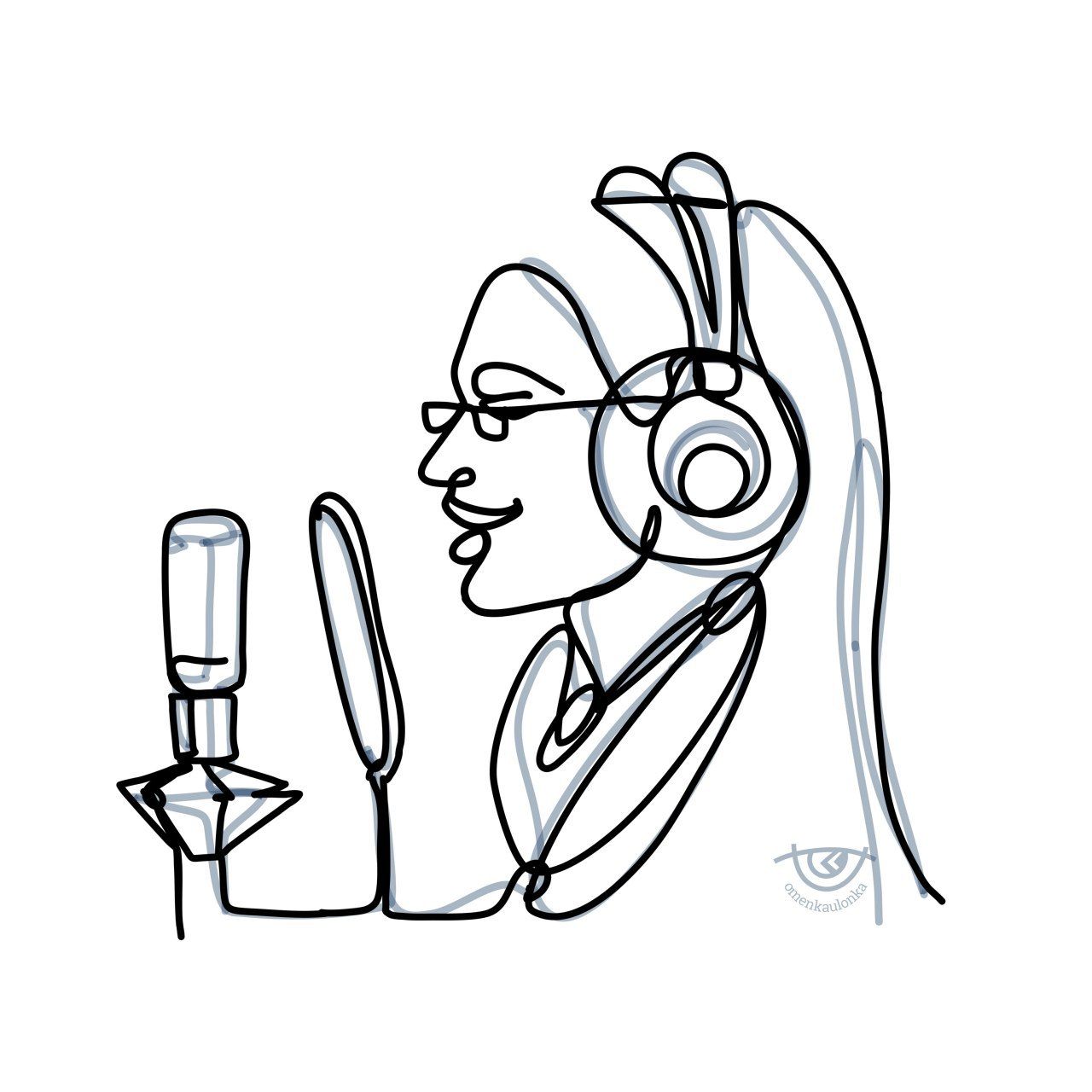

They add spice and humor, give us giggles, and make our childhoods memorable -- I’m talking about the animated characters who got under our skin with their wit and immortal catchphrases, becoming part of our everyday life. We learned from them and got inspired so many times, whether we knew it or not.
My favorite character can't be described as extremely wise. Actually, she is quite reckless, but brave, innocent, playful, curious, and fun. She is Dee Dee from Dexter's Laboratory, and it is her “Ooh! What does this button do?” that always makes me smile. Every once in a while, I let my inner Dee Dee dance up to the surface and use that phrase on all kinds of occasions, because it always clicks!
It’s also worth noting that Dexter's Laboratory is one of the shows that sparked my aspiration to get into voiceover.
Can three letters be enough? D'oh!
Indeed, sometimes just three letters are enough to create an immortal catchphrase that can even end up in dictionaries. That is the case with the "D'oh!" catchphrase from the single longest-running animated TV show in US history - The Simpsons. In 2001, this popular expression of frustration got included in the Oxford English Dictionary, and it was Dan Castellaneta, the voice of Homer who made it popular.
During one voice recording session, Castellaneta had to voice what was described as an “annoyed grunt” so he used the term “dohhhhhhh!". He was inspired by actor James Finlayson (best known for his roles in Laurel and Hardy films), who used the term in his first sound film role in 1929, as a substitute for the word "damn!" Castellaneta later shortened it to fit the speed of animation voice-over to just "d'oh!".
How a turtle made a word become a phenomenon: Cowabunga

If I say, “Cowabunga,” anyone who watched this popular show in the late 1980s and early 1990s, will instantly think of Michelangelo, the funniest one of the four pizza-loving brothers from the popular cartoon Teenage Mutant Ninja Turtles. Thanks to Michelangelo, the word Cowabunga became a pop culture phenomenon. But it has a long history.
Some suggest that the catchphrase was borrowed from “Kwa Bungu” – an expression used by some Native American groups to communicate surprise or anger. It was first popularized as “Kowa Bunga” by Chief Thunderthud on the American kid’s show Howdy Doody in the 1950s. Later, the phrase was picked up by surfers and became associated with American surfing culture. It was also used in a Peanuts comic strip in 1965 to supplement an illustration of a surfing Snoopy.
Even one of the best-known animated troublemakers, Bart Simpson, used the phrase in one of the earliest episodes of The Simpsons. But no one made it as popular as the turtle brothers.
From catchy commercial to Yabba-Dabba-Doo!
The expression I used so many times when leaving the workplace is “Yabba–Dabba–Doo!” So often I see that image of Fred Flintstone sliding down a dinosaur's tail to log out. It is, for me, one of the most sincere expressions of happiness and excitement.
Voice actor, Alan Reed, the original voice of Fred Flintstone, came up with the catchphrase and introduced it. The inspiration actually came from his mother who used to repeat "A little dab'll do ya," probably borrowed from a Brylcreem commercial (a popular hair styling product for men in the 1920s).
The Flintstones script originally had the word Yahoo, and Reed was supposed to say it. Instead, there on the spot he thought of “A little dab'll do ya“ and changed it into “Yabba-Dabba-Doo.” History was made.
"Haven't got a Scooby"
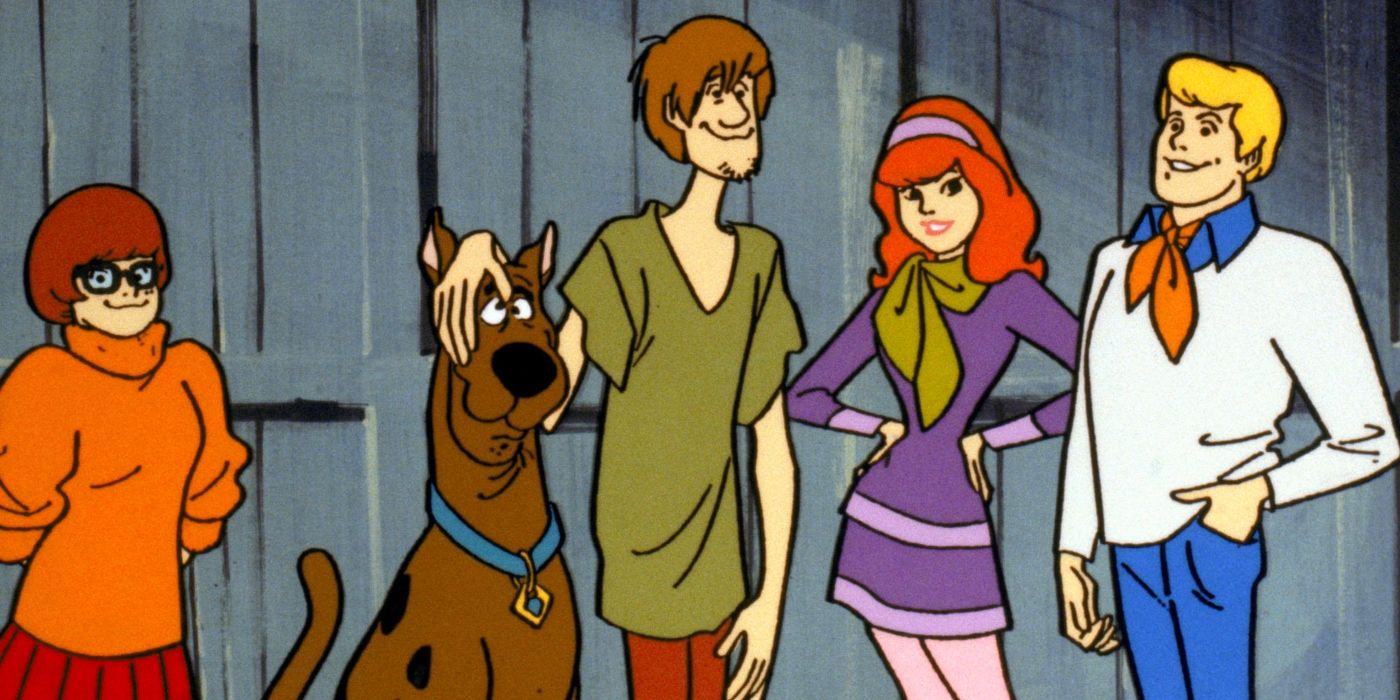
Inspiration can come from unexpected places and unexpected moments, and in the case of creating the catchphrase “Scooby Dooby Doo,” inspiration came from a song.
Generations grew up watching the adventures of a fearful, lovable Great Dane dog and his friends. The show celebrated its 50th anniversary in 2019; however, Scooby became who he is today partly because of Frank Sinatra's song. It was Fred Silverman, CBS's head of daytime programming in 1969 when Scooby-Doo, Where Are You? started running, who came up with the name from the syllables "doo-be-doo-be-doo" in Sinatra's hit song "Strangers in the Night".
Looking back even further, the term "scooby-doo" had already been in use long before Frank Sinatra's song was published. It was originally used to refer to "a clue" among Cockney speakers.
Let’s get inspired…
It's not just the catchphrases that make us fall in love with animated characters. It's also the lessons we learned from them and the inspiration they give us. That is why I want to end with a list of inspiring quotes, some of which really made me look at things differently. I often think of them and do use them every now and then to encourage myself when necessary. So, here are my favorites:
“Your identity is your most valuable possession. Protect it.” (Elastigirl/Helen Parr from The Incredibles)
"The things that make me different are the things that make me me." - Piglet from Winnie The Pooh).
"Your talent makes you who you are, you should be proud of it." - Tinker Bell
"Believe you can, then you will." - Mulan
“Today is a good day to try.” - Quasimodo from The Hunchback of Notre Dame
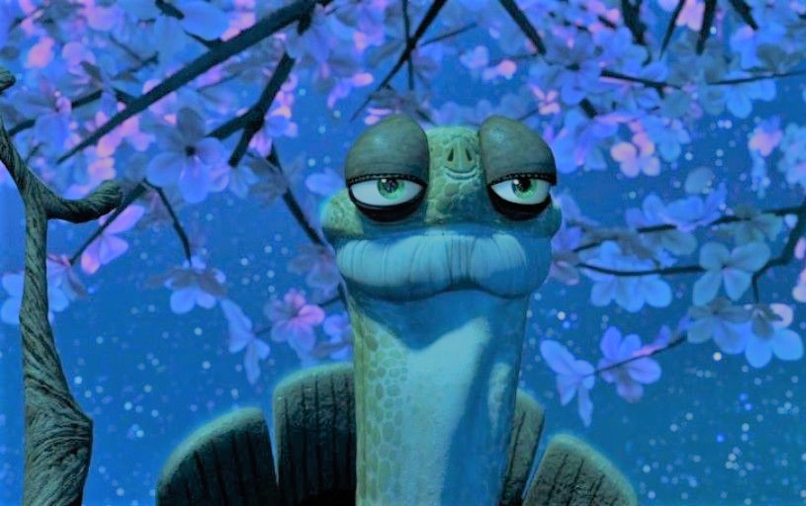
To end with my favorite, “You are too concerned with what was and what will be. There is a saying: Yesterday is history, tomorrow is a mystery, but today is a gift. That is why it is called the present.” - Master Oogway from Kung Fu Panda.
With this said, seize the day, stay beautiful, and be inspired every day!
__
Note From Tongal: This blog is part of a series of Tongal Community-written blog posts that were originally sourced in the Tongal Blog Open Call Project. The views and opinions expressed in this article are those of the author(s) and do not necessarily reflect the official policy or position of Tongal. Read more Tongal Community-written posts here!


