

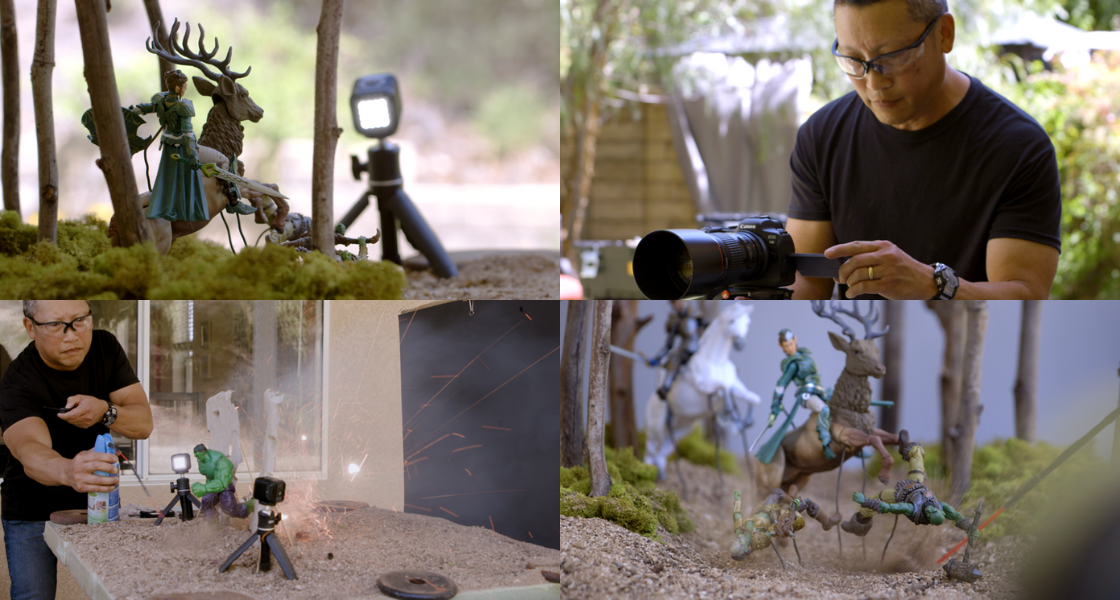
Renowned toy photographer Mitchel Wu has an incredible ability to take us on adventures and breathe new life into timeless characters. In his work, Wu tends to re-contextualize popular and well-known characters in unexpected and often humorous scenarios. His work satisfies a diverse array of fandoms, spanning from Star Wars to Muppets to League of Legends, and everything in between.
I had the privilege of creating a short documentary for Tongal, Toy Photographer Mitchel Wu: Larger Than Life, that gives audiences an intimate look at the photographer’s practice, while providing some helpful tips on creating their own toy photography. Wu has spent years behind the camera fine tuning his practice. He will tell you himself, some of his practice has developed from trial and error. For this reason, Wu is enthusiastic about sharing knowledge with others. Hopefully, the tips below can help you to create your own toy photography. The more people creating, the better!
Tips for Capturing Tiny Heroes
Needless to say, Wu’s subjects are on the smaller side. The largest action figure we filmed was The Incredible Hulk, standing at a whopping 8 inches. The rest ranged from 3-6 inches. The sets for these characters were roughly 3 feet squared.
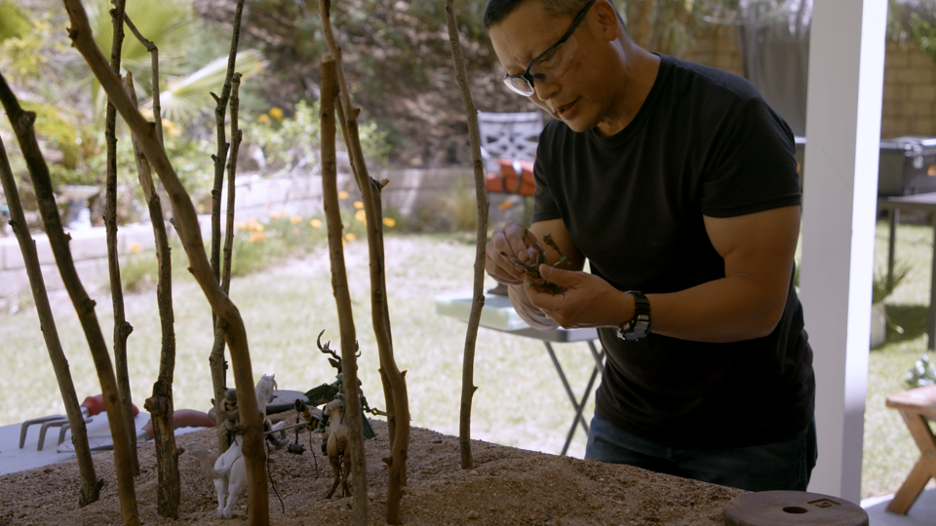
Mitchel Wu has an eye and talent for creating miniature worlds for his toys to live in. With every item on set proportioned to the toy subject, their world begins to feel more real. This is where a bit of camera trickery comes into play to make the subjects larger than life.
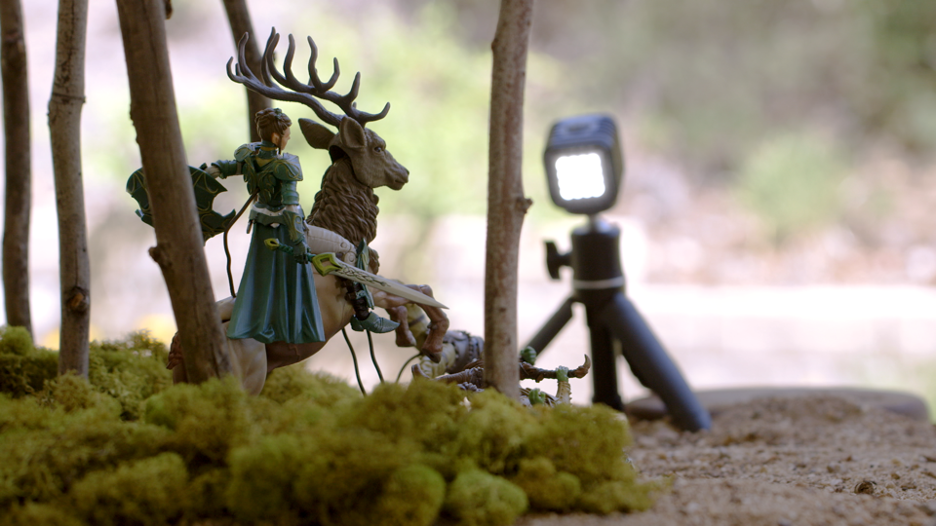
Mitchel Wu will acknowledge that a camera is just a vessel for creativity. Cameras can vary in price and quality, but what engaging toy photography boils down to is the story one is telling and the content in the frame. Nowadays, our phones are powerful cameras that can create amazing images, if utilized properly (it helps if you have a high frame rate as well!). Use whatever you have access to and progress from there! There are a few pieces of equipment, however, that are crucial to pushing one’s toy photography to the next level.
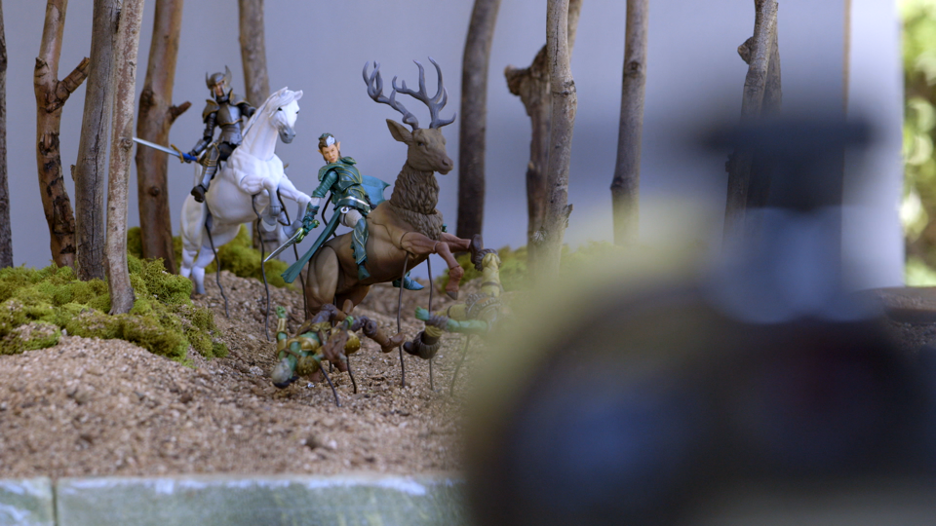
In order to create the illusion of real-life characters, it is crucial that the photographer isolate their toy subjects from their real-life surroundings. This can be achieved with a long lens. (As a note, a zoom will be much easier when starting.) A longer lens allows you to direct attention to your subject and maintain a shallow depth of field to really sell the miniature world. You will find a few real-world elements really make the images pop!
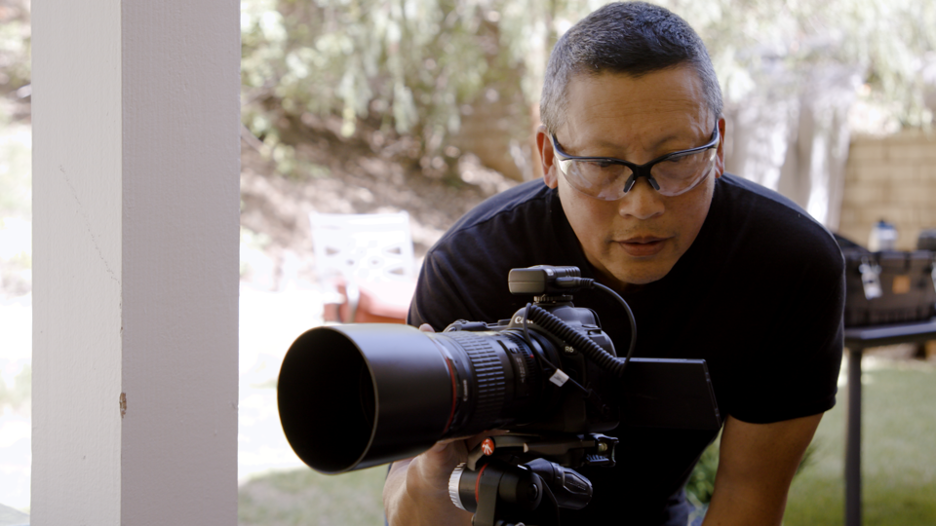
Assuming you’re on a long lens, a tripod is absolutely critical. Having something to stabilize your camera and allow you to be handsfree is a lifesaver when shooting miniatures. The slightest movement translates into turbulent motion on a long lens so a tripod is a nice way to mitigate any unwanted movements or camera jitters.
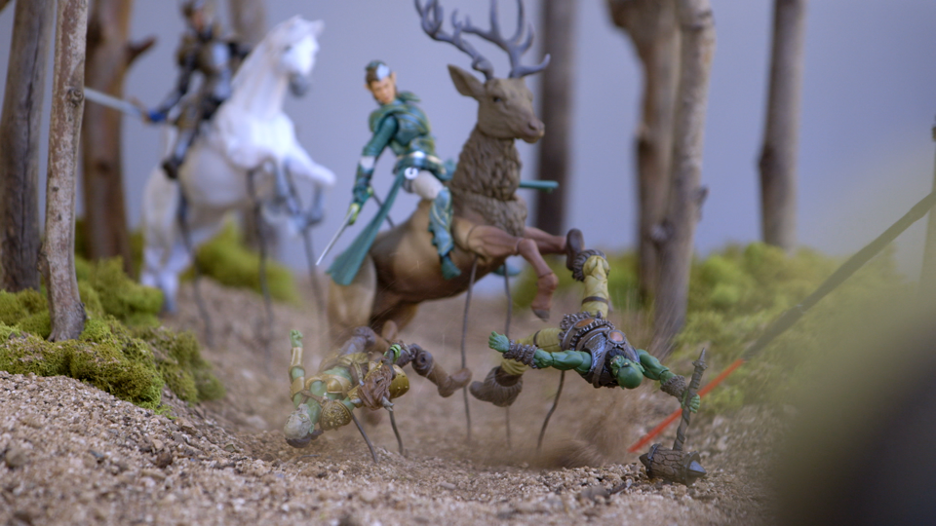
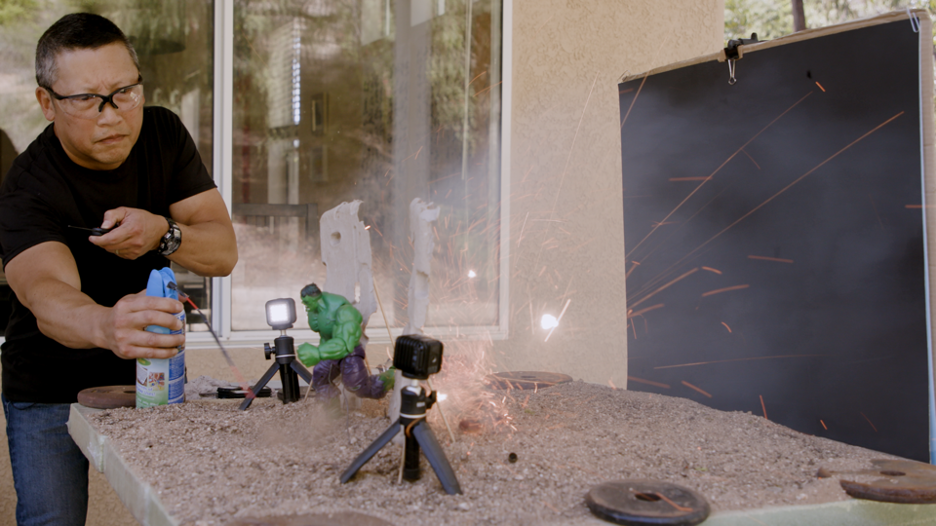
Practical effects can be really fun and are always a bit more involved. Throughout our shoot, Mitchel Wu showed us three different effects involving sand, water and fireworks. Armed with a lighter, can of compressed air, and remote shutter release, Wu kicks up dirt and sparks fireworks. This is when it’s helpful to have a camera with a high frame rate, to capture every moment of debris flying through the air.
Be prepared to do a few different takes. Getting it on the first take is a rare occurrence, even with careful planning. Get as many shots as you need and a few more for safety. Keep going!
In watching Mitchel Wu work, it is clear he’s having fun, regardless of whether or not he is on assignment. The joy he experiences creating these images certainly translates to the final product. Simply put, Mitchel Wu is creating work that he is happy creating. What started as a hobby that he enjoyed since his childhood, has evolved into a career with an impressive roster of clients. The main takeaway: keep playing with toys! Who knows where it will take you!
__
Note From Tongal: This blog is part of a series of Tongal Community-written blog posts that were originally sourced in the Tongal Blog Open Call Project. The views and opinions expressed in this article are those of the author(s) and do not necessarily reflect the official policy or position of Tongal. Read more Tongal Community-written posts here!



Hello Mitchell! Great question! I didn't have a hands on with the project so I can't say 100% but I'm quite confident that soft annealed aluminum wire is being used. It benefits from being 'dead' when moved (no spring back) ideal for animation enthusiasts wanting to use a wire for stop-motion and can be seen inside of clay puppets or even to elevate characters as seen in the article!


