


The healthcare industry has been mobilizing from top to bottom for the last year in response to Covid-19. It’s been impossibly tough, but innovators have accomplished countless feats previously thought to be impossible, like creating and rolling out a vaccine in under a year.
Still, it’s been a trying time for the people who keep us well, as the pandemic only accelerated challenging trends that were already in place. The Harvard Gazette reported that doctor burnout costs $4.6 billion per year, and that was before Covid in 2019. Trust between the medical establishment and average people has been declining for years and has reached a fever pitch as the first vaccines hit communities across the globe. And mental health issues soared during the pandemic, as support groups, socializing, and even in-person doctor’s visits became relics of the past.
But as with other challenges, all this pressure has produced some diamonds. A new wave of design-savvy healthcare brands have cropped up over the last year, and they’ve raised a lot of money to solve these problems, with more than $10 billion invested last year. These startups have put a focus on patients and providers, and know how to create an experience and tell a story. Crunchbase recently called this trend the “consumerization” of healthcare and sees it as the key difference for healthcare brands in the 2020s.
Brands like Carbon Health, EverlyWell and Sidecar Health have an online presence that looks more like Warby Parker than the traditional sterile hospital website, and offer an experience to match. By taking a page out of the playbook of successful direct-to-consumer and eCommerce brands, these companies have managed to grow rapidly and, most importantly, improve patient experiences. These are well-tested strategies based on user-experience, a deep understanding of audience, and enormous amounts of content - both informational and entertaining.
Content is often overlooked in healthcare in favor of the (understandably) urgent work of keeping people healthy. However, more healthcare businesses are starting to realize that emotions (and emotional content) are a critical part of the care process.
Medicine and wellness are inherently emotional, and when those emotions are swept under the rug, problems arise:
Trust in the healthcare establishment falls
Patients don’t adhere to their treatment or invest in preventive actions
Misinformation spreads and people mistreat or ignore treatment
Patients / customers go elsewhere
The Opportunity for Better Health Stories
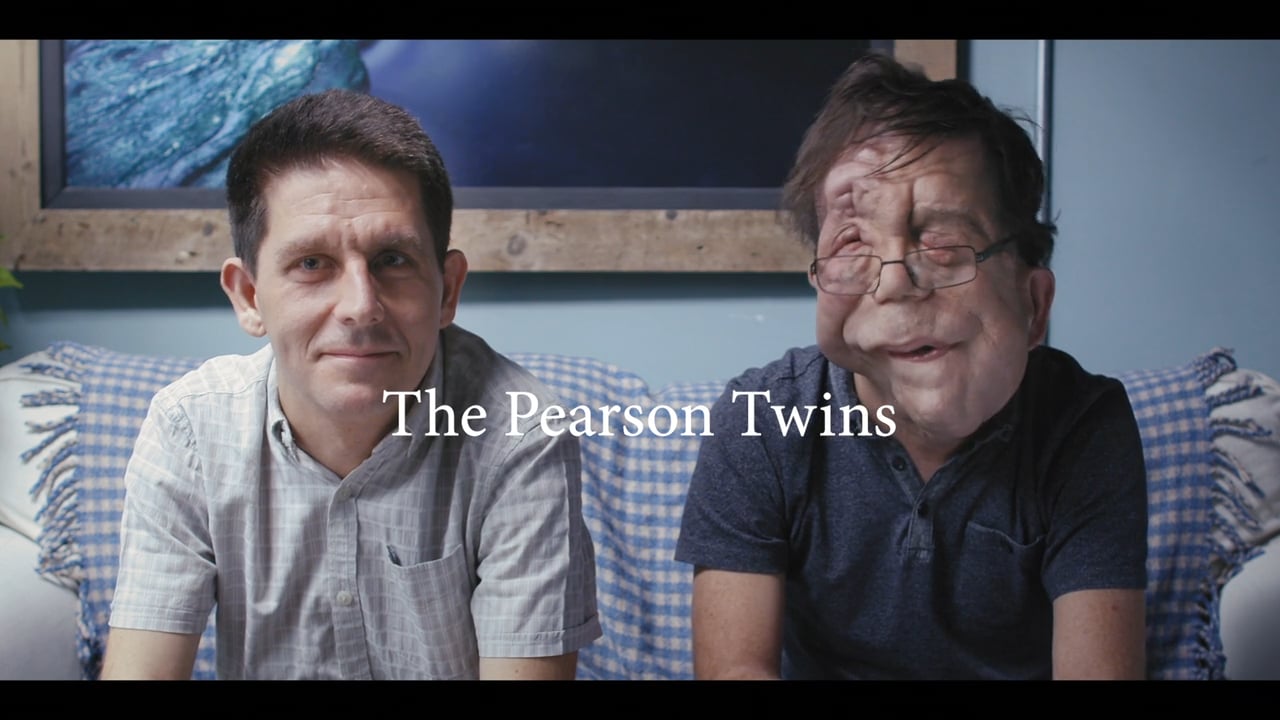
The Pearson Twins Documentary (Curing Neurofibromatosis)
The above documentary, a Vimeo and Atlantic staff pick in 2019, tells the soul-warming story of two identical twins who don’t look much alike. They both suffer from Neurofibromatosis, a rare condition that causes tumors to grow on nerves, but experienced wildly different outcomes. Produced for the annual NF Forward gala, the film resulted in millions of dollars in donations that went directly to scientific research.
That - and not your average pharmaceutical ads with football fields of side effects - is what marketing can look like in healthcare. An emotional story (in this case, the twins) and a compelling cause (curing a rare disease) were paired with excellent filmmakers to execute on something really special.
Opportunities abound for content to solve real problems in healthcare. Let’s dig into three categories that have serious potential to increase trust, keep patients coming back (when they need to), and improve health outcomes.
1. The Patient / Provider Relationship
People are more detached from their doctors than ever before and that’s leading to less trust. One of the reasons for this is that healthcare systems often incentivize doctors to see as many patients as possible in a day, giving them around 15 minutes with each patient. Not a lot of time to build a bond. At the same time, the average American spends as much as $5,000 per year on healthcare, making it a major point of anxiety for people. These stressors make it difficult to form a working relationship with one doctor, much less a team of them.
One format that resonates when it comes to relationship building is spotlights featuring doctors, nurses, and patients, as they navigate the challenges and rewards of healing. Some doctors have even taken it upon themselves to become content creators, using platforms like Tik Tok to provide useful information to young people that might need it. Another example is Main Line Health, which helps match patients with the best doctor for them. They have an entire page dedicated to patient spotlights that you can sort by condition.
2. Education / Preventive Care
Watch and learn. That’s what people do best.
But that means it has to be watchable in the first place, and healthcare education hasn’t traditionally been an Emmy hotspot. But fitness brands like Peloton and Mirror, and pure media companies like The Able Channel have been changing that in recent years.
One of the best examples of premium content libraries in the health space is the leading meditation apps, Calm and Headspace. Both feature premium-quality video and audio that teach newbies and veterans alike. LeBron James and many other A-list stars have also recently partnered to create content for the mindfulness platforms.
3. Combating Misinformation
The last year has seen a shocking rise in mistrust of our largest and most stable institutions, and regular disagreement about what constitutes facts. And so far, scientists haven’t found a sticky way to tap into the same fervor that has been generated by sticky social content grounded in fiction. This, despite the facts being on their side. What if the best minds in filmmaking and storytelling were helping craft their response? Could they figure out a way to start changing hearts, instead of slinging facts?
Recent research out of Northwestern and Harvard has one potential answer: The most highly coordinated influencer campaign in history. People are influenced by people they admire. So maybe you can’t change your dad’s opinion on masks, but if his favorite radio host were to endorse masks, he just might start wearing one.
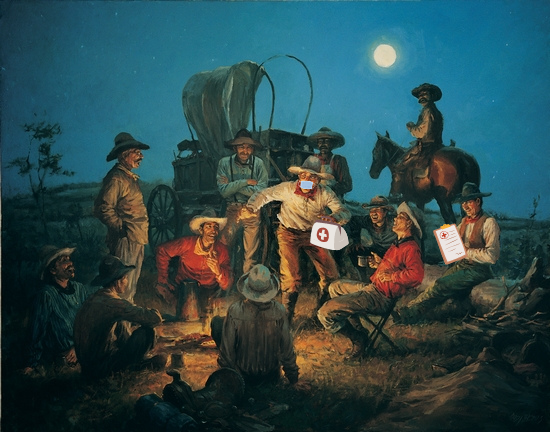
Stories have always been our way of injecting a little humanity into our lives. Our doctors, nurses, and other frontline workers battling the pandemic (and the many other diseases that didn’t take a vacation) deserve more compassion in their lives and stories are a time-tested way of doing that.
What if every hospital and emerging health platform had an internal creative agency like the big brands do? The agency could respond to all three of the content needs above and create tailored, emotional messaging that resonates with people and also builds trust and community in the moment.
But building an internal agency would be a Herculean effort. One that would take away from the business of saving lives. Luckily health experts can focus on health and partner with platforms like Tongal that connect them to a community of storytellers or media outlets like The Atlantic collaboration for the NF gala above. The health of our communities depend on better storytelling, and those stories can originate from those same communities.


