

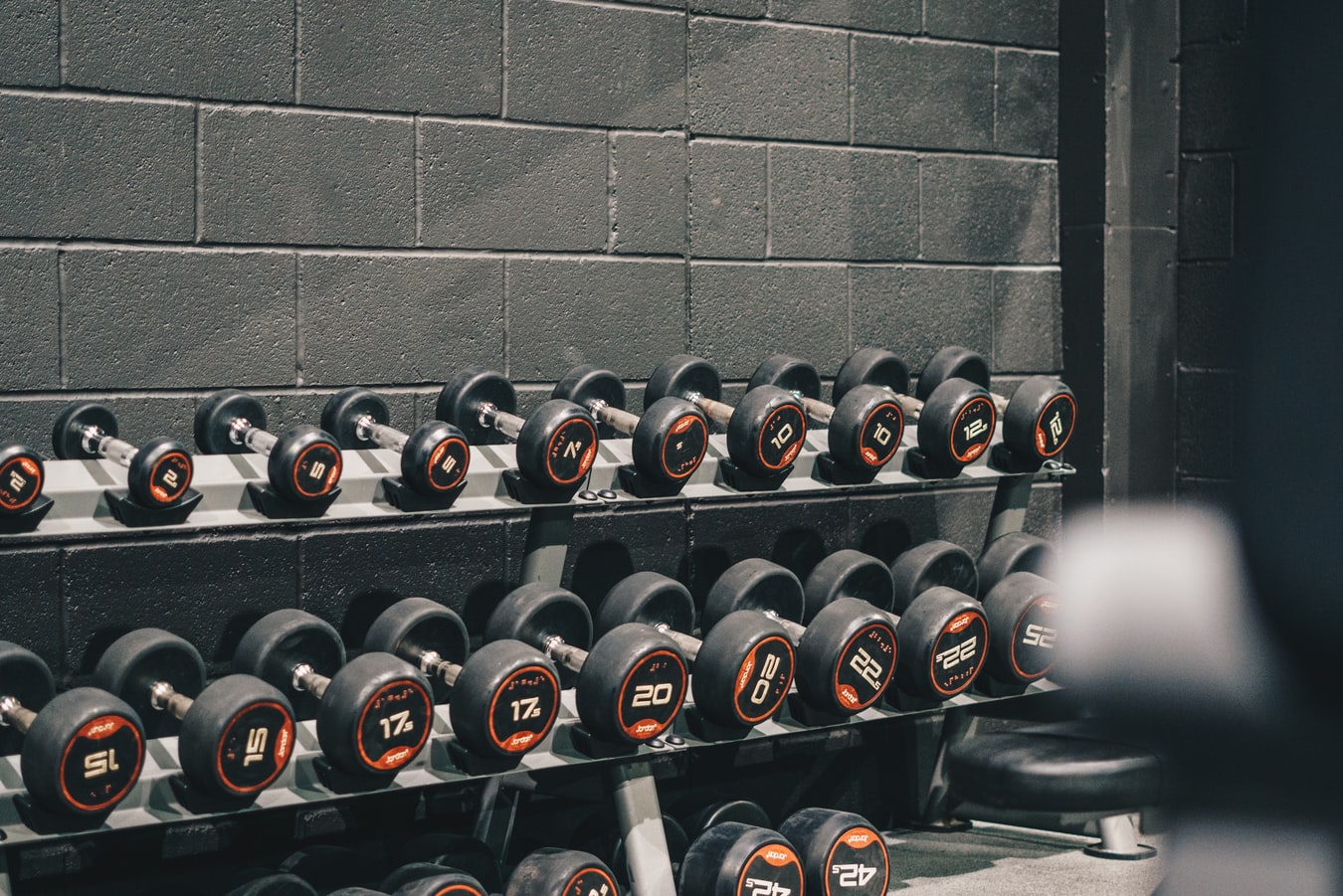
We’re living in the barbell age of communities.
On one end, there are huge, all-encompassing communities like BTS and Drake fans. On the other end, there are small, but passionate groups of superfans organized around niche interests, like basket weaving or local musicians. Facebook realized this and doubled down on groups, creating a space for engaged users on both sides of the barbell.
Start Small
In the barbell age it’s really hard to start from scratch and build a thriving community that falls somewhere in the middle. Think of a growing startup that sells hiking shoes and wants to be the online hub for hiking enthusiasts in the US. REI, Patagonia, and Mountain Hardwear are either already that hub, or could spend the money to become it quickly.
Instead, that startup could dig deeper to find a foothold for their fledgling community. What if they focused on hikers in the San Gabriel mountains?
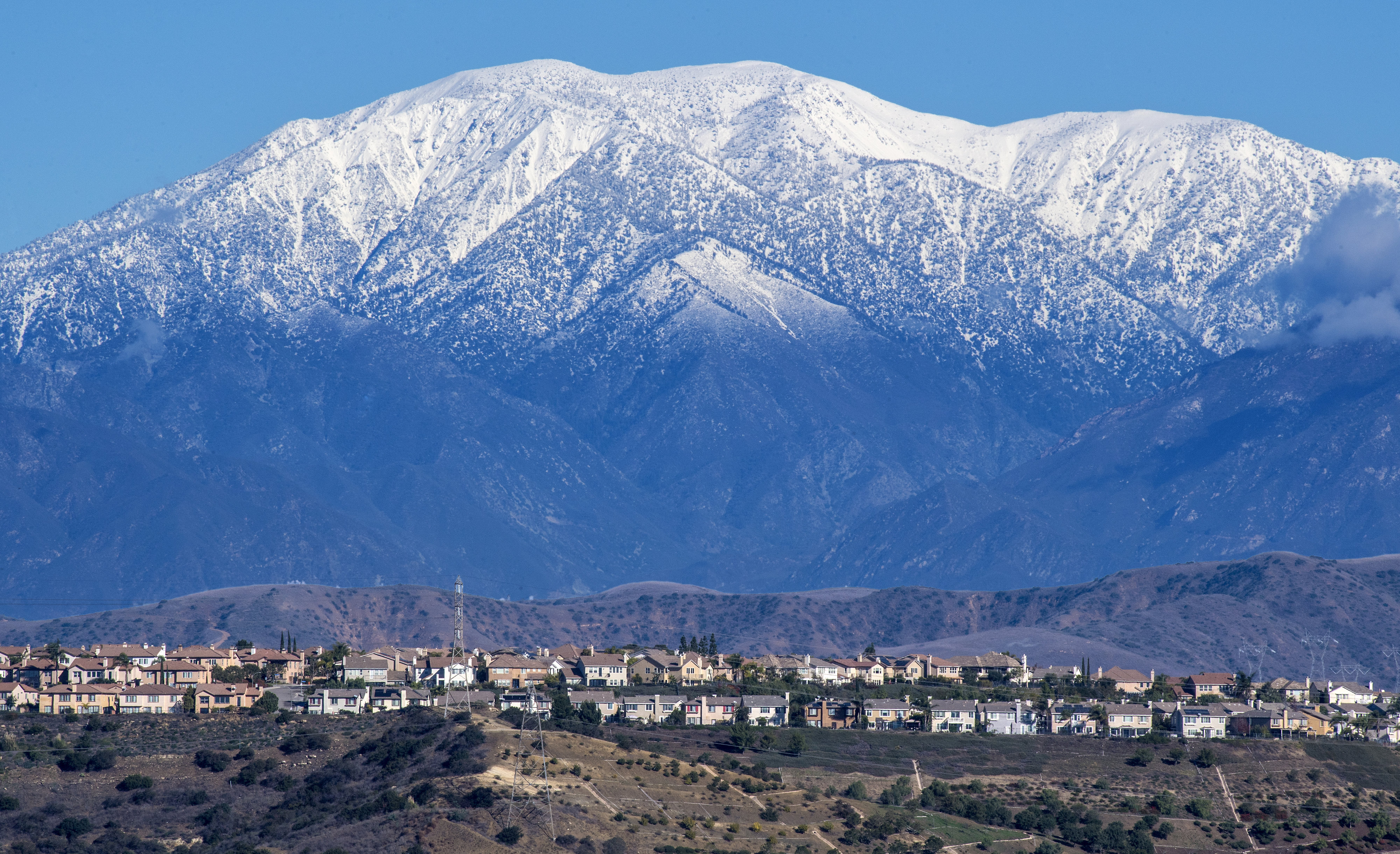
The wondrous San Gabriel Mountains overlooking Los Angeles
Then they could start asking questions like, “What does a hiking trip to the San Gabriel mountains entail?” For many, it’s a weekend trip made from some bustling corner of Los Angeles.
With that insight in hand, they could create content that superserves that community, like “A checklist for your LA escape to San Gabriel peak,” featuring a local hiker kitted out with branded gear. They could go a step further and create a Slack channel for organizing outings and get-togethers for hikers in the LA metro area. They could even produce a long-form documentary on the preservation of the mountain range or a free solo climb from an experienced climbing veteran.
An incredible real-world example of starting with a small community is Emily Weiss and her journey to build Glossier into one of the world’s most valuable makeup brands. She began by blogging on her website before work, targeting women interested in the latest in skincare and beauty products and that needed an outlet to communicate with other fans. From the above Fast Company profile on Weiss:
“Weiss watched and learned. Based on their likes and dislikes, she began developing a beauty line, Glossier, which launched in October 2014 to an eager audience: Into the Gloss’s hyper-engaged following of 1.5 million.”
By Fans for Fans
How the content is being made is just as important in this case. That’s because micro communities are allergic to inauthentic attempts to influence them. One study found that 14% of users will unfollow brands if their influencer campaigns focus only on product promotions. Our CEO James DeJulio further breaks this down in his recent Adweek piece, How to Build Community Through Content and Vice-Versa.
The more effective approach is to empower community members to be content creators. To celebrate the 40th anniversary of Alien, Tongal worked with 20th Century Fox to commission six 10-minute long short films from fan filmmakers. The outcomes, one of which can be seen below, were the result of true Alien fans coming together to create around a shared passion.
Alien: Night Shift by Aidan Brezonick
Tools for Getting Started
Once you’re confident that you have your niche audience nailed down, it’s time to figure out where they are and how you can reach them.
In the fashion industry, private messaging apps have become a popular form of community building in the past few years. Examples are Community and Attentive, both of which allow for intimate group messages with large brand followings for companies like Coach and Urban Outfitters. One of the drivers of this adoption is recent breakthroughs in technology, according to Jared Watson, assistant professor at NYU Stern School of Business:
“The marginal cost for marketers to disseminate 10 bespoke messages rather than one mass-appeal message is fairly minimal.”
In gaming, Discord, Twitch, and YouTube are great places to meet your most passionate fans and empower them to create with your community. In finance, real estate and other more traditional fields, LinkedIn and email newsletters remain a great way to bring people together around a shared interest. Visual-heavy platforms like Pinterest and Instagram are better for food and beverage-oriented communities.
Regardless of where you host your community (and it will likely be in multiple places), you have the opportunity to listen to them, support them, and co-create with them in ways that weren’t possible even a few years ago. This is at a time when we need stronger communities more than ever before, and traditional social media usage isn’t providing that connection.
How are you building micro communities for your brand today? Have you seen any great examples that we should include here? Reach out and let us know!


